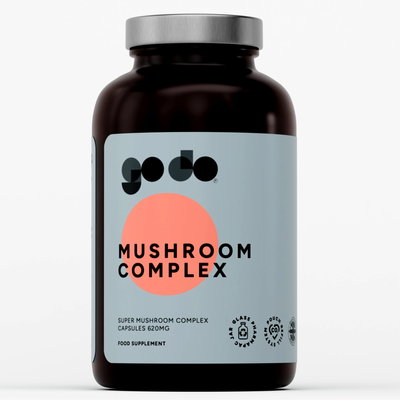
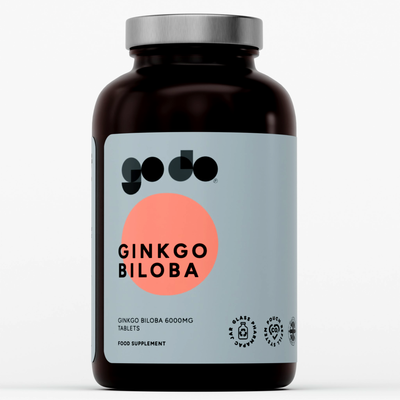
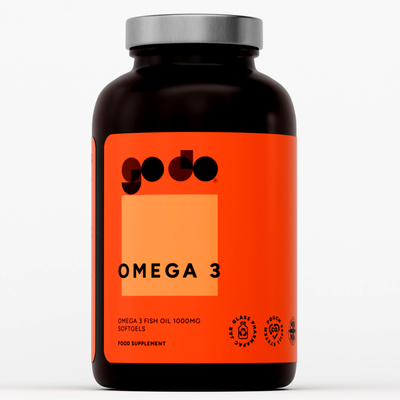
You've got the training plan. You've got the gear. You've even sorted your meal prep. But three weeks in, you're staring at your trainers on a Tuesday morning, and the mental battle starts: "I'll go tomorrow instead." Sound familiar?
Here's the thing most fitness content won't tell you: your body isn't usually the problem. Your brain is. Training consistency isn't just about physical stamina, it's about mental clarity, focus, and the cognitive discipline to show up when motivation takes a day off.
That's where nootropics come in. These brain-boosting supplements aren't just for students cramming for exams or tech workers chasing productivity. They're becoming essential tools for athletes and fitness enthusiasts who understand that mental performance drives physical results.
What Exactly Are Nootropics?
Nootropics are supplements or compounds that enhance cognitive function. Think of them as performance enhancers for your brain rather than your biceps. They work by improving various aspects of mental performance:
- Attention and focus during workouts
- Mental alertness when fatigue kicks in
- Memory formation for technique and programming
- Decision-making under physical stress
Unlike stimulants that give you a quick buzz followed by a crash, quality nootropics support your brain's natural processes. They improve glucose and oxygen supply to brain tissue, protect neurons from stress, and support the synthesis of important brain proteins.
The Mental Side of Training Consistency
Before we dive into specific supplements to stay focused on training, let's talk about why your brain matters so much for workout adherence.
Every training session requires multiple cognitive decisions:
- Getting started (overcoming inertia and excuses)
- Maintaining form (constant mental feedback on technique)
- Pushing through discomfort (managing physical sensations and self-talk)
- Tracking progress (remembering sets, reps, and goals)
When your mental clarity is off, everything feels harder. You're more likely to skip sessions, cut workouts short, or phone it in with poor form. Research shows that nootropics enhance attention, focus, and concentration, exactly the mental toolkit you need for consistent training.
Nootropics for Athletic Performance: What Actually Works
Not all nootropics are created equal. Here are the ones with solid evidence for supporting training consistency:
Ginkgo Biloba
This ancient plant extract is brilliant for cerebral blood flow. Better blood flow means more oxygen and glucose reaching your brain during tough training sessions. Studies suggest it helps with mental alertness and cognitive function under stress.
Practical use: Take 120-240mg daily, ideally split into two doses. It works best as a long-term supplement rather than a pre-workout boost.
Bacopa Monnieri
If you struggle to remember your training programme or constantly need to check your notes between sets, Bacopa might be your answer. Research demonstrates it improves learning ability and memory retention by enhancing overall cognitive function.
Practical use: 300mg daily, standardised to 50% bacosides. Give it 8-12 weeks to notice the full effects, it's a marathon supplement, not a sprint one.

Ashwagandha
Yes, Ashwagandha is technically an adaptogen, but it has significant nootropic properties. It reduces cortisol (your stress hormone) and helps maintain mental clarity when training feels overwhelming. Perfect for those who skip workouts because they're "too stressed."
Practical use: 300-500mg of standardised extract (5% withanolides) daily. Take it consistently for at least 4 weeks.
Guarana
This natural source of caffeine offers more than just an energy boost. Studies show guarana improves cognitive performance and can partially reverse memory deficits. Unlike pure caffeine, it provides a steadier release without the jitters.
Practical use: 50-75mg before training sessions where mental focus is crucial (think technique work or resistance band training where form matters).
L-Theanine + Caffeine
This dynamic duo is gold for pre-workout mental preparation. Caffeine boosts alertness and energy, while L-theanine smooths out the edge and enhances focused attention. Together, they create calm focus: perfect for getting into the zone.
Practical use: 100mg caffeine + 200mg L-theanine about 30-45 minutes before training.
How Nootropics Actually Improve Training Consistency
Let's get specific about the mechanisms at play:
1. Enhanced Decision-Making Under Fatigue
When you're 20 minutes into a HIIT session, your brain is managing physical discomfort, technique cues, and the temptation to quit. Nootropics improve your brain's supply of glucose and oxygen, helping you make better decisions when fatigue is screaming at you to stop.
2. Reduced Mental Fatigue
Physical training is taxing, but mental fatigue often hits first. Compounds like meclofenoxate (a lesser-known nootropic) have been shown to increase mental alertness in human studies. Less mental fatigue means you're more likely to complete your planned session rather than cutting it short.
3. Better Pattern Recognition
Progressive overload requires tracking progress and recognising patterns in your performance. Nootropics that enhance memory formation and recall help you remember that you did 8 reps last week, so today you're aiming for 9. This conscious progression builds momentum.

4. Improved Morning Motivation
Many people struggle with early morning training sessions because their brain isn't fully online yet. Nootropics that support mental alertness can bridge that gap, making it easier to execute your workout when your body's still waking up.
Timing Your Nootropic Stack for Maximum Training Benefits
Strategic timing matters. Here's a practical framework:
Daily Foundation (taken consistently regardless of training)
- Bacopa Monnieri: 300mg with breakfast
- Omega-3 fish oil: 1000mg (supports brain cell membranes)
- Ashwagandha: 300-500mg with dinner
Pre-Training Stack (30-45 minutes before workout)
- L-theanine: 200mg
- Caffeine: 100mg (or your preferred dose)
- Ginkgo Biloba: 120mg
Rest Day Support (maintaining cognitive function during recovery)
- Continue daily foundation supplements
- Skip pre-training stack
- Consider adding magnesium for better sleep quality
Combining Nootropics with Training Fundamentals
Supplements to stay focused on training work best when paired with solid fundamentals:
1. Sleep Hygiene
No nootropic can compensate for chronic sleep deprivation. Aim for 7-9 hours nightly. If you're doing micro-workouts throughout the day, ensure your evening routine supports quality sleep.
2. Structured Programming
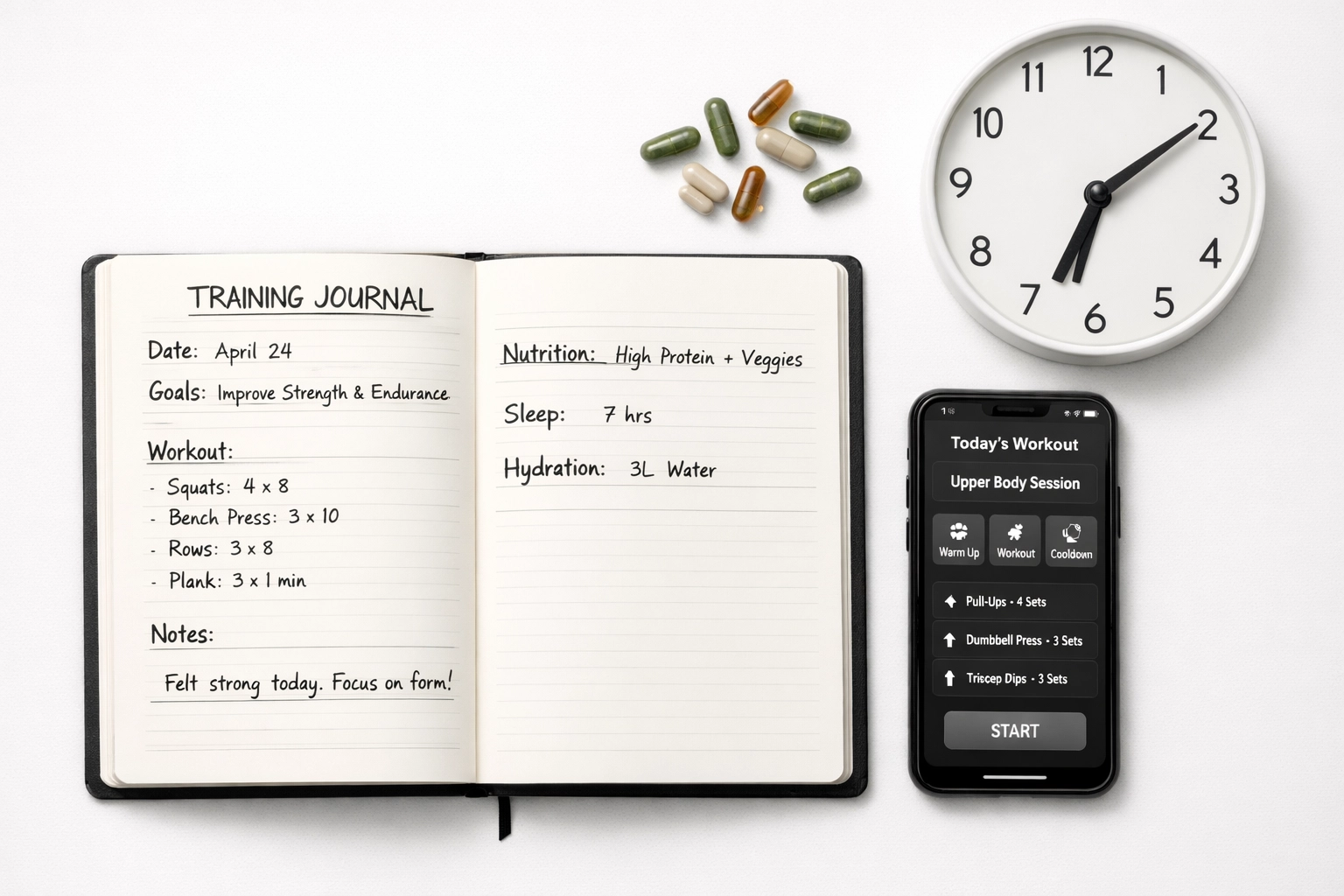
Mental clarity is wasted without a clear plan. Having a written programme eliminates decision fatigue: you know exactly what you're doing before you arrive at the gym.
3. Nutrition Timing
Your brain runs on glucose. Training fasted with nootropics won't solve the fundamental problem of inadequate fuel. Have a small carb source 1-2 hours before training.
4. Stress Management
Chronic stress undermines cognitive function. Combining nootropics with stress-reduction practices (meditation, yoga, or simply scheduled downtime) amplifies their effectiveness.
What to Expect: Realistic Timelines
Managing expectations is crucial:
Week 1-2: Acute effects from caffeine + L-theanine, guarana, or Ginkgo will be noticeable within 30-60 minutes. You'll feel sharper during training sessions.
Week 4-6: Adaptogens like Ashwagandha start showing their full effects. You'll notice it's easier to maintain motivation during stressful work weeks.
Week 8-12: Long-term nootropics like Bacopa Monnieri reach peak effectiveness. You'll realise you've been consistently training for three months without thinking about it: that's when you know it's working.
Safety and Considerations
Quality matters enormously with nootropics. Look for:
- Third-party tested products (especially important in the UK market)
- Standardised extracts with clear percentages of active compounds
- Clean labels without unnecessary fillers
Start with one nootropic at a time so you can assess how your body responds. Some people are highly sensitive to certain compounds.
When to avoid nootropics:
- If you're pregnant or breastfeeding
- If you're on medication (especially blood thinners with Ginkgo)
- If you have existing anxiety disorders (some nootropics may worsen symptoms)
Always consult with a healthcare professional before starting any new supplement regime, particularly if you have underlying health conditions.
The Bottom Line
Training consistency isn't about willpower or motivation: it's about creating the mental conditions that make showing up feel automatic. Nootropics for athletic performance give you the cognitive edge to override excuses, maintain focus under fatigue, and remember why you started in the first place.
Your physical training plan addresses your body. Your nootropic stack addresses your brain. When both are optimised, consistency stops being a battle and starts being your default setting.
The best time to start was three months ago. The second best time is today: with a clear mind and a solid plan.