In 2026, the landscape of healthcare has undergone a significant transformation. We have moved past the era where brain health was only discussed in the context of aging and neurodegenerative diseases. Today, cognitive wellness is viewed as a lifelong continuum. Whether you are a student, a high-performing professional, or an athlete, "brain wealth" has become the primary metric of overall health.
This guide explores the current state of brain health, the science behind modern nootropics, and the foundational habits required to maintain peak cognitive performance in this new frontier.
The Concept of Brain Wealth
The shift in 2026 focuses on the accumulation of "brain wealth." This term refers to your long-term cognitive reserves, your mental clarity, memory capacity, emotional resilience, and ability to handle stress. Unlike older models that focused on reactive care, the current approach is proactive.
Building brain wealth involves:
- Neuroplasticity: Strengthening the brain's ability to form new neural connections.
- Neuroprotection: Shielding the brain from oxidative stress and inflammation.
- Cognitive Reserve: Developing a "buffer" that helps the brain resist damage as you age.
By viewing brain health as an asset to be grown rather than a faculty to be lost, we can implement strategies that ensure longevity and performance simultaneously.
The 80/20 of Cognitive Longevity: Foundational Habits
While supplements and technology are rapidly advancing, they cannot replace the physiological foundations of brain health. Data from 2025 and early 2026 consistently shows that daily behaviors remain the most potent tools for cognitive optimization.
1. Sleep Hygiene and Glymphatic Clearance
Sleep is the primary mechanism for brain detoxification. During deep sleep, the glymphatic system flushes out metabolic waste, including beta-amyloid plaques. Aim for 7-9 hours of quality sleep. Use wearable tech to monitor your "Deep Sleep" and "REM" cycles to ensure your brain is actually recovering.
2. Stress Management and Cortisol Control
Chronic stress is neurotoxic. High cortisol levels can shrink the hippocampus, the area of the brain responsible for memory and learning. Implementing daily breathwork or mindfulness isn't just a lifestyle choice; it is a biological necessity for neuroprotection. To understand how specific herbs can assist in this process, read our guide on adaptogens explained.
3. Physical Activity as a Nootropic
Exercise increases Brain-Derived Neurotrophic Factor (BDNF), a protein that acts like "fertilizer" for your brain cells. High-intensity interval training (HIIT) and resistance training have both been shown to improve executive function and memory.

Understanding Nootropics in 2026
Nootropics, or "smart drugs," have moved from the fringes of biohacking into the mainstream. In 2026, the focus has shifted away from synthetic stimulants toward targeted, natural formulations that support specific neurochemical pathways.
Modern nootropics work through several key mechanisms:
- Cerebral Circulation: Increasing blood flow to the brain to deliver oxygen and glucose.
- Neurotransmitter Support: Boosting the production of acetylcholine (for memory), dopamine (for focus), and serotonin (for mood).
- Mitochondrial Support: Enhancing the energy production within brain cells.
If you are looking to start your cognitive enhancement journey, exploring a high-quality nootropics collection is an effective way to find balanced formulations.
Key Ingredients for Cognitive Optimization
The "frontier" of 2026 relies on heavily researched botanical and chemical compounds. When selecting a nootropic, look for these evidence-based ingredients:
- Bacopa Monnieri: An adaptogen that has been clinically shown to improve delayed word recall and memory acquisition. It works by supporting the repair of damaged neurons.
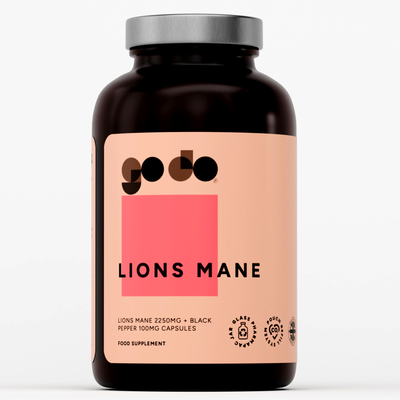
- Lion’s Mane Mushroom: This medicinal mushroom stimulates the synthesis of Nerve Growth Factor (NGF), which is essential for the growth and survival of neurons.
- Phosphatidylserine: A fatty substance (phospholipid) that covers and protects the cells in your brain and carries messages between them. It is vital for keeping your mind and memory sharp.
- L-Theanine: Usually paired with caffeine, it promotes "relaxed alertness" by increasing alpha brain waves, preventing the jitters often associated with stimulants.
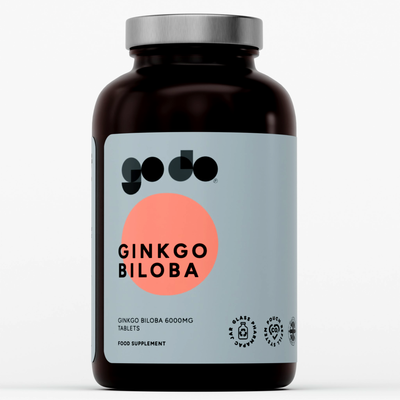
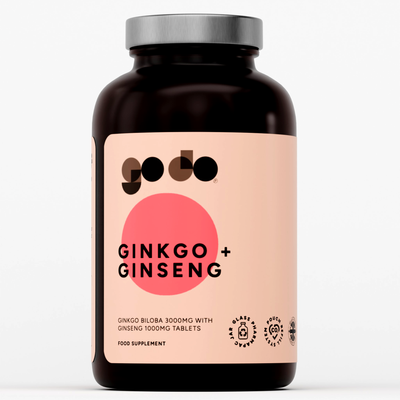
- Ginkgo Biloba: Utilized primarily for improving blood circulation to the brain, which supports focus and mental clarity.

The Role of Micronutrients and the Gut-Brain Axis
We cannot discuss brain health without mentioning the gut. The "gut-brain axis" is a two-way communication system between your central nervous system and your enteric nervous system. In 2026, we know that up to 90% of your body's serotonin is produced in the gut.
Gut Health and Mood
A compromised gut microbiome often leads to "brain fog" and mood instability. Prioritizing gut health is a prerequisite for any cognitive enhancement protocol. If the gut is inflamed, the brain will likely be inflamed as well.
Antioxidants and Neuroprotection
Oxidative stress is one of the primary drivers of cognitive decline. Consuming a wide variety of antioxidants helps neutralize free radicals that would otherwise damage delicate brain tissue.
Essential Fatty Acids
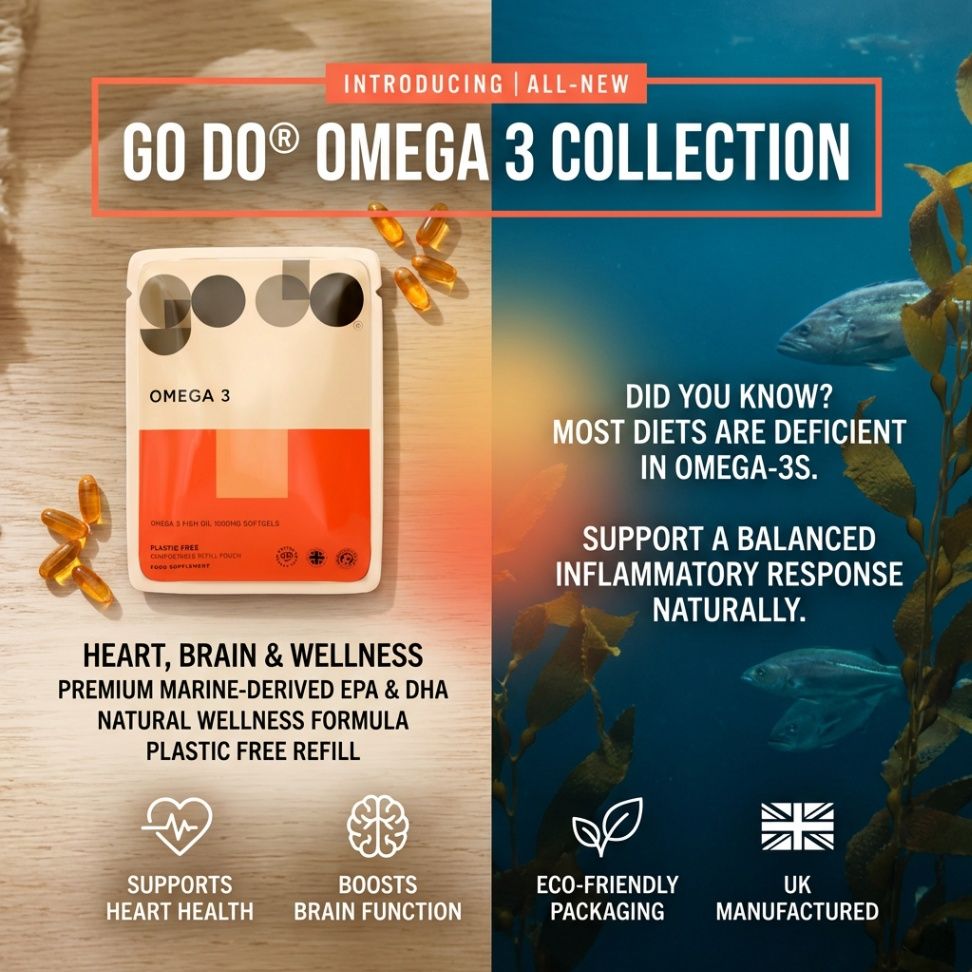
The brain is approximately 60% fat. Omega-3 fatty acids, specifically DHA and EPA, are foundational for maintaining the structural integrity of brain cell membranes.
Data-Driven Brain Health: Wearables and Biofeedback
In 2026, we no longer guess how our brain is performing; we measure it. Wearable technology now provides real-time data on cognitive load, stress levels, and even basic EEG (electroencephalogram) readings.
By tracking these metrics, you can identify "cognitive peaks" during your day, times when your brain is most capable of deep, focused work. You can also identify "cognitive troughs," indicating it’s time for a break or a recovery session. This data-driven approach allows for the precise timing of nootropic intake and work sessions, maximizing efficiency while preventing burnout.

Practical Steps to Optimize Your Brain Today
To move into the 2026 frontier of brain health, follow these actionable steps:
- Baseline Testing: Use a cognitive testing app or wearable device to establish your current mental performance levels.
- Audit Your Diet: Ensure you are getting adequate B-vitamins (B6, B12, and Folate), which are essential for homocysteine regulation, a key factor in brain atrophy.
- Strategic Supplementation: Introduce nootropics one at a time to monitor their effect on your focus and memory. Start with foundational blends found in professional Health Care collections.
- Hydration and Electrolytes: The brain is highly sensitive to dehydration. Even a 2% drop in hydration can lead to significant cognitive impairment.
- Digital Detox: Implement "deep work" periods where notifications are turned off to train your brain's ability to maintain focus, which is a dwindling resource in the modern age.
Summary: The Future is Cognitive
The 2026 frontier of brain health is defined by the integration of traditional wisdom, like the use of Bacopa and Lion's Mane, with modern data and a proactive mindset. By focusing on "brain wealth" today, you aren't just improving your productivity this afternoon; you are protecting your cognitive future for decades to come.
Consistency is the most important factor. Whether it is through sleep, diet, or the use of targeted nootropics, the daily choices you make determine the resilience of your mind.
For more information on our products or our commitment to quality, please visit our FAQs or contact us directly.
Key Takeaways
- Brain health is a continuum, not just the absence of disease.
- Foundational habits (sleep, exercise, stress management) provide 80% of the results.
- Nootropics like Lion's Mane and Bacopa support neuroplasticity and memory.
- The gut-brain axis means that a healthy gut is essential for a clear mind.
- Data and wearables allow for personalized, real-time cognitive optimization.