The internet's latest wellness obsession involves pressing your tongue to the roof of your mouth. Called "mewing," this technique has exploded across social media platforms, with millions of posts claiming it can reshape facial structure, improve jawlines, and fix breathing issues. But behind the viral videos and before-and-after photos lies a decades-old orthodontic theory that mainstream medicine largely rejected.
Dr. Mike Mew, a British orthodontist who passed away in 2020, developed these ideas through his controversial orthotropics practice. His theories about tongue posture and facial development have now reached a global audience hungry for non-surgical cosmetic improvements. The question remains: does the science support the hype, or has social media transformed legitimate breathing therapy into pseudoscientific wishful thinking?
The Origins of Orthotropics and Dr. Mike Mew's Theories
Dr. Mike Mew built upon his father Dr. John Mew's work, developing orthotropics as an alternative approach to traditional orthodontics. Rather than focusing solely on tooth alignment through braces, orthotropics emphasised the role of proper oral posture in facial development and airway function.

The core theory suggested that modern lifestyle factors: particularly soft diets and mouth breathing: led to underdeveloped facial structures. According to Mew, proper tongue posture, termed "mewing," could counteract these effects by applying gentle pressure to the maxilla (upper jaw) and encouraging forward facial growth.
Mew's approach differed fundamentally from conventional orthodontics. While traditional treatment often involved extracting teeth to create space or using headgear to restrict jaw growth, orthotropics aimed to expand the oral cavity through muscle training and postural changes. The technique involved placing the entire tongue against the roof of the mouth, not just the tip, while maintaining closed lips and nasal breathing.
The British orthodontic establishment viewed these ideas with considerable skepticism. In 2017, the General Dental Council struck off Dr. Mike Mew from the specialist register, citing concerns about his treatment methods and promotional activities. This professional rejection only seemed to fuel online interest in his theories.
The Mewing Technique and Facial Structure Claims
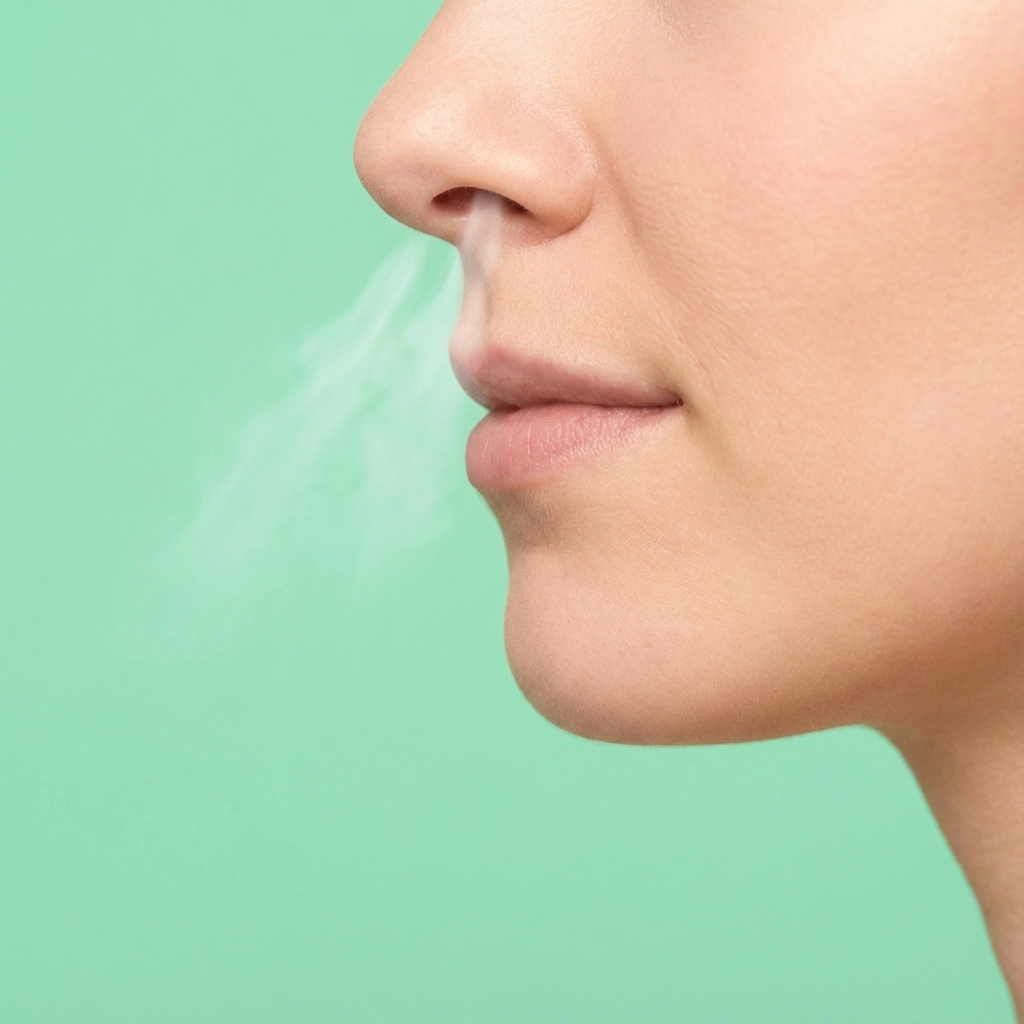
Mewing involves a specific tongue posture protocol. Practitioners press their entire tongue flat against the hard palate, extending as far back as possible while keeping the mouth closed and breathing through the nose. Proponents claim this position should be maintained throughout the day, becoming the natural resting posture.
The purported benefits extend far beyond improved breathing. Online communities share dramatic transformation photos, claiming mewing can:
- Sharpen jawlines and create more defined cheekbones
- Reduce double chins and improve neck posture
- Straighten crooked noses and improve facial symmetry
- Expand the maxilla and create more attractive facial proportions
- Reduce under-eye bags and improve overall facial aesthetics
These claims rely on the assumption that sustained pressure from tongue muscles can remodel bone structure in adults. However, this contradicts established understanding of skeletal development, which shows that significant bone remodelling requires substantial mechanical forces: far greater than tongue pressure can provide.

Research on cranial bone plasticity in adults remains limited. While some studies suggest minor changes are possible through prolonged mechanical stress, the magnitude of transformation shown in viral mewing videos appears highly unlikely through tongue posture alone. Many dramatic before-and-after photos likely reflect changes in camera angles, lighting, weight loss, or normal aging rather than structural bone remodelling.
Evidence-Based Benefits of Nasal Breathing
While mewing's cosmetic claims lack scientific support, the emphasis on nasal breathing does align with established research. Nasal breathing provides several measurable physiological advantages over mouth breathing.
The nasal cavity filters, warms, and humidifies incoming air more effectively than mouth breathing. Nasal breathing also increases nitric oxide production, which improves oxygen uptake in the lungs and supports cardiovascular function. Studies show nasal breathing during exercise can improve athletic performance and reduce perceived exertion compared to mouth breathing.
Chronic mouth breathing, particularly during childhood, can contribute to dental problems, sleep disruption, and facial development issues. Children who habitually breathe through their mouths may develop longer, narrower faces and experience more dental crowding. However, these developmental effects primarily occur during periods of active growth, not in adults with fully formed facial structures.
Sleep quality also benefits from nasal breathing. Mouth breathing during sleep can worsen snoring and contribute to sleep apnea symptoms. Myofunctional therapy, which includes tongue strengthening exercises similar to mewing, has shown promise in reducing mild sleep apnea symptoms in clinical trials.
Professional Skepticism from Orthodontists and Maxillofacial Surgeons
The orthodontic community's rejection of orthotropics stems from multiple concerns about both the underlying theory and treatment approach. Professional dental organisations, including the British Orthodontic Society, have consistently questioned the evidence base supporting orthotropic treatment.
Critics point to the lack of high-quality clinical trials demonstrating orthotropics' effectiveness. While Dr. Mew published case studies and theoretical papers, rigorous controlled studies comparing orthotropic treatment to conventional approaches remain limited. The dramatic transformations showcased in orthotropic literature often lack proper controls for normal growth patterns or other confounding factors.
Maxillofacial surgeons express particular concern about claims that tongue posture can replace surgical intervention for significant skeletal discrepancies. Conditions like severe underbites, overbites, or facial asymmetries typically require surgical correction to achieve meaningful functional and aesthetic improvements. Suggesting that tongue exercises can provide equivalent results may delay necessary treatment.
The timing of intervention also raises red flags for orthodontic professionals. While some facial development may be possible during adolescent growth spurts, the window for non-surgical skeletal modification closes once facial bones have fully matured. Most mewing practitioners are adults well beyond this developmental period.
The Online Community and Looksmaxxing Culture
Mewing's viral spread through social media intersected with specific online communities focused on appearance enhancement. The "looksmaxxing" movement, which emphasises maximising physical attractiveness through various techniques, adopted mewing as a cornerstone practice.
These communities, particularly popular among young men, often promote mewing alongside other appearance-focused behaviors like specific exercise routines, skincare regimens, and dietary changes. While some participants maintain healthy perspectives on self-improvement, others develop concerning obsessions with facial aesthetics.
The incel (involuntarily celibate) community's adoption of mewing reflects deeper issues around body dysmorphia and unrealistic appearance standards. Some participants become convinced that minor facial changes through mewing will dramatically improve their social and romantic prospects, leading to unrealistic expectations and potential disappointment.
Social media algorithms amplify the most dramatic transformation claims, creating selection bias toward exceptional cases. Users rarely post about lack of results, and successful posts may reflect multiple variables beyond mewing practice. This creates a distorted perception of the technique's typical effectiveness.
Legitimate Myofunctional Therapy vs Pseudoscientific Claims
Professional myofunctional therapy shares some similarities with mewing but operates within an evidence-based framework. Licensed myofunctional therapists work with patients to improve oral muscle function, typically addressing specific issues like tongue thrust, swallowing disorders, or mild sleep-disordered breathing.
Legitimate myofunctional therapy involves comprehensive assessment, specific exercise protocols, and realistic outcome expectations. Treatment typically focuses on functional improvements: better swallowing patterns, reduced mouth breathing, or improved sleep quality: rather than dramatic facial restructuring.
The exercises used in myofunctional therapy may include tongue strengthening and positioning similar to mewing. However, professional treatment emphasises gradual progression, proper technique guidance, and regular monitoring. Therapists also coordinate with other healthcare providers to address underlying issues contributing to oral dysfunction.
Research supporting myofunctional therapy focuses on measurable functional outcomes. Studies have shown benefits for reducing snoring, improving mild sleep apnea symptoms, and correcting certain swallowing disorders. However, these studies typically involve structured treatment protocols administered by qualified professionals, not self-directed tongue posturing.
The key distinction lies in realistic expectations and professional oversight. While myofunctional therapy may produce modest improvements in breathing function and oral health, it doesn't promise dramatic facial transformation or replacement of necessary medical treatment.
Practical Considerations and Safety Concerns
For individuals interested in improving nasal breathing and oral posture, several practical considerations apply. Proper tongue posture may indeed benefit those who habitually breathe through their mouths, but expecting dramatic facial changes sets unrealistic expectations.
Focusing on nasal breathing throughout the day can provide legitimate benefits for respiratory health and sleep quality. Simple awareness exercises: consciously breathing through the nose during daily activities: may help establish better breathing patterns without the obsessive monitoring that characterises some mewing communities.
However, individuals with structural nasal problems, chronic congestion, or sleep apnea should address underlying medical issues rather than relying solely on tongue posture. Deviated septums, enlarged tonsils, or other anatomical factors may require professional treatment to enable effective nasal breathing.

The psychological aspects of mewing obsession also warrant consideration. Spending excessive time monitoring facial changes or comparing before-and-after photos can contribute to body dysmorphic tendencies. Healthy approaches to self-improvement focus on overall wellness rather than fixating on specific physical features.
The Bottom Line on Mewing and Mouth Breathing
The mewing phenomenon represents a complex intersection of legitimate breathing science, questionable cosmetic claims, and social media amplification. While proper nasal breathing and oral posture do provide measurable health benefits, the dramatic facial transformation promises lack scientific support.
Dr. Mike Mew's orthotropic theories challenged conventional orthodontic thinking, but the professional medical rejection reflected genuine concerns about evidence quality and treatment efficacy. The mainstream adoption of mewing through social media has largely stripped away the clinical context, leaving viral claims without proper professional oversight.
For individuals concerned about breathing patterns or oral health, consulting qualified healthcare providers remains the most reliable approach. Myofunctional therapists, orthodontists, and sleep specialists can provide evidence-based assessment and treatment for legitimate breathing and oral function issues.
The nasal breathing component of mewing does offer genuine benefits, but these can be achieved through simple awareness and practice rather than obsessive tongue positioning. Focusing on overall health, including proper sleep, nutrition, and exercise, provides more reliable improvements in appearance and wellbeing than pursuing dramatic facial restructuring through tongue posture alone.
Ultimately, mewing's mainstream popularity reflects broader desires for accessible, non-invasive appearance enhancement. However, separating evidence-based breathing improvements from pseudoscientific transformation promises remains essential for realistic expectations and genuine health benefits.