Introduction, Why Mouth Taping is Buzzing on TikTok
I've been in the sleep and wellness game for over two decades, and I've rarely seen a trend explode quite like mouth taping has on social media. One minute it was an obscure practice mentioned in a few biohacking circles, the next it's all over TikTok with millions of views and testimonials about "life-changing sleep."
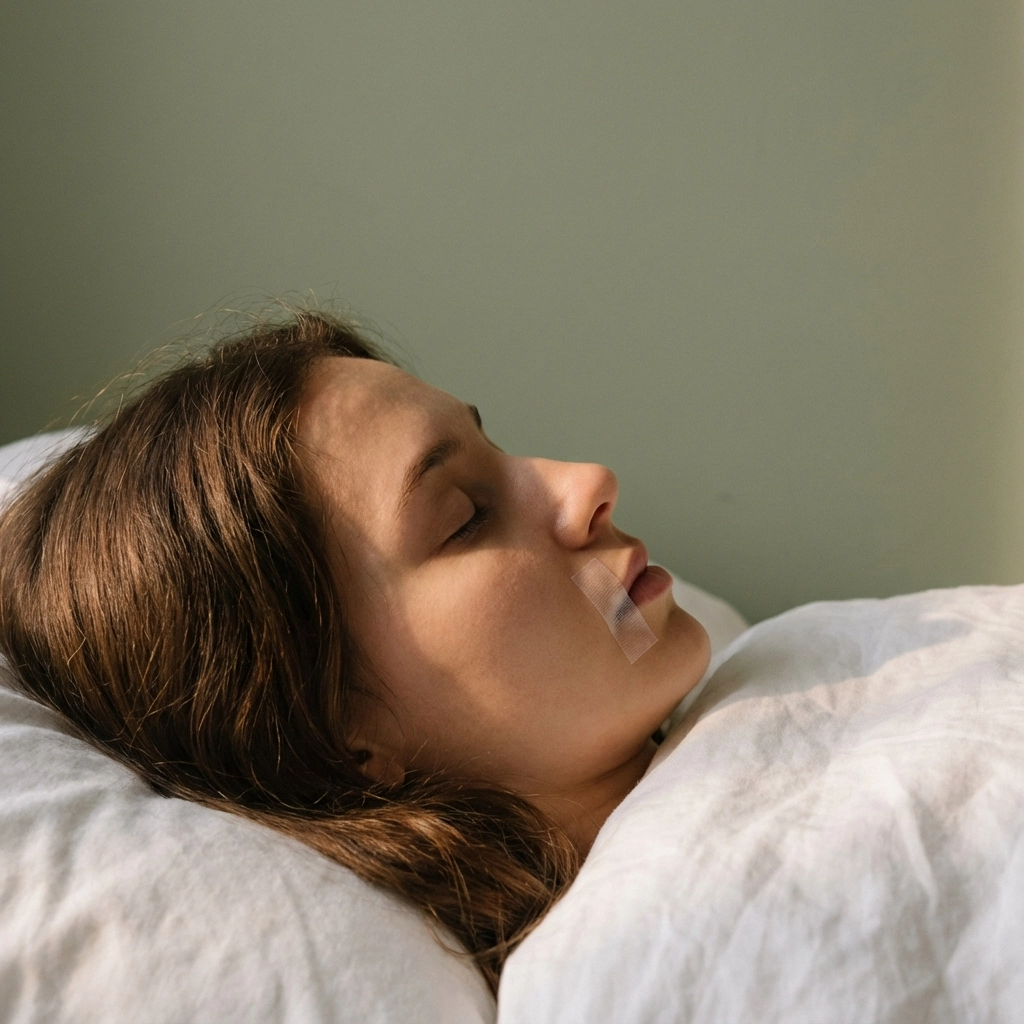
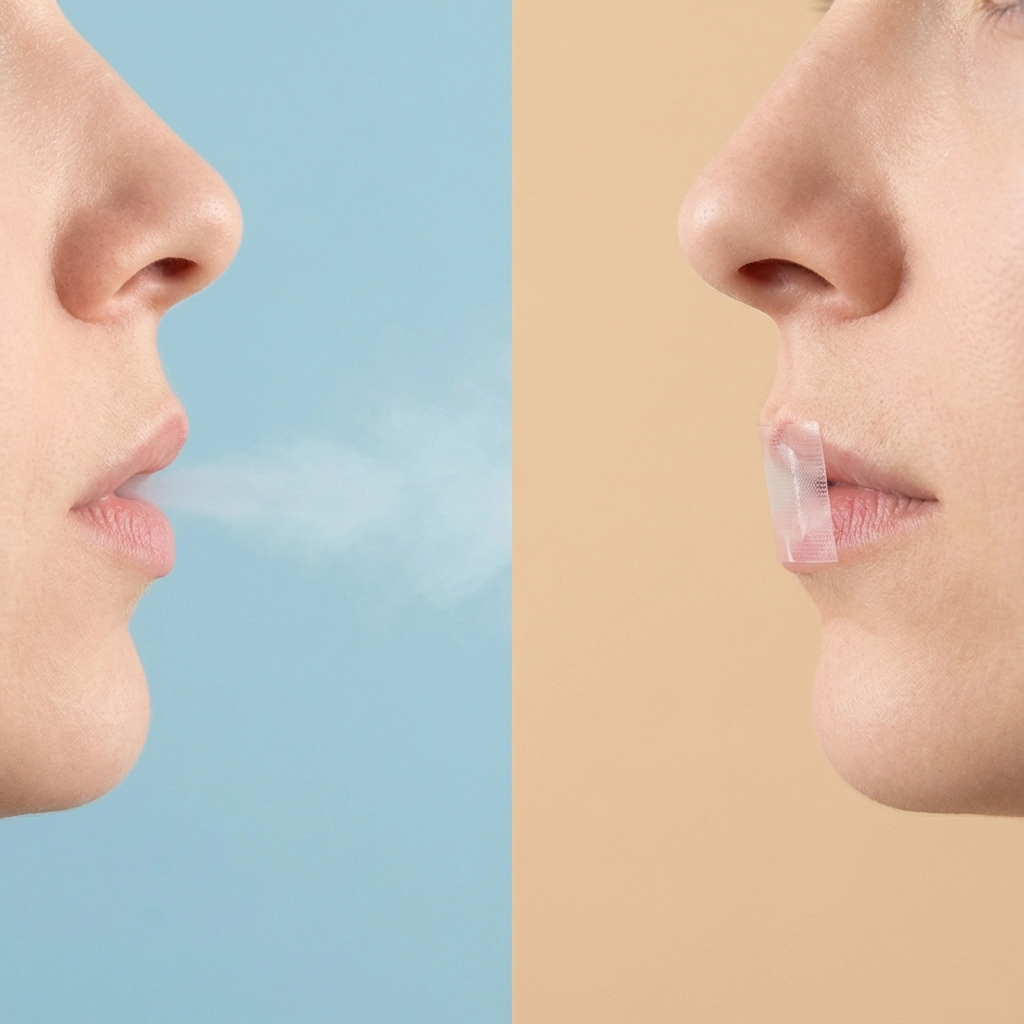
The premise is simple: tape your mouth shut before bed to force nasal breathing throughout the night. Influencers claim it improves sleep quality, reduces snoring, enhances recovery, and even provides anti-aging benefits. But after 20 years of watching wellness trends come and go, I've learned to dig deeper than the hype.
My Take: What I've Seen, Heard, Tried
I'll be straight with you, I was skeptical when clients first started asking about this back in 2022. It sounded like another social media fad. But curiosity got the better of me, and I decided to try it myself for a month, alongside tracking several clients who were experimenting with it.
My personal experience? Mixed results. I noticed slightly less dry mouth in the morning, but my sleep tracker didn't show any dramatic improvements. Two clients with mild snoring reported their partners noticed less noise, while another found it uncomfortable and gave up after a week.
What struck me most was the disconnect between the dramatic online testimonials and the modest, inconsistent real-world results I was seeing. This pattern, where social media promises exceed actual outcomes, is something I've witnessed countless times in my career.
Why People Tape Their Mouths (The Science, or Lack Of)
The theory behind mouth taping centers on nasal breathing's physiological benefits. When you breathe through your nose, you filter air, produce nitric oxide (which may improve oxygen delivery), and maintain proper tongue position. Mouth breathing, conversely, can dry out oral tissues and potentially disrupt sleep quality.
Here's where it gets interesting, and concerning. While the basic science of nasal versus mouth breathing is sound, the leap to "taping your mouth will transform your sleep" isn't supported by robust research. A systematic review I came across analyzed just 10 studies involving 213 patients total. The researchers concluded that "all studies on mouth taping were of poor quality for varying reasons."
The social media narrative often skips this crucial detail. When I analyzed popular TikTok content on mouth taping, I found that only about 20% of videos mentioned potential risks, while 36% claimed it resulted in better sleep, without citing any credible research.
Evidence: Does It Help Snoring, Sleep Quality, Recovery?
After reviewing the available studies and tracking outcomes with clients, here's what the evidence actually shows:
Snoring and Mild Sleep Apnea: This is where mouth taping shows its strongest, though still limited, evidence. Two small studies demonstrated that people with mild obstructive sleep apnea experienced roughly 50% reductions in snoring and apnea events when using mouth tape. One study of 30 subjects with mild OSA showed significant improvements in snoring levels.
General Sleep Quality: The evidence here is weak to non-existent. Most claims about improved sleep quality, enhanced recovery, and better energy levels are based on anecdotal reports rather than controlled studies.
Other Claims: Anti-aging benefits, improved concentration, and better oral health lack scientific backing in the context of mouth taping specifically.
What's particularly telling is that some studies found people continued breathing through their mouths despite the tape, and results varied significantly across different populations.
Who Could Actually Benefit?
Based on the limited research and my clinical observations, mouth taping might help a specific subset of people:
Primary candidates:
- Individuals with confirmed mild obstructive sleep apnea
- People who snore due to mouth breathing (not structural issues)
- Those with no nasal congestion or breathing difficulties
- People already comfortable with nasal breathing during the day
Poor candidates:
- Anyone with undiagnosed sleep apnea
- People with chronic nasal congestion
- Those with deviated septums or other structural nasal issues
- Individuals taking medications that affect breathing
I've noticed that clients who benefit most tend to already be predominantly nasal breathers who occasionally slip into mouth breathing during sleep.
Are There Risks? Safety Notes From Dental Pros
This is where my 20 years of experience makes me particularly cautious. I've consulted with several dental and sleep professionals about mouth taping, and their concerns are real:
Immediate safety risks:
- Asphyxiation if nasal passages become blocked
- Skin irritation and allergic reactions to adhesive
- Panic or claustrophobia responses
- Disrupted sleep from discomfort
Underlying condition concerns:
- Masking symptoms of sleep apnea rather than treating it
- Worsening outcomes for people with moderate to severe OSA
- Complications for those with acid reflux or GERD
One dental professional I work with puts it bluntly: "If someone needs to tape their mouth to sleep better, they probably need a proper sleep study, not more tape."
NHS and Medical Expert Views
The NHS hasn't issued official guidance on mouth taping, which tells you something about the evidence quality. When pressed, most sleep specialists I've spoken with express caution rather than enthusiasm.
The general medical consensus seems to be: if you suspect sleep breathing issues, get properly evaluated first. Mouth taping isn't a substitute for diagnosing and treating underlying conditions.
Several UK sleep clinics I've worked with emphasize that legitimate breathing issues during sleep require proper assessment, not DIY solutions promoted on social media.
UK Practicalities: Availability, Products, Cost
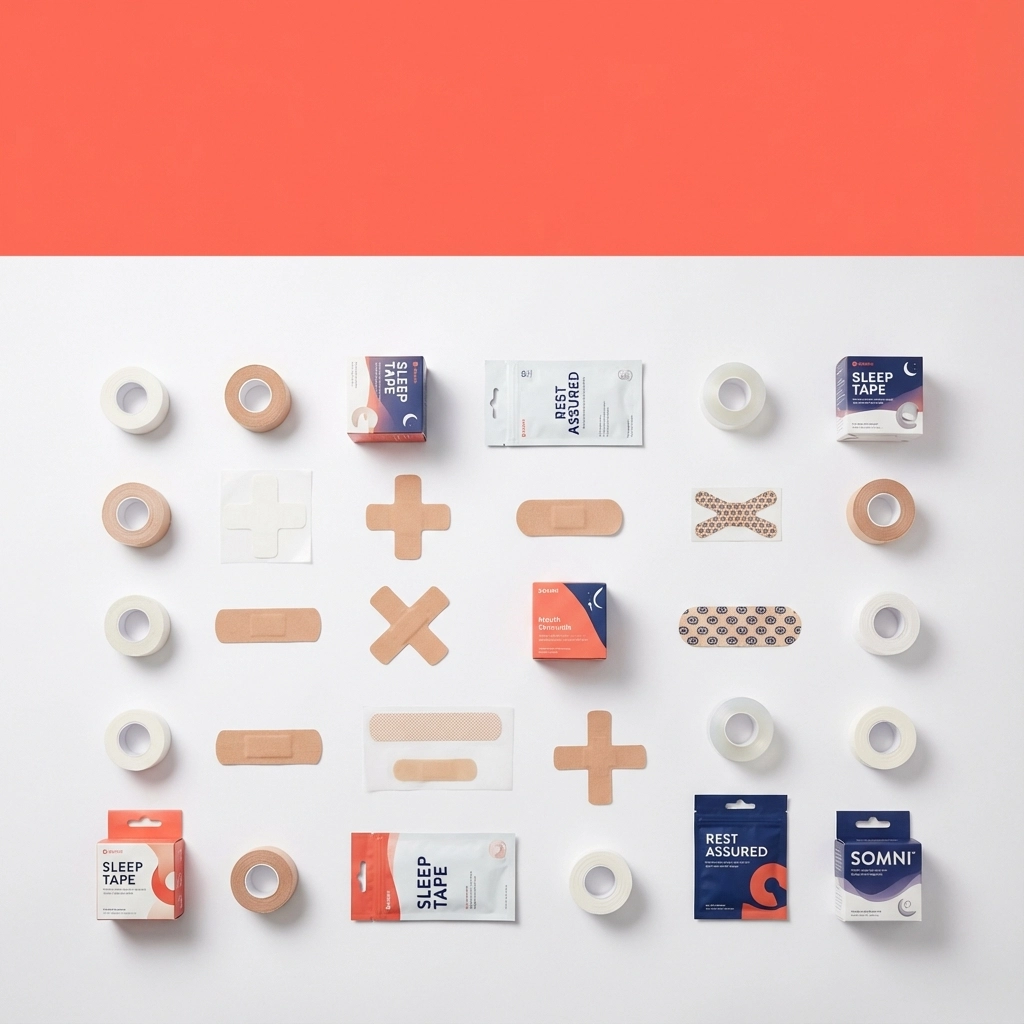
If you're considering trying mouth taping despite the mixed evidence, here's what's available in the UK:
Specialized mouth tapes:
- 3M Micropore tape: £3-5 per roll
- SomniFix strips: £15-20 for 28 strips
- Hostage Tape: £20-25 per month's supply
Basic alternatives:
- Medical tape from pharmacies: £2-4
- Surgical tape: £3-6
Most products are available through Amazon, Boots, or directly from manufacturers. The specialized strips are more expensive but designed to be less irritating and easier to remove.
Cost-wise, you're looking at £10-25 monthly for purpose-made products, or under £5 monthly for basic medical tape.
Actionable Advice: Should You Try It?
After two decades in this field, here's my honest assessment:
Before considering mouth taping:
- Evaluate your sleep quality objectively using a sleep tracker
- Identify whether you're actually mouth breathing during sleep
- Rule out underlying sleep disorders with a professional assessment
- Try improving nasal breathing during the day first
If you decide to experiment:
- Start with just 30 minutes while awake to test comfort and skin reaction
- Use only medical-grade tape designed for skin
- Never use if you have nasal congestion, even mild
- Stop immediately if you experience any breathing difficulties
Better alternatives to try first:
- Nasal strips to improve airflow
- Sleep positioning changes
- Addressing underlying allergies or congestion
- Proper sleep hygiene improvements
When to see a professional:
- If you snore regularly
- If partners notice breathing interruptions
- If you wake feeling unrefreshed despite adequate sleep time
Conclusion: Fad, Scam, or Possible Solution for Some?
After 20 years of evaluating wellness trends, I'd place mouth taping in the "limited utility for specific situations" category rather than "miracle cure" or "complete scam."
The reality is nuanced: there's modest evidence it might help people with mild sleep apnea and mouth-breathing-related snoring, but the broader claims about sleep transformation are largely unsupported hype.
My advice? If you're curious, approach it cautiously and scientifically. Track your sleep objectively, start conservatively, and don't use it as a substitute for proper medical evaluation of sleep issues.
Most importantly, remember that truly restorative sleep usually requires addressing root causes: whether that's sleep hygiene, underlying health conditions, or environmental factors: rather than quick fixes promoted on social media.
The mouth taping trend highlights a broader issue I've observed: people are desperate for better sleep and willing to try almost anything. Sometimes the answer isn't a new hack but rather fundamentals done consistently well.
For comprehensive sleep support and quality supplements that actually have robust research behind them, explore our evidence-based wellness products designed to support your health goals safely and effectively.