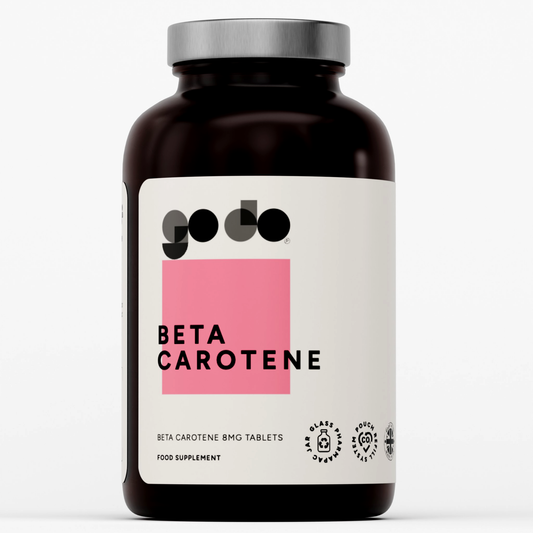
When most people think about sustainable fitness, they picture bamboo yoga mats, recycled polyester activewear, or solar-powered gyms. These visible changes matter, but there's a massive blind spot hiding in plain sight: supplement packaging.
The fitness supplement industry produces billions of plastic containers annually, yet this environmental impact remains largely ignored by consumers focused on choosing between whey and plant protein. While you're carefully selecting eco-friendly workout gear, those monthly supplement orders might be undermining your sustainability goals more than you realise.
The Hidden Environmental Cost of Your Supplement Routine
Your typical fitness supplement collection tells an environmental story that's rarely discussed. That 2kg protein tub? It's likely made from virgin plastic that will outlast your training programme by centuries. The monthly vitamin bottles? They're often single-use containers that can't be recycled in standard UK systems.

Research shows that packaging accounts for approximately 30% of household waste in the UK, with supplement containers representing a growing segment. Unlike food packaging, which at least has recycling infrastructure, supplement containers often use mixed materials: plastic bodies with aluminium seals and paper labels: making them nearly impossible to recycle effectively.
The numbers paint a stark picture. A typical serious fitness enthusiast might go through 12-15 supplement containers annually. Multiply this by the UK's estimated 10 million regular gym users, and you're looking at over 120 million containers entering the waste stream each year from fitness supplements alone.
Why Traditional Supplement Packaging Fails Sustainability Tests
Most supplement packaging follows outdated design principles that prioritise shelf appeal over environmental responsibility. Here's what's wrong with the current system:
Oversized Containers: Protein powder tubs are often 40-50% larger than needed, using excess plastic to create shelf presence. This "air shipping" wastes transportation fuel and storage space.
Mixed Materials: The typical supplement bottle combines multiple material types: HDPE plastic body, PP cap, aluminium freshness seal, and adhesive labels. UK recycling centres can't efficiently separate these components.
Single-Use Design: Unlike food jars that consumers might repurpose, supplement containers rarely get second lives due to residue concerns and awkward shapes.
Transportation Inefficiency: Bulky containers increase shipping emissions. A month's worth of capsules could fit in your palm, yet arrives in containers large enough for six months' supply.
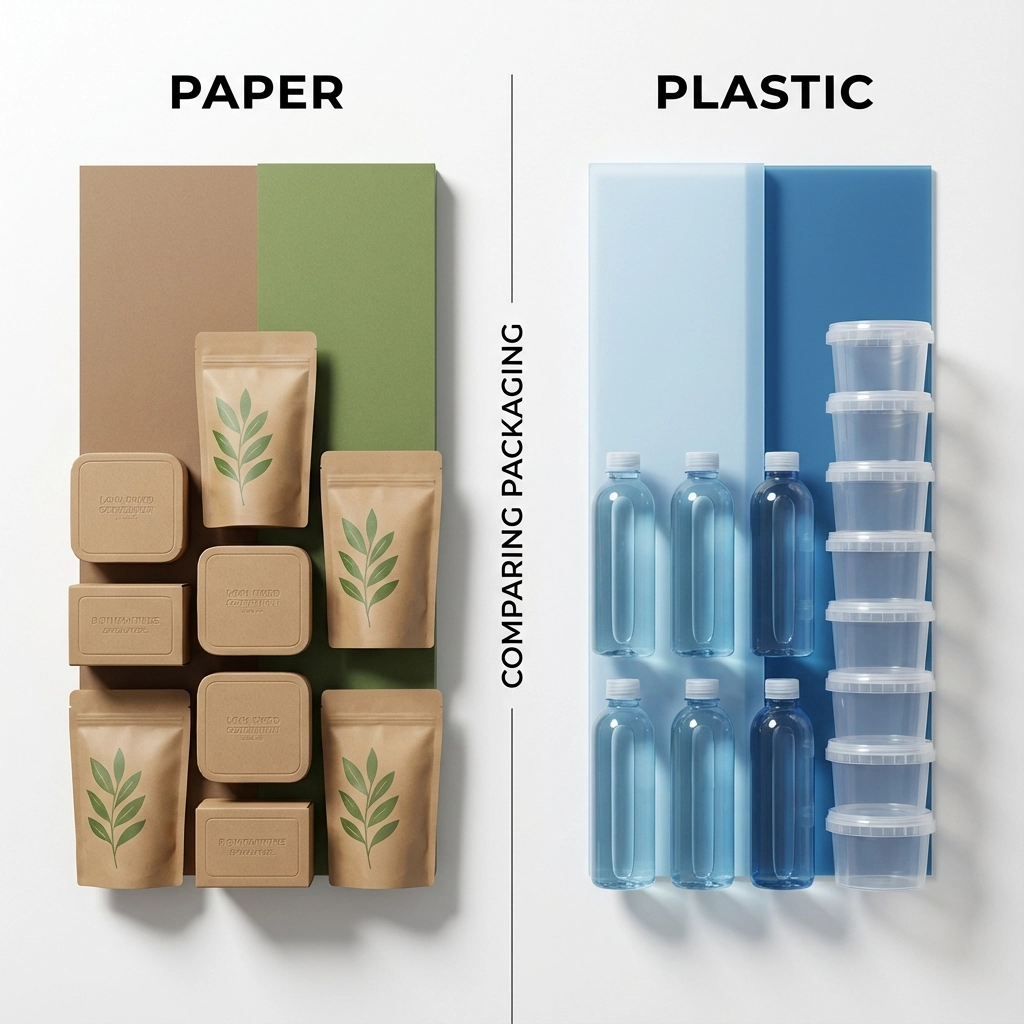
Paper vs Plastic: The Packaging Face-Off
The supplement packaging debate centres on material choice, but the reality is more nuanced than "paper good, plastic bad."
Plastic Bottles: The Current Standard
Advantages: Excellent moisture barrier, lightweight for shipping, tamper-evident sealing, extended shelf life
Disadvantages: Petroleum-based production, poor recycling rates (less than 15% for supplement containers), 400+ year decomposition timeline
Paper-Based Alternatives
Advantages: Renewable source materials, easier recycling integration, biodegradable options available, 60-90% lower carbon footprint
Disadvantages: Moisture sensitivity requiring inner barriers, potential contamination from inks and coatings, shorter shelf life for certain supplements
The Reality: Pure paper works well for dried herbs and some vitamins, but most supplements need barrier protection. The best paper solutions use minimal plastic linings or water-based coatings that maintain recyclability.
Game-Changing Alternatives: Bulk Refills and Concentrated Formulas
Progressive supplement companies are reimagining delivery systems entirely. Here are the innovations making real environmental impact:
Refillable Container Systems
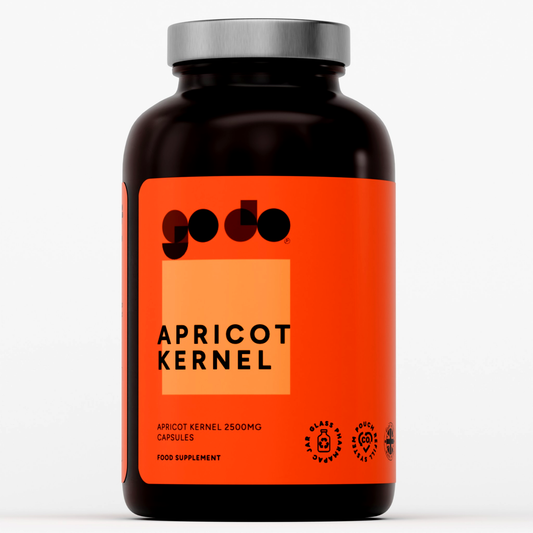
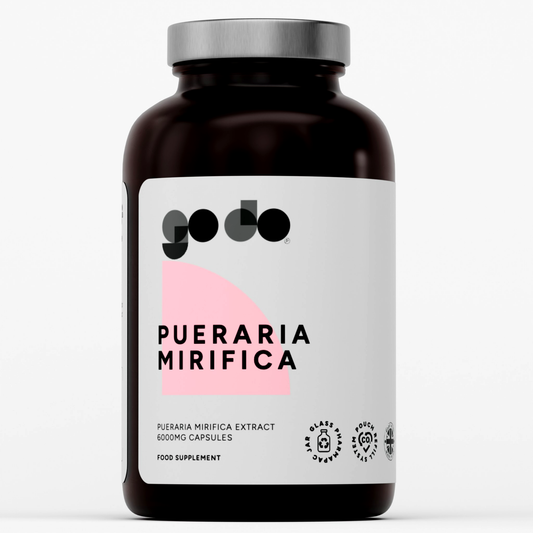
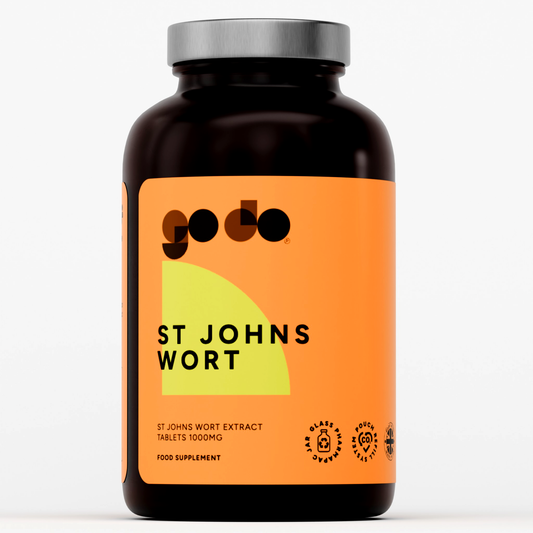
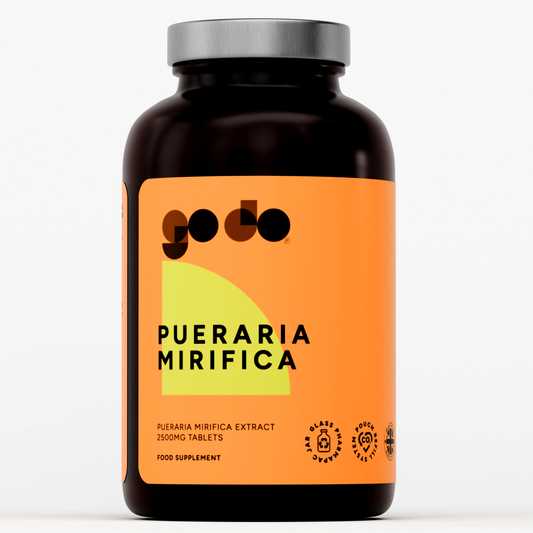
Several UK companies now offer durable glass or steel containers with refill pouches. You buy the container once, then order refills in minimal packaging. This reduces packaging waste by up to 85% after the initial purchase.
Concentrated Formulas
Instead of shipping water weight, concentrated supplements deliver the same nutrition in smaller packages. Electrolyte tablets replace sports drink powders. Concentrated protein powders need 40% less packaging per serving.
Bulk Subscription Models
Some suppliers offer quarterly bulk deliveries in large, industrial-style containers that you portion yourself. While requiring more user involvement, this approach can reduce per-serving packaging by 70%.
UK Market Leaders Setting New Standards
British supplement companies are pioneering packaging innovations:
Bulk Powders introduced refillable containers and paper-based pouches for selected products. Their refill system has prevented an estimated 2.3 million plastic containers from entering UK waste streams since 2022.
Kinetica Sports partnered with recycling specialists to create supplement containers from 75% recycled ocean plastic, completing the circular economy loop.
Natural Health Practice offers many supplements in glass bottles with metal lids: both infinitely recyclable: though at higher cost points.
These companies prove that sustainable supplement packaging isn't just possible; it's profitable when consumers understand the environmental value proposition.
How Fitness Health Approaches Eco-Responsible Packaging
Fitness Health recognises that supplement sustainability extends beyond ingredient sourcing to packaging responsibility. Our approach focuses on practical improvements that reduce environmental impact without compromising product integrity.
We've transitioned appropriate products to recyclable containers and work with suppliers who prioritise sustainable packaging innovations. For products requiring specialised storage: like our Vitamin D3 4000IU with K2: we ensure packaging efficiency while maintaining potency and safety.

Our goal is packaging that protects both your supplements and the environment, recognising that truly sustainable fitness requires considering every aspect of your routine.
Practical Steps for Eco-Conscious Supplement Purchasing
Transform your supplement routine with these actionable strategies:
Before You Buy
- Calculate actual needs: Buy 30-60 day supplies instead of bulk quantities that might expire
- Choose concentrated formulas when available: tablets over powders, powders over ready-to-drink
- Research company policies: Look for refill programmes, sustainable packaging commitments, or recycling partnerships
Smart Shopping Strategies
- Prioritise glass containers for long-term supplements like vitamins
- Select paper packaging for herbs, teas, and stable compounds
- Consolidate orders to reduce shipping frequency and packaging waste
- Join refill programmes where available: even 20% packaging reduction multiplies across years
After Purchase
- Properly recycle containers: Remove labels, rinse thoroughly, and verify local recycling guidelines
- Repurpose appropriate containers for bulk storage or organisation
- Support sustainable brands with repeat purchases and reviews highlighting eco-friendly packaging
Advanced Strategies
- Buy direct from manufacturers to eliminate double packaging from distributors
- Consider powder alternatives to capsules when bioavailability allows
- Join buying groups for bulk purchasing with shared large containers
The Real Cost of Ignoring Supplement Packaging
Environmental impact calculations reveal surprising truths about supplement packaging waste. A typical protein user generates approximately 12kg of packaging waste annually: equivalent to the weight of 12 protein powder servings. This waste-to-product ratio highlights the inefficiency of current packaging systems.
Beyond environmental concerns, sustainable packaging often indicates company values that extend to ingredient quality, ethical sourcing, and customer service. Companies investing in eco-friendly packaging typically maintain higher standards across their operations.
Making Sustainable Choices Without Compromising Results
Sustainable supplement packaging doesn't require sacrificing quality or convenience. Many eco-friendly options actually improve user experience through better design and reduced waste.
The key is shifting from impulse purchases to informed decisions. Spend five minutes researching packaging policies before ordering. Choose companies demonstrating genuine sustainability commitments rather than greenwashing marketing.
Your supplement choices reflect your values. If environmental responsibility matters in your workout gear selection, it should influence your supplement decisions too. Every container you choose sends market signals about consumer priorities.
Sustainable fitness isn't just about solar-powered gyms or recycled yoga mats. It's about recognising that your entire fitness ecosystem: including the supplements supporting your goals: impacts the environment. By choosing thoughtfully packaged supplements, you're completing the sustainability circle and proving that high-performance fitness and environmental responsibility aren't mutually exclusive.
The next time you order supplements, remember: the container matters as much as the contents. Your choice to support sustainable packaging helps build the market demand necessary for industry-wide change, creating a fitness culture that truly supports both personal and planetary health.