The UK supplement industry is undergoing a packaging revolution. With consumers increasingly demanding sustainable options and the UK government tightening regulations around plastic waste, supplement brands face mounting pressure to adopt eco-friendly packaging solutions. By 2026, the brands that lead this shift will capture market share from those clinging to outdated packaging methods.
This comprehensive analysis examines the UK's most innovative eco-friendly supplement packaging companies, comparing their technologies, costs, and practical applications for brands looking to make the switch.
The Current UK Supplement Packaging Problem
Traditional supplement packaging relies heavily on plastic bottles, blister packs with PVC backing, and multi-layer pouches that combine different materials: making recycling virtually impossible. The average UK household purchases 12-15 supplement bottles annually, contributing to the 2.3 million tonnes of packaging waste generated yearly.
The shift toward sustainable packaging isn't just environmental: it's economic. Research shows UK supplement consumers will pay up to 13% more for products in eco-friendly packaging, making sustainability a competitive advantage rather than a cost burden.
Leading UK Eco-Friendly Packaging Innovators
SmartSolve: The Multi-Material Solution
SmartSolve transforms packaging using dissolvable, compostable, and recyclable materials derived from FSC-certified wood pulp fibers and natural cellulose. Their approach works across multiple packaging formats: from labels and pouches to rigid containers.
Strengths:
- Versatile application across packaging types
- FSC certification ensures responsible forestry
- Multiple end-of-life options (dissolve, compost, recycle)
Considerations:
- Higher upfront costs compared to traditional materials
- Requires specific storage conditions to prevent premature dissolution
- Limited barrier properties for moisture-sensitive supplements
Best For: Brands seeking flexible packaging solutions across product lines
Planetpacks: Advanced Barrier Technology
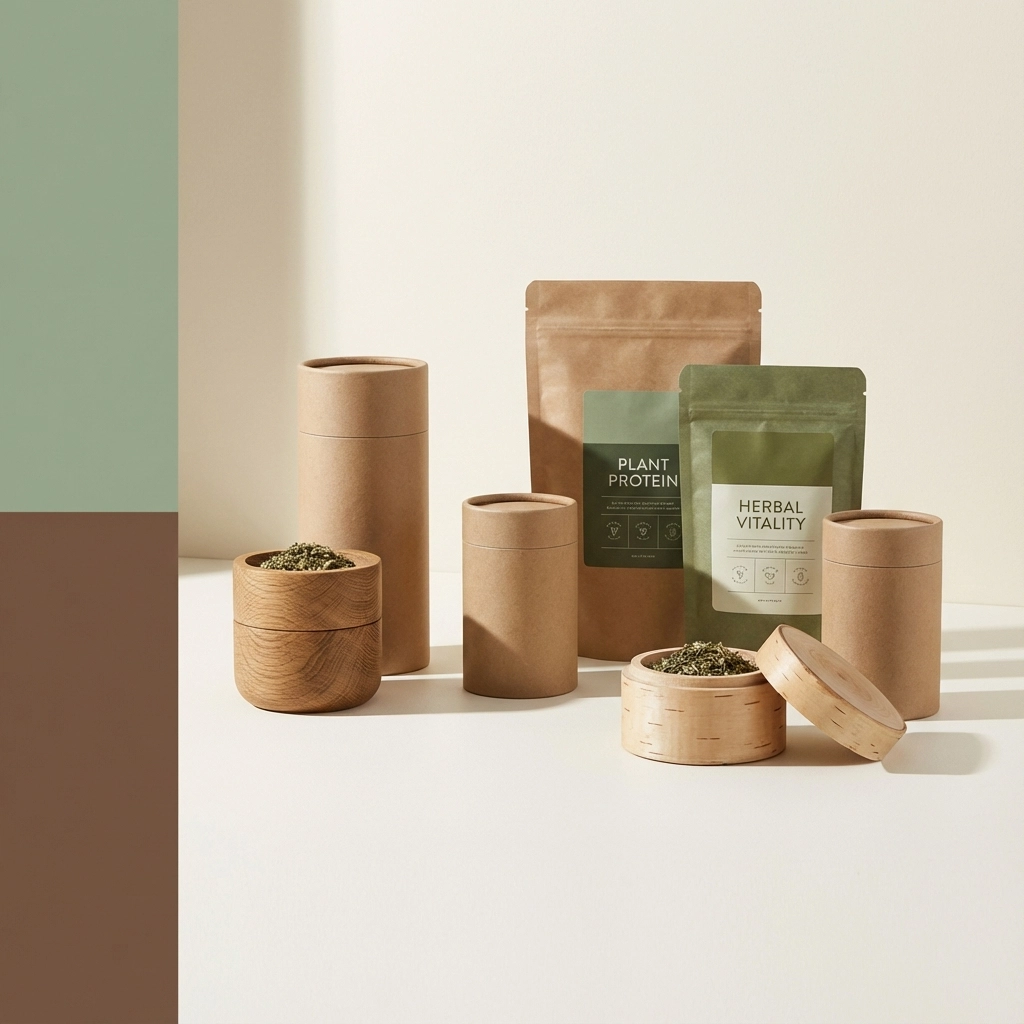
Based in London, Planetpacks specializes in compostable pouches crafted from plant-based materials. Their proprietary Plantshield technology addresses the critical challenge of maintaining product integrity while using sustainable materials.
Strengths:
- Plantshield technology provides moisture, UV, gas, and aroma protection
- Home compostable certification
- Suitable for powder and tablet supplements
Considerations:
- Limited to flexible packaging formats
- Higher material costs than conventional plastic
- Requires industrial composting for optimal breakdown
Best For: Powder supplements, protein powders, and vitamin sachets requiring extended shelf life
Biofuture: Food-Grade Bioplastics
Operating from Bishop's Stortford, Biofuture produces compostable packaging from bioplastics. While primarily focused on food packaging, their solutions translate effectively to supplement applications requiring minimal contamination risk.
Strengths:
- Compatible with existing food waste systems
- Range of packaging formats available
- Established supply chain for bulk orders
Considerations:
- Limited supplement-specific testing data
- Biodegradation requires specific composting conditions
- May not meet barrier requirements for certain active ingredients
Best For: Solid supplements with minimal moisture sensitivity
Notpla: Algae-Based Innovation
Notpla represents the cutting edge of sustainable packaging with algae-based compostable films. This London-based company offers a genuinely renewable material source that doesn't compete with food crops.
Strengths:
- Algae source is infinitely renewable
- Marine-safe if disposed of improperly
- Excellent transparency for product visibility
Considerations:
- Early-stage technology with limited production capacity
- Higher costs due to novel manufacturing process
- Limited barrier testing for supplement applications
Best For: Forward-thinking brands willing to invest in next-generation materials
Material Innovation Trends for 2026
The supplement packaging industry is experiencing rapid material innovation. Bio-based materials now offer comparable barrier properties to traditional plastics while maintaining compostability. Post-consumer recycled (PCR) content integration allows brands to use recycled materials without sacrificing functionality.
Advanced coating technologies enable recyclable packaging with enhanced moisture and oxygen barriers: critical for supplements containing probiotics, omega-3 fatty acids, or other sensitive compounds.
Breakthrough Technology: The Boardio System
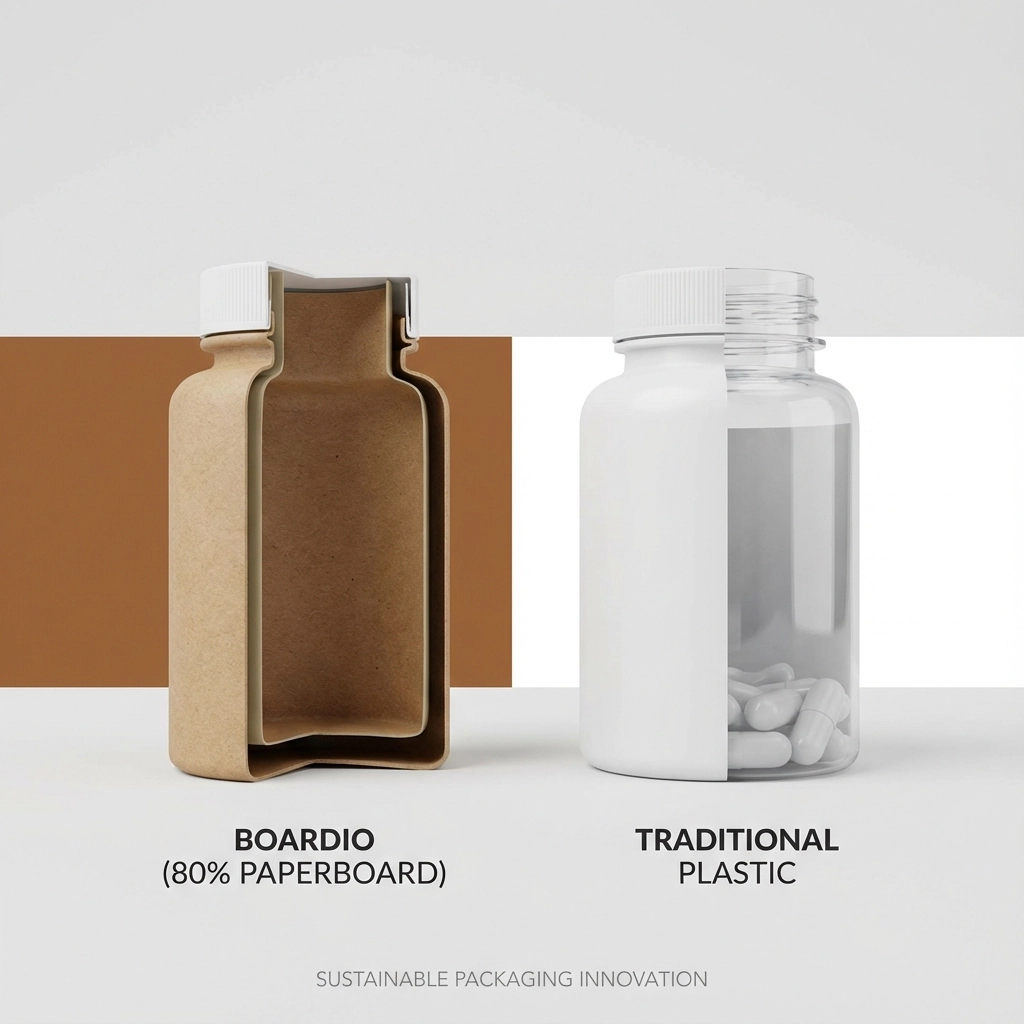
CTI Packaging's Boardio system represents a game-changing innovation for rigid supplement packaging. This approximately 80% paperboard bottle system achieves a 91% carbon footprint reduction compared to traditional plastic bottles while dramatically improving shipping efficiency.
The system fits 40,000 units per pallet versus 1,000 traditional bottles, reducing transportation costs and environmental impact. Early adoption by major supplement brands demonstrates commercial viability at scale.
UK Brand Comparison Table
| Company | Material Base | End-of-Life | Barrier Properties | Production Scale | Cost Premium |
|---|---|---|---|---|---|
| SmartSolve | Wood pulp & cellulose | Dissolve/Compost/Recycle | Moderate | High | 15-25% |
| Planetpacks | Plant-based | Home compostable | Excellent (Plantshield) | Medium | 20-30% |
| Biofuture | Bioplastics | Industrial compost | Good | High | 10-20% |
| Notpla | Algae-based | Marine-safe compost | Moderate | Low | 30-50% |
Consumer Guidance: What to Look For
When evaluating eco-friendly supplement packaging, prioritize these factors:
Certification Standards: Look for home compostable (AS4736, AS5810), industrial compostable (EN13432), or recycling compatibility marks. Avoid greenwashing terms like "biodegradable" without specific timeframes or conditions.
Barrier Performance: Ensure packaging maintains supplement potency throughout shelf life. Check for moisture barriers, UV protection, and oxygen resistance appropriate to your supplement type.
Local Infrastructure: Consider your local waste management system. Home compostable materials work best if you have composting facilities, while recyclable options suit areas with robust recycling programs.
Future Outlook: What's Coming in 2026
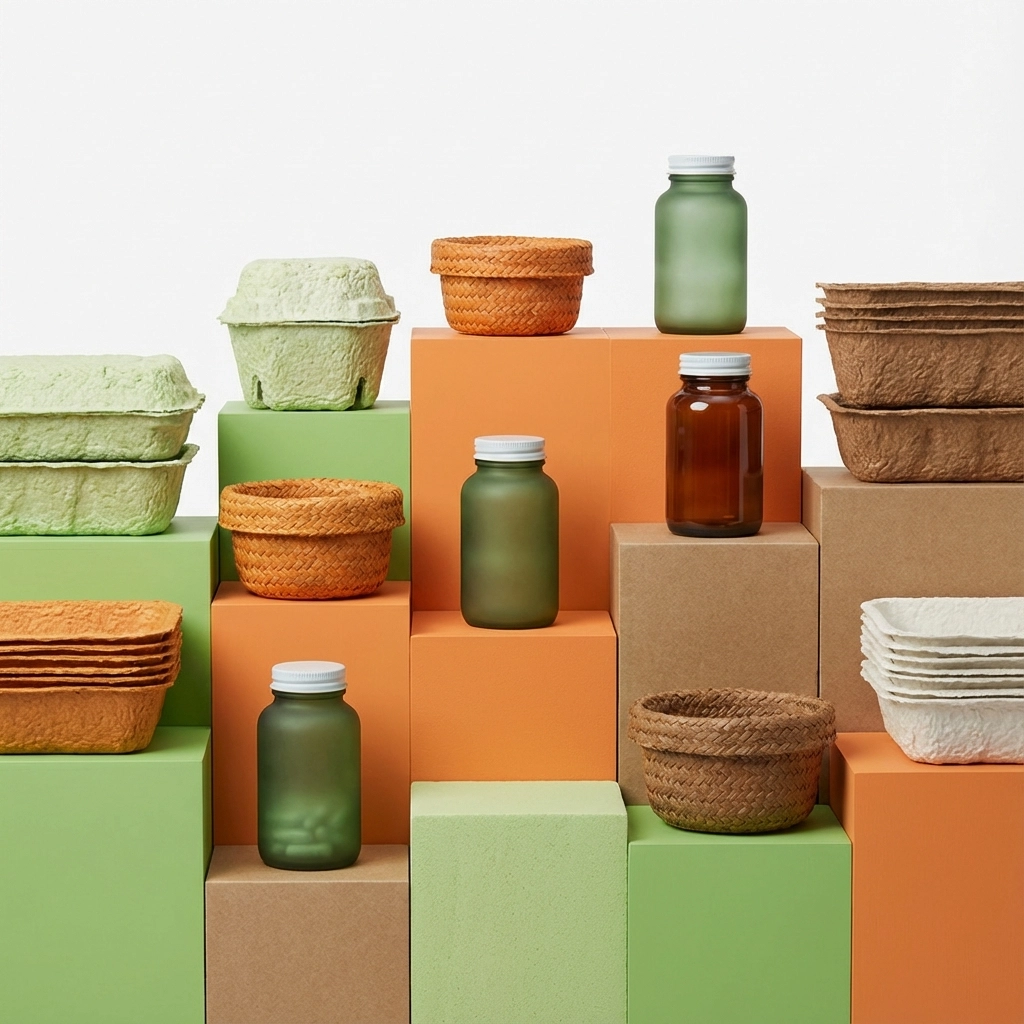
The most significant trend emerging for 2026 involves upcycled materials derived from food waste byproducts. Companies are developing compostable packaging from cauliflower processing waste, vegetable stock remnants, and other agricultural byproducts.
This approach addresses two challenges simultaneously: reducing food waste and creating cost-effective sustainable packaging materials. Early pilots show comparable performance to traditional materials at competitive pricing.
Regulatory changes will accelerate adoption. The UK's Extended Producer Responsibility regulations, fully implemented by 2026, will make non-recyclable packaging significantly more expensive through fees and taxes.
Making the Transition: Practical Steps
For Supplement Brands:
- Audit current packaging for recyclability and environmental impact
- Calculate total cost of ownership including waste fees and consumer premiums
- Pilot test sustainable alternatives with shelf-life studies
- Implement phased transitions starting with new product launches
For Consumers:
- Check local composting and recycling capabilities
- Support brands making genuine sustainability investments
- Properly dispose of eco-friendly packaging to ensure environmental benefits
The Bottom Line
The UK's eco-friendly supplement packaging landscape offers viable alternatives to traditional materials, each with specific strengths and applications. Planetpacks leads in barrier technology for flexible packaging, SmartSolve offers versatility across formats, Biofuture provides proven food-grade solutions, and Notpla represents next-generation innovation.
The key to success lies in matching packaging technology to specific supplement requirements rather than choosing based solely on environmental claims. Brands that invest in appropriate sustainable packaging now will gain competitive advantages as regulations tighten and consumer preferences continue shifting toward environmental responsibility.
The transition to sustainable supplement packaging isn't just an environmental imperative: it's a strategic business decision that forward-thinking companies are using to differentiate themselves in an increasingly crowded market.