I'll be honest, when I first heard about "ecstatic dance," I rolled my eyes. After many years as a personal trainer, I'd seen every fitness fad come through UK gyms. Dancing without structure? No choreography? It sounded like expensive therapy disguised as exercise.
That was until my mate Sarah dragged me to a session in East London three years ago. I went in sceptical and left... well, completely converted. Now I regularly recommend mindful movement practices to my clients, and I've watched it transform not just their physical fitness, but their entire relationship with their bodies.
What Actually Is Ecstatic Dance?
Let me clear this up first: ecstatic dance isn't about getting off your face at a rave. I've been to plenty of those in my twenties, and this is completely different. It's freestyle movement to carefully curated music in a completely sober, supportive environment.
There are usually some simple guidelines: no talking on the dance floor, no phones, and most importantly: move however feels right for you. No steps to learn, no mirrors to judge yourself in, no instructor shouting corrections. Just you, the music, and your body.

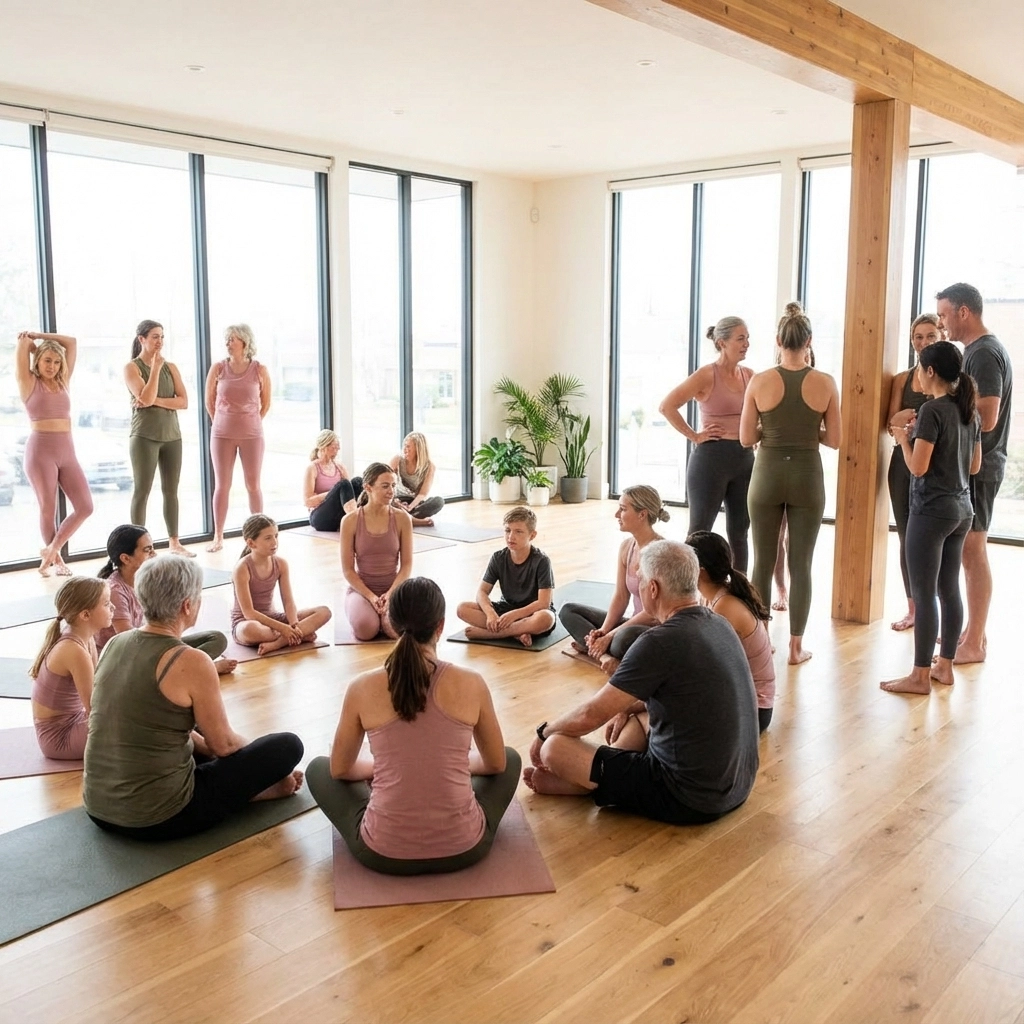
When I first tried it, I spent the first ten minutes standing awkwardly by the wall, watching people of all ages, shapes, and abilities moving in ways that ranged from barely swaying to full-on interpretive dance. What struck me wasn't the movement itself: it was the complete absence of self-consciousness I witnessed.
The Physical Benefits I've Seen
As a trainer, I'm always looking at movement quality, and I've noticed some remarkable changes in clients who've embraced ecstatic dance:
Improved Body Awareness: I have a client, Mark, who's a 38-year-old accountant. He came to me with chronic lower back pain from sitting all day. After six months of combining our strength training with weekly ecstatic dance sessions, his proprioception improved dramatically. He started naturally adjusting his posture throughout the day without thinking about it.
Enhanced Flexibility and Mobility: The free-form movement naturally encourages your body to explore ranges of motion you'd never access in traditional exercise. I've seen clients develop flexibility in their shoulders and hips that took months to achieve through conventional stretching.
Cardiovascular Conditioning: Don't underestimate this: a good ecstatic dance session can be incredibly cardiovascularly demanding. I've worn my heart rate monitor during 90-minute sessions and hit zones comparable to interval training.
Functional Strength Development: Moving in multiple planes of motion, changing levels, and responding to rhythm develops the kind of real-world strength and coordination that translates beautifully to daily activities.
The Mental Health Revolution I've Witnessed
Here's where ecstatic dance really shines, and frankly, where I've seen the most profound changes in my clients.
Stress Release: I work with a lot of high-stress professionals in London. Traditional gym workouts help, but there's something about moving freely to music that allows for a deeper emotional release. I've had clients tell me they've cried during sessions: not from sadness, but from pure relief.

Body Confidence: After two decades in this industry, I can tell you that body image issues affect nearly everyone who walks into a gym. Ecstatic dance creates a space where movement is about expression, not performance. I've watched clients who were terrified of group fitness classes become confident movers who carry that self-assurance into every aspect of their lives.
Mindfulness in Motion: We talk a lot about mindfulness these days, but ecstatic dance is one of the few practices that genuinely gets people out of their heads and into their bodies. It's meditation through movement, and I've seen it help clients who struggle with traditional sitting meditation.
Real Client Transformations
Let me share a couple of specific examples that really illustrate the power of this practice:
Emma, 52, Marketing Director: Came to me feeling completely disconnected from her body after years of desk work and raising kids. She was fit enough but described feeling "like a robot going through the motions." After I suggested she try ecstatic dance, she initially resisted: thought it was "too woo-woo." Six months later, she's leading her own mindful movement workshops at her company. The change in her confidence and physical presence is remarkable.
James, 29, Construction Worker: Dealing with chronic pain and depression following a workplace injury. Traditional physio helped, but he was stuck in fear patterns around movement. Ecstatic dance helped him rediscover joy in his body and rebuild trust in his physical capabilities. He's now back to full work capacity and uses movement as his primary mental health tool.
The UK Scene: Where to Start
The ecstatic dance movement has really taken off across Britain. Here's what I've discovered about the UK scene:
London: There are regular weekly sessions across the capital. I particularly rate the community that's built up in venues around East London and South London. The diversity of participants and facilitators creates a genuinely welcoming environment.
Major Events: The UK now hosts significant festivals like the Ecstatic Dance Festival in North Dorset, which combines camping with transformational workshops, live music, and DJ sets. There are also intensive retreat experiences that include breathwork, sound healing, and other complementary practices.
Regional Growth: I'm seeing regular sessions popping up in Manchester, Birmingham, Bristol, and Brighton. Even smaller towns are hosting monthly gatherings.
Practical Tips for Beginners
If you're curious but nervous (completely normal), here's my advice:
Start Small: Look for "5Rhythms" or "Open Floor" sessions: these tend to be gentler introductions than full ecstatic dance events.
Arrive Early: Get there 10-15 minutes before start time. Facilitators often begin with grounding exercises that help you transition from everyday mindset into movement space.
Begin at the Edges: There's no rule that says you have to dance in the middle of the room. I still prefer dancing around the periphery where I feel less exposed.
Focus on Your Feet: When I feel self-conscious, I focus entirely on how my feet connect with the floor. This grounds me and gets me out of my head.
Breathe: Sounds obvious, but when we're nervous, we hold our breath. Conscious breathing transforms your experience.
No Pressure: You might spend your first session barely moving, and that's perfectly fine. I've had clients who took three sessions before they felt comfortable really letting go.
Integration with Traditional Training
I've found ecstatic dance complements conventional fitness beautifully:
- Recovery Days: Instead of complete rest, gentle mindful movement can aid recovery while maintaining connection to your body
- Warm-ups: I sometimes use music-led free movement as dynamic warm-ups before strength training
- Mental Training: The body awareness developed through dance translates directly to better form and mind-muscle connection in the gym
Safety and Considerations
A few important points I always share:
- Stay hydrated: these sessions can be surprisingly demanding
- Listen to your body: this isn't about pushing through pain
- If you have any injuries or health conditions, speak to facilitators beforehand
- The emotional release can be intense: have support systems in place
My Personal Practice
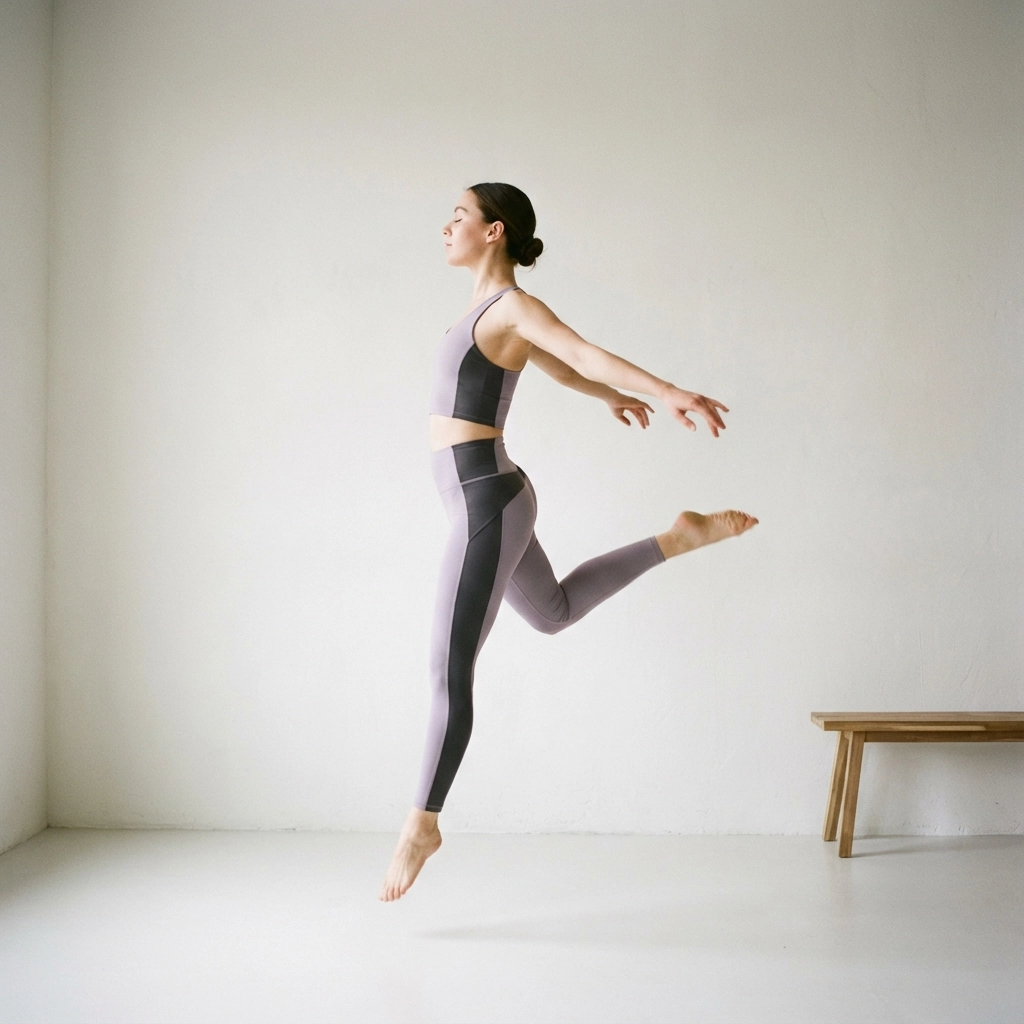
Three years in, ecstatic dance has become a non-negotiable part of my routine. As a 44-year-old who's spent decades in gyms, I thought I knew my body well. But this practice continues to teach me new things about how I move, how I hold tension, and how I can use movement for emotional regulation.
I typically attend sessions weekly and notice significant differences in my stress levels, sleep quality, and overall sense of wellbeing when I miss more than a couple of weeks.
The Future of Movement
What excites me most about the ecstatic dance movement is how it's changing our relationship with exercise. For too long, fitness has been about punishment, achievement, and comparison. This practice is about joy, expression, and connection: with yourself and others.
I predict we'll see more integration of mindful movement practices into mainstream fitness. The mental health benefits are too significant to ignore, and as we better understand the mind-body connection, approaches like ecstatic dance will become standard tools in the wellness toolkit.
Whether you're dealing with stress, looking to improve your relationship with your body, or simply wanting to try something completely different, I encourage you to give mindful movement a chance. Find a local session, bring your curiosity, and prepare to be surprised by what your body knows when you give it permission to move freely.
Your body has wisdom that your mind hasn't even discovered yet: ecstatic dance is simply one beautiful way to access it. Trust me on this one: after 20 years of watching people transform through movement, this practice offers something truly special.