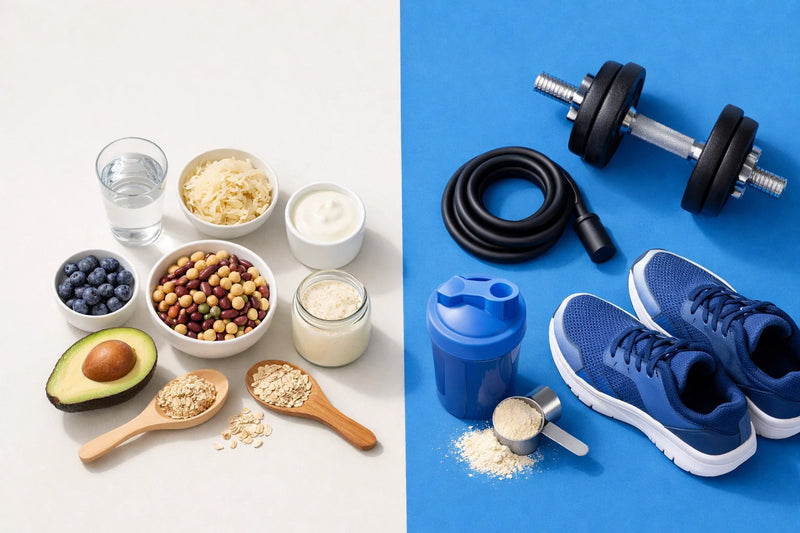
When you're serious about your fitness goals, choosing the right supplement brand can make a significant difference in your results and your wallet. Two UK-based brands frequently come up in fitness circles: Wild Nutrition and Fitness Health. But which one delivers better value for people who actually train hard and want measurable results?
After analyzing product ranges, ingredient quality, pricing structures, and customer feedback, here's what fitness enthusiasts need to know before making their choice.
Product Range: Breadth vs Depth
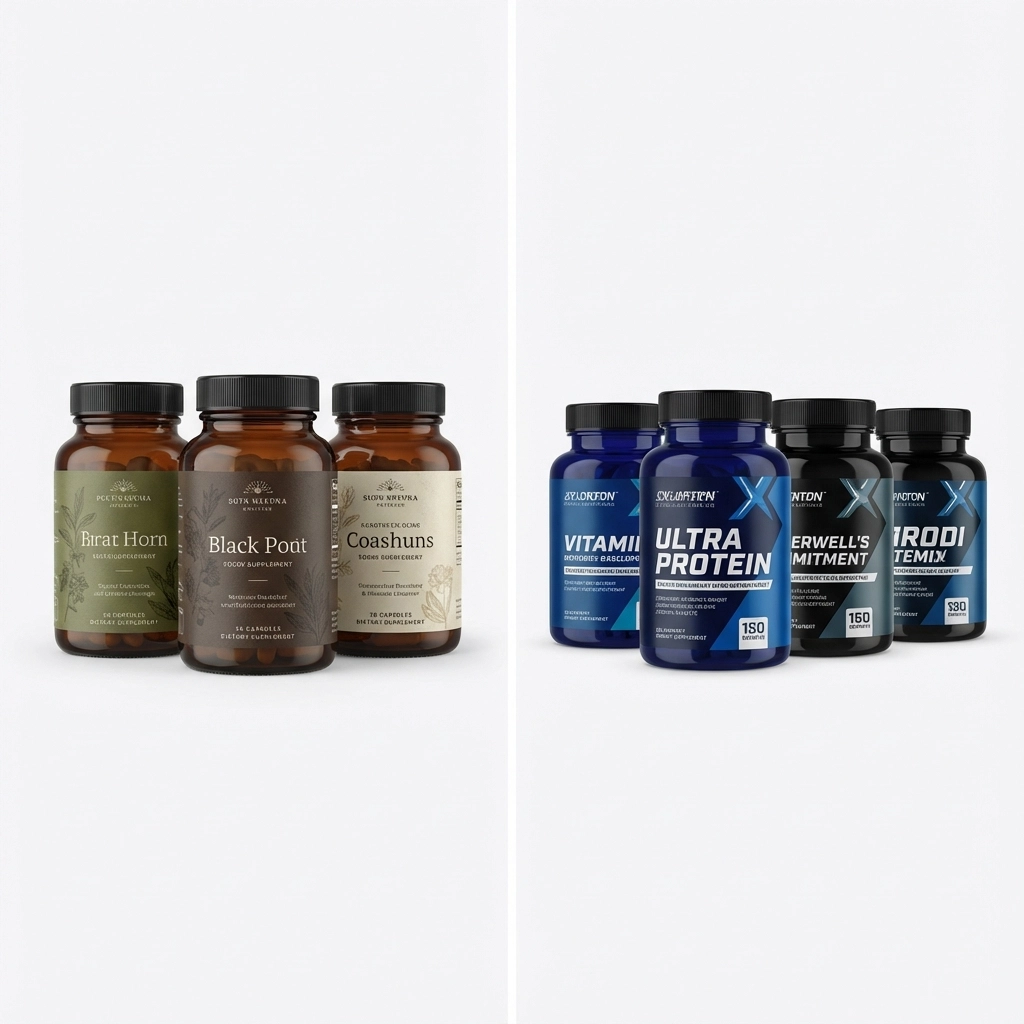
Wild Nutrition positions itself as a premium lifestyle brand with a focus on "food-grown" nutrients. Their range emphasizes whole-food sourcing and includes multivitamins, beauty supplements, and general wellness products. However, their fitness-specific offerings are relatively limited.
Fitness Health takes a different approach, offering a comprehensive range specifically designed for active individuals. Their catalog includes targeted products like high-strength probiotics for gut health, Vitamin D3 and K2 combinations for bone health, and specialized women's wellness bundles.
The key difference: Wild Nutrition covers general wellness broadly, while Fitness Health focuses specifically on supplements that support training, recovery, and performance goals.
Ingredient Quality and Transparency
Ingredient transparency is where significant differences emerge between these brands.
Wild Nutrition emphasizes their "food-grown" nutrient process, which involves growing nutrients in cultures. While this sounds appealing, the actual bioavailability benefits compared to standard synthetic vitamins remain scientifically unclear.
Fitness Health focuses on proven dosages and bioavailable forms. Their Vitamin D3 formula provides 4000IU – a clinically relevant dose for most adults – combined with K2 for optimal absorption. Their probiotic products specify exact CFU counts and strain types, giving users concrete information about what they're consuming.
Research consistently shows that dosage accuracy and third-party testing matter more than marketing claims about "natural" sourcing. Both brands should ideally provide certificates of analysis, but Fitness Health's approach of stating exact quantities makes it easier to verify you're getting therapeutic doses.
Pricing: Premium vs Performance Value
Price comparisons reveal stark differences in value propositions:
Wild Nutrition commands premium pricing, often £30-50+ for monthly supplies of basic vitamins. Their "food-grown" processing justifies higher costs, but the actual performance benefits for fitness enthusiasts remain questionable.
Fitness Health offers more competitive pricing while maintaining quality standards. Their approach focuses on providing effective dosages at accessible prices, making consistent supplementation more sustainable for serious athletes and fitness enthusiasts.
For someone training 4-6 times weekly, spending an extra £20-30 monthly on supplements with unclear additional benefits could be better invested in quality protein, gym equipment, or professional coaching.
Vegan and Dietary Options
Both brands recognize the growing demand for plant-based supplements, but their approaches differ significantly.
Wild Nutrition includes some vegan options but doesn't make this a primary focus across their entire range.
Fitness Health emphasizes vegan-friendly formulations across multiple products, including their high-strength Pueraria Mirifica extract. They clearly label vegan products and avoid unnecessary animal-derived ingredients like gelatin capsules where plant alternatives work equally well.
For plant-based athletes, this distinction matters significantly for both ethical reasons and avoiding potential digestive issues from animal-derived capsules.

UK Manufacturing and Quality Standards
Manufacturing location and standards directly impact product quality and consistency.
Wild Nutrition produces supplements in the UK under GMP (Good Manufacturing Practice) standards, which provides baseline quality assurance.
Fitness Health also utilizes UK manufacturing facilities with GMP compliance, but they emphasize batch testing and quality control measures. Their focus on specific, measurable outcomes (like exact probiotic CFU counts) suggests more rigorous testing protocols.
UK manufacturing benefits both brands by ensuring shorter supply chains, fresher products, and compliance with European regulatory standards that are often stricter than other regions.
Eco-Packaging and Sustainability
Environmental impact increasingly influences purchasing decisions for conscious consumers.
Wild Nutrition uses recyclable packaging materials and emphasizes sustainable sourcing in their marketing, though specific environmental impact data isn't readily available.
Fitness Health focuses on minimal packaging while ensuring product stability. Their approach prioritizes functionality over aesthetic appeal, which often results in less waste and lower environmental impact per serving.
The most sustainable supplement is one you actually use consistently. Elaborate packaging that increases costs without improving efficacy works against long-term adherence to supplementation routines.
Customer Experience and Support
Customer service quality significantly impacts long-term satisfaction, especially for monthly subscription purchases.
Based on available customer feedback, both brands maintain acceptable customer service standards, but their approaches differ:
Wild Nutrition emphasizes lifestyle coaching and wellness guidance alongside their products, which appeals to customers seeking broader health support.
Fitness Health focuses on product education and fitness-specific guidance. Their blog content includes detailed articles on supplement timing for bodybuilding and performance optimization, providing practical information for training-focused customers.

Scientific Evidence and Research Backing
The supplement industry is notorious for marketing claims that exceed scientific evidence. Both brands need evaluation against current research standards.
Wild Nutrition's "food-grown" nutrients sound appealing, but peer-reviewed research comparing their bioavailability to standard synthetic vitamins is limited. Most nutrition research uses synthetic vitamins, making their "natural" processing potentially irrelevant for proven benefits.
Fitness Health focuses on established, research-backed formulations. Their approach of providing proven dosages of well-studied nutrients (like Vitamin D3 at 4000IU) aligns with scientific literature showing optimal ranges for athletic performance and recovery.
For fitness enthusiasts, supplements should complement training and nutrition protocols based on solid science, not trendy processing methods with unclear benefits.
Value for Serious Athletes
When evaluating which brand delivers better value for committed fitness enthusiasts, several factors matter most:
Dosage Accuracy: Fitness Health's emphasis on specific, measurable amounts provides better value for goal-oriented users.
Price-to-Performance Ratio: Lower costs for proven formulations allow more budget for other training investments.
Training-Specific Focus: Products designed specifically for active individuals typically deliver better results than general wellness supplements.
Consistency: Reliable supply chains and consistent quality matter more than premium branding for long-term training support.
Making Your Decision
For fitness enthusiasts prioritizing measurable results over lifestyle branding, Fitness Health offers superior value through:
- Higher concentration of training-specific products
- More transparent dosage information
- Better price-to-performance ratios
- Clear focus on athletic goals rather than general wellness
Wild Nutrition may suit individuals who prioritize "natural" processing and don't mind paying premium prices for perceived purity benefits, though the actual performance advantages remain scientifically unclear.
Your choice should ultimately depend on your specific goals, budget, and whether you value proven effectiveness or premium positioning. For most serious athletes and fitness enthusiasts, the combination of quality, value, and fitness focus makes Fitness Health the more practical choice for supporting training goals without breaking the budget.
Remember that supplements work best when combined with consistent training, proper nutrition, and adequate recovery. Choose the brand that makes maintaining these habits more sustainable, not one that promises shortcuts to hard-earned results.