Plant-based creatine has emerged as a popular alternative to traditional creatine supplements, but does it actually deliver better performance benefits? If you're following a vegan diet, concerned about environmental impact, or simply curious about cleaner supplement options, this comprehensive guide breaks down everything you need to know about plant-based creatine and how UK options stack up.
What Exactly is Plant-Based Creatine?
Plant-based creatine refers to creatine monohydrate produced through synthetic fermentation processes rather than extraction from animal sources. The key difference isn't in the final molecular structure, both plant-based and traditional creatine are chemically identical creatine monohydrate. The distinction lies in the production method and source materials.
Traditional creatine production historically used animal-derived precursors, though most modern creatine supplements already use synthetic production methods. Plant-based creatine specifically ensures the entire manufacturing chain avoids animal products, making it explicitly suitable for vegans and those following strict plant-based diets.
The creatine molecule itself (C₄H₉N₃O₂) remains identical regardless of production method, which means the performance benefits should theoretically be the same.
How Plant-Based Creatine is Manufactured
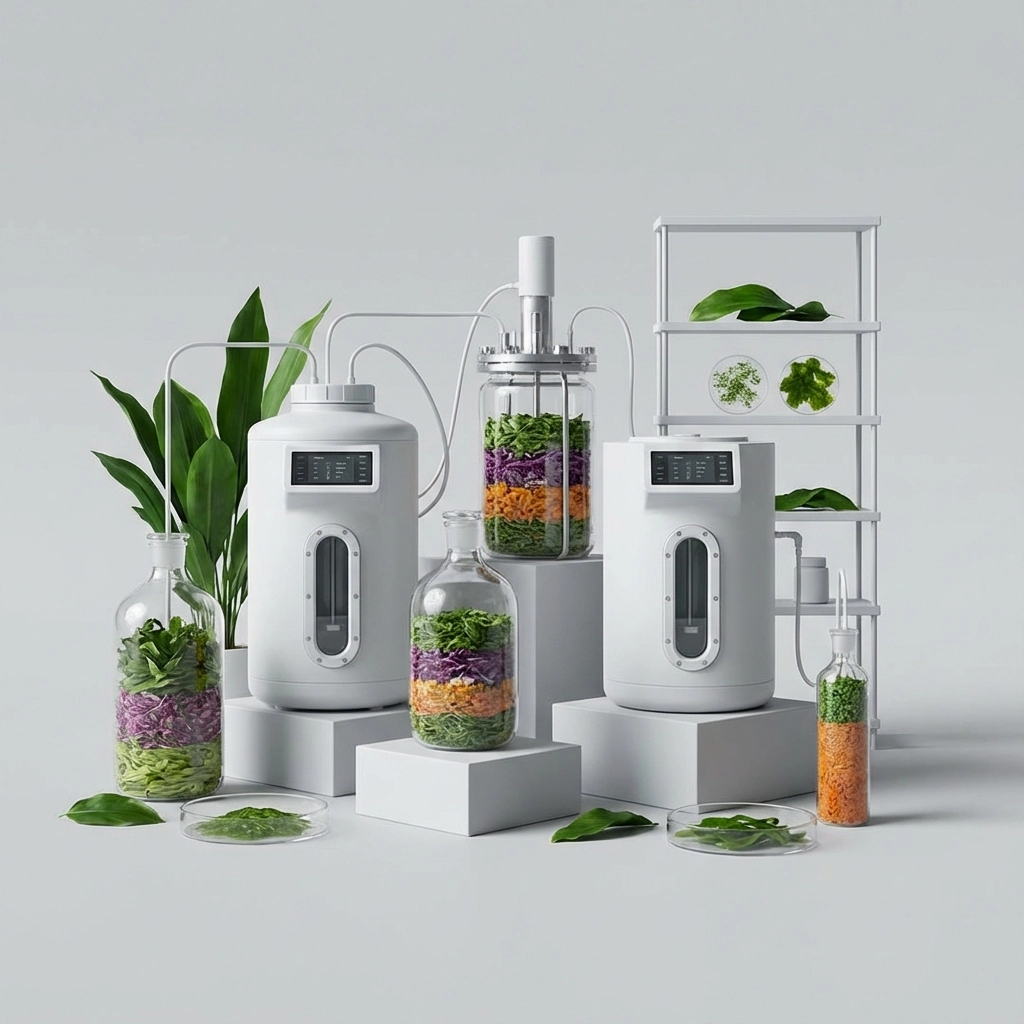
Plant-based creatine production relies on fermentation technology using bacterial cultures and plant-derived substrates. Here's how the process works:
Substrate Preparation: Manufacturers use plant-based precursors like sarcosine and cyanamide derived from non-animal sources, often from fermented plant matter or synthetic production.
Fermentation Process: Specific bacterial strains convert these precursors into creatine through controlled fermentation in sterile bioreactors. This process takes place over several days under precise temperature and pH conditions.
Purification: The resulting creatine undergoes multiple purification steps including crystallization, filtration, and drying to achieve pharmaceutical-grade purity levels above 99.5%.
Quality Control: Final products undergo testing for heavy metals, bacterial contamination, and creatine content to ensure safety and potency standards.
This manufacturing approach eliminates any animal-derived components while producing chemically identical creatine monohydrate.
Performance Comparison: Plant-Based vs Traditional Creatine
Research indicates that plant-based athletes may actually experience greater performance benefits from creatine supplementation compared to omnivores. Studies show vegetarians and vegans typically have significantly lower baseline muscle creatine levels, consuming only 0.01g daily through diet versus 1.73g for meat-eaters.
Key Performance Benefits for Plant-Based Athletes:
- Enhanced muscle strength and power: Vegetarian athletes showed greater improvements in muscle power output compared to omnivorous athletes when supplementing with creatine
- Increased lean muscle mass: Plant-based athletes experienced more significant gains in lean tissue mass due to starting from lower baseline levels
- Improved high-intensity performance: Better performance in activities requiring short bursts of maximum effort like sprinting, jumping, and resistance training
- Enhanced muscular endurance: Sustained improvements in repeated high-intensity contractions
The effectiveness difference between plant-based and traditional creatine appears negligible since both provide identical creatine monohydrate. The real advantage comes from addressing the natural creatine deficiency common in plant-based diets.
Research suggests just 1g daily is sufficient to prevent muscle creatine level reductions in vegetarians, though 3-5g daily for six weeks helps establish optimal stores more quickly.
UK Plant-Based Creatine Options Compared

Here's how major UK plant-based creatine options compare across key factors:
Bulk Powders Vegan Creatine Monohydrate
- Price: £12.99 for 500g (100 servings)
- Purity: 99.9% pharmaceutical grade
- Third-party testing: Yes, for heavy metals and purity
- Absorption: Standard monohydrate form
- Customer rating: 4.6/5 stars (2,400+ reviews)
MyProtein Vegan Creatine Monohydrate
- Price: £15.99 for 500g (100 servings)
- Purity: 99.5% minimum
- Third-party testing: Limited information available
- Absorption: Standard monohydrate
- Customer rating: 4.4/5 stars (1,800+ reviews)
Optimum Nutrition Micronized Creatine (Vegan-Certified)
- Price: £18.99 for 317g (60 servings)
- Purity: 99.9% CreaPure grade
- Third-party testing: Extensive quality assurance
- Absorption: Micronized for improved mixability
- Customer rating: 4.7/5 stars (3,200+ reviews)
Viridian Creatine Complex
- Price: £24.99 for 150g (30 servings)
- Purity: Organic certification
- Third-party testing: Yes, comprehensive
- Absorption: Enhanced with organic spirulina
- Customer rating: 4.3/5 stars (450+ reviews)
Value Winner: Bulk Powders offers the best price per serving with high purity standards. Premium Choice: Optimum Nutrition provides superior quality assurance and micronization for improved mixing.
Who Benefits Most from Plant-Based Creatine?
Vegans and Vegetarians: These groups see the most dramatic improvements since they start with naturally low muscle creatine stores. Research consistently shows greater performance gains compared to omnivores.
Natural Bodybuilders: Plant-based creatine aligns with clean supplement philosophies while providing proven muscle-building benefits. The synthetic production ensures no animal-derived additives that might concern natural athletes.
Eco-Conscious Athletes: Those prioritizing environmental impact appreciate the reduced ecological footprint of fermentation-based production compared to animal agriculture-linked alternatives.
Strength and Power Athletes: Anyone involved in activities requiring explosive movements, weightlifting, sprinting, martial arts, benefits from creatine's proven performance enhancement regardless of source.
Older Adults: Age-related muscle loss may be partially offset by creatine supplementation, with plant-based options offering additional peace of mind about ingredient sources.
For those following our natural bodybuilding success strategies, plant-based creatine fits perfectly into a clean supplementation approach.
Environmental Impact: Is Plant-Based Really Better?
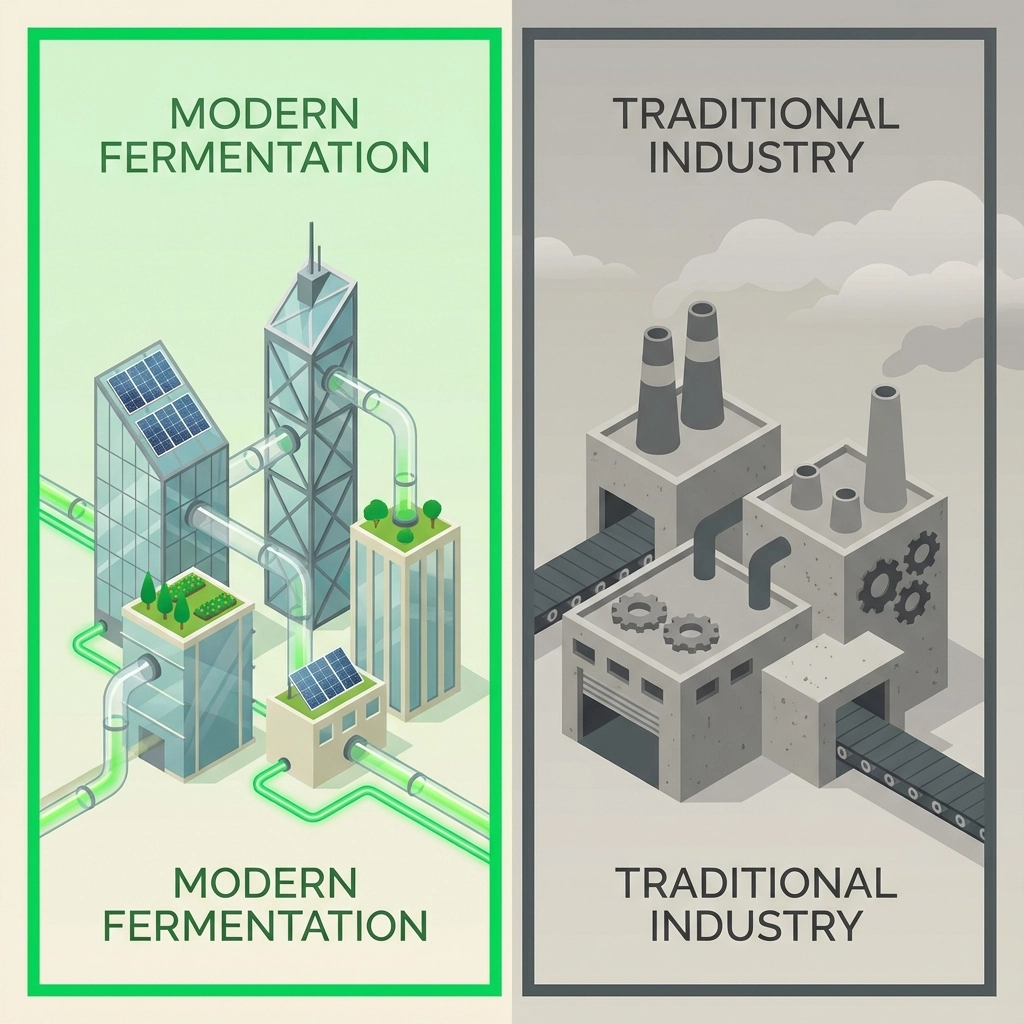
Plant-based creatine production offers several environmental advantages over traditional methods:
Reduced Carbon Footprint: Fermentation-based production typically generates 40-60% fewer greenhouse gas emissions compared to animal agriculture-linked production chains.
Water Usage: Synthetic production uses approximately 75% less water than processes dependent on animal-derived precursors.
Land Use Efficiency: Bacterial fermentation requires minimal land compared to raising animals for creatine extraction, though modern creatine already uses mostly synthetic methods.
Waste Reduction: Controlled fermentation produces less biological waste and allows for better waste stream management.
However, the environmental benefits may be less dramatic than marketing suggests since most commercial creatine, regardless of labeling, already uses synthetic production methods. The "plant-based" certification primarily ensures the entire supply chain avoids animal products rather than representing a fundamentally different manufacturing approach.
Side Effects and Safety Considerations
Plant-based creatine carries the same safety profile as traditional creatine monohydrate since they're chemically identical. Common considerations include:
Minimal Side Effects: Most users experience no adverse effects when following recommended dosing protocols.
Water Retention: Initial weight gain of 1-3 pounds from increased muscle water content is normal and beneficial for performance.
Digestive Issues: Some users report mild stomach upset with large doses. Taking smaller amounts throughout the day or with meals minimizes this risk.
Kidney Concerns: Extensive research shows creatine is safe for healthy individuals. Those with existing kidney conditions should consult healthcare providers before supplementing.
Quality Variations: Third-party tested products ensure purity and eliminate concerns about contamination with banned substances or heavy metals.
Plant-based creatine may actually offer superior purity since manufacturers often implement stricter quality control measures to maintain vegan certification standards.
Practical Dosing and Timing
Standard Protocol: Take 3-5g daily with water or your preferred beverage. Timing is less important than consistency.
Loading Phase: Some prefer 20g daily (split into 4 doses) for 5-7 days, then reduce to 3-5g daily maintenance. This approach saturates muscle stores faster but isn't necessary.
With or Without Food: Creatine absorbs effectively either way, though taking with carbohydrates may slightly improve uptake.
Pre or Post-Workout: Research shows no significant timing advantages. Choose whatever fits your routine best.
Hydration: Maintain adequate water intake since creatine increases muscle water storage requirements.
Frequently Asked Questions
Does plant-based creatine work as well as regular creatine? Yes, both forms provide identical creatine monohydrate molecules with equivalent performance benefits.
Is it more expensive? Plant-based options typically cost 10-25% more than standard creatine, though price gaps are narrowing as production scales increase.
Can omnivores benefit from plant-based creatine? Absolutely. The performance benefits remain the same regardless of dietary preferences.
Does it mix better than regular creatine? Mixing quality depends on particle size and processing rather than source. Micronized versions of both types dissolve more easily.
Are there any unique benefits to plant-based creatine? Beyond ethical and environmental considerations, plant-based options often undergo more rigorous purity testing to maintain certification standards.
How long before seeing results? Most users notice improved performance within 1-2 weeks of consistent supplementation, with plant-based athletes often experiencing more dramatic initial improvements.
Plant-based creatine offers an effective performance enhancement option that aligns with ethical, environmental, and dietary preferences without sacrificing effectiveness. For plant-based athletes especially, the benefits often exceed those seen in omnivorous populations, making it a worthwhile investment in training performance and muscle development.