Getting your pre-swim nutrition right can be the difference between feeling energised throughout your session and struggling to maintain your pace after the first few lengths. Whether you're heading to your local leisure centre for a morning swim or preparing for a competitive training session, what you eat: and when: directly impacts your performance in the water.
The key lies in understanding how your body processes different foods and timing your meals to maximise energy availability whilst avoiding digestive discomfort. Here's your complete guide to fuelling properly before you dive in.
Understanding Pre-Swim Nutrition Timing
Your meal timing before swimming depends entirely on when you plan to hit the pool. The general rule is simple: the closer to swim time, the lighter and more easily digestible your food should be.
2-3 Hours Before Swimming: The Full Meal Window
This timeframe allows for optimal digestion and nutrient absorption, making it perfect for a balanced meal containing carbohydrates, protein, and healthy fats.
Ideal meal combinations include:
- Porridge with sliced banana and a handful of almonds
- Wholemeal toast with peanut butter and honey
- Grilled chicken breast with brown rice and steamed vegetables
- Scrambled eggs with wholegrain toast and avocado
These combinations provide sustained energy release whilst giving your digestive system adequate time to process the food before you enter the water.
30-60 Minutes Before Swimming: The Light Snack Approach
When time is limited, focus on easily digestible carbohydrates with minimal protein. This timing works particularly well for evening training sessions or when you've had a proper meal earlier in the day.
Quick energy options:
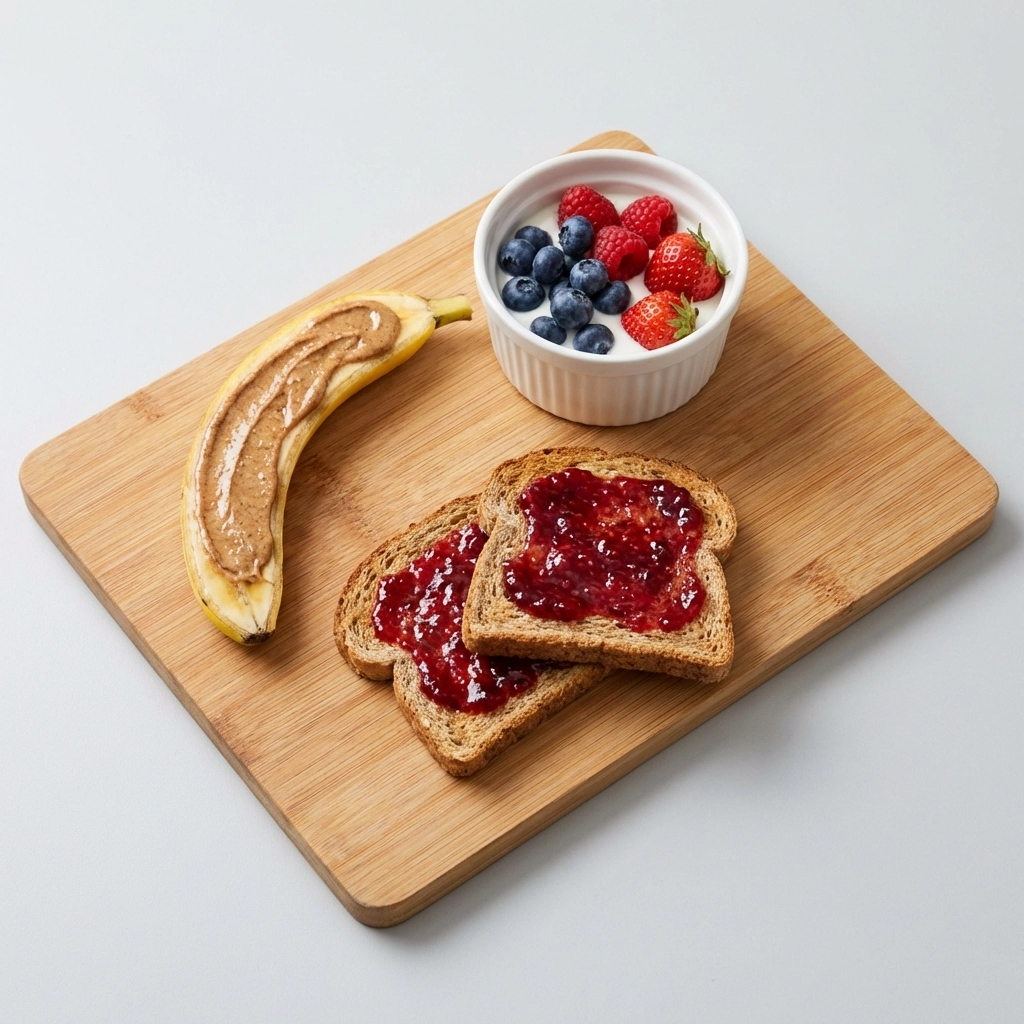
- Medium banana with a tablespoon of almond butter
- Small pot of Greek yoghurt with berries
- Slice of wholemeal toast with jam
- Homemade smoothie with fruit and a small amount of protein powder
Less Than 30 Minutes Before Swimming: Emergency Fuel
For early morning sessions when time is extremely limited, stick to simple carbohydrates that digest rapidly and won't cause stomach upset.
Fast-acting options:
- Single piece of fruit (banana, apple, or orange)
- Small glass of fruit juice
- Plain rice cakes
- Handful of dates
Essential Nutrients for Swimming Performance
Understanding which nutrients fuel your swimming performance helps you make smarter food choices regardless of timing.
Carbohydrates: Your Primary Energy Source
Carbohydrates provide the glucose your muscles need for sustained swimming performance. Choose complex carbohydrates for longer-lasting energy or simple carbs for quick boosts.
Complex carbohydrate sources:
- Oats and porridge
- Brown rice
- Wholemeal bread and pasta
- Sweet potatoes
- Quinoa
Simple carbohydrate sources:
- Fresh fruits
- Fruit juices
- Honey
- Jam or marmalade
Protein: Supporting Muscle Function
Whilst not your primary energy source, protein supports muscle function and helps with recovery. Include moderate amounts, especially in meals consumed 2-3 hours before swimming.
Lean protein options:
- Greek yoghurt
- Eggs
- Chicken breast
- Fish (salmon, tuna, cod)
- Plant-based options like nuts, seeds, and legumes
Healthy Fats: Sustained Energy for Longer Sessions
For extended swimming sessions lasting over an hour, healthy fats provide sustained energy. However, keep fat content minimal in meals consumed within 2 hours of swimming.
Healthy fat sources:
- Avocado
- Nuts and seeds
- Nut butters
- Olive oil
- Salmon

Foods to Avoid Before Swimming
Certain foods can cause digestive discomfort, sluggish performance, or stomach upset when consumed too close to swim time.
High-Fat Foods
Fatty foods take significantly longer to digest and can leave you feeling heavy and sluggish in the water. Avoid these within 3-4 hours of swimming:
- Fried foods (chips, fried fish, donuts)
- High-fat dairy products (whole milk, cream, full-fat cheese)
- Fatty cuts of meat
- Heavy sauces and gravies
High-Fibre Foods
Whilst fibre is essential for overall health, consuming high-fibre foods close to swim time can cause digestive upset and gas.
Limit these within 2 hours of swimming:
- Beans and lentils
- Broccoli, cabbage, and Brussels sprouts
- High-fibre cereals
- Dried fruits in large quantities
Spicy and Acidic Foods
These can cause heartburn and stomach irritation, particularly problematic when you're horizontal in the water.
Avoid before swimming:
- Spicy curries
- Citrus fruits in large quantities
- Tomato-based sauces
- Vinegar-heavy dressings
UK-Specific Pre-Swim Meal Ideas
Here are practical meal and snack suggestions using commonly available foods in UK supermarkets:
Pre-Training Breakfast Options
- Weetabix with semi-skimmed milk and sliced banana
- Scrambled eggs on Hovis wholemeal toast
- Porridge with Scottish oats, honey, and blueberries
- Greek yoghurt with granola and strawberries
Quick Pre-Swim Snacks
- Nakd fruit bars
- Small pot of Müller Corner yoghurt
- Banana with Meridian peanut butter
- Soreen malt loaf with a thin spread of butter
Evening Pre-Swim Options
- Jacket potato with tuna and sweetcorn
- Chicken and vegetable stir-fry with brown rice
- Salmon fillet with new potatoes and green beans
- Wholemeal pasta with tomato and basil sauce

Hydration: The Often Overlooked Factor
Proper hydration before swimming is crucial, even though you'll be surrounded by water. Dehydration significantly impacts performance and can lead to fatigue and poor technique.
Pre-Swim Hydration Guidelines
- Drink 500ml of water 2-3 hours before swimming
- Consume an additional 200-300ml 15-20 minutes before entering the pool
- Choose water for sessions under 60 minutes
- Consider sports drinks for longer, more intense sessions
Signs of Adequate Hydration
Monitor your hydration status through:
- Pale yellow urine colour
- Feeling alert and energised
- Absence of thirst
- Good skin elasticity
Special Considerations for Different Swimming Sessions
Your pre-swim nutrition strategy should adapt based on the type of swimming you're doing.
Recreational Swimming (30-45 minutes)
For leisure swimming sessions, a light snack 30-60 minutes beforehand is usually sufficient. Focus on easily digestible carbohydrates and ensure adequate hydration.
Training Sessions (60+ minutes)
Longer training sessions require more substantial fuelling. Eat a balanced meal 2-3 hours before, or combine a light meal with a pre-swim snack if timing doesn't allow for a full meal.
Early Morning Sessions
Many UK pools offer early morning lane swimming (often 6-7am). For these sessions:
- Prepare food the night before
- Keep options simple and quick to prepare
- Consider overnight oats or pre-portioned snacks
- Allow at least 15-20 minutes for basic digestion
Competition or Time Trials
For competitive events or personal time trials, stick to familiar foods that you've tested during training. Nerves can affect digestion, so keep portions moderate and focus on easily digestible options.
Creating Your Personal Pre-Swim Nutrition Plan
Develop a consistent approach to pre-swim eating by:
- Experimenting during training sessions to find what works best for your digestive system
- Keeping a food and performance diary to identify patterns
- Preparing options for different scenarios (early morning, post-work, weekend sessions)
- Stocking your kitchen with reliable pre-swim foods
- Planning ahead for consistent timing and food choices
The Bottom Line
Effective pre-swim nutrition isn't complicated, but it does require planning and consistency. Focus on easily digestible carbohydrates, moderate protein, and minimal fat close to swim time. Allow adequate time for digestion, stay hydrated, and avoid foods that typically cause you digestive issues.
Remember that individual responses to food vary significantly. What works perfectly for one swimmer might not suit another. Use these guidelines as a starting point, then adjust based on your personal experience and performance in the water.
The effort you put into planning your pre-swim nutrition will pay dividends in improved energy levels, better technique maintenance, and more enjoyable swimming sessions. Start implementing these strategies during your next few swims and notice the difference proper fuelling makes to your pool performance.
For more nutrition guidance tailored to active lifestyles, explore our comprehensive nutrition resources and discover how proper fuelling can enhance all aspects of your fitness journey.