Navigating the global supplement market requires a discerning eye for both biochemical efficacy and economic value. According to the National Institutes of Health (NIH) Office of Dietary Supplements, the quality of herbal products can vary significantly based on the plant part used, the extraction method, and the presence of standardized active compounds. In an era where premium "boutique" brands often charge upwards of $50 for basic botanicals, understanding the science of "Smart Supplementation" allows consumers to access high-quality, UK-made formulations at a more sustainable $13-15 price point without compromising on potency or safety.
Table of Contents
- Key Takeaways
- Ranking the Best Value-for-Money Extracts
- Quality Metrics: Ratios vs. Standardization
- The Sustainability Factor: UK-Made and Plastic-Free
- Step-by-Step Framework for Smart Supplementation
- Real-World View: Industry Hype vs. Scientific Reality
- Frequently Asked Questions
Key Takeaways
| Feature | Smart Supplementation Standard | Why It Matters |
|---|---|---|
| Price Point | $13.00 - $15.00 | Professional quality is achievable without "luxury" markups. |
| Standardization | ≥5% Withanolides / 95% Curcuminoids | Ensures you receive a consistent dose of the active therapeutic compound. |
| Packaging | Eco-friendly Paper Pouches | Reduces plastic waste and lowers shipping costs (savings passed to you). |
| Origin | UK-Made (GMP Standards) | Guarantees rigorous quality control and ethical manufacturing. |
| Extract Ratio | Specific (e.g., 10:1 or 30:1) | Indicates concentration level relative to the raw plant material. |
Ranking the Best Value-for-Money Extracts
When ranking herbal supplements for value, we look at the cost-per-effective-dose. A cheap bottle with low bioavailability is often more expensive in the long run than a mid-range standardized extract.
1. Ashwagandha (Withania somnifera)
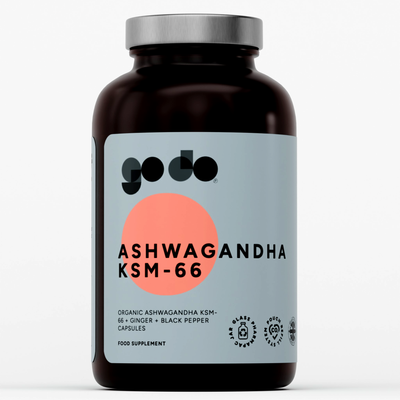
Ashwagandha remains the gold standard for value in the adaptogen category. Research indicates that doses between 300mg and 600mg of root extract standardized to at least 5% withanolides can significantly reduce cortisol levels. At the $13-15 price point, consumers should expect a high-potency extract rather than plain root powder.
2. Turmeric Curcumin (Curcuma longa)
Turmeric value is entirely dependent on curcuminoid concentration. Plain turmeric powder is only 3% curcumin; look for extracts standardized to 95%. To maximize your investment, ensure the formula includes piperine (black pepper extract), which can increase curcumin absorption by up to 2,000%.
3. Milk Thistle (Silybum marianum)
Often utilized for liver support, Milk Thistle’s value lies in its silymarin content. A 30:1 extract standardized to 80% silymarin provides the most "bang for your buck," particularly when compared to expensive "detox" blends that dilute the active ingredient with fillers.
 Figure 1: High-potency Milk Thistle in eco-friendly packaging offers superior value compared to plastic-bottled alternatives.
4. Ginkgo Biloba
For cognitive support, Ginkgo Biloba 6000mg equivalents represent excellent value. By using high-ratio extracts (e.g., 50:1), manufacturers can provide a potent daily dose in a single, small tablet, reducing the cost-per-serving to pennies.
Expert Quote: "The efficacy of a botanical extract is not determined by its price tag, but by its phytochemical profile and the stability of its active constituents." , British Pharmacopoeia Commission (General Principles).
Quality Metrics: Ratios vs. Standardization
Understanding the label is the first step in "Smart Supplementation." Many brands use "extract ratios" to sound more powerful, but this can be misleading without standardization.
| Metric | Definition | Value Indicator |
|---|---|---|
| Extract Ratio | The amount of raw herb used to make 1 part of extract (e.g., 10:1). | High ratios (like 30:1) are generally better but require standardization to be certain. |
| Standardization | The guaranteed percentage of a specific active compound (e.g., Silymarin). | This is the most reliable indicator of potency and value. |
| Bioavailability | How much of the nutrient actually enters the bloodstream. | Look for enhancers like Piperine or Liposomal delivery for difficult-to-absorb herbs. |
Pro Tip: If a supplement label lists "Root Powder" instead of "Extract," you are essentially paying for culinary-grade spices. Always opt for standardized extracts to ensure therapeutic levels of active compounds.
The Sustainability Factor: UK-Made and Plastic-Free
At Fitness Health, we believe that smart supplementation shouldn't cost the Earth. By manufacturing our supplements in the UK, we maintain strict adherence to GMP (Good Manufacturing Practice) standards while reducing the carbon footprint associated with long-distance shipping.
 Figure 2: Our UK-based facility ensures that every pouch is packed with care, meeting rigorous safety standards.
Our transition to eco-conscious paper packaging is a core component of our value proposition. Plastic bottles are bulky, expensive to manufacture, and environmentally damaging. By using letterbox-friendly paper pouches, we:
- Reduce Overhead: Lower packaging and shipping costs allow us to keep prices at the $13-15 range.
- Minimize Waste: Our pouches use significantly less plastic than traditional pill bottles.
- Enhance Convenience: Most of our products fit directly through your letterbox, so you never miss a delivery.
Step-by-Step Framework for Smart Supplementation
Follow this protocol to ensure you are getting the highest quality herbal extracts for your budget:
- Identify the Active Compound: Research which part of the plant is effective (e.g., the root for Ashwagandha, the leaf for Ginkgo).
- Check for Standardization: Ensure the label specifies a percentage (e.g., 95% Curcuminoids).
- Verify the Manufacturing Origin: Look for "UK-Made" to ensure high regulatory oversight.
- Evaluate the Packaging: Choose brands that prioritize eco-friendly, low-waste packaging to ensure your money goes toward the ingredients, not the plastic.
- Calculate Cost-Per-Day: Divide the price by the number of servings. At $13-15 for a 2-3 month supply, your daily investment should be under $0.20.
Real-World View: Industry Hype vs. Scientific Reality
The supplement industry is often criticized for "over-promising." It is vital to separate marketing hype from clinical evidence.
-
The Hype: "Miracle detox" herbs that cleanse the liver in 48 hours.
-
The Reality: The liver is a self-detoxifying organ. Supplements like Milk Thistle and B-Vitamins provide the raw materials and co-factors to support natural liver function over time; they are not instant "cures."
-
The Hype: Expensive $60 Ashwagandha is "purer" than the $15 version.
-
The Reality: If both products use the same standardized extract (like KSM-66) and are made in GMP-certified facilities, the biological effect is identical. The extra $45 pays for celebrity endorsements and glossy marketing.
 Figure 3: Minimalist packaging focuses on what matters, the quality of the extract inside.
Experience Premium Wellness for Less
At Fitness Health, we specialize in high-quality, UK-made supplements designed for the health-conscious individual. Our mission is to provide the same premium formulations found in luxury brands at an affordable $13-15 price point. By cutting out the plastic and the middleman, we pass the savings directly to you.
Shop Our Full Range of Herbal Extracts Today
Frequently Asked Questions
Q: Why are Fitness Health supplements cheaper than other brands? A: We focus on efficiency. By using eco-friendly paper packaging, manufacturing in the UK, and avoiding expensive marketing campaigns, we can offer premium ingredients for $13-15.
Q: Is paper packaging safe for the supplements? A: Yes. Our pouches are foil-lined to provide an airtight, moisture-proof barrier that maintains the potency of the extracts just as effectively as plastic bottles. You can learn more on our values page.
Q: What does a 10:1 ratio actually mean? A: It means that 10 kilograms of the raw plant were concentrated down to 1 kilogram of extract. This makes the supplement significantly more potent than the raw herb alone.
Q: Are these supplements vegan-friendly? A: Most of our herbal extracts are housed in HPMC (plant-based) capsules, making them 100% vegan-friendly. Always check the specific product description for the vegan logo.