Swimming is one of the most effective full-body workouts available, offering cardiovascular benefits without the joint impact of running. However, for regular swimmers, the pool environment presents a specific challenge: chlorine. While necessary for hygiene, chlorine is a powerful oxidant that strips the body of its natural oils, leading to "swimmer’s hair" and dry, itchy skin.
Recovery isn't just about what you apply to your skin after you leave the locker room; it is about providing your body with the internal nutrients required to repair cellular damage and maintain a healthy moisture barrier. This guide focuses on the specific vitamins, minerals, and fatty acids you need to neutralize chlorine's effects and keep your skin and hair in peak condition.
The Science of Chlorine Damage
Chlorine is designed to kill bacteria by breaking down organic matter. Unfortunately, your skin and hair are also organic matter. When you submerge in a chlorinated pool, the chemical reacts with the sebum (natural oil) on your skin and the keratin in your hair.
- Skin Barrier Disruption: Chlorine strips the acid mantle, the thin, protective film on the surface of your skin. This leads to transepidermal water loss (TEWL), causing dehydration, redness, and sensitivity.
- Hair Protein Breakdown: Hair is made of keratin proteins held together by hydrogen bonds. Chlorine weakens these bonds, making hair porous, brittle, and prone to breakage.
- Oxidative Stress: Chlorine exposure creates free radicals. These unstable molecules damage skin cells and can accelerate the signs of aging if not neutralized by antioxidants.
To combat these effects, you need a two-pronged approach: immediate external neutralization and long-term internal support.
Vitamin C: The Chlorine Neutralizer
Vitamin C (ascorbic acid) is perhaps the most critical nutrient for any swimmer. Chemically, Vitamin C neutralizes chlorine and chloramines on contact. This is why many professional swimmers use Vitamin C sprays immediately after exiting the pool.
External Application
You can create a simple post-swim rinse by dissolving half a teaspoon of Vitamin C powder in a spray bottle of water. Spray this over your skin and hair before showering to chemically deactivate the chlorine. This prevents the chemical from continuing to react with your tissues while you wash.
Internal Support
Internally, Vitamin C is a powerhouse for collagen synthesis. Chlorine damage can degrade the skin's structural integrity over time. Supplementing with Vitamin C helps your body produce the collagen necessary to keep skin firm and resilient. You can find high-quality options in our Antioxidants Collection.
Key Takeaway: Use Vitamin C both topically to stop chlorine damage and internally to repair the skin’s structure.

Vitamin E and Skin Barrier Repair
If Vitamin C is the "neutralizer," Vitamin E is the "repairman." Vitamin E is a fat-soluble antioxidant that is naturally secreted through your sebum to protect the skin surface. Because chlorine strips away your natural oils, it also removes your natural supply of Vitamin E.
Why Swimmers Need Vitamin E
- Moisture Retention: Vitamin E helps the skin hold onto water, directly counteracting the drying effects of pool chemicals.
- UV Protection: Many swimmers use outdoor pools. Vitamin E works synergistically with Vitamin C to protect the skin against UV-induced damage.
- Scalp Health: A dry, flaky scalp is a common complaint among swimmers. Vitamin E supports scalp circulation and prevents the oxidative stress that can lead to thinning hair.
Ensuring you have adequate levels of Vitamins and Minerals is essential for maintaining this protective barrier.
Omega-3 Fatty Acids: Hydration from the Inside Out
One of the most effective ways to combat "swimmer’s itch" is through the consumption of Omega-3 fatty acids. While lotions provide a temporary fix, Omega-3s help build the actual cell membranes of your skin and hair follicles.
Benefits for Swimmers
- Anti-Inflammatory: Chlorine can cause "pool rash" or contact dermatitis. Omega-3s reduce the inflammatory response, soothing the skin.
- Sebum Regulation: These healthy fats help regulate oil production, ensuring your skin doesn't overcompensate for dryness by becoming excessively oily or staying dangerously dry.
- Hair Shine: Omega-3s nourish the hair follicles, promoting the production of natural oils that give hair its luster and elasticity.
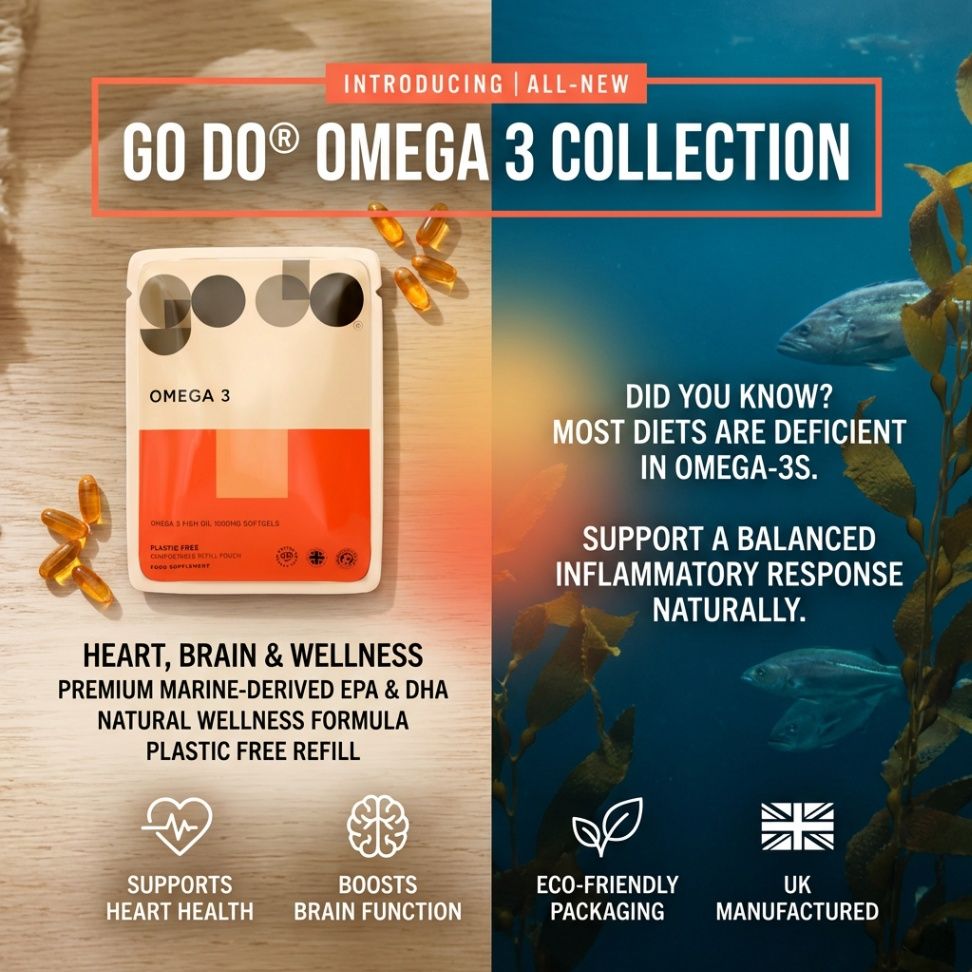
For those looking to boost their intake, exploring Omega-3 supplements is a proactive step in a swimmer's recovery routine.
Taurine and Chlorine Detoxification
Research suggests that the amino acid Taurine plays a unique role in protecting the body from halogen stress (damage caused by chemicals like chlorine, fluorine, and bromine). Taurine reacts with hypochlorous acid (a byproduct of chlorine in water) to form taurochloramine, which is significantly less toxic to human cells.
Taking Taurine on the day of your swim can assist your body in processing the chemicals that are absorbed through the skin. This is a targeted strategy often used by competitive athletes to minimize the systemic impact of daily pool sessions. You can find amino acid support in our Strength and Fitness range.
Immediate Post-Swim Protocol
To maximize recovery, follow this precise four-step routine every time you leave the water:
- The Fresh Water Rinse: Before you even reach for the soap, rinse for at least two minutes in fresh water. Your skin and hair are like sponges; if they are saturated with fresh water before you enter the pool (pre-rinse) and flushed immediately after, chlorine absorption is minimized.
- Neutralize: Apply a Vitamin C spray or a specialized swimmer's body wash that contains sodium ascorbate.
- Cool Shower: Avoid hot water. Heat opens the pores further and can exacerbate the dryness caused by chlorine. Use lukewarm or cool water to soothe the skin.
- Seal: Within three minutes of exiting the shower, apply a thick moisturizer or body oil while your skin is still damp. This "traps" the moisture in the skin.

Hair Care: Protecting the Keratin
Hair is particularly vulnerable because once the cuticle (the outer layer) is raised by chlorine, the internal cortex is exposed.
- Protein Treatment: Since chlorine weakens hair proteins, a bi-weekly protein mask can help fill the "gaps" in the hair shaft created by chemical damage.
- Clarifying Shampoos: Use a chelating shampoo once a week. These are specifically formulated to bond with minerals and chemicals (like chlorine and copper) and wash them away.
- Oil Barriers: Applying a small amount of coconut or argan oil to damp hair before putting on your swim cap can create a hydrophobic barrier, making it harder for chlorinated water to penetrate the hair shaft.
The Role of Hydration and Electrolytes
It is a common misconception that you don't sweat while swimming. In reality, you lose a significant amount of fluid and electrolytes, which can lead to dull, dehydrated skin.
Dehydration makes the skin more permeable to chemicals. By maintaining optimal hydration levels, you ensure that your skin cells remain "plump," which provides a better physical barrier against the pool environment. Consider adding an electrolyte supplement to your post-swim water bottle to replenish lost salts and minerals. Check out our Energy Collection for hydration support.
Summary Checklist for Chlorine Recovery
To keep your skin and hair healthy, integrate these nutrients and habits into your routine:
-
Internal Nutrients:
- Vitamin C (1000mg daily) for collagen and neutralization.
- Vitamin E for moisture barrier support.
- Omega-3 Fatty Acids to reduce inflammation and "itch."
- Taurine to assist in chemical detoxification.
-
External Habits:
- Pre-saturate hair and skin with fresh water.
- Use a Vitamin C rinse post-swim.
- Moisturize within 3 minutes of showering.
- Wear a high-quality silicone swim cap.
Chlorine is a hurdle, but it doesn't have to ruin your skin and hair. By combining smart topical care with targeted nutritional support, you can enjoy the benefits of swimming while maintaining a healthy, radiant appearance. For more specialized health advice and supplements, visit our Home Page.