Supplement stacking, combining multiple supplements to enhance their effectiveness, can accelerate your results when done correctly. But mix the wrong products, and you'll waste money at best or create health problems at worst.
The key is understanding which supplements work synergistically and which block each other's absorption. This guide breaks down the science-backed combinations that deliver results and the conflicts you need to avoid.
What Is Supplement Stacking?
Supplement stacking is the strategic combination of two or more supplements taken together to maximize their individual benefits. When paired correctly, certain supplements enhance each other's absorption, extend their effectiveness, or address multiple aspects of a single goal.
The concept originated in bodybuilding circles but now applies to anyone pursuing specific health outcomes, whether that's building muscle, improving recovery, supporting immune function, or optimizing sleep quality.
Timing, dosage, and pairing determine whether your stack delivers enhanced results or creates nutrient imbalances.

Proven Supplement Combinations That Work
For Muscle Growth and Strength
Creatine + Beta-Alanine
This combination produces measurable improvements in both strength and muscle endurance. Creatine increases ATP production for explosive power, while beta-alanine buffers lactic acid to delay muscle fatigue.
Research shows this stack significantly outperforms either supplement taken alone. Take 3-5g of creatine daily and 2-5g of beta-alanine, split into doses throughout the day.
Whey Protein + Mass Gainer Powder
For individuals struggling to consume enough calories for bulking, combining whey protein isolate with a mass gainer accelerates results. The whey provides fast-digesting protein for muscle synthesis, while the mass gainer supplies additional calories and carbohydrates for recovery and growth.
Consume this combination post-workout when nutrient absorption is highest.
For Performance and Recovery
Whey Protein Isolate + Pre-Workout
Taking a quality pre-workout 30-45 minutes before training, followed by whey protein immediately after, creates an optimal anabolic window. The pre-workout enhances focus and energy output, while the post-workout protein kickstarts recovery.
This combination works particularly well for early morning training sessions when glycogen stores are depleted.
BCAAs + Post-Workout Supplements
Branched-chain amino acids reduce muscle soreness and accelerate recovery when paired with a complete post-workout formula containing whey protein or mass gainer. The BCAAs prevent muscle breakdown during training, while the post-workout nutrition replenishes glycogen and initiates repair.
For Immune Health and General Wellness
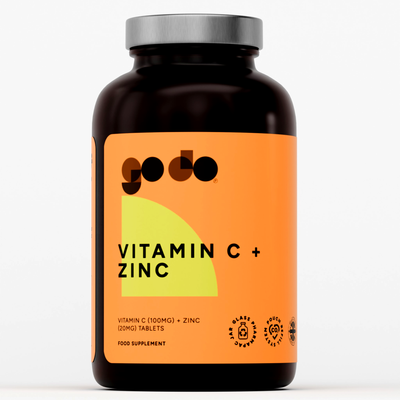
Vitamin C + Vitamin D + Zinc
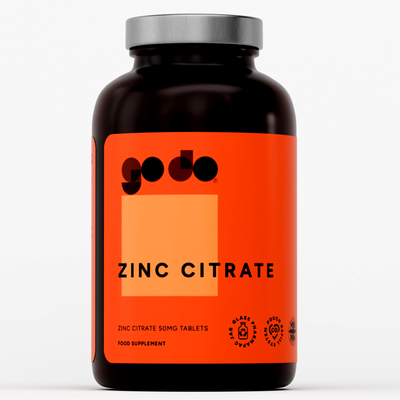
This trio works synergistically to support immune function. Vitamin C enhances zinc absorption, while vitamin D regulates immune cell function. Taking these together produces stronger immune responses than supplementing with any single nutrient.
Recommended doses: 500-1000mg vitamin C, 2000-4000 IU vitamin D, and 15-30mg zinc daily.

Supplement Conflicts: What Not to Combine
Calcium and Magnesium
Calcium directly interferes with magnesium absorption. When taken together, calcium dominates the absorption pathways, leaving magnesium largely unabsorbed.
Solution: Separate these supplements by at least 2-3 hours. Take calcium with breakfast and magnesium before bed, this timing also supports magnesium's role in sleep quality.
Calcium and Iron
Calcium blocks iron absorption through the same competitive mechanism. This pairing is particularly problematic for individuals with iron deficiency or anemia.
Solution: Take calcium supplements at night and iron supplements in the morning on an empty stomach. Wait at least 2 hours between doses.
Stimulants and Depressants
Combining caffeine-based pre-workouts or fat burners with supplements that have sedative effects (like valerian root or melatonin) creates conflicting signals in your nervous system. This can trigger anxiety, heart palpitations, or digestive distress.
Solution: Reserve stimulants for morning and early afternoon. Take any sleep-supporting supplements exclusively in the evening, at least 6-8 hours after your last stimulant dose.
Fat-Soluble Vitamins in Excess
Vitamins A, D, E, and K are fat-soluble, meaning they accumulate in body tissues rather than being excreted. Taking multiple supplements containing these vitamins simultaneously increases the risk of toxicity.
Excess vitamin A damages liver function. Too much vitamin D causes calcium buildup in blood vessels. High vitamin E doses interfere with blood clotting.
Solution: Calculate your total intake across all supplements and food sources. Most adults should not exceed 10,000 IU of vitamin A or 4,000 IU of vitamin D daily from supplementation.

Risks of Random Supplement Mixing
Nutritional Imbalances
Taking high doses of one mineral can create deficiencies in others. Excessive zinc supplementation depletes copper stores. Too much calcium reduces magnesium and iron absorption. These imbalances develop gradually and manifest as unexplained fatigue, weakness, or immune dysfunction.
Reduced Effectiveness
Many supplements compete for the same absorption pathways. When taken simultaneously, one nutrient wins while others pass through unabsorbed. This explains why some people see no results despite taking expensive supplement protocols, they're unknowingly blocking their own absorption.
Amplified Side Effects
Stacking multiple products with overlapping ingredients magnifies side effects. Taking a pre-workout containing 200mg caffeine alongside a fat burner with another 150mg caffeine delivers 350mg total, enough to cause jitters, anxiety, elevated heart rate, and disrupted sleep.
Always check supplement labels for shared ingredients, particularly caffeine, B vitamins, and proprietary blends.
Dangerous Medication Interactions
Certain supplements interfere with prescription medications. Calcium blocks antibiotic absorption. Iron reduces thyroid medication effectiveness. Fish oil and vitamin E increase bleeding risk for individuals on blood thinners.
Before starting any supplement stack, review your current medications with a healthcare provider to identify potential conflicts.
How to Build an Effective Supplement Stack
Step 1: Define Your Primary Goal
Every effective stack starts with one clear objective. Are you building muscle, losing fat, improving recovery, supporting immune health, or optimizing sleep?
Trying to address multiple unrelated goals in a single stack dilutes effectiveness and increases the risk of conflicts.
Step 2: Choose Foundation Supplements
Start with 2-3 evidence-based supplements directly aligned to your goal:
- Muscle building: Creatine, whey protein, beta-alanine
- Fat loss: Protein powder, caffeine, green tea extract
- Recovery: BCAAs, magnesium, omega-3s
- Immune support: Vitamin D, zinc, vitamin C
- Sleep quality: Magnesium glycinate, glycine, melatonin (short-term)
Step 3: Research Interactions
Before adding any supplement, verify it doesn't conflict with your existing stack. Check for:
- Shared absorption pathways (minerals competing for uptake)
- Overlapping ingredients (duplicate doses of caffeine or B vitamins)
- Opposing effects (stimulants vs. sedatives)
Step 4: Plan Optimal Timing
Supplement timing significantly impacts absorption and effectiveness:
- Morning: B vitamins, vitamin D, caffeine-based products, iron
- Pre-workout: Creatine, beta-alanine, citrulline, caffeine
- Post-workout: Whey protein, carbohydrate supplements
- With meals: Fat-soluble vitamins (A, D, E, K), fish oil
- Before bed: Magnesium, zinc, glycine, melatonin
Separate conflicting minerals by 2-3 hours minimum.
Step 5: Start Low and Monitor Response
Begin with the lowest effective dose of each supplement. Monitor for side effects, changes in energy, sleep quality, and progress toward your goal.
Increase dosages gradually only if needed and well-tolerated. Add new supplements one at a time so you can identify which products deliver results and which cause problems.
Step 6: Cycle Certain Supplements
Some supplements lose effectiveness with continuous use or carry risks with long-term supplementation:
- Caffeine: Cycle 2 weeks on, 1 week off to maintain sensitivity
- Melatonin: Use short-term only (2-4 weeks) for sleep issues
- High-dose zinc: Cycle to prevent copper depletion
- Pre-workouts: Take 1-2 rest days per week to prevent tolerance
Quality Matters More Than Quantity
The effectiveness of your stack depends entirely on supplement quality. Low-quality products contain inaccurate doses, harmful contaminants, or ineffective ingredient forms.
Look for:
- Third-party testing for purity and potency (NSF, Informed Sport, USP)
- Transparent labeling with specific ingredient amounts (avoid proprietary blends)
- Bioavailable forms of nutrients (magnesium glycinate vs. oxide, methylated B vitamins)
- Heavy metal testing results (particularly for protein powders and fish oils)
Research supplement companies thoroughly before purchasing. Read independent reviews and check for recall histories or regulatory warnings.
When to Seek Professional Guidance
Consult a healthcare provider or registered dietitian before stacking supplements if you:
- Take prescription medications
- Have chronic health conditions (kidney disease, liver problems, autoimmune disorders)
- Are pregnant or breastfeeding
- Experience unexplained symptoms after starting a stack
- Plan to take high doses of any supplement
- Compete in tested sports (some ingredients appear on banned substance lists)
Final Guidelines for Safe Stacking
Effective supplement stacking requires strategic planning, not random mixing. Start with evidence-based combinations aligned to your goal, separate conflicting nutrients by timing, and prioritize product quality over quantity.
Most importantly, remember that supplements enhance an already solid foundation: they don't replace proper nutrition, consistent training, adequate sleep, and stress management. Build your baseline habits first, then use strategic stacking to optimize results.