If you think muscle is just protein shakes… think again.
Walk into any gym, and you’ll see the same thing: someone crushing a double-scoop whey shake before they’ve even finished their last set of bicep curls. Don't get us wrong: protein is the building block of muscle. But in 2026, the "protein-only" mindset is officially outdated. If you are pounding 200g of protein a day but still looking the same as you did six months ago, you aren't lacking "bricks"; you're lacking the "workers" and the "fuel" to actually build the house.
Welcome to the era of Smarter Hypertrophy. At Fitness Health, we see it every day in customer service: people asking which protein is best, while ignoring the five other pillars that actually dictate whether that protein ever turns into muscle tissue.
1. The Real Stimulus: Progressive Overload
You can eat all the chicken breast in the world, but if you aren't giving your body a reason to change, it won't. Muscle is metabolically expensive. Your body doesn’t want to carry extra weight; it only builds it as an adaptation to stress.
Progressive overload is the non-negotiable driver of hypertrophy. This means consistently increasing the tension placed on your muscles over time.
- Increase the weight: Adding 2.5kg to the bar.
- Increase the volume: Doing 12 reps instead of 10.
- Improve the technique: Slower eccentrics and better mind-muscle connection.
If your workouts haven't changed in three months, your physique won't either. Check out our strength and fitness collection to find the tools that help you push these boundaries safely.

2. The Energy Gap: Why Calories and Carbs Matter
Here is a hard truth: it is incredibly difficult to build significant muscle in a calorie deficit, no matter how much protein you eat. Protein is the building material, but calories (specifically from carbohydrates) are the energy required to do the building.
When you consume carbohydrates, your body releases insulin. While insulin often gets a bad rap in fat-loss circles, it is actually one of the most anabolic (muscle-building) hormones in the body. It helps drive amino acids into the muscle cells and replenishes glycogen stores. Without adequate glycogen, your workouts will feel "flat," your strength will plateau, and your body may even start breaking down muscle tissue to use for energy.
The Fix: Ensure you are in a slight caloric surplus (200-300 calories above maintenance) and don't fear the carbs. They are the fuel for your progress.
3. The Recovery Pillar: Sleep is Your Natural Anabolic
You don't grow in the gym; you grow in your sleep. This isn't just a motivational quote; it’s biological fact.
During deep sleep, your body enters its most significant repair state. This is when Growth Hormone (GH) is secreted in its highest concentrations. GH is responsible for tissue repair and muscle growth. If you are cutting your sleep down to five or six hours, you are effectively cutting your natural growth hormone production in half.
Furthermore, lack of sleep spikes cortisol: the stress hormone. High cortisol is the "muscle killer." It breaks down muscle tissue and promotes fat storage around the midsection. If you're struggling to catch those Z’s, our sleep support range can help regulate your circadian rhythm.

4. The Micronutrient Factor: The "Workers" of the Body
This is where most people fail. They focus on macros (Protein, Carbs, Fats) but completely ignore micros (Vitamins and Minerals). At Fitness Health, we believe that Micronutrients are the "workers" that take the protein "bricks" and put them in place.
Without specific vitamins and minerals, the chemical reactions required for muscle protein synthesis simply don't happen efficiently.
Essential Micros for Muscle:
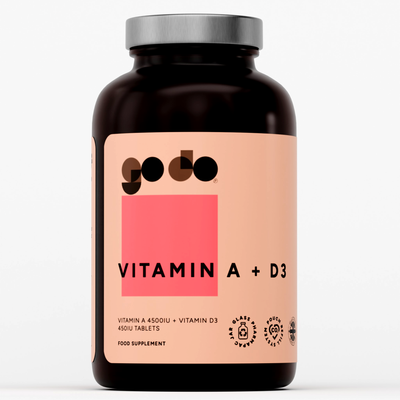
- Vitamin D: Research shows Vitamin D is directly linked to muscle strength and protein synthesis. It also supports the immune system, ensuring you don't miss training days due to illness.
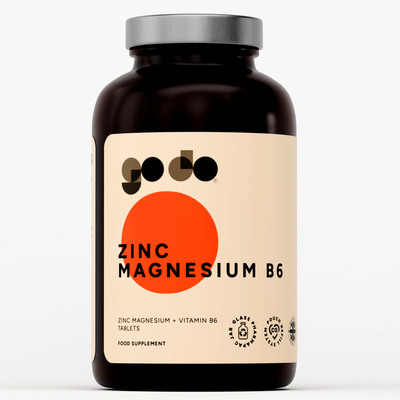
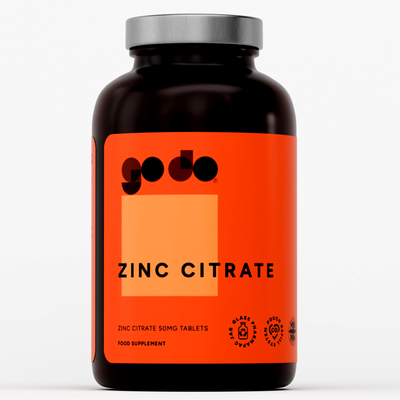
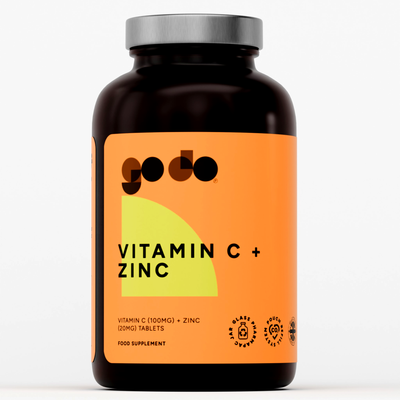
- Zinc: A cornerstone for testosterone production. Low zinc equals low "T," which means a much harder time building lean mass.
- Magnesium: Essential for muscle relaxation and preventing cramps, but also plays a massive role in over 300 biochemical reactions, including energy production.
- Omega-3 Fatty Acids: Found in our antioxidant and health range, these help decrease exercise-induced inflammation, allowing you to recover faster for your next session.
Supporting your body with a high-quality multivitamin or specific mineral supplements ensures that the biological "machinery" is actually running.
5. Hydration: Muscle is Mostly Water
Muscle tissue is approximately 75% water. Even a 2% drop in hydration can lead to a significant decrease in strength and athletic performance.
When you are well-hydrated, your muscle cells are "volumized." This cellular swelling isn't just for a better "pump" in the mirror: it’s actually a primary trigger for protein synthesis. A hydrated cell is an anabolic cell. If you are training in a dehydrated state, your strength will suffer, your joints will ache, and your recovery will move at a snail's pace.
Rule of thumb: Aim for 3-4 litres of water a day, especially if you are using supplements like Creatine, which pull water into the muscle cells.

6. Managing the Saboteur: Nervous System Awareness
In 2026, we are finally talking about the Nervous System. Your muscles are controlled by your brain. If your central nervous system (CNS) is fried from work stress, life stress, and too much caffeine, it cannot effectively recruit muscle fibres during your lifts.
If you find yourself with "heavy legs," low motivation, or a resting heart rate that is higher than usual, you might be under-recovering. This is where "deload weeks" come in. Every 4-8 weeks, drop your lifting volume by 30-50% to let your nervous system catch up.
Using adaptogens like Ashwagandha can also help manage your body's response to stress, keeping your cortisol in check so it doesn't eat away at your hard-earned gains.
The Verdict: Complete Routine Support
Building muscle is a holistic process. If you only focus on protein, you are playing the game with one hand tied behind your back. To see real, lasting change in your physique, you need to align your training, your fuel, your recovery, and your internal chemistry.
The Smarter Hypertrophy Checklist:
- Stimulus: Are you lifting heavier or better than last month?
- Fuel: Are you eating enough total calories and carbs to support growth?
- Micros: Are you covering your vitamin and mineral bases? (Check out our full range here).
- Recovery: Are you getting 7-9 hours of quality sleep?
- Hydration: Are you drinking enough to keep your muscle cells volumized?
Stop obsessing over the perfect protein powder and start looking at the bigger picture. Your body is a complex system; treat it like one.
Key Takeaways:
- Protein is a requirement, but it’s not the driver; progressive overload is.
- Carbohydrates and insulin are essential for an anabolic environment.
- Micronutrients like Zinc and Vitamin D act as catalysts for muscle growth.
- Sleep and stress management are just as important as your time in the gym.
- Hydration is the simplest way to boost performance and muscle volume instantly.