For the modern professional, the "afternoon slump" is a familiar foe. Around 3:00 PM, focus wavers, energy dips, and the temptation to reach for a sugary granola bar or a third cup of coffee becomes overwhelming. While many turn to "protein bars" as a quick fix, these are often glorified candy bars packed with hidden sugars, artificial sweeteners, and soy fillers that lead to a subsequent energy crash.
Transitioning to savory, high-protein snacks is one of the most effective ways to stabilize blood sugar, maintain cognitive clarity, and stay satiated until dinner. High-protein intake increases the production of satiety hormones like CCK and GLP-1 while reducing ghrelin, the hunger hormone. This article explores practical, real-food strategies for busy professionals to hit their protein goals without relying on processed bars.
Why Savory Beats Sweet for Professional Productivity
Most convenient snacks are carbohydrate-heavy. Even those labeled "healthy" often contain dates, honey, or syrups that cause a rapid spike in blood glucose. When your blood sugar spikes, your body releases insulin to manage it, often leading to a "crash" that leaves you feeling fatigued and "brain-fogged."
By opting for savory snacks, you naturally prioritize protein and healthy fats. This supports metabolic flexibility, allowing your body to switch more efficiently between burning carbohydrates and stored body fat for fuel. This steady energy supply is critical for long meetings, deep work sessions, and high-pressure decision-making.
1. The Power of "Real Food" Portable Protein
The goal is to find foods that are high in amino acids but low in prep time. Here are the top-tier savory options that can be kept in an office fridge or a desk drawer.
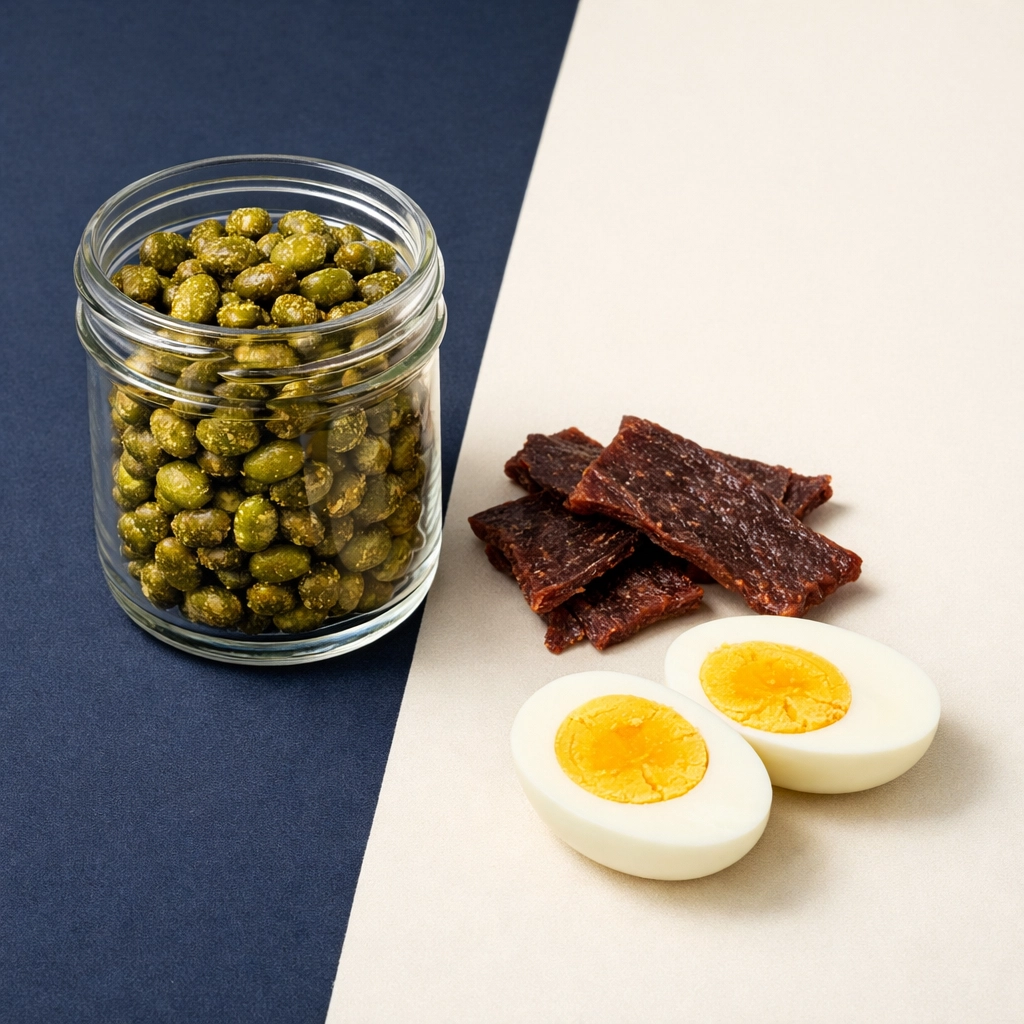
Hard-Boiled Eggs: The Gold Standard
One large egg provides approximately 6 grams of high-quality protein.
- The Strategy: Boil a dozen eggs on Sunday evening.
- Portability: Use a small, BPA-free container. To keep them savory, sprinkle with sea salt and cracked black pepper or a dash of smoked paprika.
- Tip: Keep them in their shells until you are ready to eat to maintain freshness for up to five days.
Cottage Cheese Bowls
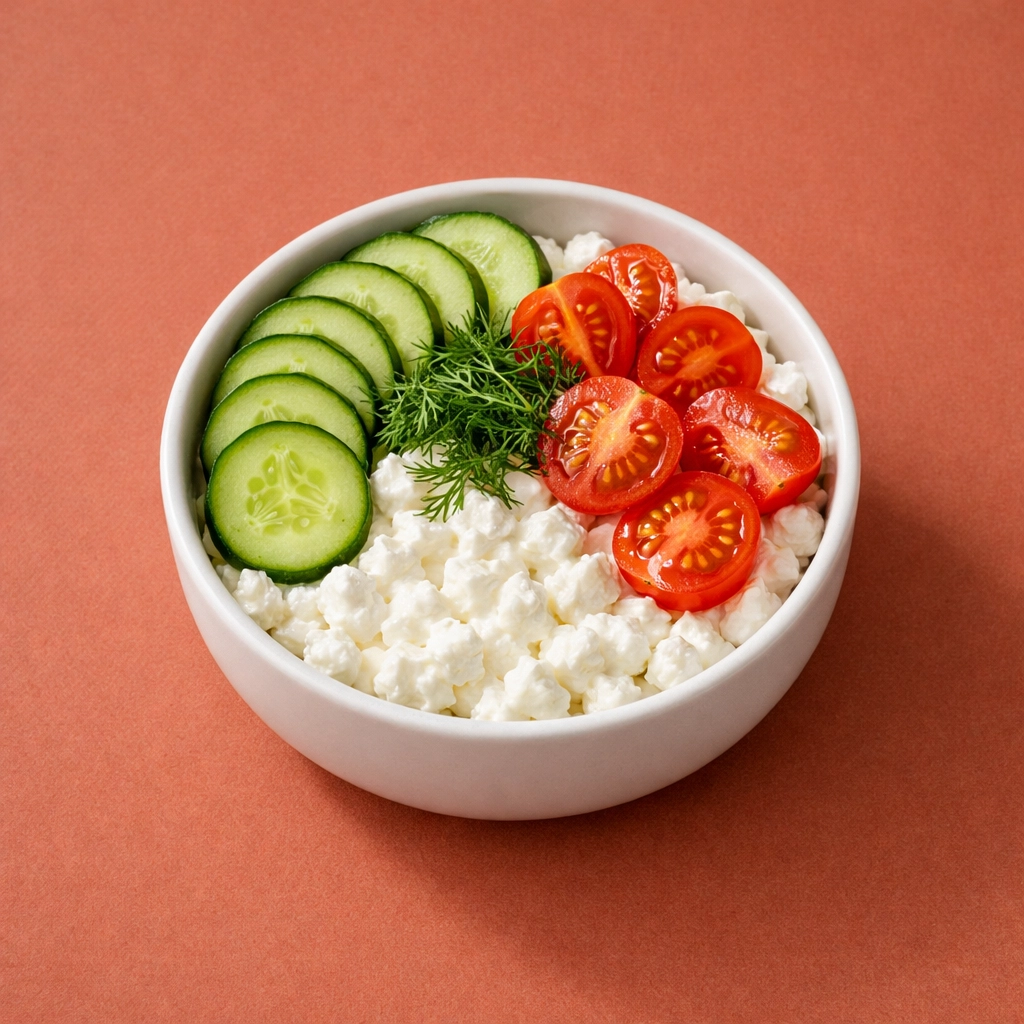
Cottage cheese is a protein powerhouse, offering about 25 grams of protein per cup. While often served with fruit, it shines as a savory dish.
- The Strategy: Use a single-serve container or portion out a large tub.
- Savory Toppings: Add diced cucumbers, cherry tomatoes, and a spoonful of hemp seeds for extra omega-3s.
- Professional Perk: It is highly satiating and requires zero cooking.
Greek Yogurt (The Savory Way)
Plain Greek yogurt contains 15-20 grams of protein per serving. Most people associate it with honey, but it works exceptionally well as a savory "dip."
- The Strategy: Mix plain Greek yogurt with dried dill, garlic powder, or even a spoonful of wild garlic pesto.
- Pairing: Eat it with sliced bell peppers or cucumber spears instead of crackers.
2. Desk-Stable Options (No Fridge Required)
Not every office has a reliable refrigerator, and not every professional has time to navigate the communal kitchen. These options are shelf-stable and pack a significant protein punch.
High-Quality Jerky and Biltong
Jerky has evolved. Look for brands that offer grass-fed beef, turkey, or venison with minimal added sugar (less than 2g per serving).
- Protein Content: Usually 10-12g per ounce.
- Selection Tip: Check the ingredient list for "monosodium glutamate" or "high fructose corn syrup." Ideally, you want meat, salt, vinegar, and spices.
Canned or Pouched Seafood
Tuna, salmon, and sardines are incredibly nutrient-dense.
- The Strategy: Look for "no-drain" pouches to avoid a mess at your desk.
- Protein Content: A standard pouch offers 17-20g of protein.
- Etiquette Tip: If you work in an open-plan office, consider eating these in the breakroom to be mindful of the scent.
Roasted Chickpeas and Edamame
If you need a "crunch," avoid potato chips and reach for roasted legumes.
- Roasted Edamame: Provides about 11g of protein per 1/4 cup and is high in fiber.
- Roasted Chickpeas: Offers 5-7g of protein and is very satisfying due to the fiber content.
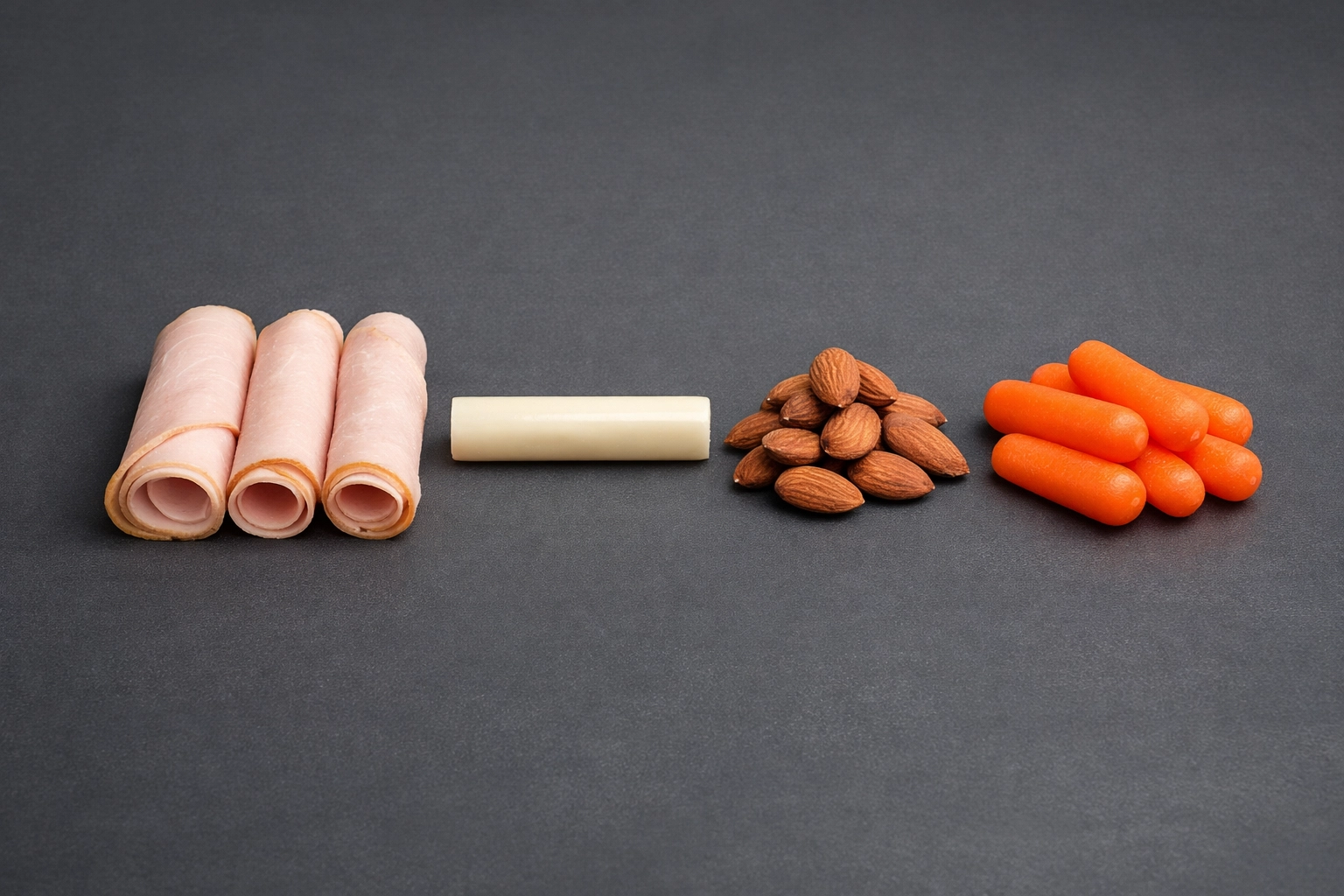
3. The "Mini-Charcuterie" Strategy
Instead of one large snack, many professionals prefer "grazing" through a small selection of items. This provides a variety of textures and micronutrients.
Build your box with:
- Protein: 3 slices of deli turkey or roast beef (9g protein).
- Healthy Fat: 1 string cheese or a handful of almonds (6-8g protein).
- Fiber: 5-10 baby carrots or snap peas.
- Flavor: 2-3 olives or a pickle.
This combination provides roughly 15-20g of protein and keeps insulin levels stable. If you are training for endurance or strength, these small hits of protein throughout the day help maintain a positive nitrogen balance for muscle repair. For more on fitness benchmarks, you might find our guide on average 100m freestyle times useful for context on physical standards.
4. Supplement Support: When Real Food Isn't Enough
While whole foods should be the priority, supplements play a vital role in a busy professional's life: especially during back-to-back meetings.
Choosing the Right Protein Powder
If you are using a shake, ensure it isn't just "filler."
- Whey Isolate: Best for fast absorption.
- Casein: Slower digesting, which is better for long periods without food.
- Plant-Based (Pea/Rice): Excellent for those with dairy sensitivities. Ensure it is a "complete" protein blend.
The "Savory Shake" Alternative
Most shakes are chocolate or vanilla. If you prefer savory, consider a high-quality bone broth powder.
- Preparation: Mix bone broth powder with hot water in a thermos.
- Benefits: It provides 10-15g of protein (collagen) and is soothing for the gut, making it a great "winter" snack in a cold office.
5. Timing Your Snacks for Maximum Focus
Consistency is key. Eating a high-protein snack between 2:00 PM and 4:00 PM can prevent the evening "hunger surge" that often leads to overeating at dinner or choosing poor-quality convenience foods on the commute home.
The 10-Minute Movement Rule
After consuming your snack, try to incorporate 10 minutes of light movement. This could be a walk to the water cooler or a quick flight of stairs. This small habit helps with glucose disposal, ensuring the energy from your snack is used by your muscles rather than stored.
Summary Checklist for the Busy Professional
To make this sustainable, follow this simplified shopping and prep list:
| Item | Protein Content | Storage |
|---|---|---|
| Hard-boiled Eggs | 6g per egg | Fridge (5 days) |
| Canned Tuna/Salmon | 18g per pouch | Desk Drawer |
| Beef/Turkey Jerky | 10g per ounce | Desk Drawer |
| Greek Yogurt (Plain) | 17g per cup | Fridge |
| String Cheese | 7g per stick | Fridge |
| Roasted Edamame | 11g per 1/4 cup | Desk Drawer |
Key Actionable Steps:
- Sunday Prep: Boil 6-10 eggs and portion out nuts/seeds.
- Office Stash: Keep 3-5 pouches of tuna and a bag of jerky in your desk for "emergencies."
- Hydrate: Pair high-protein snacks with plenty of water, as protein requires water for efficient digestion.
- Read Labels: Avoid anything where "Cane Sugar" or "Brown Rice Syrup" is in the first three ingredients.
By moving beyond the bar and focusing on savory, real-food options, you provide your brain and body with the steady fuel required for a high-performance career. For more tips on optimizing your health and fitness routine, explore our 10 quick tips about fitness.
Safety and Disclaimer
Always consult with a healthcare professional before making significant changes to your diet, especially if you have underlying kidney issues or specific metabolic conditions. Ensure all perishable snacks are stored at the correct temperature to prevent foodborne illness.