We’ve all been there. You’ve been hitting the gym consistently, your meals are on point, and the scale was moving steadily for weeks. Then, suddenly, everything stops. The numbers don't budge. Your strength gains feel like they've hit a ceiling. It’s incredibly easy to feel like you’re doing something wrong or that your body is simply giving up on you. However, hitting a plateau is actually a sign that your body is working exactly as it should. According to experts at Harvard Health, our bodies are remarkably good at adapting to the stresses we put them under. When progress stalls, it isn't a sign of failure. It's just a bit of biological feedback telling you that it’s time to change things up.
Table of Contents
- Understanding Fitness Plateaus: Why the Wall Appears
- The Science of Metabolic Adaptation in Weight Loss
- How to Break Through a Weight Loss Plateau Naturally
- Supplementing the Shift: Supporting Your New Baseline
- Evidence-Based Benefits of Reframing Your Progress
- Safety Warnings and Contraindications
- Recommended Categories
Understanding Fitness Plateaus: Why the Wall Appears
When you first start a new fitness journey, your body is in a state of "alarm." Everything is new, and every workout is a major challenge. Because of this, you see rapid changes. But after a while, your body becomes more efficient. It learns how to handle the weight you’re lifting or the miles you’re running with less effort. This is called homeostasis. Your body loves balance and wants to keep things exactly where they are to save energy.
I remember when I first started training for a 10k. For the first month, I felt like a superhero. Then, around week six, I just couldn't get any faster. I felt stuck and frustrated. I thought about quitting because I wasn't "getting better" anymore. It took me a while to realize that I wasn't stuck. I had just become a more efficient runner. My heart and lungs didn't have to work as hard anymore. That "wall" was actually my body telling me that I was finally fit enough to handle that specific distance. To keep improving, I had to introduce a new stimulus, like hill sprints or interval training.
Understanding fitness plateaus as a form of success is the first step toward moving past them. It means you’ve successfully mastered your current level of difficulty. Instead of getting angry at the scale or the weights, look at the data. Ask yourself what your body is trying to say. Usually, it’s saying, "I’ve got this handled. What’s next?"

The Science of Metabolic Adaptation in Weight Loss
Metabolic adaptation in weight loss is one of the most common reasons the scale stops moving. As you lose weight, your body actually requires fewer calories to function. Think of it like a car. A heavy truck needs a lot of fuel to drive ten miles, but a smaller, lighter car needs much less. When you lose ten or twenty pounds, you become that lighter car. If you keep eating the same amount of calories as you did when you were heavier, you eventually hit a point where you aren't in a deficit anymore. You've reached a new maintenance level.
This is often where "weight loss plateau feedback" becomes vital. Your body is telling you that your current energy intake now matches your current energy output. It’s not that the diet "stopped working." It’s that the diet worked so well that you now have a different body that needs different numbers. Research published by the Mayo Clinic suggests that this is a natural protective mechanism. Our bodies want to prevent us from losing too much weight too quickly, so they slow down our metabolism to keep us safe.
Instead of cutting calories lower and lower: which can eventually backfire: the goal should be to find natural ways to boost metabolism after a plateau. This might mean increasing your daily movement through "NEAT" (Non-Exercise Activity Thermogenesis), like walking more throughout the day, or adding more protein to your diet to increase the thermic effect of food.
How to Break Through a Weight Loss Plateau Naturally
If you're wondering how to break through a weight loss plateau, the answer usually lies in variety and recovery. When we do the same thing every day, our bodies get bored. Changing your workout routine can shock your system back into progress. If you always do steady-state cardio, try some high-intensity intervals. If you always lift the same weights for ten reps, try lifting heavier for five or lighter for fifteen. These small shifts provide a new "challenge" that forces your body to adapt all over again.
Don't forget about the power of rest. Sometimes, a plateau happens because your body is under too much stress. High levels of cortisol (the stress hormone) can lead to water retention and stalled fat loss. If you’ve been pushing yourself hard for months without a break, your plateau might be a cry for a de-load week. Taking a few days to focus on sleep and light walking can often reset your hormones and get things moving again.
Personal story time: I once went through a phase where I was obsessed with "more is better." I was working out six days a week and eating very little. My weight didn't change for three weeks. Out of pure exhaustion, I took a full week off and ate at maintenance calories. To my shock, I actually looked leaner and felt stronger when I returned. My body just needed to breathe.

Supplementing the Shift: Supporting Your New Baseline
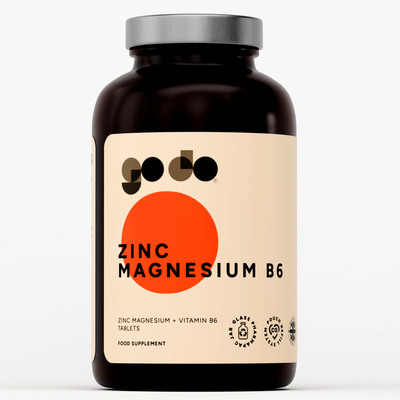
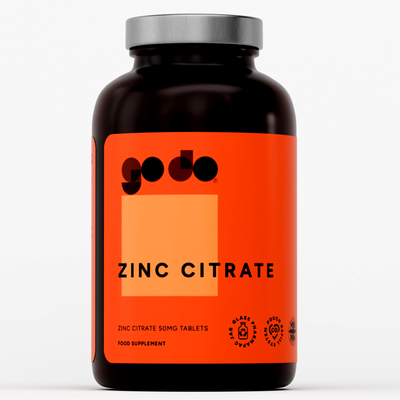
When you're rethinking fitness progress, sometimes you need a little extra support to nudge your metabolism or help your body handle the stress of a new routine. Quality supplements can fill the gaps that diet alone might miss. For example, if you're increasing your intensity to break a plateau, your body might need more minerals like Zinc or Magnesium to support muscle recovery and better sleep.
At Fitness Health, we believe in providing high-quality, UK-made supplements that are actually affordable. Most of our products sit in the $13-15 range because we think wellness should be accessible. If you're struggling with a plateau, you might look into digestive health solutions like our Bacillus Coagulans. A healthy gut can improve nutrient absorption and reduce inflammation, both of which are key when you're trying to push past a stall.
We also offer specialized options like Lions Mane for cognitive focus. When you're in a plateau, the mental game is the hardest part. Staying focused on your goals when the scale isn't moving requires a lot of "brain power." Supporting your nervous system can help you stay disciplined and keep the "good vibes" going even when the results are slow.

Evidence-Based Benefits of Reframing Your Progress
Shifting your mindset from "failure" to "feedback" has actual, measurable benefits for your long-term health. When you stop stressing, your body functions better. Here are some of the perks of embracing the plateau:
- Improved Metabolic Flexibility: Learning to adjust your intake and output teaches your body how to switch between fuel sources more efficiently.
- Reduced Cortisol Levels: Reframing the situation as feedback lowers psychological stress, which can reduce belly fat storage caused by high cortisol.
- Better Habit Sustainability: Focusing on the process rather than the immediate result helps you build habits that last for years, not just weeks.
- Increased Body Awareness: You start to learn the subtle signals your body sends when it needs more rest, more food, or a harder workout.
- Prevention of Burnout: Treating a plateau as a natural phase prevents you from "burning the candle at both ends" and eventually quitting altogether.
Safety Warnings and Contraindications
While pushing through a plateau is great, safety should always come first. Your health is the most important asset you have.
- Avoid Extreme Calorie Deficits: Never drop your calories below 1,200 (for women) or 1,500 (for men) without medical supervision. This can lead to nutrient deficiencies and metabolic damage.
- Listen to Joint Pain: If your plateau is accompanied by sharp joint pain, don't just "push through." This is a sign of potential injury, not a plateau.
- Supplement Safety: Always consult with a healthcare professional before starting new supplements, especially if you have pre-existing conditions or are pregnant.
- Overtraining Syndrome: Be aware of signs like chronic fatigue, irritability, and loss of appetite. These are signs you need more rest, not more work.
Join the Fitness Health Family
At Fitness Health, we’re all about helping you find your peak performance without breaking the bank. Our supplements are crafted in the UK with eco-conscious paper packaging, so you can look after your body and the planet at the same time. Whether you need a boost for your metabolism or help with your sleep, we’ve got you covered.

Shop Our Full Range of Supplements Here
Recommended Categories
If you enjoyed this look at fitness and mindset, you might find these other areas of our blog helpful: