

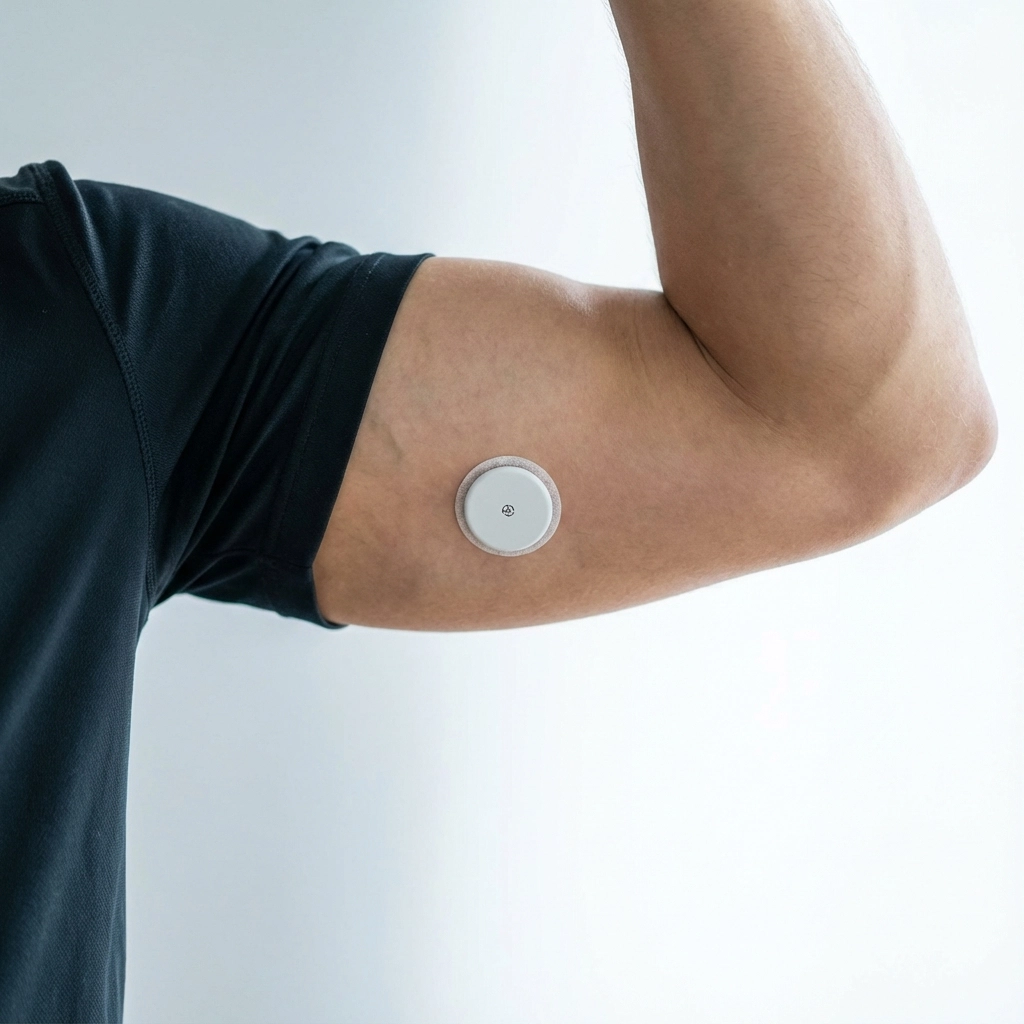
Walk into any high-end gym in London or Manchester, and you'll spot them: small circular devices stuck to people's arms, quietly tracking blood sugar levels every minute of the day. These continuous glucose monitors (CGMs) were once exclusive to diabetes management, but they've exploded into mainstream wellness culture. From fitness influencers documenting their glucose "spikes" after eating porridge to biohackers optimising their metabolic health, CGMs have become the latest must-have wellness gadget.
But here's the critical question: for people without diabetes, are these devices genuinely useful health tools, or are they creating unnecessary anxiety about normal biological processes? The answer, as with most health trends, lies somewhere in the nuanced middle.
The CGM Revolution: Why Healthy People Are Monitoring Blood Sugar
The shift from medical necessity to lifestyle choice didn't happen overnight. Social media wellness influencers, particularly those promoting metabolic health and longevity, began sharing their CGM data publicly. High-profile figures in the biohacking community started advocating for continuous glucose monitoring as a way to "optimise" health rather than simply manage disease.
This trend gained momentum during the pandemic when people became increasingly focused on health optimisation. The appeal is straightforward: instead of wondering how different foods affect your energy levels, mood, and long-term health, you can see exactly what happens to your blood sugar in real-time.
The biohacking community particularly embraces CGMs as tools for metabolic flexibility: the body's ability to efficiently switch between burning carbohydrates and fats for energy. Elite athletes have also adopted CGMs to fine-tune their nutrition and performance, creating a trickle-down effect to recreational fitness enthusiasts.
CGM Technology: The Basics You Need to Know
Continuous glucose monitors use a tiny sensor inserted under the skin (typically on the upper arm) that measures glucose levels in interstitial fluid: the fluid surrounding your cells. This sensor communicates wirelessly with a smartphone app, providing glucose readings every 1-3 minutes throughout the day and night.
Unlike traditional fingerprick tests that offer single-point measurements, CGMs create a continuous glucose curve showing trends, patterns, and responses to food, exercise, stress, and sleep. Modern CGMs can alert users to rapid glucose changes and provide detailed reports showing daily, weekly, and monthly patterns.
The technology has become remarkably accurate for diabetes management, with newer devices showing strong correlation to blood glucose measurements. However, it's important to understand that interstitial glucose readings can lag behind blood glucose by 10-15 minutes, particularly during rapid changes.
Decoding Glucose Spikes: What They Actually Mean for Non-Diabetics
For people without diabetes, glucose spikes are normal and expected. After eating, blood sugar naturally rises as carbohydrates are digested and absorbed. A healthy pancreas responds by releasing insulin to help cells absorb this glucose, returning levels to baseline within 2-3 hours.
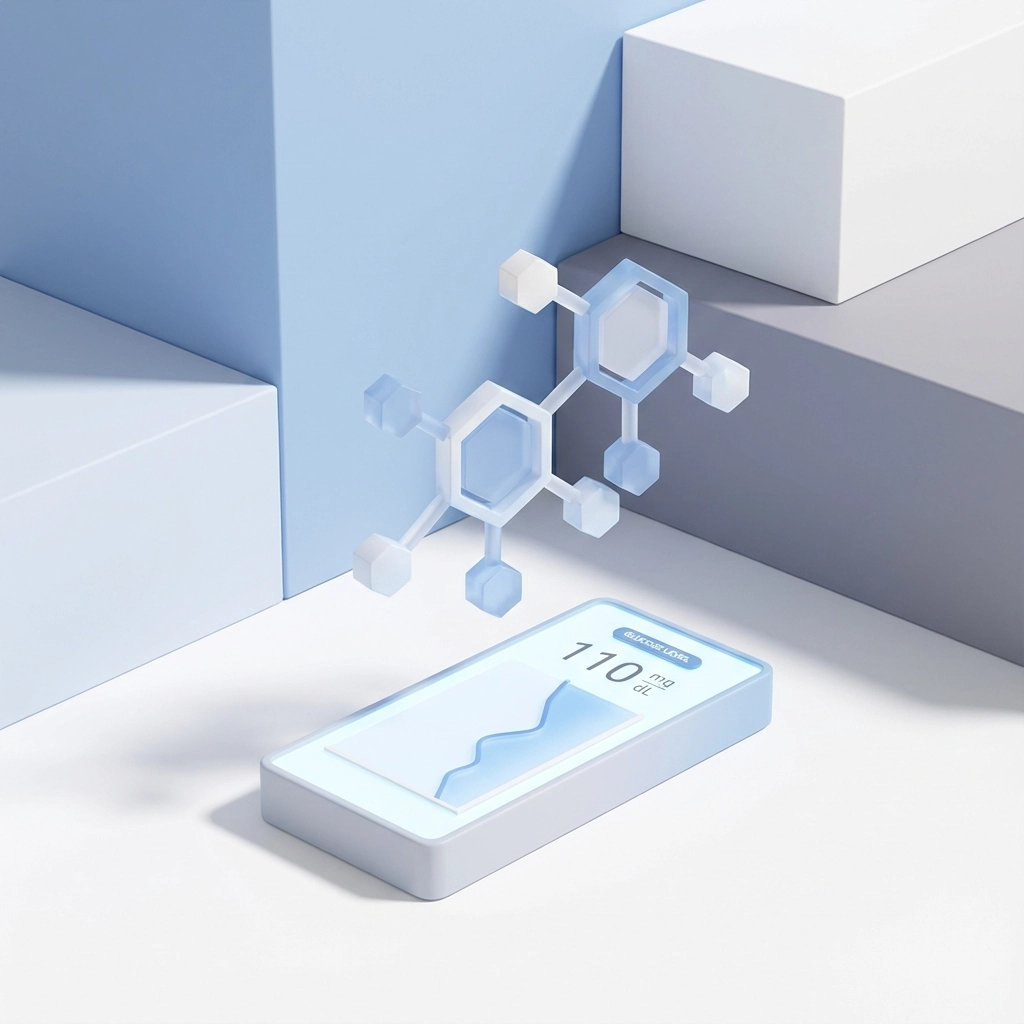
The key metrics that matter for non-diabetics include:
- Peak glucose levels: Generally staying below 140 mg/dL (7.8 mmol/L) after meals
- Time to return to baseline: Typically 2-3 hours for healthy individuals
- Overall glucose variability: Lower variability often indicates better metabolic health
- Dawn phenomenon: Natural morning glucose rise due to hormone changes
What many CGM users don't realise is that glucose responses vary significantly based on timing, food combinations, exercise, stress levels, and individual physiology. A glucose spike after eating fruit isn't necessarily problematic: it's often completely normal and healthy.
Scientific Evidence: Do CGMs Actually Benefit Non-Diabetics?
Research on CGM use in healthy populations remains limited but growing. Several studies suggest potential benefits for specific use cases:
Metabolic Health Awareness: A 2023 study published in Nutrients found that CGM use in healthy adults improved dietary choices and increased awareness of how specific foods affected their glucose levels. Participants made measurable improvements in selecting lower-glycaemic foods and timing their meals more strategically.
Athletic Performance: Research with endurance athletes shows CGMs can help optimise fueling strategies during training and competition. Athletes using CGMs demonstrated better ability to maintain stable glucose levels during prolonged exercise, potentially improving performance and recovery.
Weight Management: Some evidence suggests CGM data can support weight loss efforts by helping people understand the relationship between food choices, glucose stability, and hunger patterns. However, this research is still emerging and not conclusive.
Early Detection: CGMs may identify individuals with early metabolic dysfunction before it progresses to prediabetes or type 2 diabetes. This early detection could enable preventive interventions.
Individual Glucose Response: Why Your Data Might Look Different
One of the most striking findings from CGM research is the enormous individual variability in glucose responses. A landmark 2015 study in Cell showed that people eating identical foods had dramatically different glucose responses: sometimes varying by 4-5 fold.

Factors influencing individual glucose responses include:
- Genetics: Inherited variations in glucose metabolism
- Gut microbiome: Different bacterial populations affect carbohydrate digestion
- Physical fitness: More active individuals typically show better glucose control
- Body composition: Muscle mass and body fat percentage influence insulin sensitivity
- Sleep quality: Poor sleep directly impacts glucose regulation
- Stress levels: Chronic stress elevates cortisol, affecting blood sugar
- Meal timing and composition: Protein and fat can moderate glucose spikes
This variability means CGM data is highly personal. What works for a fitness influencer on Instagram might not apply to your physiology.
The Dark Side: When CGMs Create More Problems Than Solutions
Despite potential benefits, CGMs can generate significant downsides for some users. The constant stream of glucose data can trigger obsessive monitoring behaviours, particularly in individuals prone to health anxiety or eating disorders.
Common negative effects include:
- Glucose anxiety: Excessive worry about normal glucose fluctuations
- Food fear: Avoiding healthy foods that cause temporary glucose rises
- Perfectionist behaviour: Obsessing over achieving "perfect" glucose curves
- Social isolation: Restricting social eating to avoid glucose spikes
- Misinterpretation: Drawing incorrect conclusions from normal biological variations
Mental health professionals report seeing patients who develop disordered relationships with food after using CGMs. The device meant to improve health becomes a source of chronic stress and restriction.
Actionable Insights: What Non-Diabetics Can Actually Learn
When used appropriately, CGMs can provide several actionable insights for non-diabetics:
Personalised Nutrition: Identifying which foods cause problematic glucose spikes for your individual physiology, rather than following generic dietary advice.
Meal Timing Optimisation: Understanding how meal spacing affects your glucose patterns and energy levels throughout the day.
Exercise Response: Learning how different types and intensities of exercise affect your glucose metabolism.
Stress Management: Recognising how psychological stress manifests in glucose patterns, providing motivation for stress reduction techniques.
Sleep Quality Connection: Seeing the direct relationship between poor sleep and glucose dysregulation.
However, these insights require careful interpretation and ideally guidance from healthcare professionals who understand glucose physiology.
UK Access: NHS Policies, Private Options, and Real-World Costs
In the UK, CGMs are primarily available through the NHS for people with type 1 diabetes and some individuals with type 2 diabetes who meet specific criteria. The National Institute for Health and Care Excellence (NICE) has approved CGMs for diabetes management but doesn't currently recommend them for healthy individuals.
For non-diabetics interested in CGM monitoring, options include:
Private Healthcare: Some private clinics offer CGM monitoring as part of comprehensive health assessments. Costs typically range from £200-500 for a 2-week monitoring period, including consultation and data interpretation.
Direct Purchase: Certain CGM devices can be purchased directly, though this requires prescription in the UK. Costs for sensors range from £50-90 per device, lasting 10-14 days.
Wellness Programmes: Some premium gym chains and wellness centres offer CGM monitoring as part of metabolic health packages.
Research Participation: Occasionally, universities and research institutions recruit healthy volunteers for CGM studies, providing free monitoring in exchange for data contribution.
The cost-benefit analysis for most healthy individuals doesn't strongly favour CGM use, particularly given the limited evidence base and potential for creating unnecessary health anxiety.
Who Should Consider CGMs and Who Should Skip Them
Consider CGM monitoring if you:
- Have family history of diabetes and want early detection
- Are an athlete seeking performance optimisation
- Have specific metabolic health goals with professional guidance
- Experience unexplained energy fluctuations potentially related to glucose
- Are working with a healthcare provider on metabolic health improvement
Skip CGMs if you:
- Have a history of health anxiety or eating disorders
- Are prone to obsessive health monitoring behaviours
- Have no specific health concerns or goals requiring glucose data
- Cannot afford ongoing sensor costs without financial strain
- Lack access to professional guidance for data interpretation
The evidence suggests CGMs work best as targeted tools for specific health goals rather than general wellness gadgets. For most healthy individuals, focusing on established health fundamentals: regular exercise, balanced nutrition, adequate sleep, and stress management: provides greater benefit than continuous glucose monitoring.
The technology isn't inherently good or bad; its value depends entirely on how it's used and whether it supports or undermines your overall health and wellbeing. Before investing in CGM monitoring, consider whether you have clear, specific goals that glucose data can meaningfully address.










