In the world of elite performance and general wellness, the debate between "fire and ice" has never been more prominent. Athletes and fitness enthusiasts are increasingly turning to cold plunges and saunas to shave days off their recovery time and improve their overall health. But when you are standing between a freezing tub of water and a 90-degree cedar room, which one should you choose?
The answer isn't as simple as one being "better" than the other. Both cold exposure and heat therapy offer distinct physiological benefits. Understanding how these mechanisms work is the key to choosing the right tool for your specific fitness goals.
The Science of Cold Exposure: More Than Just a Brain Freeze
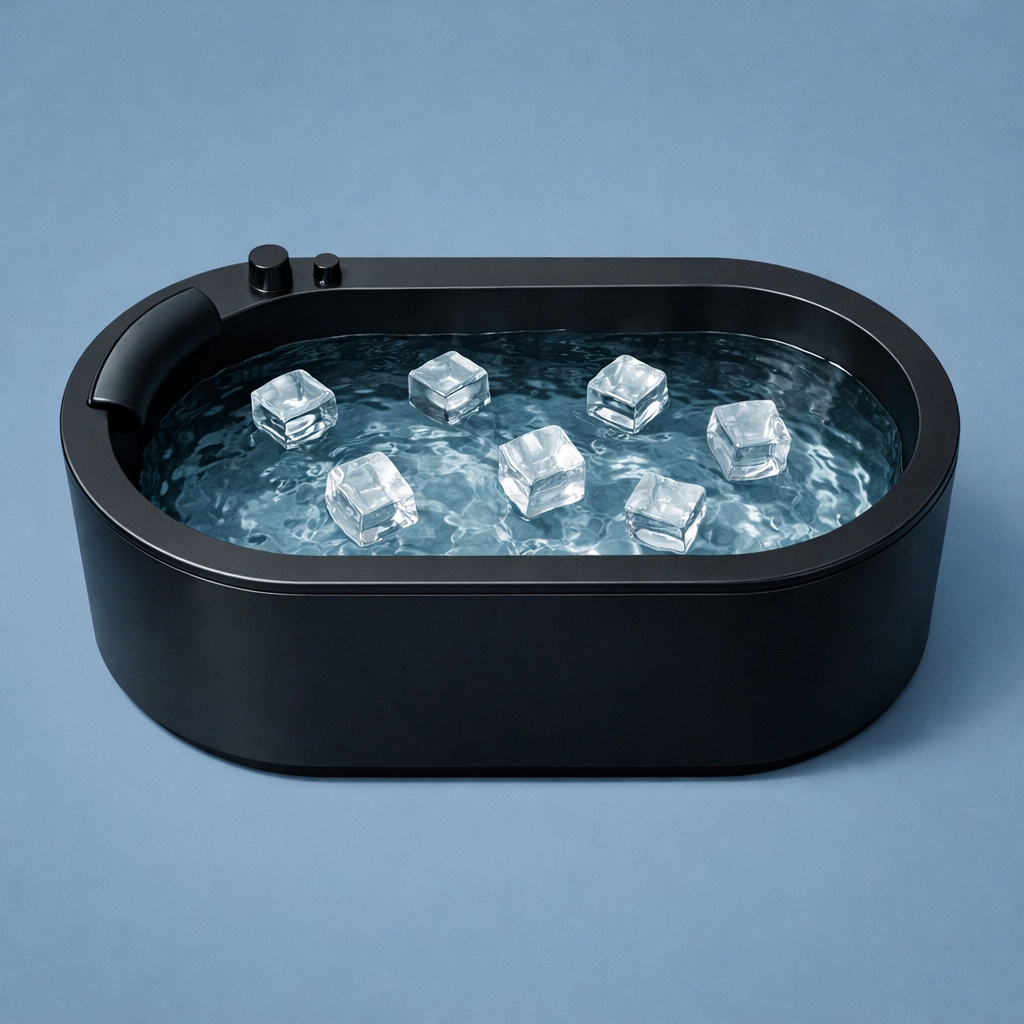
Cold exposure, often practiced via ice baths or cold showers, focuses on the principle of vasoconstriction. When your body is submerged in cold water, your blood vessels narrow, shunting blood away from your extremities and toward your core to protect your vital organs.
1. Reducing Inflammation and DOMS
One of the primary reasons athletes use cold exposure is to combat Delayed Onset Muscle Soreness (DOMS). Research indicates that cold immersion can significantly reduce the perception of muscle soreness for up to 96 hours after intense exercise. By reducing blood flow to the muscles, you effectively limit the inflammatory response that causes pain and swelling.
2. The Neurological Powerhouse
Cold exposure is a potent tool for mental health and focus. Submerging yourself in cold water triggers an acute release of dopamine: up to 250% above baseline: and norepinephrine by over 500%. Unlike the quick spike and crash of caffeine, this dopamine increase is sustained, leading to improved mood and mental clarity throughout the day. If you are looking to improve your productivity, check out our nootropics collection to complement your morning cold plunge.
3. Immune System Support
Regular cold exposure has been shown to increase the production of white blood cells and anti-inflammatory cytokines. This strengthens the body’s natural defense mechanisms, making it a valuable practice for those looking to maintain consistent training schedules without being sidelined by minor illnesses.
The Science of Sauna: The Benefits of Heat Stress
While the cold is about constriction, the sauna is about expansion (vasodilation). When you sit in a sauna, your heart rate increases, and your blood vessels dilate, significantly improving circulation.
1. Enhanced Nutrient Delivery
Because the heat increases blood flow, your body becomes more efficient at delivering oxygen and essential nutrients to fatigued muscle tissue. This process accelerates cellular repair and helps flush out metabolic waste products like lactic acid. For optimal muscle repair, ensuring you have the right vitamins and minerals in your system is crucial to support this increased blood flow.
2. Heat Shock Proteins (HSPs)
One of the most unique benefits of sauna use is the activation of Heat Shock Proteins. These proteins act as "cellular bodyguards," repairing damaged proteins and preventing muscle atrophy. This makes the sauna an excellent tool for maintaining muscle mass even during periods of injury or reduced training volume.
3. Cardiovascular and Longevity Benefits
The cardiovascular strain of a sauna session is often compared to moderate-intensity aerobic exercise. Frequent sauna use (4–7 times per week) is linked to a 50% reduction in the risk of cardiovascular-related death. It improves arterial stiffness and lowers blood pressure over time, making it a cornerstone for long-term heart health.

Cold vs. Sauna: Which Should You Choose?
The "best" method depends entirely on your training phase and your specific objectives.
When to Choose Cold Exposure:
- During Competition: If you need to perform again within a few hours or the next day, cold exposure is superior for reducing immediate pain and perceived fatigue.
- To Improve Focus: If you need an immediate boost in focus and alertness to tackle a difficult workday.
- After Endurance Training: Cold exposure is generally safe and effective after long runs or cycling sessions to manage joint and muscle inflammation.
When to Choose the Sauna:
- For Hypertrophy (Muscle Growth): If your goal is building size and strength, the sauna is the winner. Cold exposure immediately after lifting can actually "blunt" the muscle-building signals (protein synthesis), whereas the sauna supports them.
- For Flexibility and Joint Health: The heat increases the elasticity of collagen fibers, making it excellent for those focused on joint health and mobility.
- Before Bed: A sauna session followed by a gradual cool-down signals to your body that it is time to sleep. If you struggle with rest, consider browsing our sleep support collection.
The Power of Contrast Therapy: The Best of Both Worlds
You don’t always have to choose. Contrast therapy: alternating between hot and cold: is a favorite among professional athletes for a reason. By "pumping" the blood vessels (constricting with cold, dilating with heat), you create a physiological pump that rapidly moves blood through the body.
A Standard Contrast Protocol:
- Sauna: 10–15 minutes at 80-90°C.
- Cold Plunge: 2–3 minutes at 10-15°C.
- Rest: 5 minutes at room temperature.
- Repeat: 3 rounds, always ending on cold if you want to feel energized, or ending on heat if you want to relax.

Practical Guidelines for Safe Recovery
To get the most out of these therapies without overtaxing your nervous system, follow these practical steps:
Cold Exposure Protocol
- Temperature: 10°C to 15°C is sufficient for most. You don't need to sit in a block of ice to see results.
- Duration: Aim for 11 minutes of total "uncomfortably cold" exposure per week, spread across 2–4 sessions.
- Safety: Never do cold plunges alone if you are a beginner, and always focus on slow, controlled exhales to manage the initial cold shock.
Sauna Protocol
- Temperature: 80°C to 100°C for traditional saunas; 50°C to 60°C for infrared saunas.
- Duration: 15–20 minutes per session. Aim for a total of 57 minutes per week for maximum cardiovascular benefits.
- Hydration: You will lose a significant amount of fluid through sweat. Supplement with electrolytes to prevent headaches and fatigue.
Timing Your Recovery for Maximum Gains
The most critical takeaway for those focused on strength and fitness is the timing of cold exposure. If you are lifting weights to build muscle, wait at least 4 to 6 hours after your workout before doing a cold plunge. Using the cold too soon can inhibit the mTOR pathway, which is the primary signal for muscle growth.
Conversely, the sauna can be used immediately after a workout. In fact, using the sauna post-workout can enhance the "post-exercise oxygen consumption" (EPOC) effect, potentially aiding in weight loss goals by keeping your metabolic rate elevated for longer.
Summary: Key Takeaways
| Goal | Primary Tool | Why? |
|---|---|---|
| Reduce Muscle Soreness | Cold Exposure | Vasoconstriction reduces inflammation and pain signals. |
| Muscle Growth (Hypertrophy) | Sauna | Heat Shock Proteins support repair without blunting growth signals. |
| Mental Clarity & Focus | Cold Exposure | Triggers massive, sustained release of dopamine and norepinephrine. |
| Cardiovascular Health | Sauna | Mimics aerobic stress and improves blood vessel function. |
| Rapid Total Recovery | Contrast Therapy | Uses the "vascular pump" to flush metabolic waste and deliver nutrients. |
Recovery is a multi-faceted process. While cold and heat are powerful environmental stressors, they work best when supported by a solid foundation of nutrition and supplementation. Whether you are looking for antioxidants to fight oxidative stress or energy support for your next session, choosing the right tools for your body is the first step toward peak performance.
Both the sauna and the cold plunge are valid, scientifically-backed methods to improve your health. By understanding your specific needs: whether it's the anti-inflammatory power of the ice or the cellular repair of the heat: you can build a recovery routine that actually delivers results.