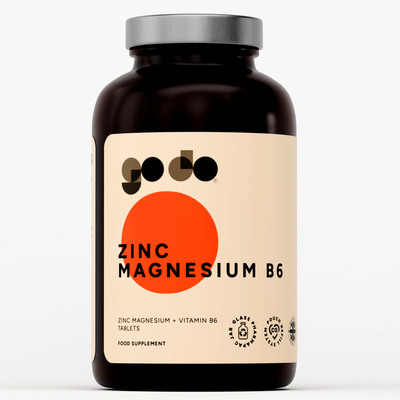
Maintaining a robust immune system is not about "boosting" your defenses overnight; it is about providing the physiological infrastructure required for your body to defend itself. According to the National Institutes of Health (NIH), nutrition is a critical determinant of immune responses, and malnutrition, even subclinical micronutrient deficiencies, can significantly impair immune surveillance and increase susceptibility to infection.
Table of Contents
- The Invisible Battlefield: Innate vs. Adaptive Immunity
- The Nutrient Armory: Essential Vitamins and Minerals
- The Gut-Immune Connection: Your First Line of Defense
- Real-World View: Immune Boosting vs. Immune Supporting
- Step-by-Step Framework: The 7-Day Immune-Resilience Protocol
- Safety and Contraindications
- Frequently Asked Questions
Key Takeaways
| Feature | Impact on Immunity | Recommended Source |
|---|---|---|
| Vitamin D | Regulates T-cell response | Sun exposure & supplementation |
| Zinc | Essential for DNA synthesis in immune cells | Seeds, nuts, & Zinc Magnesium B6 |
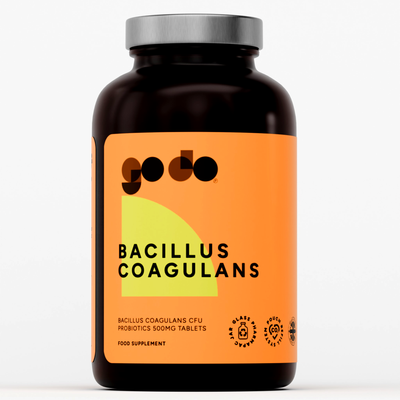
| Probiotics | Maintains mucosal barrier integrity | Fermented foods & Bacillus Coagulans |
| Vitamin C | Supports epithelial barrier function | Citrus fruits & daily vitamins |
| Protein | Building blocks for antibodies | Lean meats, beans, & organic powders |
The Invisible Battlefield: Innate vs. Adaptive Immunity
To understand how nutrition fuels your defenses, you must first understand the two-tier system of the human immune response. Your body employs a sophisticated strategy that utilizes both immediate, broad-spectrum defense and highly targeted, long-term memory.
- Innate Immunity: This is your "first responder" system. It includes physical barriers like your skin and mucous membranes, as well as cells like neutrophils and macrophages that attack pathogens indiscriminately. Nutrition helps maintain these physical barriers and ensures these cells have the energy (ATP) to move and consume invaders.
- Adaptive Immunity: This is the "special forces" unit. It involves T-cells and B-cells that recognize specific pathogens. This system "remembers" past invaders, providing long-term protection. Nutritional status dictates how effectively these cells can multiply (proliferate) once a threat is detected.

"The immune system is a complex network of cells and proteins that defends the body against infection. It keeps a record of every germ it has ever defeated so it can recognize and destroy the microbe quickly if it enters the body again." , Better Health Channel / NIH context
The Nutrient Armory: Essential Vitamins and Minerals
Your immune cells are among the most metabolically active cells in your body. They require a constant supply of specific micronutrients to function at peak capacity. Deficiencies in even one of these can create a "chink in the armor."
Micronutrient Impact Table
| Nutrient | Primary Immune Mechanism | Common Food Sources |
|---|---|---|
| Vitamin A | Maintains mucosal integrity (skin/gut) | Carrots, sweet potatoes, spinach |
| Vitamin C | Accumulates in phagocytic cells to enhance killing | Oranges, bell peppers, broccoli |
| Vitamin D | Modulates the innate and adaptive immune response | Sunlight, oily fish, egg yolks |
| Zinc | Crucial for normal development of immune cells | Oysters, beef, pumpkin seeds |
| Selenium | Protects cells from oxidative stress during infection | Brazil nuts, seafood, organ meats |
Pro Tip: Combine your fat-soluble vitamins (A, D, E, and K) with a source of healthy fats, such as avocado or olive oil, to maximize absorption.

The Gut-Immune Connection: Your First Line of Defense
Did you know that approximately 70-80% of your immune cells reside in your gut? The Gut-Associated Lymphoid Tissue (GALT) is where your immune system learns to differentiate between harmless food particles and dangerous pathogens.
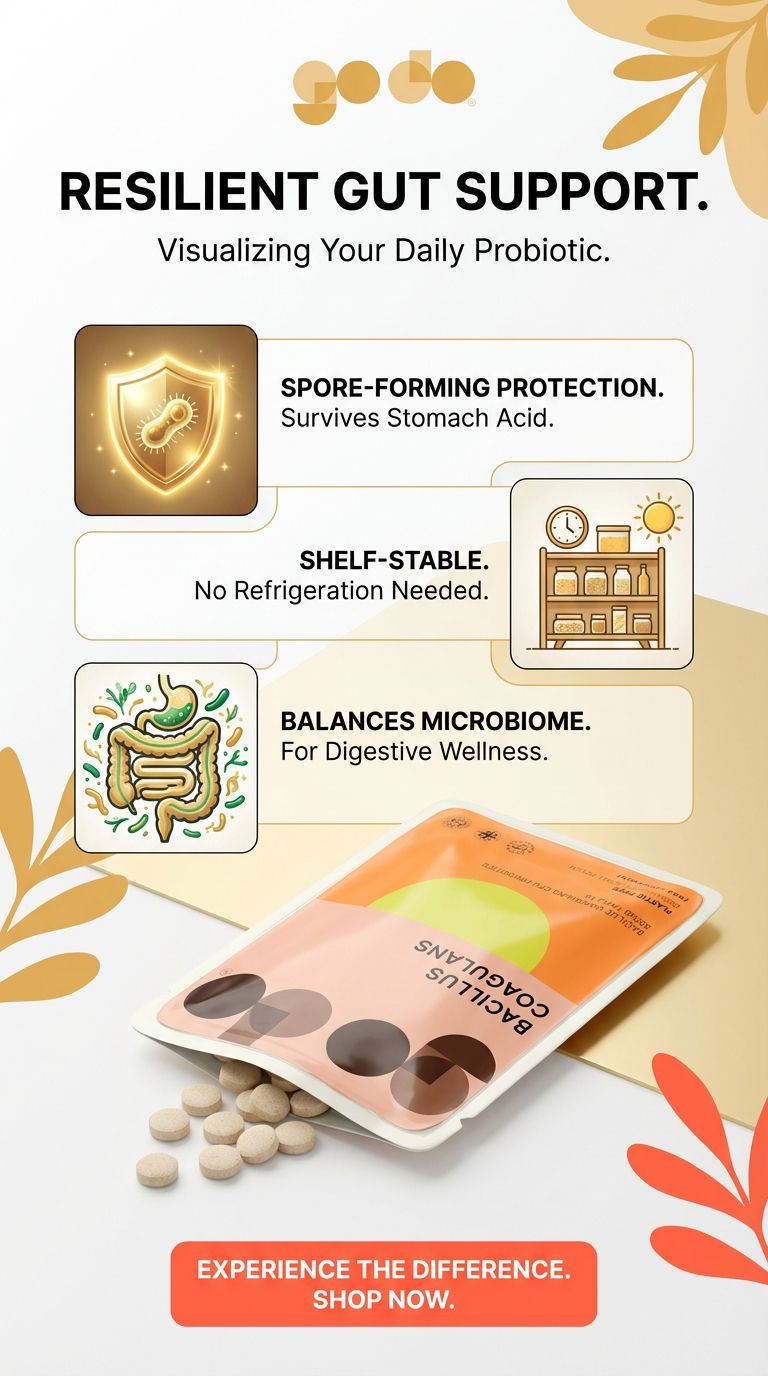
The "plate" side of the battle involves fiber and fermented foods. A diet high in diverse plant fibers fuels the production of Short-Chain Fatty Acids (SCFAs), which have potent anti-inflammatory properties. Furthermore, specific probiotic strains like Bacillus Coagulans have been shown to survive the harsh environment of the stomach to support the intestinal microbiome.
Benefits of Microbiome Support:
- Pathogen Exclusion: Beneficial bacteria compete with pathogens for space and resources.
- Barrier Support: Probiotics help tighten the junctions between gut cells, preventing "leaky gut" issues.
- Cytokine Regulation: A healthy gut helps the body produce the right balance of signaling molecules to prevent chronic inflammation.
Real-World View: Immune Boosting vs. Immune Supporting
The term "immune boosting" is a common marketing buzzword that is scientifically inaccurate. You do not actually want an "overactive" or "boosted" immune system, that is the definition of an autoimmune disorder or a cytokine storm.
The Reality: Your goal should be immune modulation or immune support. This means providing the body with the raw materials it needs to mount an appropriate response.
- Hype: Drinking a green juice once a week will prevent the flu.
- Science: Consistent intake of Vitamin D and Zinc over months maintains the baseline readiness of your T-cells.
Step-by-Step Framework: The 7-Day Immune-Resilience Protocol
Follow this practical guide to optimize your nutritional intake for long-term defense.
- Day 1-2: Audit Your Micronutrients. Ensure you are hitting the RDA for Zinc (8-11mg) and Vitamin C (75-90mg). If your diet is lacking, consider a high-quality Vitamins and Minerals supplement.
- Day 3: Hydration & Barrier Support. Increase water intake to keep mucous membranes moist. Add one serving of fermented foods (kimchi, kefir, or a probiotic capsule) to support the GALT.
- Day 4-5: Optimize Vitamin D. Get 15 minutes of direct sunlight or check your Vitamin D levels. Supplementation is often necessary in Northern latitudes.
- Day 6: Focus on "The Plate". Eliminate ultra-processed sugars for 24 hours. High glucose levels can temporarily suppress the ability of white blood cells to destroy bacteria.
- Day 7: Rest & Recovery. Sleep is the time when the immune system releases cytokines. Aim for 7-9 hours to allow the "memory" part of your adaptive immunity to function correctly.

Safety and Contraindications
While nutrition is vital, more is not always better. Excessive intake of certain minerals can be toxic or interfere with medications.
- Zinc Toxicity: Chronic intake of Zinc above 40mg per day can lead to copper deficiency and impaired immune function.
- Vitamin D: Fat-soluble vitamins accumulate in the body. Consult a professional if supplementing with very high doses (above 4,000 IU) long-term.
- Autoimmune Conditions: If you have a diagnosed autoimmune disease, consult your rheumatologist before starting supplements that stimulate the immune system (like Echinacea or high-dose Elderberry).
Fitness Health: Premium Support for Your Natural Defenses
At Fitness Health, we believe that high-quality nutrition should be accessible to everyone. Our Zinc Magnesium B6 and Bacillus Coagulans Probiotics are formulated in the UK to the highest standards, using eco-conscious packaging to protect both you and the planet. Stay ready for whatever life throws at you with science-backed supplements starting at just $13-15.

Frequently Asked Questions
Can I "fix" my immune system overnight with nutrition? No. Immune cells take time to develop and circulate. It typically takes weeks of consistent nutritional support to see changes in baseline immune markers.
Does Vitamin C prevent the common cold? According to Cochrane reviews, Vitamin C does not reduce the incidence of colds in the general population but may reduce the duration and severity if taken consistently before the onset of symptoms.
Is it better to get nutrients from food or supplements? Food should always be your primary source because it contains synergistic compounds (like phytonutrients). However, supplements are effective tools for filling specific gaps, such as Vitamin D in winter or Zinc for those with restricted diets.
Recommended Reading
Article generated by Penny