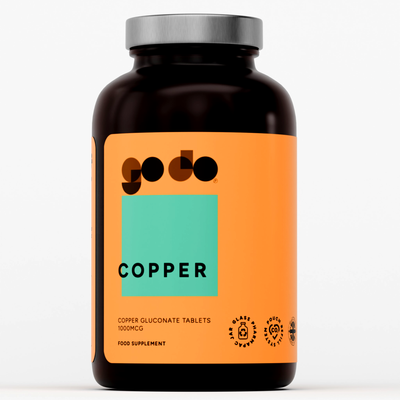
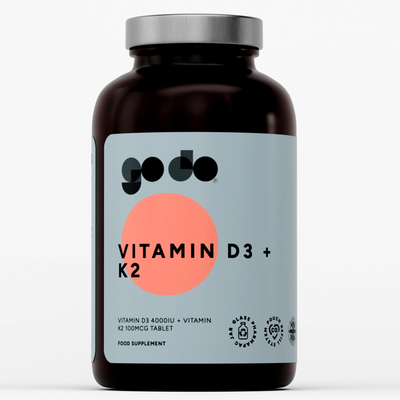
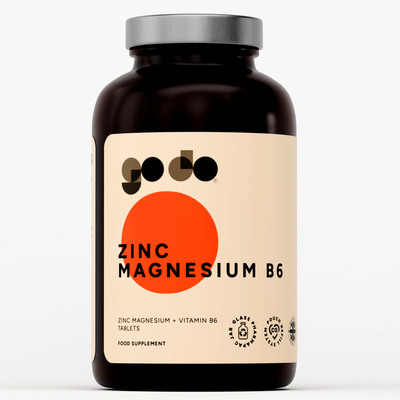
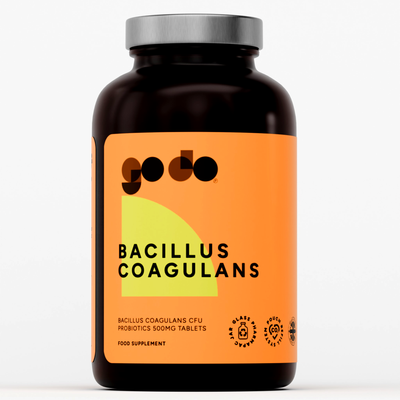
Maintaining a resilient immune system is not about "boosting" your response to extreme levels; rather, it is about providing your body with the fundamental biochemical tools it needs to function optimally. According to the National Institutes of Health (NIH), nutrition is a critical determinant of immune responses, and malnutrition, or even subtle micronutrient deficiencies, can significantly impair immune surveillance and increase susceptibility to infection.
Table of Contents
- The Biology of Immune Defense
- Key Takeaways for Beginners
- The Essential Micro-Nutrient Matrix
- The Gut-Immune Connection
- Real-World View: Hype vs. Science
- Step-by-Step Framework for Daily Support
- Safety, Dosage, and Contraindications
- Frequently Asked Questions
Key Takeaways for Beginners
| Focus Area | Primary Benefit | Recommended Strategy |
|---|---|---|
| Micronutrients | Supports white blood cell production and barrier integrity. | Aim for 5+ portions of varied vegetables and fruits daily. |
| Gut Health | 70% of the immune system resides in the gut. | Increase fiber intake and use high-quality probiotics. |
| Consistency | Steady nutrient levels are more effective than "mega-dosing." | Use a daily multivitamin or balanced diet. |
| Packaging | Environmental health impacts human health. | Choose eco-friendly paper packaging to reduce plastic exposure. |
The Biology of Immune Defense
Your immune system is a complex network of cells, tissues, and organs that work in unison to defend the body against pathogentic invaders like bacteria, viruses, and fungi. It is categorized into two main branches: Innate Immunity (your rapid-response team) and Adaptive Immunity (your specialized, memory-based defense).
Every stage of this immune response is dependent on the presence of specific micronutrients. For example, Vitamin A is necessary for maintaining the structural integrity of mucosal barriers (skin, respiratory tract, and gut), while Vitamin C and Zinc are required for the proliferation and optimal function of T-lymphocytes and B-lymphocytes.
"The immune system is always 'on,' but it requires a constant supply of energy and nutrients to maintain its various cellular components." , Scientific Consensus on Immunonutrition.
The Essential Micro-Nutrient Matrix
To support your body effectively, you must understand which nutrients drive specific defensive functions. While a "food first" approach is ideal, many individuals find it difficult to maintain optimal levels through modern diets alone.
| Nutrient | Primary Immune Function | Evidence-Based Sources |
|---|---|---|
| Vitamin C | Antioxidant; protects immune cells from oxidative stress. | Citrus, bell peppers, High-strength tablets. |
| Vitamin D3 | Modulates the innate and adaptive immune responses. | Sunlight, fatty fish, D3 Supplements. |
| Zinc | Essential for DNA synthesis and immune cell division. | Pumpkin seeds, legumes, Zinc Citrate 50mg. |
| Magnesium | Regulates protein synthesis and biochemical reactions. | Leafy greens, Magnesium Complex. |

Pro Tip: Pair your plant-based iron sources (like spinach or beans) with Vitamin C (like a squeeze of lemon) to significantly enhance absorption.
The Gut-Immune Connection
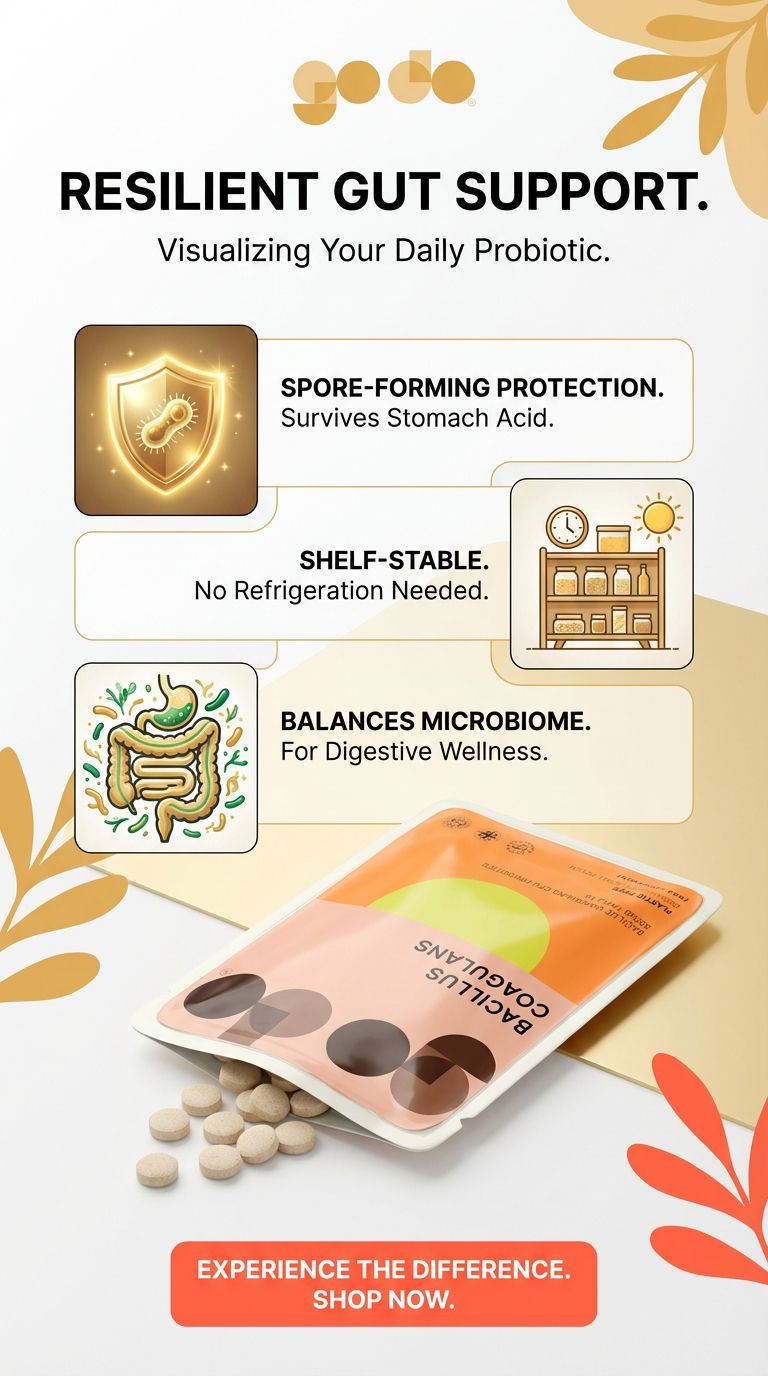
Perhaps the most overlooked aspect of immunity is the gut. Approximately 70-80% of your immune cells are located in the gut-associated lymphoid tissue (GALT). Your microbiome, the trillions of bacteria living in your digestive tract, acts as a training ground for these immune cells, teaching them to distinguish between "friend" and "foe."
A diet high in fiber and fermented foods supports a diverse microbiome, which in turn produces short-chain fatty acids (SCFAs) that help regulate systemic inflammation. For those struggling to hit fiber targets, a Fibre-Pro Prebiotic & Probiotic Complex can bridge the gap efficiently.
Real-World View: Hype vs. Science
In the wellness industry, "immune boosting" is a common marketing buzzword. It is important to separate scientific reality from consumer hype:
- The Hype: "This supplement will prevent you from ever getting a cold."
- The Reality: No supplement can guarantee total prevention. However, adequate nutrition can shorten the duration and reduce the severity of symptoms by ensuring your body has the resources to fight back efficiently.
- The Hype: "Mega-dosing 5000% of your RDA is better."
- The Reality: The body has a threshold. For nutrients like Vitamin C, excess is simply excreted. For others like Vitamin D or Zinc, chronic mega-dosing can be toxic or lead to secondary deficiencies (e.g., too much Zinc can cause Copper deficiency).
Step-by-Step Framework for Daily Support
If you are a beginner, don't try to change everything overnight. Follow this evidence-based hierarchy:
- Hydration (The Foundation): Drink 2-3 liters of water daily. Dehydration can dry out mucosal membranes, making it easier for pathogens to enter.
- The "Rainbow" Plate: At lunch and dinner, ensure at least half your plate is filled with colorful vegetables. This covers your Vitamin A, C, and K bases.
- Prioritize Protein: Immune cells and antibodies are made of protein. Ensure every meal contains a source like beans, lentils, or lean meats.
- Strategic Supplementation: If you live in the UK or a similar climate, Vitamin D3 is recommended by the NHS during autumn and winter.
- Eco-Conscious Choices: Opt for supplements in eco-friendly paper pouches. This reduces the environmental burden of microplastics, which are increasingly linked to inflammatory health issues.
Safety, Dosage, and Contraindications
While natural supplements are generally safe, they are potent biochemical agents.
- Zinc: Limit long-term supplementation of high doses (>40mg) unless under medical supervision, as it can interfere with copper absorption.
- Vitamin D: It is a fat-soluble vitamin. Do not exceed 4,000 IU daily without a blood test confirming deficiency.
- Pre-existing Conditions: If you have an autoimmune condition or are taking immunosuppressants, consult your GP before starting any new herbal or vitamin regimen.
The Fitness Health Promise
At Fitness Health, we believe premium wellness should be accessible. Our supplements are UK-made, vegan-friendly, and priced affordably between $13-15 (£10-12). We have removed the plastic bottles and replaced them with recyclable paper packaging to protect both you and the planet.

Frequently Asked Questions
Q: Can I get everything I need from food alone? A: In an ideal world, yes. However, soil depletion, storage times, and modern lifestyle stressors make it difficult for many to reach optimal (vs. just "sufficient") levels of Zinc, Vitamin D, and Magnesium.
Q: How long does it take for nutrition to affect my immunity? A: Immune cell turnover is relatively fast, but it generally takes 4–8 weeks of consistent nutritional changes to see a measurable difference in systemic resilience.
Q: Why do you use paper packaging? A: Plastic leaching is a concern for many health-conscious individuals. Our paper pouches are lightweight, reduce carbon footprint during shipping, and are fully recyclable, aligning with our goal of "Health for You, Health for the Planet."
Q: Is your Zinc supplement vegan? A: Yes! Most of our range, including our Zinc Citrate, is 100% vegan-friendly.
Recommended for You
Article generated by Penny