Your ancestors didn't have protein shakes or recovery apps. They had plants, roots, and algae that grew in the wild: foods that kept them strong, resilient, and capable of recovering from the physical demands of daily survival.
Here's the thing: modern science is finally catching up to what traditional cultures knew for centuries. Those "weird" powders and adaptogens your grandparents swore by? Turns out they actually work.
This guide breaks down three ancient superfoods that support modern recovery: Ashwagandha, Turmeric, and Spirulina. No hype. Just evidence-backed benefits and practical ways to add them to your routine.
Why Ancient Foods Still Matter for Recovery
Before diving into the specifics, let's address the obvious question: why should you care about foods that have been around for thousands of years?
The answer is simple. These foods survived the test of time because they delivered results. Traditional Ayurvedic medicine, Chinese herbal practices, and indigenous cultures across the globe relied on nutrient-dense plants and adaptogens to heal, recover, and maintain health without modern pharmaceuticals.
Modern research now validates many of these traditional uses with clinical trials, biomarker studies, and mechanistic explanations. The result? You get the best of both worlds: ancient wisdom with scientific backing.
Here are three superfoods that deserve a spot in your recovery toolkit.
1. Ashwagandha: The Stress-Busting Adaptogen
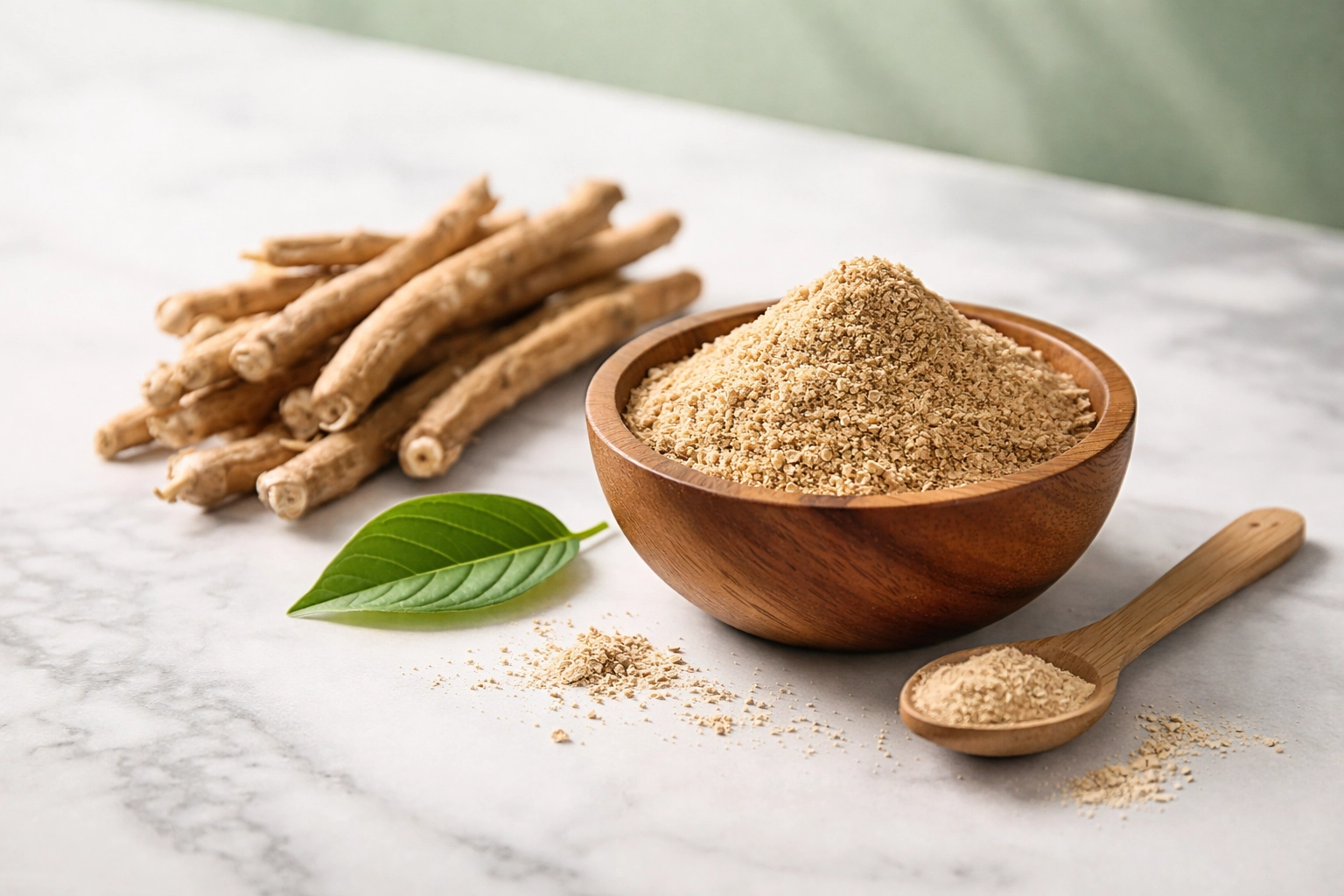
Historical use: Ashwagandha (Withania somnifera) has been used in Ayurvedic medicine for over 3,000 years. Its name translates to "smell of the horse" in Sanskrit: a reference to its earthy scent and the belief that it gives you the strength and vitality of a horse.
What the science says:
Ashwagandha is classified as an adaptogen, meaning it helps your body adapt to stress. This matters for recovery because chronic stress elevates cortisol levels, which can:
- Slow muscle repair
- Disrupt sleep quality
- Increase inflammation
- Promote fat storage (especially around the midsection)
Multiple studies demonstrate Ashwagandha's ability to reduce cortisol levels by 11-32% in stressed adults. A 2019 study published in the Journal of Clinical Medicine found that participants taking 240mg of Ashwagandha extract daily experienced significant reductions in anxiety and morning cortisol compared to placebo.
Recovery benefits at a glance:
- Lowers cortisol to support muscle protein synthesis
- Improves sleep quality and duration
- May enhance VO2 max and endurance performance
- Supports testosterone levels in men (relevant for muscle recovery)
How to use it:
- Dosage: 300-600mg of root extract daily (standardised to at least 5% withanolides)
- Timing: Take in the evening or split into two doses (morning and night)
- Form: Organic powder blends easily into smoothies, coffee, or warm milk
Key takeaway: If stress is sabotaging your recovery, Ashwagandha addresses the root cause rather than masking symptoms.
2. Turmeric: Nature's Anti-Inflammatory Powerhouse
Historical use: Turmeric has been a staple in Indian cooking and Ayurvedic medicine for approximately 4,000 years. It was used to treat wounds, digestive issues, and inflammatory conditions long before anyone understood the concept of COX-2 inhibitors.
What the science says:
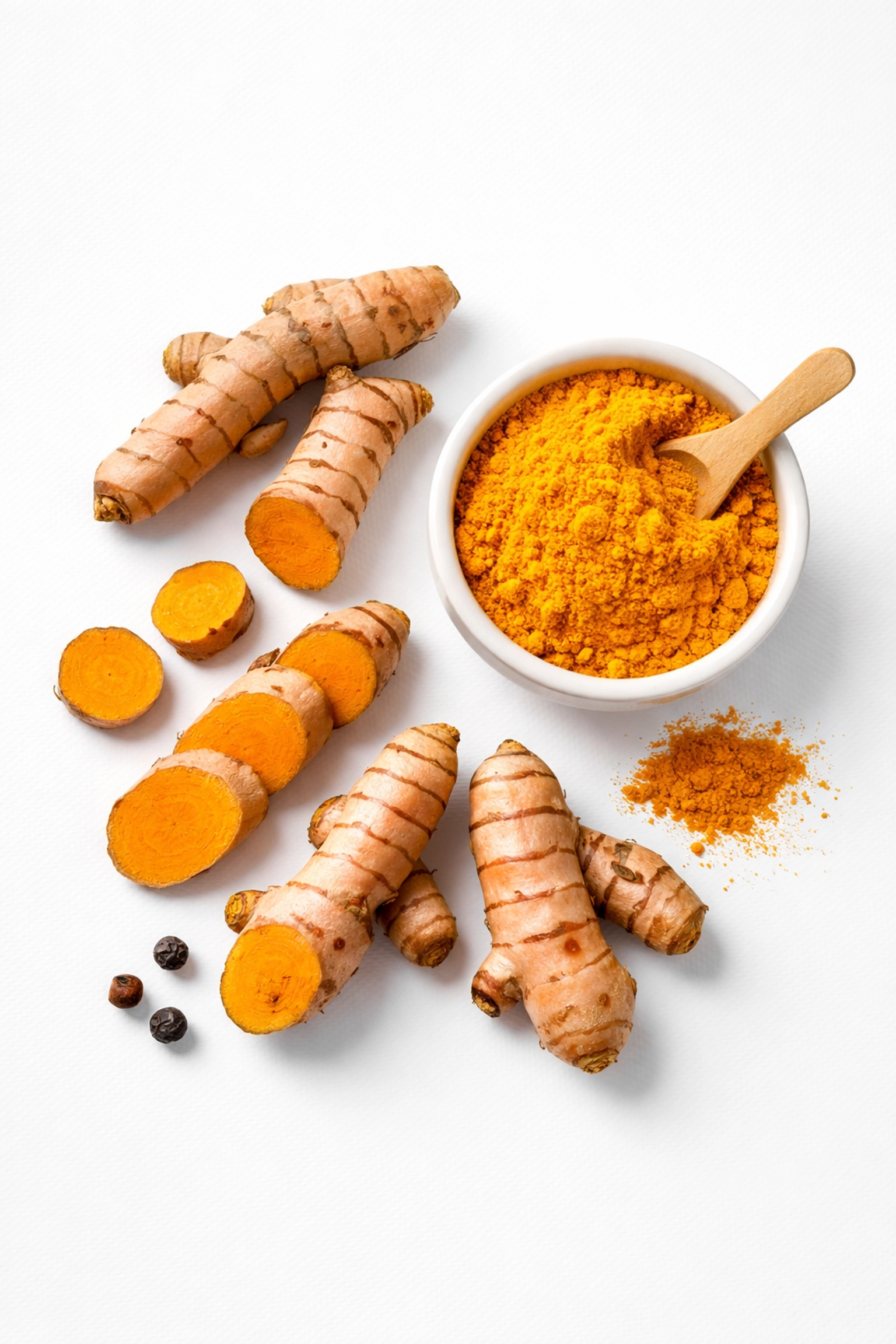
The active compound in turmeric is curcumin, which gives it that distinctive golden-yellow colour. Curcumin is one of the most studied natural anti-inflammatory compounds on the planet.
Here's why that matters for recovery: exercise creates micro-damage in your muscles, which triggers an inflammatory response. Some inflammation is necessary for adaptation, but excessive or prolonged inflammation delays healing and increases soreness.
A 2017 meta-analysis in the Journal of Medicinal Food reviewed 8 randomised controlled trials and concluded that curcumin significantly reduced markers of exercise-induced muscle damage and delayed onset muscle soreness (DOMS).
Recovery benefits at a glance:
- Reduces post-workout inflammation and DOMS
- Supports joint health and mobility
- Acts as a potent antioxidant (neutralises free radicals)
- May improve gut health and nutrient absorption
The absorption problem (and how to solve it):
Raw turmeric has notoriously poor bioavailability: your body struggles to absorb curcumin on its own. Two simple fixes:
- Combine with black pepper: Piperine (found in black pepper) increases curcumin absorption by up to 2,000%
- Take with fat: Curcumin is fat-soluble, so consuming it with a meal containing healthy fats improves uptake
How to use it:
- Dosage: 500-2,000mg of turmeric extract daily (standardised to 95% curcuminoids)
- Timing: Take with meals containing fats
- Form: Organic turmeric powder works well in golden milk, curries, smoothies, or scrambled eggs
Key takeaway: Turmeric targets inflammation at the cellular level: making it ideal for athletes, gym-goers, or anyone dealing with joint stiffness.
3. Spirulina: The Algae That Outperforms Most Vegetables
Historical use: Spirulina is a blue-green algae that the Aztecs harvested from Lake Texcoco in Mexico as early as the 16th century. They called it "tecuitlatl" and consumed it as dried cakes for sustained energy. African cultures around Lake Chad used it similarly for centuries.
What the science says:
Spirulina is arguably one of the most nutrient-dense foods on Earth. Gram for gram, it contains:
- 60-70% complete protein (higher than beef, eggs, or most plant sources)
- All essential amino acids
- High concentrations of B vitamins, iron, and magnesium
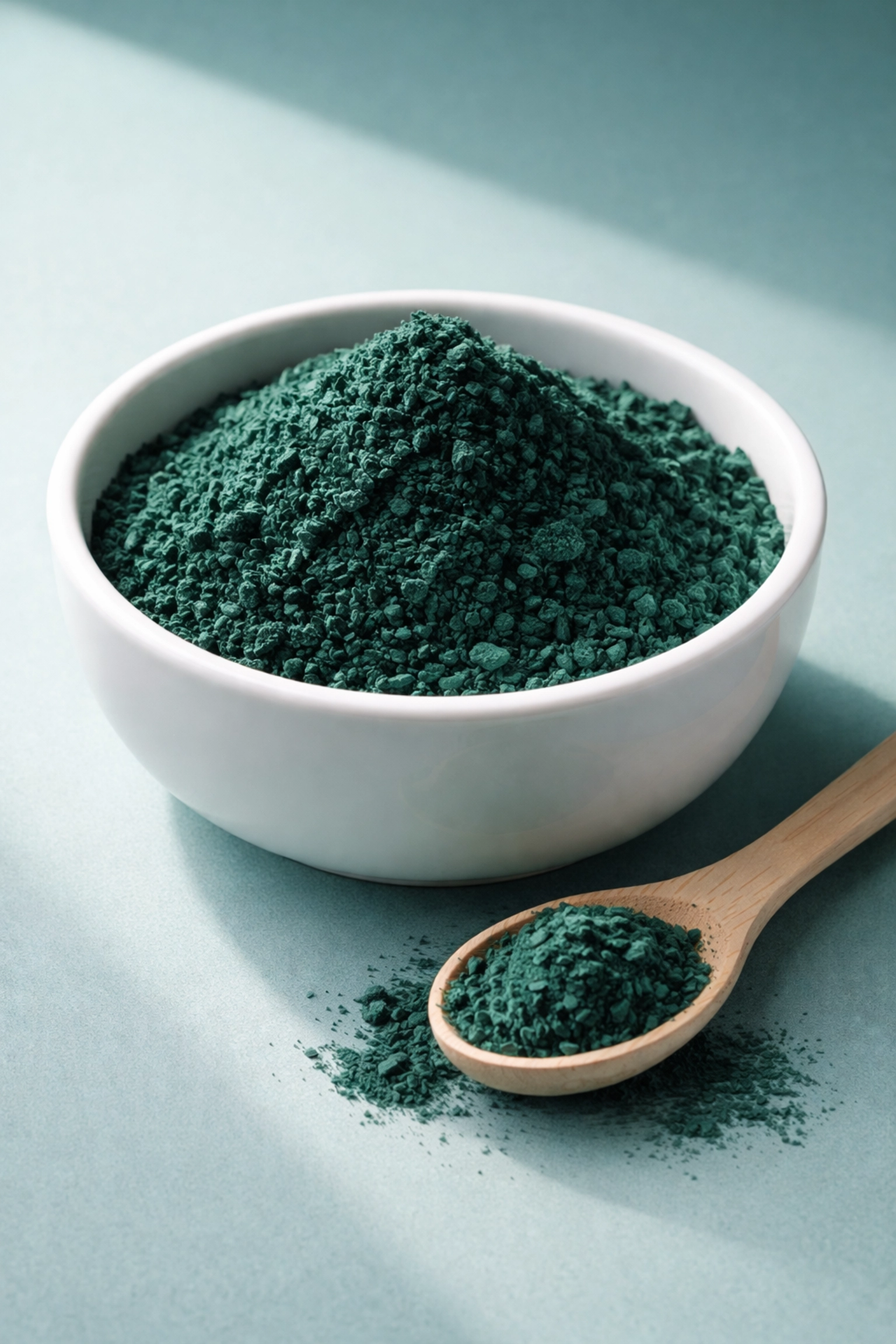
- Powerful antioxidants including phycocyanin (the compound that makes it blue-green)
For recovery, spirulina's benefits are multi-faceted. A 2010 study in Medicine & Science in Sports & Exercise found that spirulina supplementation extended time to fatigue during exercise and reduced markers of oxidative stress.
Recovery benefits at a glance:
- Provides complete protein for muscle repair
- Rich in iron (supports oxygen transport and energy production)
- Contains antioxidants that combat exercise-induced oxidative damage
- Supports immune function during heavy training periods
How to use it:
- Dosage: 3-10 grams daily (start lower and increase gradually)
- Timing: Morning or pre-workout for energy support
- Form: Organic spirulina powder blends into smoothies, juice, or energy balls
Taste tip: Spirulina has a strong, earthy flavour. Mask it by blending with banana, mango, or citrus fruits.
Key takeaway: Spirulina delivers a concentrated hit of protein, vitamins, and antioxidants: perfect for filling nutritional gaps and accelerating recovery.
How to Stack These Superfoods for Maximum Recovery
You don't need to choose just one. These three ancient foods complement each other:
| Superfood | Primary Benefit | Best Timing |
|---|---|---|
| Ashwagandha | Stress reduction, cortisol control | Evening |
| Turmeric | Anti-inflammatory, joint support | With meals |
| Spirulina | Protein, antioxidants, energy | Morning/pre-workout |
Simple daily protocol:
- Morning: Add 5g spirulina to your breakfast smoothie
- Post-workout meal: Include turmeric with black pepper and healthy fats
- Evening: Take 300-600mg ashwagandha to support sleep and recovery
For more protein-packed breakfast ideas to pair with these superfoods, check out our guide on high-protein breakfast ideas.
Choosing Quality Organic Powders
Not all superfood powders are created equal. Here's what to look for:
- Organic certification: Avoids pesticide residue and ensures cleaner sourcing
- Third-party testing: Confirms potency and purity
- Minimal additives: The ingredient list should be short
- Sustainable packaging: Paper-based or recyclable options reduce environmental impact
At Fitness Health, our organic superfood powders are packaged in eco-conscious paper packaging: better for the planet and free from unnecessary plastics.
The Bottom Line
Ashwagandha, turmeric, and spirulina aren't trendy gimmicks. They're time-tested foods with genuine scientific support for recovery, inflammation control, and overall health.
Add them strategically. Be consistent. And let thousands of years of traditional wisdom: backed by modern research: work for you.
Your body already knows how to recover. These ancient foods just help it do the job faster.