Over the years, there has been much speculation about whether certain foods or diets can truly boost immunity. In this informative piece, we probe into the intricate workings of the immune system, exploring how a balanced diet rich in important nutrients plays a crucial role in supporting our body's defense mechanisms. From understanding the different types of immunity to the impact of lifestyle factors like sleep and stress, we uncover the key components that can help strengthen our immune system. Join us on this insightful journey to unravel the connection between healthy diet, and immunity.
Key Takeaways:
-
Immune System Complexity: The immune system is complex and influenced by multiple factors, not just diet. A balanced diet, combined with healthy lifestyle habits like sleep, exercise, and stress management, is crucial for optimal immune function.
-
Role of Microbes in Immune Function: The gut microbiome plays a significant role in immune function. Consuming a diverse diet rich in fruits, vegetables, whole grains, and legumes can support the growth of beneficial microbes and promote a healthy immune system.
-
Solid Foundations for Immune Health: Adopting a balanced diet, engaging in regular physical activity, ensuring adequate sleep, managing stress, and maintaining good hygiene practices like handwashing are necessary steps to support a healthy immune system.
Understanding the Immune System
What is the Immune System?
Immune system is a network of intricate stages and pathways in our body that protects against harmful microbes and diseases. It recognizes foreign invaders like bacteria, viruses, and parasites and takes immediate action.
Types of Immunity: Innate and Adaptive
The immune system consists of two types of immunity: innate and adaptive. Innate immunity acts as the first line of defense against pathogens that try to enter our bodies, while adaptive immunity learns to recognize pathogens and creates antibodies specific to harmful substances.
Innate Immunity Adaptive Immunity - Skin - Spleen - Mucus - Thymus - Stomach acid - Bone marrow - Enzymes - Lymph nodes - Immune system cells - Antibodies and immune cells
Knowing the difference between these two forms of immunity is crucial in understanding how our body protects us from harmful pathogens.

Other Conditions that Trigger an Immune Response
Triggering an immune response occurs through antigens that the body identifies as foreign and harmful. Allergens like grass pollen, dust, and food components can cause hyper-reactive responses in sensitive individuals, leading to various symptoms.
Another condition that can trigger an immune response is inflammation, a normal step in the body's innate immune response. When pathogens attack healthy cells, a type of immune cell called mast cells counterattack and release proteins called histamines, which lead to inflammation.
Factors that Depress the Immune System
Clearly, there are several factors that can depress our immune system and make us more susceptible to illness and infections. Knowing these risk factors, can help us make informed decisions to support our immune health.
Older Age
Factors: As we age, our internal organs may become less efficient; immune-related organs like the thymus or bone marrow produce less immune cells needed to fight off infections.
Environmental Toxins
Environmental: Exposure to toxins like smoke and other particles contributing to air pollution, as well as excessive alcohol consumption, can impair or suppress the normal activity of immune cells.
These substances can interfere with the immune system's ability to function optimally, making it harder for the body to fight off infections and diseases.
Excess Weight
One: Obesity is associated with low-grade chronic inflammation, which can negatively impact immune function and increase susceptibility to infections.
Research suggests that obesity can impair the function of certain white blood cells, which are important for the immune response against pathogens.

Poor Diet
that: Malnutrition or a diet lacking in necessary nutrients can impair the production and activity of immune cells and antibodies, compromising the healthy body weight one's defense mechanism against infections.
A diet saturated fat, lacking in key nutrients can weaken the immune system and make it more difficult for the body to fight off harmful pathogens.
Chronic Diseases
Toxins: Autoimmune and immunodeficiency disorders attack and potentially disable immune cells, leaving the body vulnerable to infections and diseases.
Conditions like autoimmune disorders and immunodeficiency diseases can compromise the immune system's ability to function properly, making it harder for the body to defend against pathogens.
Chronic Mental Stress
Older: Chronic mental stress releases hormones that suppress inflammation and white blood cell activity, negatively impacting the immune system's ability to respond effectively to threats.
Prolonged stress can have a detrimental effect on the immune system, making individuals more susceptible to illness and infections.
Lack of Sleep and Rest
Weight: Sleep is important for the body's own immune system work function, as it allows for the release of certain cytokines that help fight infections. Lack of sleep can lower the body's immune response, making it harder to ward off illnesses.
Consistent lack of sleep can weaken the immune system, making it less effective in protecting the body from infections and infectious diseases.
Does an Immune-Boosting Diet Exist?
Nutrients Critical for Immune Function
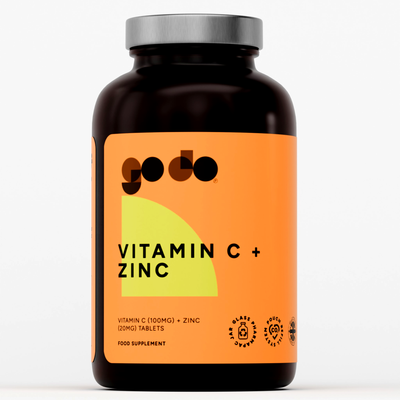
For optimal immune function, a diet rich in key nutrients is necessary. Micronutrients such as vitamin C, vitamin D, zinc, selenium, iron, and protein play crucial roles in supporting the growth and activity of immune cells. These nutrients are found in a variety of plant and animal foods, highlighting the importance of a healthy fats well-rounded diet for overall health and immune function.
The Importance of a Varied Diet
Dietary variety is key to ensuring that the body receives all the necessary nutrients for a healthy immune system. A diet consisting of whole fruits, vegetables, lean proteins, whole grains, and plenty of water provides a broad spectrum of vitamins, minerals, and antioxidants that can help prime the body to fight off infections and diseases.
The Role of the Microbiome
Any immune-boosting diet should also take into account the importance of the microbiome. The gut's diverse community of beneficial microbes plays a vital role in immune function. Foods rich in prebiotics and probiotics help support the growth and maintenance of these helpful microbes, promoting a healthy gut environment that can enhance overall immune response.
This highlights the interconnected nature of diet, gut health, and immune function, underscoring the need for a holistic approach to nutrition to support overall well-being and immunity. Embracing a balanced diet rich in necessary nutrients, as well as supporting a diverse and healthy microbiome, can lay the groundwork for a robust immune system.
Probiotic and Prebiotic Foods
Probiotic Foods
Probiotic foods contain live helpful bacteria that support a healthy gut microbiome. Examples of a healthy foods include kefir, yogurt with live active cultures, fish, fermented vegetables, sauerkraut, tempeh, kombucha tea, kimchi, and miso.
Prebiotic Foods
Prebiotic foods contain fiber and oligosaccharides that feed and maintain healthy colonies of beneficial microbes in the gut. Examples of prebiotic foods that include garlic, onions, leeks, asparagus, Jerusalem artichokes, dandelion greens, beans, bananas, and seaweed.
To support the growth and maintenance of beneficial gut bacteria, it is recommended to consume high-fiber, plant-rich diet with plenty of fruits, vegetables, whole grains, and legumes. These foods help in the production of short chain fatty acids which stimulate immune cell activity, ultimately contributing to a healthy immune system.
Based on the evidence, it is clear that probiotic and prebiotic foods play a vital role in maintaining a healthy gut microbiome, which in turn supports optimal immune function. By incorporating these foods into your diet regularly, you can help strengthen your body's defenses against infections and diseases.
Chicken Soup as Medicine?
Now, let's talk about the age-old remedy that is often touted as a healing elixir during times of sickness - chicken soup. This comforting dish has been a go-to for many seeking relief from cold and flu symptoms. But does chicken soup really have medicinal properties?
Chicken soup is believed to have anti-inflammatory properties, which can help ease symptoms of upper respiratory infections like the common cold. The warm broth can soothe a sore throat, while the vegetables and chicken provide important nutrients for overall health. Additionally, the steam from the hot soup can help clear nasal passages and alleviate congestion.
While there is limited scientific research specifically on the benefits of chicken soup, the combination of ingredients in a traditional chicken soup - such as vegetables brown rice, chicken, and herbs - can contribute to a nutrient-rich meal that supports overall well-being. So, next time you're feeling under the weather, a warm bowl of homemade chicken soup may be just what you need to nourish your body and provide comfort during illness.

Do Vitamin or Herbal Supplements Help?
All individuals require a balanced diet to support their immune system. However, there are certain populations and situations where taking a multivitamin containing the recommended dietary allowances for various nutrients may be beneficial. Studies have shown that vitamins can improve immune responses in groups at a risk of heart disease, such as low-income households, pregnant women, and the elderly.
Spotlight on Vitamin D
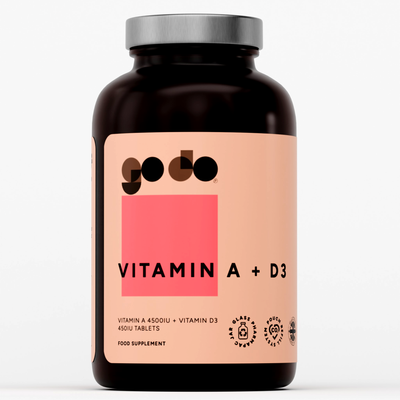
The importance of vitamin D in supporting the immune system cannot be overstated. Studies have indicated that vitamin D supplementation can prevent acute respiratory tract infections. As many individuals may have difficulty getting enough vitamin D from sunlight and diet alone, supplementation could be beneficial, particularly during times when immune support is crucial.
Herbals: Echinacea, Garlic, and Tea Catechins
Garlic, echinacea, and tea catechins are popular herbal supplements believed to boost immune function. While research on these herbs is ongoing, garlic, known for its antimicrobial effects, has shown some promise in reducing the occurrence of the common cold. Echinacea and tea catechins have also demonstrated potential benefits in immune support, although further high-quality trials are needed to conclusively establish their efficacy.
8 Steps to Help Support a Healthy Immune System
Eat a Balanced Diet
Despite the complexity of our immune system, a balanced diet is crucial for supporting its function. Immune cells require various nutrients found in whole, fresh fruits and, vegetables, lean proteins, whole grains, and water to thrive.
Take a Multivitamin if Necessary
For individuals who may struggle to meet their nutritional needs through food alone, a multivitamin containing the recommended dietary allowances for key nutrients may be beneficial. This can help fill any potential gaps in the diet and support immune function.
Don't Smoke
One of the most detrimental habits to the immune system protects your health is smoking. Smoking can impair the function of immune cells and increase susceptibility to infections. It is crucial to avoid smoking to maintain a strong immune system.
Drink Alcohol in Moderation
Despite its popularity, excessive alcohol consumption can have negative impacts on brain health and the immune system. Moderate alcohol intake is advised to prevent immune suppression and maintain overall health.
Perform Moderate Regular Exercise
Moderate and regular exercise has been shown to enhance immune function. Engaging in physical activity helps to improve circulation, reduce inflammation, and support overall immune health.
Aim for 7-9 Hours of Sleep
On average, adults should aim for 7-9 hours of quality sleep each night the support proper immune function. Adequate sleep allows the body to rest, recover, and produce crucial immune-boosting cytokines.
Manage Stress
For instance, practicing stress management techniques like meditation, exercise, or engaging in hobbies can help reduce the negative impacts of stress on the immune system. Chronic stress can weaken immunity, so finding healthy ways to manage it is crucial.
Wash Hands Throughout the Day
Alcohol-based hand sanitizers are effective in killing many types of germs, including viruses. Regular and thorough handwashing can prevent the spread of harmful pathogens and reduce the risk of infections.
Final Words
With these considerations, it becomes evident that while diet can play a significant role in strengthening the immune system against heart disease, it is not the sole factor. A balanced diet rich in a variety of nutrients, combined with healthy lifestyle choices like regular exercise, adequate sleep, and stress management, can diet strengthen your immune system and is crucial for optimal immune function. While certain foods and supplements may offer additional support, the key lies in maintaining overall health and well-being to best equip the body to fight off infections and diseases.

FAQ
Q: Can certain foods or supplements boost my immune system?
A: While a balanced diet rich in nutrients like vitamins and minerals is important for a healthy immune system, no single food or supplement can magically boost immunity. It's the overall diet and lifestyle factors that play a significant role in supporting immune function.
Q: What are some key nutrients that support immune function?
A: Certain nutrients like vitamin C, vitamin D, zinc, selenium, iron, and protein are crucial for the growth and function of immune cells. Including a variety of fruits, vegetables, whole grains, and lean proteins in your diet can help ensure you're getting these important nutrients.
Q: Are herbal supplements effective in boosting immune function?
A: While some herbal supplements dairy foods like echinacea and garlic have been suggested to have immune-boosting properties, the research is limited and inconclusive. It's important to focus on a well-rounded diet and healthy lifestyle habits for overall immune support.