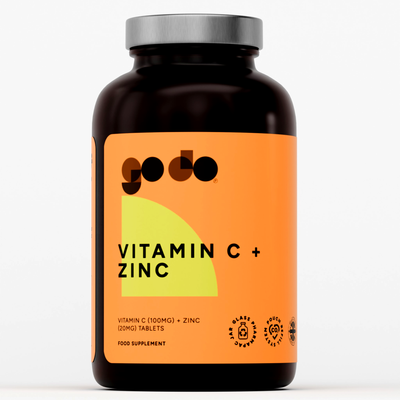
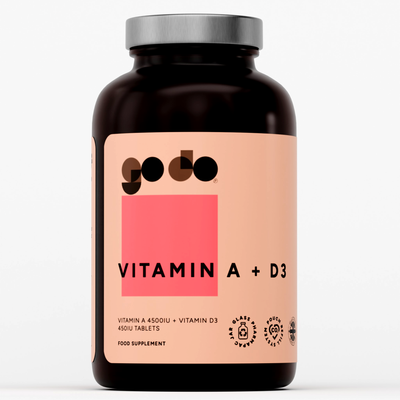
Nutrition is the biological foundation upon which your immune system is built, maintained, and deployed. According to the National Institutes of Health (NIH), malnutrition, even in subclinical forms, is the leading cause of immunodeficiency globally. When we speak about "boosting" the immune system, we are technically referring to providing the necessary cellular energy and micronutrient cofactors required for the body to mount an effective defense against pathogens. Without adequate nutritional support, the immune system cannot produce the cells or chemical signals necessary to keep you healthy.
Table of Contents
- The Biological Link: Energy and Building Blocks
- Micronutrients: The Essential Immune Cofactors
- The Gut-Immune Axis: Why Your Microbiome Matters
- Evidence-Based Benefits & Safety Warnings
- Step-by-Step Framework for Nutritional Immune Support
- Real-World View: Industry Hype vs. Scientific Reality
- FAQ: Common Questions on Nutrition and Immunity
Key Takeaways
| Nutrient/Factor | Primary Immune Role | Scientific Source |
|---|---|---|
| Protein/Amino Acids | Production of antibodies and immune cell proliferation. | PubMed 9250133 |
| Vitamin D | Regulates T-cell response and antimicrobial peptides. | PMC11676904 |
| Zinc | Essential for T-lymphocyte development and NF-κB signaling. | PMC9772031 |
| Vitamin C | Supports neutrophil function and oxidative burst. | PMC9772031 |
| Gut Microbiome | Educates 70% of the body's immune cells. | PubMed 30697214 |
The Biological Link: Energy and Building Blocks
The immune system is a high-energy, high-turnover tissue. Every time your body identifies a threat, it must rapidly proliferate white blood cells, synthesize antibodies, and produce acute-phase proteins. This process consumes substantial amounts of Adenosine Triphosphate (ATP) and amino acids.
When energy intake is insufficient, the body enters a "survival mode," prioritizing core organ function over immune defense. This often results in bone marrow and thymus atrophy, leading to a direct decrease in the production of mature lymphocytes.
Protein and Amino Acids
Amino acids like L-arginine and L-glutamine are more than just building blocks for muscle; they are critical signaling molecules. L-arginine, for instance, is a substrate for nitric oxide synthesis in macrophages, which is used to neutralize pathogens.
"Malnutrition causes a significant impairment of cell-mediated immunity, phagocyte function, complement system, and secretory IgA antibody concentrations." , World Health Organization / PubMed 9250133
Pro Tip: If you are highly active or training for performance, your immune system’s metabolic demand is even higher. Ensuring you meet your daily protein requirements is the first step in immune maintenance.
Micronutrients: The Essential Immune Cofactors
Micronutrients act as the "spark plugs" for immune reactions. They don't just "support" the system; they are structurally required for enzymes and transcription factors to function.
The Power Players: Zinc and Vitamin D
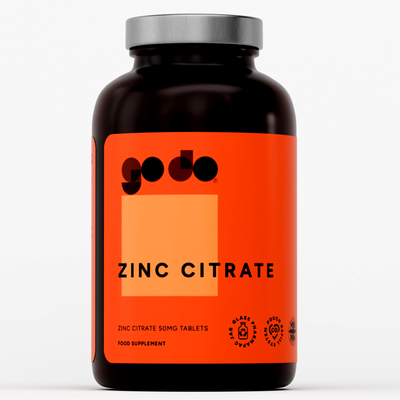
Zinc is arguably the most critical mineral for immune health. It is a cofactor for hundreds of enzymes and is required for the activity of thymulin, a hormone essential for T-cell development. Vitamin D, meanwhile, acts more like a hormone than a vitamin, binding to receptors on immune cells to dampen excessive inflammation while promoting the production of antimicrobial peptides.
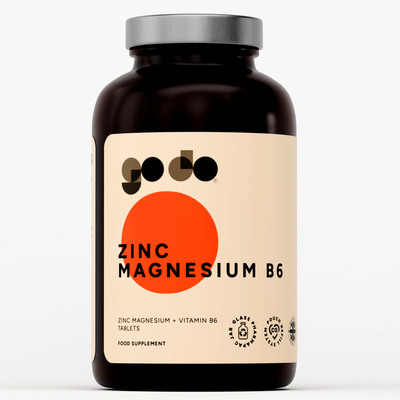
 Figure 1: Zinc Magnesium B6 is a cornerstone for cellular repair and immune signaling.
Comparison of Key Immune Vitamins
| Vitamin | Key Mechanism | Best Food Sources |
|---|---|---|
| Vitamin A | Maintains mucosal barriers (gut/lungs). | Carrots, Sweet Potatoes, Liver |
| Vitamin C | Accumulates in leukocytes to enhance phagocytosis. | Bell Peppers, Citrus, Strawberries |
| Vitamin B6 | Required for the production of new immune cells. | Chickpeas, Poultry, Bananas |
| Vitamin E | Protects cell membranes from oxidative stress. | Sunflower seeds, Almonds |
For those struggling to hit these targets through diet alone, a high-quality Vitamin B Complex can provide the necessary cofactors for energy metabolism and cell division.
The Gut-Immune Axis: Why Your Microbiome Matters
Approximately 70% of your immune system resides in the Gut-Associated Lymphoid Tissue (GALT). Your gut bacteria "educate" your immune cells, teaching them the difference between harmless food particles and dangerous pathogens.
Dietary fiber is fermented by gut bacteria into Short-Chain Fatty Acids (SCFAs) like butyrate. These SCFAs bind to receptors on immune cells, promoting the development of Regulatory T cells (Tregs), which prevent the immune system from overreacting (autoimmunity).
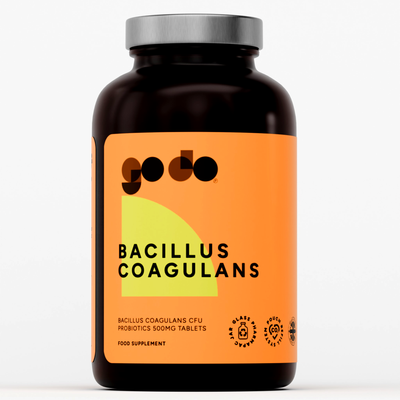
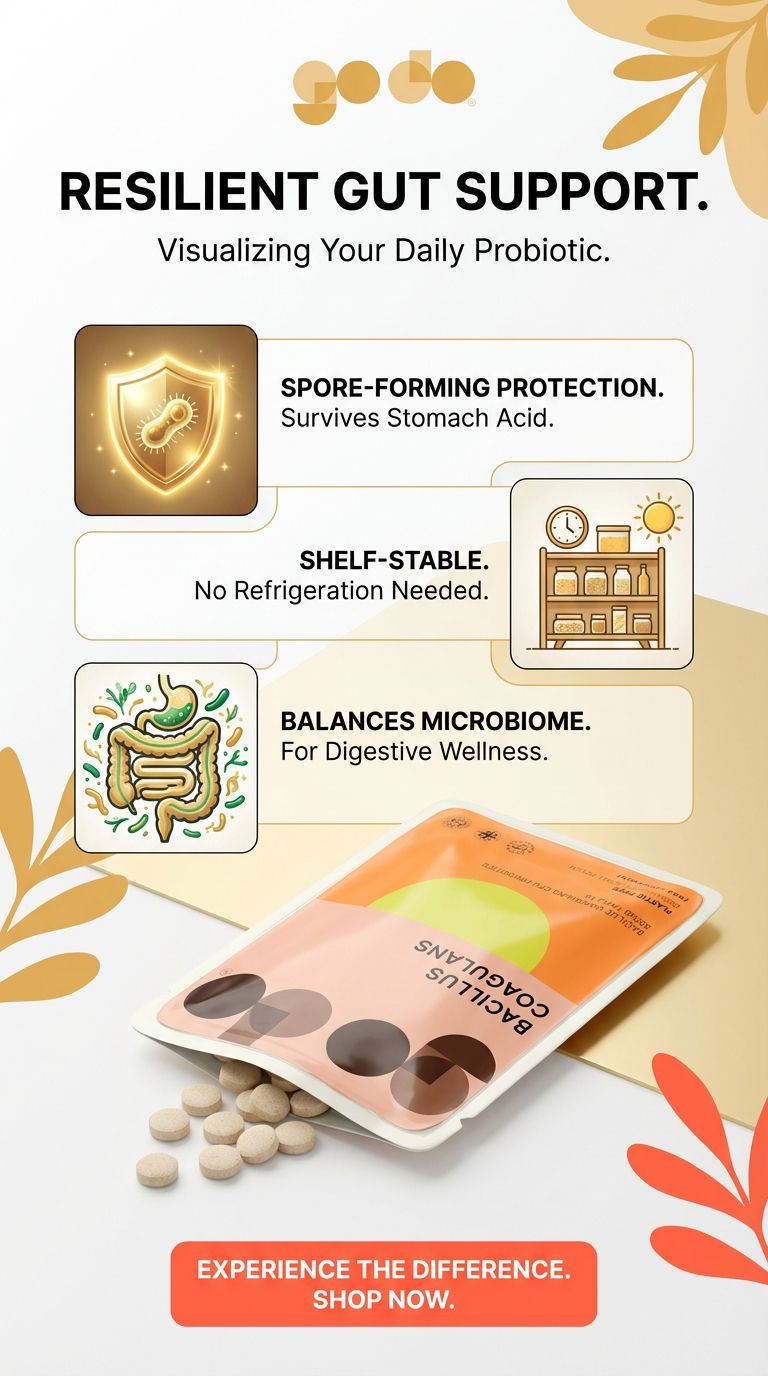 Figure 2: Resilience begins in the gut with targeted probiotic support.
Pro Tip: Diversify your plant intake. Eating 30 different types of plants per week is the "gold standard" for supporting a diverse microbiome that keeps your immune system sharp.
Evidence-Based Benefits & Safety Warnings
Benefits of Nutritional Optimization
- Reduced Duration: Targeted zinc and Vitamin C intake may reduce the duration of common respiratory infections when taken at the onset.
- Inflammatory Control: Omega-3 fatty acids help resolve inflammation, preventing it from becoming chronic.
- Barrier Integrity: Vitamin A and Zinc strengthen the physical barriers (skin and mucus) that stop pathogens from entering.
Safety and Contraindications
While nutrition is vital, "more" is not always "better."
- Zinc Overload: Excessive zinc intake (above 40mg/day chronically) can interfere with copper absorption and actually suppress immune function.
- Vitamin D Toxicity: Extremely high doses of Vitamin D can lead to hypercalcemia. Always test your levels if supplementing with high-strength formulas.
- Iron & Infection: During certain bacterial infections, the body naturally "hides" iron to starve the bacteria. Supplemental iron during an active infection should be managed by a professional.
Step-by-Step Framework for Nutritional Immune Support
- Calculate Your Protein Floor: Aim for at least 1.2g of protein per kilogram of body weight to ensure your body has the building blocks for immune cells.
- The "Plate Method": Ensure half your plate at every meal consists of colorful vegetables to maximize phytonutrient and fiber intake.
- Audit Your Micronutrients: Check if you are hitting the RDA for Zinc (8-11mg), Vitamin C (75-90mg), and Vitamin D (600-2000 IU).
- Support Your Gut: Include one serving of fermented food (kefir, sauerkraut, or a Bacillus Coagulans probiotic) daily.
- Smart Supplementation: Fill the gaps with UK-made, high-quality supplements that use clean ingredients and eco-friendly packaging.
Real-World View: Industry Hype vs. Scientific Reality
The Hype: "Immune-boosting" shots and supplements can prevent you from ever getting sick.
The Reality: No supplement can "boost" the immune system beyond its natural physiological capacity. Furthermore, a "boosted" (overactive) immune system is actually a medical problem known as inflammation or autoimmunity. The goal of nutrition is immune modulation and resilience, ensuring the system is ready to respond and, more importantly, ready to stop responding once the threat is gone.
 Figure 3: Quality assurance in the UK ensures you get exactly what is on the label, without the hype.
Why Fitness Health?
At Fitness Health, we believe premium nutrition shouldn't cost the earth, literally or figuratively. Our supplements are:
- UK-Made: Manufactured to the highest standards.
- Affordable: Most of our range is priced between $13-15 (£10-12).
- Eco-Conscious: We use paper-based packaging instead of plastic bottles to reduce waste.
- Vegan-Friendly: Broad options for plant-based lifestyles.
 Figure 4: Our eco-friendly paper pouches are designed to protect both your health and the planet.
Browse our full range of Immune Support Supplements here.
FAQ: Common Questions on Nutrition and Immunity
Q: Can I get enough Vitamin D from food alone? A: It is very difficult. Aside from fatty fish and fortified foods, most people require sun exposure or supplementation to maintain optimal levels, especially during UK winters.
Q: Does Vitamin C prevent the common cold? A: Large meta-analyses show that while Vitamin C doesn't necessarily prevent you from catching a cold, it can significantly reduce the severity and duration of symptoms in people who take it regularly.
Q: Are vegan supplements as effective as animal-based ones? A: Yes, provided they are formulated correctly. For example, our Vitamin D3 is often sourced from lichen to ensure it is 100% vegan while remaining highly bioavailable.
Recommended Reading
Article generated by Penny