Maintaining a robust immune system is a complex biological endeavor that requires a steady supply of specific micronutrients, phytonutrients, and antioxidants. While the "food-first" approach is widely advocated by health authorities, many individuals struggle to meet the optimal physiological requirements through diet alone. According to research published by the National Institutes of Health (NIH), the immune system depends on vitamins A, C, D, E, B6, and B12, folate, zinc, iron, copper, and selenium to function at peak capacity. This article explores the scientific evidence behind both superfoods and supplements, providing a practical framework for achieving the ideal balance for long-term immune resilience.
Table of Contents
- The Nutritional Foundation of Immunity
- Key Takeaways
- Decoding Superfoods: Hype vs. Reality
- The Supplement Safeguard: When Food Isn't Enough
- Comparative Nutrient Data
- The Step-by-Step Synergy Framework
- Safety, Contraindications, and Quality
- Real-World View: Industry Hype vs. Science
- Frequently Asked Questions
Key Takeaways
| Feature | Superfoods | Supplements |
|---|---|---|
| Nutrient Density | High variety, low concentration per gram. | High concentration of specific nutrients. |
| Bioavailability | Generally high due to food matrix. | Varies by form (e.g., Citrate vs Oxide). |
| Primary Role | Foundational health and fiber. | Addressing specific gaps or deficiencies. |
| Best For | Long-term preventive health. | Rapidly correcting levels (e.g., Vitamin D). |
| Scientific Backing | Strong for overall dietary patterns. | Strong for specific isolated micronutrients. |
The Nutritional Foundation of Immunity
The human immune response is divided into two primary categories: innate and adaptive immunity. Both systems require a constant turnover of cells and the synthesis of immune-active proteins, which are directly fueled by your nutritional intake.
A landmark study published in the Journal of Nutrition demonstrated that older adults consuming five or more servings of fruits and vegetables daily showed a significantly stronger antibody response to vaccinations compared to those consuming two or fewer servings. This suggests that a broad spectrum of nutrients found in whole foods provides the necessary "building blocks" for immune vigilance.
"The immune system is a multifaceted network that requires a variety of micronutrients. Even a marginal deficiency in one or more of these nutrients can impair immune function and increase susceptibility to infection." , European Journal of Clinical Nutrition
The Role of Bioavailability
When we consume whole foods, we aren't just eating vitamins; we are eating a complex "food matrix." This matrix includes fibers, fats, and enzymes that often enhance the absorption of nutrients. However, modern soil depletion and industrial processing can sometimes lower the nutrient density of even the best superfoods, making supplements a vital insurance policy.

Decoding Superfoods: Hype vs. Reality
The term "superfood" is a marketing designation rather than a scientific one, but it generally refers to foods with high concentrations of polyphenols and antioxidants.
1. Berries and Anthocyanins
Berries like blueberries, elderberries, and raspberries are rich in anthocyanins. Research suggests these compounds may reduce oxidative stress in immune cells. While elderberry is often touted as a "cure" for the flu, scientific evidence primarily suggests it may modestly reduce the duration of symptoms rather than prevent infection entirely.
2. Spirulina and Micro-Algae
Spirulina is one of the few "superfoods" with a unique polysaccharide called spirulane. Preliminary studies suggest it may stimulate cytokine production, though large-scale human clinical trials are still needed to confirm its efficacy as a primary immune booster.
3. Allium Vegetables (Garlic and Onions)
Garlic contains allicin, a compound with documented antimicrobial properties. However, to get a therapeutic dose, one would need to consume significant quantities of raw garlic daily, which is where concentrated garlic supplements become practical.
Pro Tip: When consuming superfoods like turmeric, always pair them with black pepper. The piperine in black pepper can increase the bioavailability of curcumin (the active compound in turmeric) by up to 2,000%.
The Supplement Safeguard: When Food Isn't Enough
Supplements provide a targeted, measurable dose of nutrients that are difficult to obtain in sufficient quantities from a modern diet, especially for those with specific lifestyle constraints or dietary preferences (e.g., vegans).
The "Big Three" for Immune Support
- Vitamin D: Often called the "sunshine vitamin," it is nearly impossible to get enough from food alone during winter months in the UK. Vitamin D receptors are present on almost all immune cells.
- Vitamin C: A potent antioxidant that supports epithelial barrier function against pathogens. While abundant in citrus, therapeutic doses for shortening cold duration often exceed what is comfortably consumed via fruit.
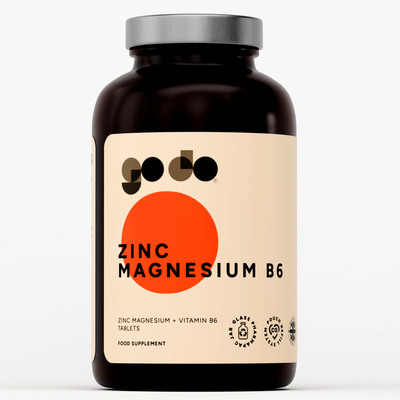
- Zinc: Essential for DNA synthesis and cell division. Zinc deficiency is known to cause a rapid decline in T-cell function.
At Fitness Health, we specialize in providing these essential nutrients in high-quality, UK-made formulations. By using eco-conscious paper packaging instead of plastic bottles, we ensure that your health journey doesn't come at the cost of the planet.
Browse our full range of immune support supplements here.
Comparative Nutrient Data
This table compares the concentration of key immune nutrients in common superfoods versus standard supplemental doses.
| Nutrient | Superfood Source | Amount per 100g | Typical Supplement Dose | Ratio (Supp:Food) |
|---|---|---|---|---|
| Vitamin C | Oranges | 53 mg | 500 - 1000 mg | ~10x - 20x |
| Zinc | Pumpkin Seeds | 7.5 mg | 15 - 25 mg | ~2x - 3x |
| Vitamin D | Mushrooms (UV-treated) | 0.01 mg | 25 - 50 mcg (1000-2000 IU) | ~250x - 500x |
| B12 | Spirulina (Analog form) | Varies | 10 - 100 mcg | Significantly Higher |
The Step-by-Step Synergy Framework
To maximize your immune resilience, follow this practical application guide to balance your intake.
- Baseline: The "Rainbow" Diet. Aim for at least five different colors of vegetables daily. This ensures a wide array of phytochemicals that supplements cannot replicate.
- Fill the Sunlight Gap. Take a daily Vitamin D supplement (minimum 1000 IU), particularly between October and April in northern latitudes.
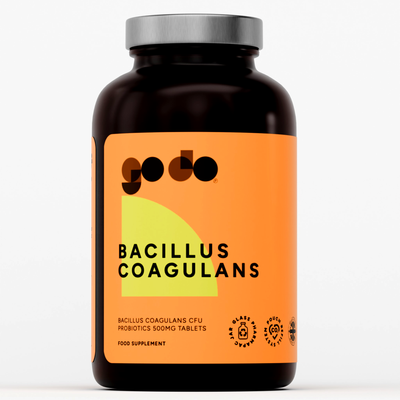
- Support the Gut. 70% of the immune system resides in the gut. Integrate fermented superfoods (kefir, sauerkraut) and consider a high-quality probiotic like Bacillus Coagulans.
- Targeted Intervention. During times of high stress or early symptoms of illness, increase your intake of Zinc and Vitamin C through supplements to reach therapeutic thresholds that food alone cannot meet.
- Eco-Friendly Sourcing. Choose brands that prioritize sustainability. Our Fitness Health paper pouches are fully recyclable and reduce the carbon footprint of your wellness routine.

Real-World View: Industry Hype vs. Science
The Hype: "This superfood powder will make you immune to all viruses." The Science: No single food or supplement can "boost" the immune system beyond its physiological peak. The goal is support and maintenance. An overactive immune system is actually harmful (causing inflammation or autoimmune issues).
The Hype: "Synthetic vitamins are useless; only food-based vitamins work." The Science: Most synthetic vitamins are chemically identical to those found in food (isomers). While some "whole-food" supplements offer better co-factors, standard high-quality isolates like those found in Fitness Health's B-Complex are highly effective and clinically proven to raise blood serum levels.
Safety, Contraindications, and Quality
While supplements are generally safe, high-dose "shotgun" approaches can be counterproductive.
- Zinc Overload: Chronic intake of high-dose zinc (>40mg/day) can interfere with copper absorption.
- Vitamin A/E: Excessive intake of fat-soluble vitamins can lead to toxicity as they are stored in the liver.
- Contraindications: Always consult a GP if you are on blood-thinning medication before taking supplements like Vitamin E or Grapeseed extract.
Pro Tip: Always check the "Best Before" date on your paper pouches. Because Fitness Health uses eco-friendly packaging, keeping them in a cool, dry place is essential for maintaining potency.
Why Choose Fitness Health?
We believe that premium health shouldn't be a luxury. Most of our high-quality, UK-manufactured supplements are priced between $13 and $15, making it affordable to maintain a consistent routine. Our commitment to vegan-friendly ingredients and plastic-free packaging means you are supporting your body and the environment simultaneously.

Shop our Affordable Immune Range →
Frequently Asked Questions
Q: Can I replace all my vegetables with a multivitamin? A: No. Whole foods provide fiber and thousands of phytochemicals that have not yet been isolated into supplement form. Supplements are designed to "supplement" a healthy diet, not replace it.
Q: Are vegan supplements as effective as animal-derived ones? A: Absolutely. For example, Vitamin D3 can now be sourced from lichen (vegan) rather than lanolin (sheep's wool), providing the exact same biological activity.
Q: How long does it take for immune supplements to work? A: While some effects (like Vitamin C's antioxidant action) are immediate, building up fat-soluble vitamins like Vitamin D can take 4–8 weeks of consistent daily use.
Recommended
* [Vitamins and Minerals Guide](https://fitnesshealth.co/sitemap_blogs_2.xml) * [Eco-Friendly Living & Health](https://fitnesshealth.co/pages/faq-eco-credentials) * [Digestive Health & Probiotics](https://fitnesshealth.co/products/creatine-monohydrate-cognitive-support-750mg-capsules-sports-muscle-recovery-support)Article generated by Penny