While Vitamin C often dominates the conversation regarding seasonal health, true immune resilience is built upon a much broader nutritional foundation. According to the Harvard T.H. Chan School of Public Health, the immune system is a complex network that requires a consistent supply of various micronutrients to function optimally. Relying on a single vitamin is like trying to build a house with only bricks but no mortar; you need a diverse array of minerals, vitamins, and lifestyle factors to create a truly "bulletproof" defense.
Table of Contents
- The Big Three Minerals: Zinc, Magnesium, and Selenium
- The Microbiome Connection: Why Immunity Starts in the Gut
- Sleep and Stress: The Invisible Pillars of Defense
- Evidence-Based Benefits and Safety Warnings
- Real-World View: Hype vs. Scientific Reality
- Your 5-Step Immune Resilience Framework
- Frequently Asked Questions
Key Takeaways
| Nutrient/Factor | Primary Immune Role | Top Evidence-Based Benefit |
|---|---|---|
| Zinc | Immune cell development | Reduces duration of common cold symptoms |
| Vitamin D | Inflammatory regulation | Modulates innate and adaptive immune responses |
| Probiotics | Gut barrier integrity | Supports the 70% of immune cells located in the gut |
| Magnesium | Biochemical catalyst | Essential for Vitamin D activation and stress reduction |
| Sleep | T-cell activation | Enhances the "memory" of the immune system |
The Big Three Minerals: Zinc, Magnesium, and Selenium
For your immune system to mount an effective response against pathogens, it requires specific minerals that act as co-factors for thousands of enzymatic reactions. Zinc, in particular, is often called the "gatekeeper" of immune function.
Zinc Citrate and Immune Signaling
Zinc is crucial for the normal development and function of cells mediating innate immunity, such as neutrophils and natural killer cells. Research published in PubMed suggests that zinc deficiency can lead to a significant decline in immune capacity. At Fitness Health, we offer high-strength Zinc Citrate 50mg Tablets for £13.99, providing an affordable way to ensure you meet these critical requirements.
The Magnesium-Vitamin D Synergy
Many individuals take Vitamin D to support their immunity but fail to see results because they are deficient in Magnesium. Magnesium is the essential catalyst that converts Vitamin D into its active form (calcitriol). Without sufficient magnesium, Vitamin D remains stored and inactive, potentially leading to calcification in the long term.

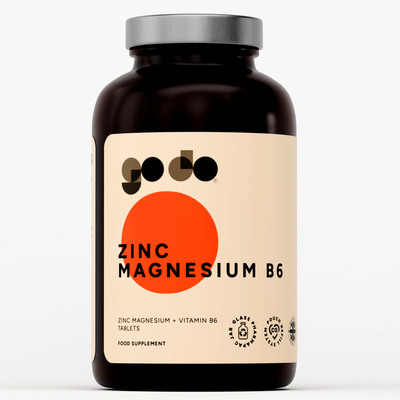
Pro Tip: Always pair your Vitamin D intake with a Magnesium supplement to maximize absorption and metabolic activation. Our Zinc, Magnesium, and Vitamin B6 complex is designed specifically for this synergy.
The Microbiome Connection: Why Immunity Starts in the Gut
It is an established scientific fact that approximately 70% of the immune system resides in the gastrointestinal tract. The gut-associated lymphoid tissue (GALT) is where your immune system "learns" to distinguish between harmless proteins and dangerous pathogens.
Prebiotics and Probiotics: The Dynamic Duo
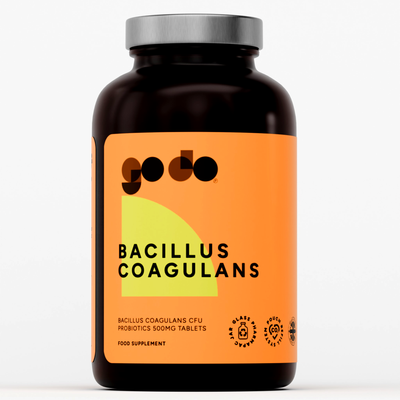
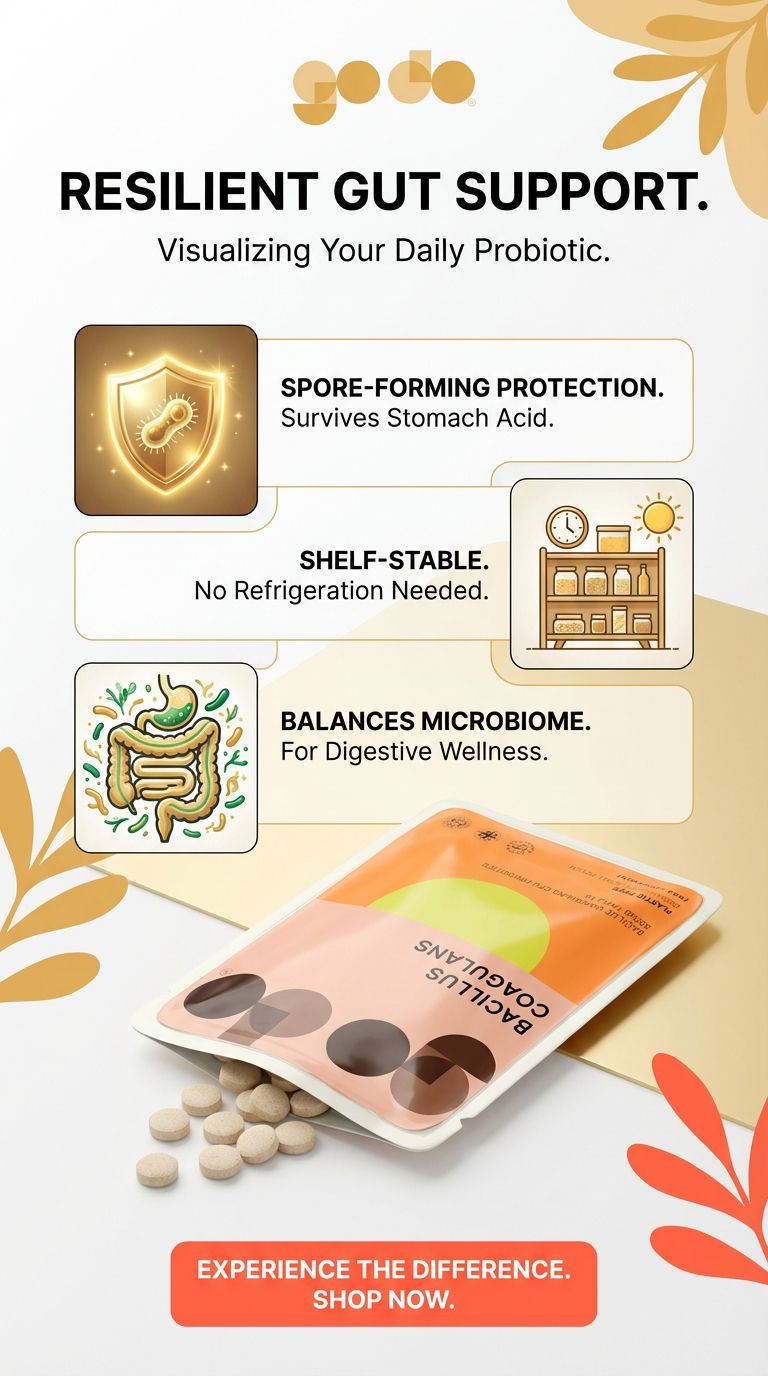
A bulletproof immune roadmap must include strategies to diversify the gut microbiome. Probiotics like Bacillus Coagulans are spore-forming bacteria that can survive the acidic environment of the stomach to populate the lower intestine.
| Nutrient Type | Mechanism | Fitness Health Solution |
|---|---|---|
| Probiotics | Introduces beneficial bacteria strains | Fibre Pro Capsules |
| Prebiotics | Feeds existing beneficial bacteria | Included Inulin in Fibre Pro |
| Antioxidants | Reduces gut inflammation | Grapeseed Extract |
"The gut microbiota communicates with the immune system to maintain homeostasis and prevent over-reactive inflammatory responses." : British Society for Immunology.
Sleep and Stress: The Invisible Pillars of Defense
You cannot supplement your way out of a chronic lack of sleep or high-stress levels. Cortisol, the primary stress hormone, is known to suppress the immune response when elevated for long periods.
The Science of Sleep and T-Cells
During deep sleep, the body releases cytokines: proteins that help the immune system communicate. Lack of sleep reduces the production of these protective cytokines and decreases the effectiveness of T-cells, which are responsible for attacking virally infected cells.
Pro Tip: Use a combination of Magnesium and Vitamin B6 30-60 minutes before bed to support muscle relaxation and improve sleep latency.
Evidence-Based Benefits and Safety Warnings
Benefits of a Holistic Nutritional Roadmap:
- Reduced Duration: Zinc and Vitamin C together may reduce the length of respiratory infections.
- Inflammatory Control: Vitamin D and Omega-3s help regulate the "cytokine storm" during infections.
- Barrier Support: Vitamin A (Beta-Carotene) maintains the mucosal linings of the lungs and gut.
- Metabolic Health: Proper mineral balance supports the energy-intensive process of mounting an immune response.
Safety Warnings and Contraindications:
- Zinc Overdose: Excessive zinc intake (over 40mg/day long-term) can interfere with copper absorption.
- Iron Sensitivity: Iron supplements should only be taken if a deficiency is confirmed via blood test, as excess iron can be pro-inflammatory.
- Pregnancy: Always consult a healthcare provider before starting fat-soluble vitamins like Vitamin A.
- Medication Interference: Supplements like Milk Thistle or Zinc may interact with certain antibiotics or blood-thinning medications.
Real-World View: Hype vs. Scientific Reality
In the wellness industry, "immune boosting" is a common buzzword. However, from a scientific perspective, you don't actually want a "boosted" (overactive) immune system, as this leads to autoimmune conditions and chronic inflammation.
The Reality: The goal is Immune Modulation. We want an immune system that is "smart": vigilant enough to catch intruders but calm enough not to attack the body's own tissues. A diverse diet and targeted supplementation ($13-15 range) provide the raw materials for this intelligence. High-priced "immune shots" or "detox teas" are often less effective than a simple, consistent routine of Vitamin D, Zinc, and healthy gut flora.
Your 5-Step Immune Resilience Framework
- Assess Your Baseline: Get a blood test to check your Vitamin D and Iron levels.
- The "5-A-Day" Upgrade: Ensure you are consuming at least five different colors of vegetables daily to provide a spectrum of phytonutrients.
- Strategic Supplementation: Incorporate a daily multivitamin or mineral complex if your diet is lacking in seafood, nuts, or seeds.
- Gut Maintenance: Take a prebiotic/probiotic complex daily, especially after a course of antibiotics.
- Audit Your Environment: Reduce blue light exposure 90 minutes before bed and utilize magnesium to support the nervous system during high-stress weeks.
Support Your Health with Fitness Health
We believe high-quality nutrition should be accessible to everyone. Our supplements are UK-made, vegan-friendly, and come in eco-conscious paper packaging to reduce plastic waste.

Browse our full range of Immune Support Supplements here
Frequently Asked Questions
Q: Can I take Zinc every day? A: Yes, in moderate doses (15-25mg). Higher doses like 50mg are best used for short-term support (1-2 weeks) or if a deficiency has been identified.
Q: Why does Fitness Health use paper packaging? A: We are committed to sustainability. Our paper pouches are lightweight, reducing shipping emissions, and far easier to recycle than traditional plastic supplement bottles.
Q: Is Vitamin D3 vegan? A: Many D3 supplements are derived from sheep's wool (lanolin). At Fitness Health, we prioritize vegan-friendly options where possible to ensure our products are inclusive for all lifestyles.
Q: How long does it take for supplements to affect the immune system? A: While some minerals like Zinc work quickly, fat-soluble vitamins (D, A, E) and probiotics typically require 4-8 weeks of consistent use to reach optimal levels in the body.
Recommended Reading
- The Benefits of Probiotics for Digestive Health
- Why Magnesium is the Most Important Mineral You Aren't Taking
- Eco-Friendly Living: Why We Ditched Plastic Bottles
Article generated by Penny