Recovery isn't just about taking a nap anymore; in 2026, it's about leaning into the extremes to feel your absolute best. Whether you've seen athletes shivering in ice baths or heard your friends raving about their latest sweat session, there is a reason why "thermal stress" is the biggest buzzword in wellness right now. According to research highlighted by Harvard Health, regular heat exposure can do wonders for your heart health and even help you live longer. It sounds a bit intense at first, but once you get the hang of saunas and cold plunges, you’ll wonder how you ever lived without that post-recovery glow.
I remember my first time trying a proper cold plunge. I stood at the edge of the tub for about five minutes, giving myself a pep talk that sounded more like a negotiation. When I finally dipped in, my breath hitched, and my brain screamed "Abort!" But after sixty seconds, something shifted. I felt this incredible sense of calm wash over me. Combine that with a hot sauna, and you’ve got a recipe for the best sleep of your life.
In this guide, we’re going to break down everything you need to know about saunas, cold plunges, and the magic of combining them through contrast therapy. We’ll keep it simple, safe, and: most importantly: fun.
Table of Contents
- The Magic of the Heat: Why We Love the Sauna
- The Big Chill: Taking the Plunge
- Contrast Therapy: The Ultimate Recovery Duo
- Safety First: Keeping Your Recovery Safe
- A Simple Beginner’s Protocol to Try Today
- Level Up Your Recovery with Fitness Health
The Magic of the Heat: Why We Love the Sauna

There is something deeply primal about sitting in a hot room and just... sweating. Saunas have been used for centuries, but only recently have we really started to understand the science behind those "good vibes." When you step into a sauna, your heart rate increases and your blood vessels dilate. It’s like a mini-workout for your cardiovascular system while you’re just sitting there.
The benefits go way beyond just sweating out last night’s pizza. Regular sauna use has been linked to lower levels of inflammation and better mood regulation. It's a fantastic way to decompress after a long day at work or a heavy lifting session. If you struggle with stiff joints or muscle soreness, the heat helps to increase blood flow to those areas, speeding up the repair process. Plus, the mental clarity you get from ten minutes of quiet heat is unmatched.
Evidence-Based Benefits of Sauna Use:
- Improved Heart Health: Helps lower the risk of cardiovascular issues by improving blood vessel function.
- Reduced Muscle Soreness: Increases circulation to help flush out metabolic waste after exercise.
- Stress Relief: Lowers cortisol levels and promotes the release of feel-good endorphins.
- Skin Health: Deep sweating helps clear pores and can improve skin tone over time.
The Big Chill: Taking the Plunge

Now, let’s talk about the part that makes everyone a little nervous: the cold plunge. Cold water immersion is a total game-changer for recovery. When you submerge yourself in cold water (usually between 10°C and 15°C), your body goes into a state of temporary shock. This causes your blood vessels to constrict rapidly, which helps to move blood away from your extremities and toward your vital organs.
Once you get out, your body begins to warm up, and that blood rushes back, full of fresh oxygen. This "flushing" effect is incredible for reducing swelling and inflammation. Many people also find that cold plunges provide a massive boost in dopamine, leaving them feeling energized and focused for hours afterward. It’s the ultimate "wake up" call for your nervous system. If you're looking for a beginner cold plunge guide, the secret is to start slow. You don't need to jump into a frozen lake; a cold shower or a moderately chilled tub is a perfect place to start.
Evidence-Based Benefits of Cold Plunges:
- Reduced Inflammation: Great for tackling DOMS (delayed onset muscle soreness) after a tough workout.
- Boosted Mood: Triggers a significant release of dopamine and norepinephrine.
- Enhanced Immune System: Some studies suggest regular cold exposure can increase white blood cell counts.
- Metabolic Boost: Your body burns energy just trying to keep your core temperature stable.
Contrast Therapy: The Ultimate Recovery Duo
Why choose between hot and cold when you can have both? This is where contrast therapy comes in. By alternating between the sauna and the cold plunge, you’re essentially giving your vascular system a workout. This is often called "vascular gymnastics." The heat expands your vessels, and the cold shrinks them. This rhythmic pumping helps move nutrients into your muscles and waste products out.
The benefits of contrast therapy are particularly noticeable if you’re an athlete or someone who trains hard. It’s one of the most effective ways to bounce back from fatigue. Beyond the physical, it’s a brilliant mental exercise in resilience. Learning to stay calm while transitioning from 80°C heat to 12°C water builds a level of mental toughness that carries over into every other part of your life.
Safety First: Keeping Your Recovery Safe
While we love the "good vibes" of contrast therapy, we have to keep it real: safety is a priority. Pushing your body to extremes requires a bit of common sense and a lot of listening to your internal signals. If you ever feel dizzy, lightheaded, or like your heart is racing uncontrollably, it’s time to get out and take a breather.
Who Should Avoid or Consult a Doctor First:
- Heart Conditions: Anyone with cardiovascular disease, history of heart attack, or stroke.
- Blood Pressure Issues: Those with uncontrolled high or very low blood pressure.
- Pregnancy: It’s best to avoid extreme temperature shifts during pregnancy.
- Raynaud’s Disease: Or any condition that affects your sensitivity to cold.
- Recent Surgery: Wait until you are fully healed and cleared by a professional.
Always stay hydrated! You lose a lot of fluids in the sauna, so drinking water before and after is essential. Also, avoid alcohol before your session; it messes with your body's ability to regulate temperature and can be dangerous.
A Simple Beginner’s Protocol to Try Today
If you're ready to try sauna and cold water recovery, here is a simple protocol to get you started. You can do this at a local spa, a gym with the right facilities, or even at home with a hot bath and a cold shower.
- Heat (10–15 mins): Sit in the sauna until you have a good sweat going. Focus on slow, deep breaths.
- Cold (1–3 mins): Step into the cold plunge or a cold shower. Focus on controlling your breath: don't let the "gasp reflex" take over.
- Rest (5 mins): Wrap yourself in a robe and let your body return to its natural temperature.
- Repeat: Do this cycle 2–3 times.
- Finish with Cold: Ending on cold helps to close the pores and leaves you feeling invigorated.

Level Up Your Recovery with Fitness Health
At Fitness Health, we believe that recovery should be as high-quality as your training. While saunas and cold plunges do the heavy lifting, your body needs the right building blocks to truly repair itself. Our supplements are designed to bridge that gap without breaking the bank.
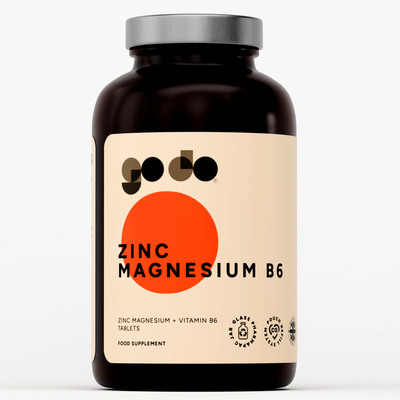
Whether you need a high-quality Magnesium Complex to help your muscles relax after a sauna session or some Zinc and Magnesium to support your sleep, we’ve got you covered. All our products are UK-made and come in eco-conscious paper packaging, so you can feel good about what you’re putting in your body and how it’s being delivered. Most of our premium formulas sit right in the $13-15 range, making top-tier wellness accessible to everyone.

Ready to take your recovery to the next level? Check out our full range of nutritional supplements and start feeling the difference today.
Recommended
If you enjoyed this guide, you might also like these categories on our blog: