Walk into any health store or scroll through wellness influencer content, and hydrogen water appears everywhere. Bottles promising antioxidant benefits sell for £3-5 each. Hydrogen-generating machines cost upwards of £300. The marketing suggests hydrogen water can do everything from boosting athletic performance to reversing ageing.
But what does the science actually say? The answer sits somewhere between marketing fantasy and legitimate biological effects: a nuanced space that requires careful examination.
What Is Hydrogen Water and How Does It Work?
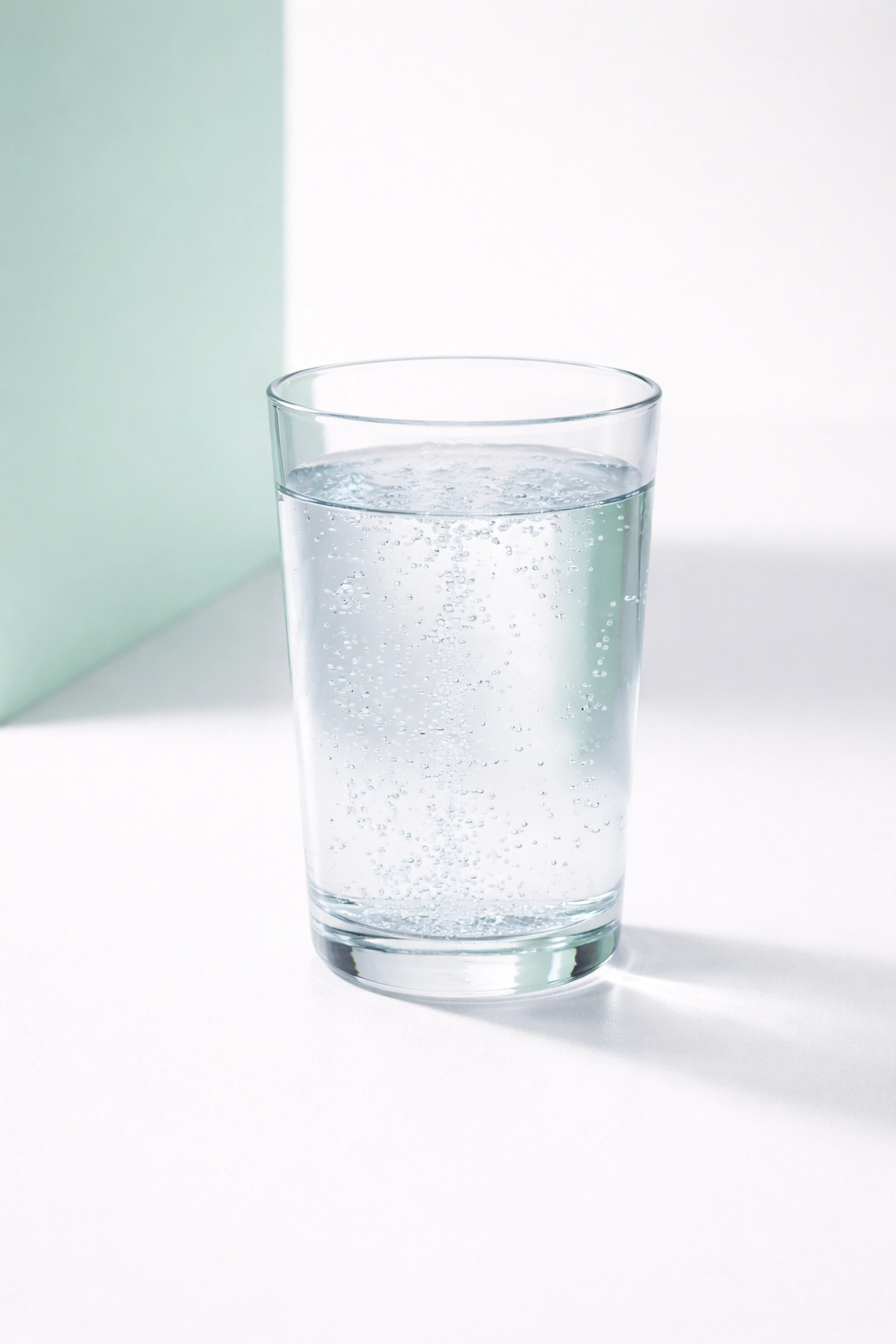
Hydrogen water is regular water infused with additional molecular hydrogen (H2) gas. While water already contains hydrogen atoms bonded to oxygen, hydrogen water contains dissolved hydrogen molecules that exist independently in the liquid.
The proposed mechanism is straightforward: molecular hydrogen acts as a selective antioxidant. Unlike other antioxidants that neutralise all free radicals (including beneficial ones), hydrogen appears to target only the most harmful reactive oxygen species. This selectivity makes it theoretically appealing for reducing oxidative stress without disrupting normal cellular signalling.
Research confirms that molecular hydrogen can cross cell membranes and even reach mitochondria: the energy-producing structures within cells. This accessibility gives hydrogen water theoretical advantages over larger antioxidant molecules that cannot penetrate as deeply into cellular structures.
What the Clinical Research Actually Shows
The evidence for hydrogen water benefits exists, but comes with significant caveats.
Metabolic health markers show promise. A 24-week clinical trial found that high-concentration hydrogen-rich water significantly reduced blood cholesterol and glucose levels in people with metabolic syndrome. The same study observed improved haemoglobin A1c levels and enhanced biomarkers of inflammation and oxidative stress.
Systematic reviews identify measurable effects. Published research has documented antioxidant, anti-inflammatory, and cytoprotective properties across multiple studies. Potential applications for cardiovascular and neurodegenerative diseases have been identified, though most evidence remains preliminary.
Quality of life improvements appear in some studies. Participants drinking hydrogen water reported better quality-of-life scores compared to placebo groups in certain trials.
However, researchers themselves recommend caution. Most studies involve small sample sizes and short durations. The peer-reviewed conclusions typically state that hydrogen-rich water "might" have promising effects but call for larger prospective clinical trials before making definitive claims.
Athletic Performance: What Athletes Should Know
The fitness industry has embraced hydrogen water for performance enhancement claims. The proposed benefits include:
- Reduced exercise-induced oxidative stress
- Faster recovery between training sessions
- Improved physical endurance
- Better cognitive function during exercise
Some studies support aspects of these claims. Research has documented reduced markers of oxidative damage following intense exercise in hydrogen water groups compared to controls. Other studies note improved subjective measures of fatigue and recovery.
The practical reality is more complex. Most athletic performance studies involve controlled conditions that differ significantly from real-world training. The hydrogen concentrations used in research often exceed what commercial hydrogen water products deliver. And the timing of consumption relative to exercise varies across studies, making practical application difficult.
Athletes considering hydrogen water for performance should weigh whether the modest documented benefits justify the significant cost premium over regular hydration strategies.

The Hydrogen Concentration Problem
Here's where hydrogen water marketing often diverges from physical reality.
Hydrogen gas doesn't stay dissolved in water for long. Once a hydrogen water bottle is opened, the gas begins escaping immediately. Within minutes, hydrogen concentration drops substantially. Within hours, much of the dissolved hydrogen has dissipated entirely.
This creates several practical problems:
Pre-packaged hydrogen water loses potency. By the time a bottle travels from manufacturer to store to consumer, hydrogen levels may have decreased significantly. The concentration listed on the label rarely reflects what's actually consumed.
Hydrogen-generating bottles have limitations. While these devices create hydrogen water on-demand, the concentrations achieved vary widely by product quality. Cheaper devices often produce hydrogen levels far below therapeutic thresholds identified in research.
Storage conditions matter. Temperature, pressure, and container materials all affect hydrogen retention. The conditions in most supply chains and home storage aren't optimised for maintaining hydrogen concentrations.
Marketing Hype vs Clinical Reality
The hydrogen water industry employs several questionable marketing tactics.
Cherry-picking positive studies. Marketing materials cite favourable research while ignoring null results or studies showing no significant benefits. This selective presentation creates a misleading impression of scientific consensus.
Extrapolating from animal studies. Many dramatic claims about hydrogen water benefits come from rodent research. Results in mice and rats don't necessarily translate to humans.
Conflating mechanism with effect. Because molecular hydrogen theoretically functions as an antioxidant doesn't mean drinking hydrogen water produces meaningful antioxidant effects in humans. The dose, delivery method, and individual variation all affect outcomes.
Multi-level marketing involvement. Some hydrogen water products are distributed through MLM structures, where compensation models incentivise exaggerated health claims and aggressive sales tactics.
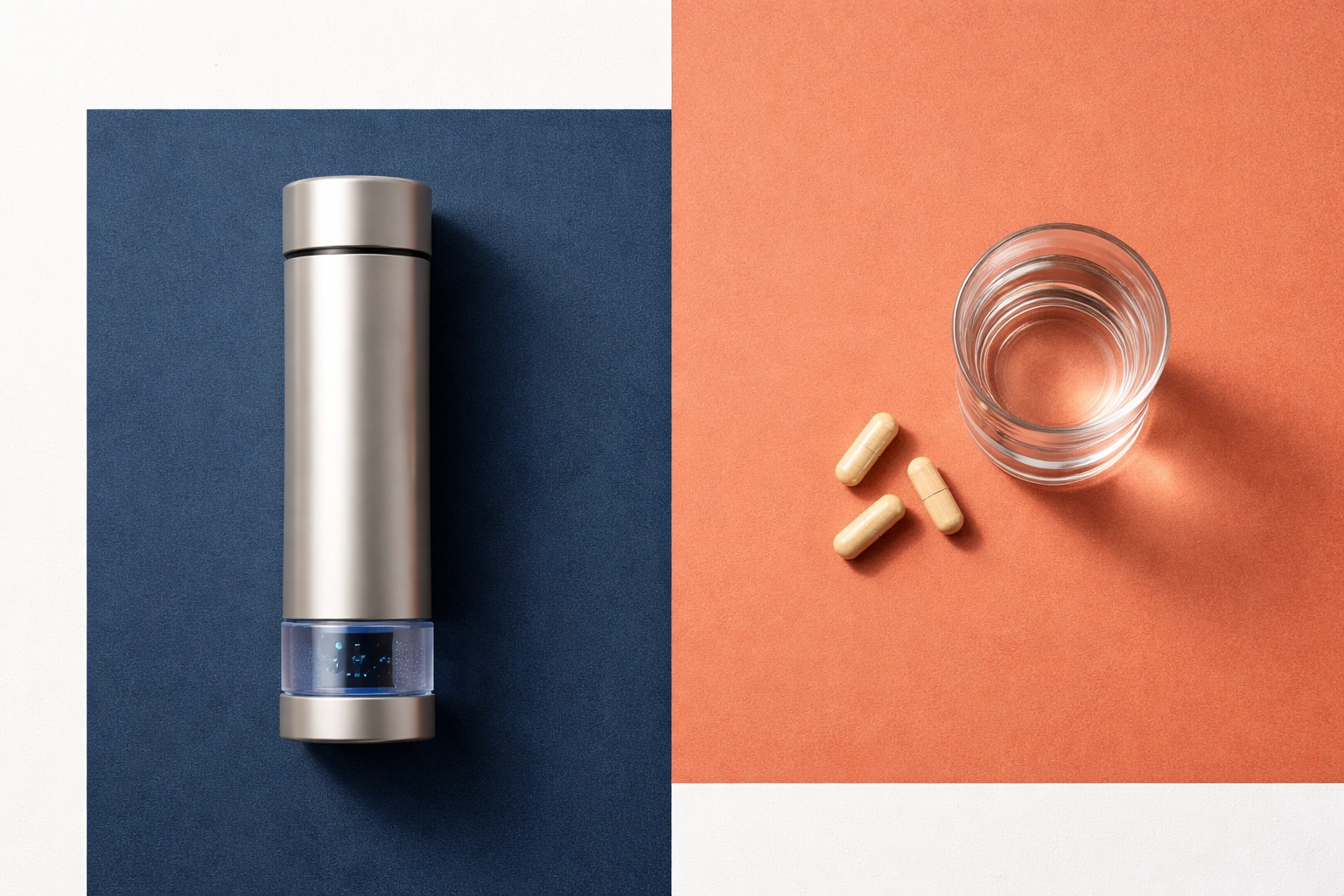
The Cost-Benefit Analysis
Consider the economics of hydrogen water:
| Option | Approximate Cost | Hydrogen Stability |
|---|---|---|
| Pre-packaged hydrogen water | £3-5 per bottle | Questionable by consumption |
| Entry-level hydrogen bottles | £50-100 | Variable, often low |
| Quality hydrogen generators | £300-500+ | Better, but still limited |
For comparison, well-established supplements with robust research support cost a fraction of these amounts. Creatine monohydrate: backed by decades of research showing clear performance benefits: costs roughly £0.10-0.20 per serving. Vitamin D supplementation runs approximately £0.05-0.10 daily.
The question isn't whether hydrogen water has any biological effects. Some evidence suggests it does. The question is whether those effects justify the substantial cost premium over proven, affordable alternatives.
A Smarter Approach to Supplementation
At Fitness Health, the focus remains on supplements with established research support and accessible pricing. The wellness industry frequently introduces expensive "miracle" products that promise revolutionary benefits. Most fade into obscurity once the hype cycle ends.
The fundamentals of health optimisation don't require £300 water bottles:
- Adequate hydration with regular water supports every bodily function
- Evidence-based supplements like vitamin D, magnesium, and omega-3s address common nutritional gaps
- Consistent exercise produces antioxidant and anti-inflammatory effects far exceeding any beverage
- Quality sleep enables cellular repair mechanisms no supplement can replace
Before investing in hydrogen water, ensure the basics are covered. The marginal returns from expensive interventions rarely match the benefits of consistent, fundamental practices.
Key Takeaways
Hydrogen water has some scientific support. The mechanism is plausible, and certain studies show measurable effects on specific biomarkers.
The evidence remains preliminary. Most research involves small samples, short durations, and controlled conditions that differ from real-world use.
Practical challenges limit effectiveness. Hydrogen concentration instability means what consumers actually drink often differs from what research used.
The cost-benefit ratio is unfavourable for most people. Proven supplements and lifestyle interventions offer better value for health optimisation.
Marketing claims frequently exceed evidence. Approach dramatic promises with appropriate scepticism.
For those still curious about hydrogen water, consider this: the same money spent on a hydrogen water device could fund years of established supplement protocols. Which investment is more likely to produce measurable health improvements? The evidence suggests it's not the fancy water bottle.