If you are wondering, “Do I need vitamin D in winter?”, the short answer is probably yes. The NHS recommends that most people in the UK consider taking 10 micrograms of vitamin D daily during autumn and winter, because sunlight is not strong enough for our skin to make enough vitamin D from around October until early spring. It is a small daily habit, but it supports some very important basics, including healthy bones, muscles and teeth.
That does not mean vitamin D is a magic shield against every winter cold. It is also not a reason to take the highest-strength supplement you can find. Let’s look at what vitamin D actually does, who needs it most and how to take it sensibly.
Table of contents
- Why vitamin D is harder to get in a UK winter
- What vitamin D actually does
- Who is most likely to need vitamin D all year
- Vitamin D deficiency symptoms: what to look for
- How much vitamin D should I take?
- The best time to take vitamin D
- Vitamin D, winter illness and immune health
- Vitamin D for training, muscles and bones
- Safety warnings and when to speak to a GP
- A simple Fitness Health option
- Recommended reading
Why vitamin D is harder to get in a UK winter
Vitamin D is sometimes called the “sunshine vitamin” because the body can make it when bare skin is exposed to direct sunlight. In the UK, this works reasonably well from late March or early April through to the end of September for many people.
Winter is different. The sun sits lower in the sky, daylight hours are shorter and the ultraviolet B radiation needed for vitamin D production is much weaker. Even if you enjoy a bright January walk, your skin may not be making much vitamin D from that light.
That is why UK guidance focuses on a daily supplement during the colder months. Food helps, but it can be difficult to get enough vitamin D from diet alone. Good food sources include oily fish such as salmon, sardines and mackerel, egg yolks, red meat and some fortified foods.

A supplement is best viewed as a top-up. It works alongside a varied diet rather than replacing one.
What vitamin D actually does
Vitamin D helps regulate calcium and phosphate in the body. These minerals are essential for maintaining healthy bones and teeth, but that is not the whole story. Vitamin D also contributes to normal muscle function.
When vitamin D levels are very low for a prolonged period, children can develop rickets, while adults may develop osteomalacia. The latter can involve bone pain and muscle weakness. The NHS explains more about vitamin D’s role in bones, teeth and muscles.
There is plenty of online discussion about vitamin D and mood, hormones, heart health and immunity. Some of these areas are being researched, but stronger claims often run ahead of the evidence. The clearest reason to take a winter supplement is to help maintain adequate levels for bone and muscle health.
Who is most likely to need vitamin D all year
The standard winter advice does not apply in exactly the same way to everyone. Some people are more likely to have low vitamin D because they have less exposure to sunlight or their skin makes vitamin D less efficiently.
The NHS advises considering a daily 10 microgram supplement throughout the year if you:
- Are not often outdoors, including if you are housebound or spend most of the day indoors.
- Live in a care home or similar institution.
- Usually wear clothing that covers most of your skin when outside.
- Have dark skin, including Black African, Black Caribbean or South Asian backgrounds.
- Are an older adult, particularly if reduced mobility limits time outdoors.
- Have a condition that affects the absorption or processing of nutrients.
Melanin, the pigment that gives skin its colour, reduces the skin’s production of vitamin D from sunlight. This is not a problem in itself, but it means that people with darker skin may need more time in the sun to make the same amount as someone with lighter skin. In a UK winter, that extra opportunity may not be available.
Babies and young children have separate guidance. Breastfed babies and formula-fed babies having less than 500ml of infant formula per day are generally advised to have 8.5 to 10 micrograms daily from birth to one year. Children aged one to four are advised to take 10 micrograms daily throughout the year. Check the NHS guidance for babies and children rather than using an adult product.
Vitamin D deficiency symptoms: what to look for
One awkward thing about vitamin D deficiency is that many people have no obvious symptoms. When symptoms do occur, they can be vague.
Tiredness, low energy and general aches may be caused by many different things, including poor sleep, stress, low iron, under-eating or an underlying health condition. They are not enough to diagnose vitamin D deficiency on their own.
More established signs of significant deficiency can include:
- Persistent bone pain or tenderness.
- Muscle weakness.
- Difficulty climbing stairs or getting up from a chair.
- Repeated bone problems or fractures.
- Poor bone development in children.
If you are concerned, a GP can decide whether a blood test is appropriate and interpret the result alongside your symptoms and medical history. It is usually better to test than to guess, especially before taking high-strength supplements.
Persistent tiredness, low mood, insomnia or anxiety also deserve proper attention rather than being automatically blamed on vitamin D. Speak with your GP if these problems continue or affect daily life.
How much vitamin D should I take?
For most adults and children aged one year and over, the usual UK winter recommendation is:
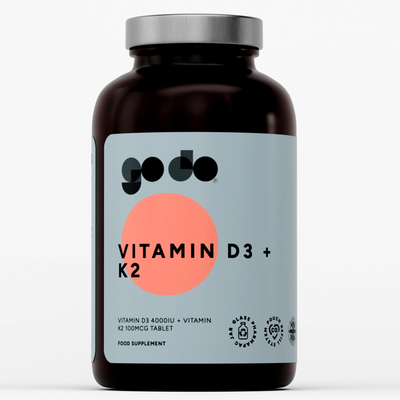
10 micrograms (mcg) per day, equal to 400 international units (IU).
This is the answer to the common search query “how much vitamin D should I take?” for general winter prevention. A microgram and an IU are simply two different ways of expressing the amount:
- 1 microgram of vitamin D equals 40 IU.
- 10 micrograms equals 400 IU.
- 25 micrograms equals 1,000 IU.
More is not automatically better. The NHS advises adults not to take more than 100 micrograms, or 4,000 IU, per day unless directed by a healthcare professional. That is a safety limit, not a target.
Taking too much vitamin D over time can raise calcium levels in the blood, a condition called hypercalcaemia. This can damage the kidneys and affect the heart. Check the labels of multivitamins, cod liver oil and other supplements so you do not accidentally add several sources together.
Daily supplementation is generally more sensible than taking occasional large “megadoses”. If a GP diagnoses a deficiency, they may prescribe a different short-term treatment plan. That is not the same as routine winter supplementation.
The best time to take vitamin D
There is no universally proven “perfect” time of day. The best time to take vitamin D is the time you can remember consistently.
Vitamin D is fat-soluble, so taking it with a meal that contains some fat may support absorption. Breakfast with yoghurt or eggs, lunch with olive oil or avocado, or dinner with fish are all reasonable options.
Vitamin D3, also called cholecalciferol, and vitamin D2, called ergocalciferol, are both used in supplements. Both can raise vitamin D levels, although D3 is generally considered more effective at raising and maintaining blood levels. The NIH Office of Dietary Supplements provides a detailed comparison of vitamin D forms and functions.
The simple routine is more important than the clock: choose a suitable dose, take it with food and make it part of an existing habit.
Vitamin D, winter illness and immune health
Vitamin D is involved in normal immune function, which is one reason it appears in so many winter wellness conversations. However, it would be misleading to say that taking vitamin D prevents colds, flu or every other seasonal infection.
The research is mixed. Some trials and reviews suggest a modest reduction in acute respiratory infections, particularly among people with very low vitamin D levels and those taking regular daily or weekly doses. Other large analyses have found little or no meaningful benefit in people who already have adequate vitamin D.
The 2017 BMJ individual-participant meta-analysis is often cited because it found the strongest apparent benefit in people with profound deficiency. Later research has been less consistent, so the fair conclusion is that correcting deficiency is sensible, but vitamin D is not a substitute for vaccination where appropriate, hand hygiene, sleep, a varied diet or medical care.
Vitamin D for training, muscles and bones
For people who train, vitamin D fits into the basics rather than the hype. Adequate vitamin D supports normal muscle function and helps the body manage calcium and phosphate, both of which matter for bone health.
That is useful context during a dark UK winter, especially if you train indoors, work at a desk and rarely see daylight. Still, vitamin D will not compensate for an unsuitable training plan, low protein intake, poor recovery or too little food.
Think of it as one small part of the foundation: progressive training, enough protein, regular movement, good sleep and a balanced diet come first. A winter supplement may help cover a common nutritional gap.

Safety warnings and when to speak to a GP
Speak with a GP, pharmacist, midwife or specialist before following label advice if you:
- Have a diagnosed vitamin D deficiency.
- Are pregnant or breastfeeding.
- Have kidney disease, liver disease, kidney stones or problems with calcium levels.
- Have a condition affecting nutrient absorption, such as coeliac disease, inflammatory bowel disease or a history of bariatric surgery.
- Take medicines or prescribed supplements that may interact with vitamin D.
- Are already taking a high-dose vitamin D product.
- Are choosing a supplement for a baby or child.
Pregnant people should follow advice from their midwife or GP and should avoid cod liver oil or supplements containing vitamin A in the form of retinol unless specifically advised. Children also need age-appropriate products and doses.
If a doctor has prescribed a different amount, follow that plan rather than switching to a standard over-the-counter dose.
A simple Fitness Health option
Fitness Health aims to make everyday nutrition straightforward, with UK-made supplements and practical formulations at accessible prices. If you are comparing options for winter, you can browse the Fitness Health Vitamins & Minerals collection or the Immunity collection.

Our gentle reminder is the same one we would give anyone: check the dose, avoid stacking products unnecessarily and choose medical guidance over a supplement label when you have a health condition.
Recommended reading
- Best Supplements for Bloating: What Actually Helps?
- Training and Fitness Supplements
- Fitness Health Immune Support
- Fitness Health Vitamins & Minerals
Meta description: Vitamin D in Winter: Why Almost Everyone in the UK Needs It explains NHS winter guidance, the 10 microgram dose, deficiency symptoms, food sources, safe use and advice for people who train.