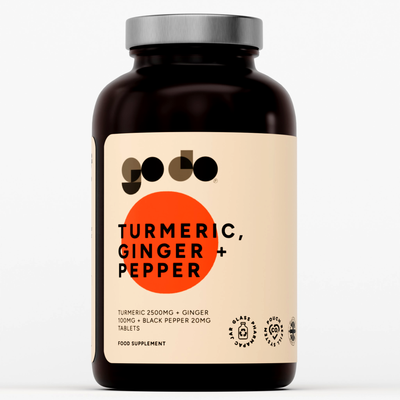
Whether you are a marathon runner, a weightlifter, or someone who enjoys a weekend yoga session, recovery is the bottleneck of progress. Emerging clinical research suggests that nutritional interventions, specifically involving curcumin: the active polyphenol in turmeric: can significantly reduce exercise-induced muscle damage and systemic inflammation. According to the National Institutes of Health (NIH), curcumin is widely recognized for its potent anti-inflammatory and antioxidant properties, making it a staple for those looking to optimize their physical performance and longevity.
Table of Contents
- Understanding the Active Power of Curcumin
- Joint Health: Reducing Friction and Pain
- Recovery Fuel: Beating DOMS and Inflammation
- Optimal Timing and Dosage for Athletes
- Step-by-Step Framework for Integration
- Real-World View: Hype vs. Scientific Reality
- Frequently Asked Questions
Key Takeaways
| Feature | Benefit for Athletes |
|---|---|
| Anti-Inflammatory | Reduces swelling and markers like C-reactive protein (CRP). |
| Analgesic Properties | Lowers subjective perception of muscle pain (DOMS). |
| Antioxidant Support | Neutralizes free radicals produced during high-intensity training. |
| Joint Protection | May improve range of motion and decrease joint stiffness. |
Understanding the Active Power of Curcumin
Turmeric has been used for centuries, but modern science has pinpointed curcumin as the primary bioactive compound responsible for its health benefits. However, raw turmeric powder only contains about 3% curcumin by weight. For athletes, this means that simple culinary use is rarely enough to reach the therapeutic thresholds required for systemic recovery.
Curcumin works by modulating several molecular targets. Most notably, it inhibits NF-κB, a protein complex that controls the transcription of DNA and plays a central role in the body’s inflammatory response. By "turning down" this master switch, curcumin helps manage the fire of inflammation before it leads to chronic joint wear or prolonged muscle fatigue.
"Curcumin has been shown to improve systemic markers of oxidative stress. There is evidence that it can increase serum activities of antioxidants such as superoxide dismutase (SOD)." : Journal of Dietary Supplements

Joint Health: Reducing Friction and Pain
High-impact sports and heavy lifting put immense strain on your connective tissues. Over time, this can lead to "micro-trauma" in the joints. Curcumin acts as a natural buffer.
Evidence-Based Benefits for Joints:
- Reduced Stiffness: Regular supplementation has been linked to improved morning stiffness in individuals with joint concerns.
- Cartilage Protection: Studies suggest curcumin may help inhibit the enzymes that break down cartilage (MMPs).
- Enhanced Mobility: By reducing synovial inflammation, athletes often report a better range of motion during deep movements like squats or lunges.
Pro Tip: Combine your turmeric capsules with a source of healthy fats (like omega-3s or avocado). Since curcumin is fat-soluble, this significantly increases its absorption into your bloodstream.
Recovery Fuel: Beating DOMS and Inflammation
Delayed Onset Muscle Soreness (DOMS) usually peaks 24 to 72 hours after an intense workout. This is caused by microscopic tears in the muscle fibers. While some inflammation is necessary for muscle growth, excessive inflammation can hinder your ability to train the next day.
Research published in Frontiers in Physiology indicates that athletes using curcumin reported lower pain scores and had lower levels of creatine kinase (a marker of muscle damage) in their blood compared to placebo groups.
Comparative Data: Curcumin vs. Placebo in Recovery
| Marker | Curcumin Group | Placebo Group |
|---|---|---|
| Subjective Muscle Pain | 30% Lower at 48h | Baseline High |
| C-Reactive Protein (CRP) | Significant Reduction | Minimal Change |
| Creatine Kinase (CK) | Blunted Increase | High Spike Post-Exercise |
| Muscle Power Output | Faster Return to Baseline | Delayed Recovery |

Optimal Timing and Dosage for Athletes
To see the benefits of turmeric curcumin, consistency is more important than timing it specifically around your "anabolic window." Unlike caffeine, which has an immediate effect, curcumin builds up in your system.
- Daily Dosage: Most clinical trials for athletic recovery use dosages ranging from 500mg to 1,500mg of curcuminoids per day.
- The Piperine Factor: Look for supplements that include black pepper extract (piperine). Piperine can increase the bioavailability of curcumin by up to 2,000%.
- Duration: Benefits for joint health typically manifest after 4–8 weeks of consistent daily use.
Pro Tip: If you have a sensitive stomach, take your capsules during your largest meal of the day to minimize any potential digestive discomfort.
Step-by-Step Framework for Integration
If you are ready to add turmeric curcumin to your stack, follow this evidence-based framework:
- Select a Standardized Extract: Ensure your supplement is standardized to 95% curcuminoids. At Fitness Health, our formulations focus on high-potency extracts to ensure you aren't just taking "expensive kitchen spices."
- Establish a Baseline: Start with one capsule (approx. 500mg) daily for the first week to assess tolerance.
- Sync with Your Training Cycle: If you are entering a high-volume "overreach" phase (e.g., a marathon taper or a powerlifting peak), increase your consistency to twice daily (morning and evening).
- Monitor Your Markers: Track your "soreness levels" on a scale of 1-10 in your training log. Most users notice a significant drop in baseline "gym-related aches" after 21 days.
- Review and Adjust: After 3 months, assess your joint mobility. If you feel "fluid" and recovery is fast, maintain your dose.
Real-World View: Hype vs. Scientific Reality
In the fitness industry, turmeric is often marketed as a "miracle cure" that works instantly. This is a scientific inaccuracy.
The Reality: Curcumin is not an acute painkiller like ibuprofen. You won't take a capsule and feel your headache or joint pain vanish in 20 minutes. Instead, it acts as a long-term modulator. It "mops up" oxidative stress and prevents the inflammatory cascade from spiraling out of control. It is a tool for maintenance and prevention, not an emergency fix for an acute injury.
Support Your Joints with Fitness Health
At Fitness Health, we believe quality wellness shouldn't break the bank. Our Turmeric Curcumin supplements are crafted in the UK, using high-quality formulations designed for maximum absorption. We've swapped bulky plastic bottles for eco-conscious paper packaging, delivering premium health solutions straight to your door at affordable prices (usually between $13-15).

Shop our Joint Health Collection here and start your journey toward faster recovery today.
Frequently Asked Questions
Can I just eat more turmeric powder instead of taking capsules?
While adding turmeric to food is healthy, you would need to consume massive amounts (tablespoons daily) to match the curcuminoid content found in a single standardized capsule. Capsules are more practical for hitting therapeutic targets.
Are there any side effects?
Curcumin is generally recognized as safe (GRAS). However, very high doses can cause mild digestive upset or thinning of the blood. If you are on blood-thinning medication, consult your GP before starting.
Does it interfere with muscle growth?
There was a concern that "shutting down" inflammation might stop muscle hypertrophy. However, recent studies on curcumin specifically show that it manages excessive inflammation without blunting the essential signals needed for muscle protein synthesis.
Recommended
- The Ultimate Guide to Omega-3 for Heart Health
- How to Choose the Right Probiotic for Digestive Balance
- Natural Ways to Support Your Immune System Year-Round
Article generated by Penny