You can have the best running shoes, the perfect training plan, and all the motivation in the world. But if your ankles and hips are locked up tighter than a drum, your running form is going to suffer. And when form suffers, injuries follow.
Here's the thing: your foot positioning during a run isn't just about what your feet are doing. It's directly connected to how well your ankles can flex and how freely your hips can move. Restricted mobility in these two areas forces your body to compensate, and compensation is where problems start.
The good news? You can fix this with just five mobility drills. No fancy equipment needed. About 10 minutes of your time. Let's break them down.
Why Ankle and Hip Mobility Matters for Runners
Every time your foot strikes the ground, your ankle needs to dorsiflex (bend upward) to absorb impact properly. If your ankle mobility is limited, your body finds other ways to manage that force, usually by over-pronating or landing with a heavy heel strike.
Your hips tell a similar story. They control your leg swing, stride length, and overall stability. Tight hip flexors pull your pelvis forward, shortening your stride and putting extra stress on your lower back and knees.
Bottom line: Better ankle and hip range of motion equals better foot positioning, more efficient running mechanics, and fewer trips to the physio.

Ankle Mobility Drills
Let's start from the ground up. These two drills target your ankle joint and the surrounding calf muscles that often restrict movement.
1. Straight-Leg Ankle Matrix
This drill hits your ankle mobility from multiple angles, which is exactly what running demands. You're not just moving forward when you run, you're also stabilising side to side.
How to do it:
- Stand facing a wall with your hands flat against it for balance.
- Plant one leg behind you with your heel firmly on the ground and your foot pointed straight ahead.
- Keep that back leg straight throughout the entire drill.
- With your front leg, drive your knee forward in a pendulum motion, tapping the ground lightly, then swing it back to the start.
- Complete 5–10 reps with your foot pointed straight.
- Repeat the same motion with your foot angled 45 degrees to the left for 5–10 reps.
- Repeat again with your foot angled 45 degrees to the right for 5–10 reps.
- Switch legs and repeat the entire sequence.
What you'll feel: A deep stretch high in your calf, moving slightly as you change angles. This targets both the gastrocnemius and soleus muscles that often limit ankle dorsiflexion.
2. Dynamic Calf Stretch
Think of this as an active version of the classic runner's stretch. Instead of holding a static position, you're moving through the range of motion to warm up the tissue and improve blood flow.
How to do it:
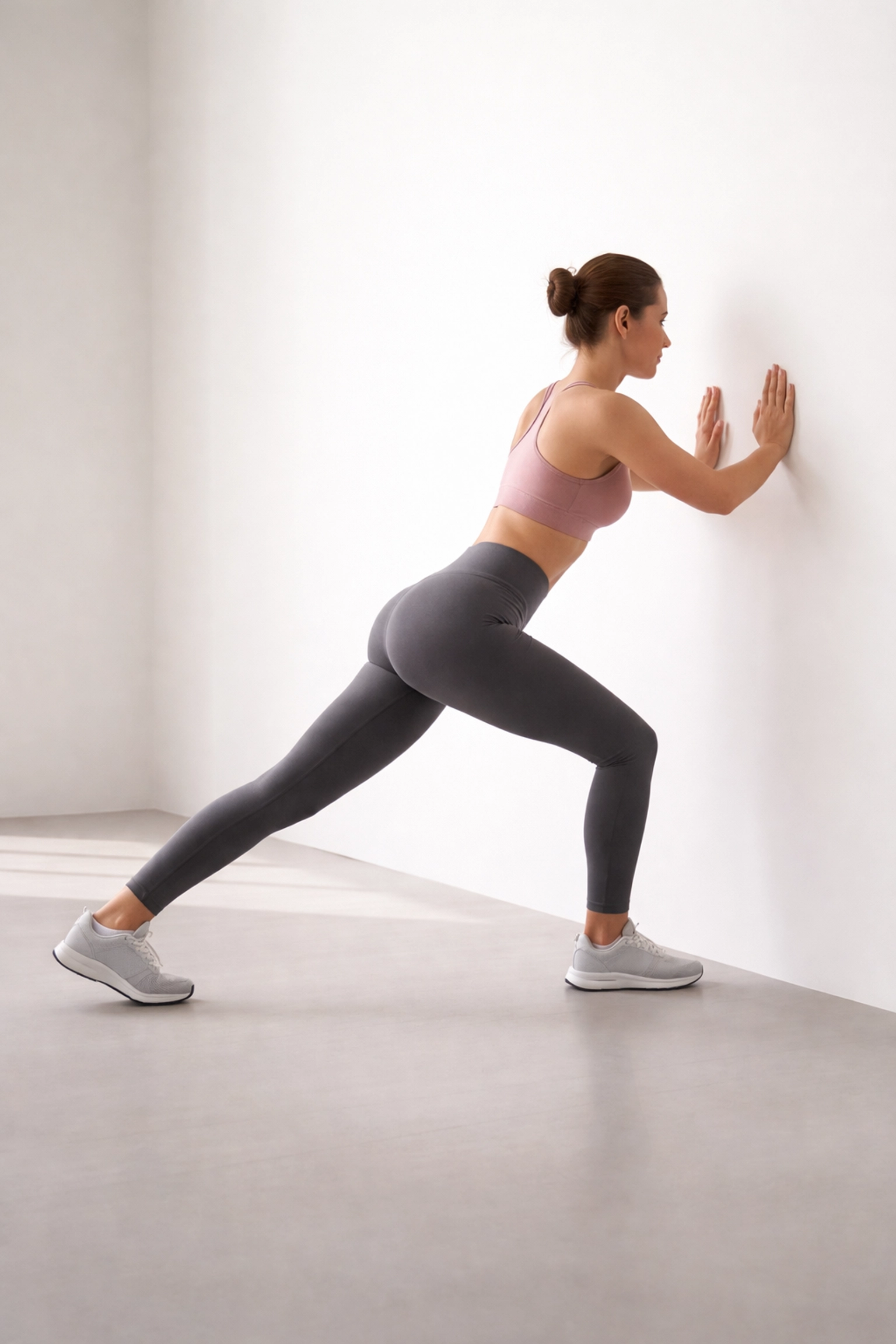
- Stand facing a wall with your arms straight and hands flat against it at shoulder height.
- Step one leg forward with your knee bent and foot flat on the floor.
- Extend your other leg straight back, keeping the heel pressed firmly into the ground.
- Lift your back heel toward the ceiling as high as you can.
- Pause for one second at the top.
- Lower your heel back to the floor with control.
- Complete 10 reps, then switch sides.
Pro tip: Keep your back leg completely straight throughout. If you bend that knee, you'll shift the stretch to a different part of the calf.
Hip Mobility Drills
Now let's move up the chain. Your hips need to rotate, flex, and extend smoothly for efficient running. These three drills address all of those movement patterns.
3. Standing Hip CARs (Controlled Articular Rotations)
CARs are one of the best ways to maintain and improve joint health. This drill takes your hip through its full range of motion in a controlled manner, which helps your nervous system "remember" that it can access these positions.
How to do it:
- Stand next to a wall or sturdy chair and place one hand on it for balance.
- Shift your weight fully onto one leg.
- Lift your opposite knee up to hip height in front of you.
- Keeping your knee bent, rotate it out to the side of your body.
- Continue the rotation by bringing your knee behind you as far as you can.
- Return to the starting position by reversing the motion.
- Complete 10 circles in this direction.
- Reverse the circle direction for 10 more reps.
- Switch legs and repeat.
Key point: Move slowly and deliberately. The goal isn't speed: it's control. If you feel "sticky" spots where the movement isn't smooth, that's exactly what you're trying to improve.
4. Hip Switches
This drill is brilliant for improving internal and external hip rotation: two movements that runners often neglect but desperately need. Poor hip rotation contributes to IT band issues, knee pain, and inefficient stride mechanics.
How to do it:
- Sit on the ground with your knees bent and feet flat, positioned wider than shoulder-width apart.
- Place your hands on the ground behind you for support.
- Drop both knees to your left side, creating a 90/90 position (both knees at roughly 90-degree angles).
- Pause briefly in this position.
- Lift both knees and drop them to your right side.
- Continue alternating sides in a smooth, controlled rhythm.
- Complete 10 total reps (5 each side).
What to watch for: Your feet should stay planted on the ground throughout. If your feet are lifting, widen your stance slightly.
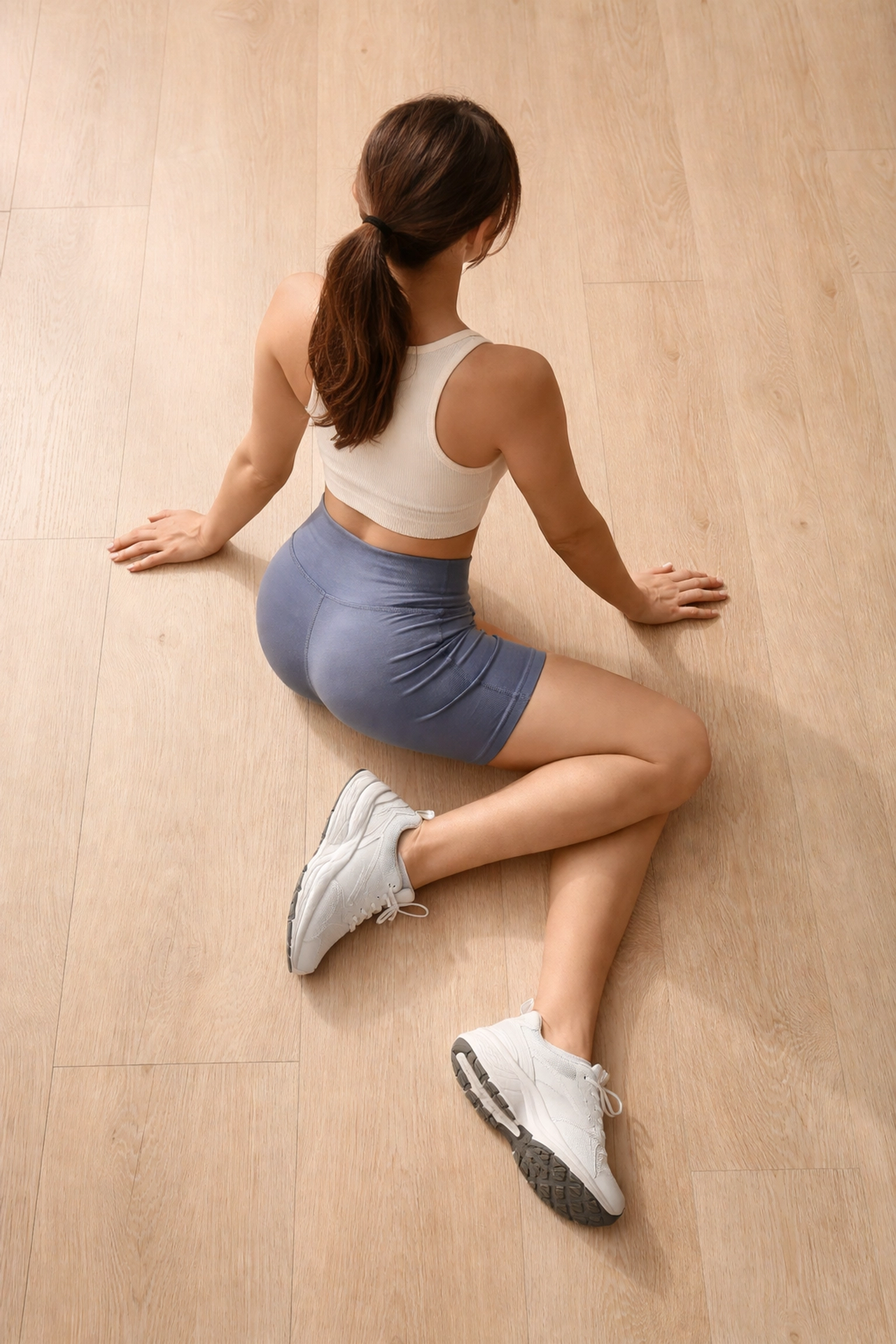
5. Side-Lying Open Books
This drill combines thoracic (upper back) rotation with hip mobility. Why include thoracic rotation in a hip mobility routine? Because your upper body and lower body work together when you run. Restricted thoracic rotation forces your hips to work harder.
How to do it:
- Lie on your right side with your hips and knees bent at 90 degrees, stacked on top of each other.
- Place your right hand on your left knee to keep it anchored down.
- Place your left hand behind your head.
- Exhale as you rotate your upper body to the left, trying to touch your left elbow to the ground behind you.
- Your body should form a T shape at the end of the movement.
- Inhale as you return to the starting position.
- Complete 10 reps, then switch to your left side and repeat.
Important: Keep your bottom knee pressed into the ground with your hand. The rotation should come from your upper back, not your lower back or hips.
When to Do These Drills
Before running: Perform each drill for the prescribed reps as part of your warm-up. This primes your joints and muscles for the demands of running.
On rest days: Work through the full routine once or twice to maintain and gradually improve your range of motion.
After running: These drills also work well as part of a cooldown, especially the hip switches and open books.
Supporting Your Recovery
Mobility work creates temporary inflammation in the tissues: that's part of how your body adapts and improves. Supporting this recovery process helps you get the most from your efforts.
A few things that help:
- Stay hydrated before and after your mobility sessions
- Get adequate sleep to allow tissue repair
- Support joint health with targeted nutrition
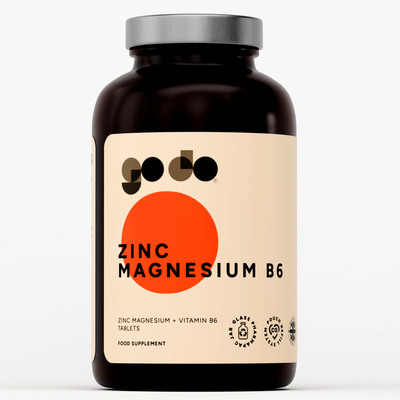
Consider adding supplements like Zinc Magnesium & Vitamin B6 (ZMA) to support muscle recovery and sleep quality, or Omega-3 Fish Oil to help manage the inflammatory response that comes with training.
For more nutrition strategies to support your running, check out the Fitness Health nutrition blog.
Quick Reference Summary
| Drill | Target Area | Reps |
|---|---|---|
| Straight-Leg Ankle Matrix | Ankle dorsiflexion | 5–10 per angle, each leg |
| Dynamic Calf Stretch | Calf/Ankle | 10 per leg |
| Standing Hip CARs | Hip rotation | 10 each direction, each leg |
| Hip Switches | Internal/External hip rotation | 10 total |
| Side-Lying Open Books | Thoracic/Hip | 10 per side |
Spend 10 minutes on these five drills three to four times per week. Within a few weeks, you'll notice improved foot positioning, a smoother stride, and fewer of those nagging aches that slow runners down.
Your ankles and hips will thank you. So will your knees, your back, and your running times.