The human body possesses remarkable regenerative capabilities. Every second, millions of cells repair, regenerate, and rebuild. However, this natural repair process depends heavily on the raw materials provided through nutrition. While rest and proper training protocols matter, what lands on the plate can dramatically accelerate: or slow down: recovery.
Whether recovering from an intense workout, managing chronic inflammation, or simply looking to support the body's natural healing processes, certain foods stand out for their scientifically-backed repair properties. These aren't exotic ingredients requiring a specialty shop visit. They're accessible, versatile, and backed by compelling research.
Here are three superfoods that can help repair the body faster than most people realise.
1. Turmeric (Curcumin): The Inflammation Fighter
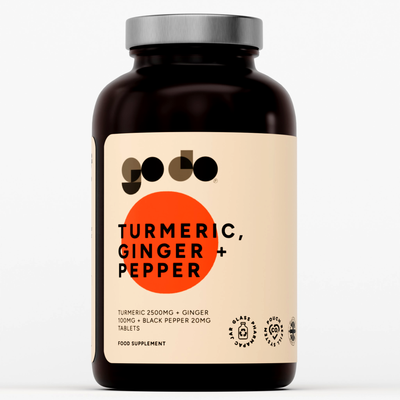
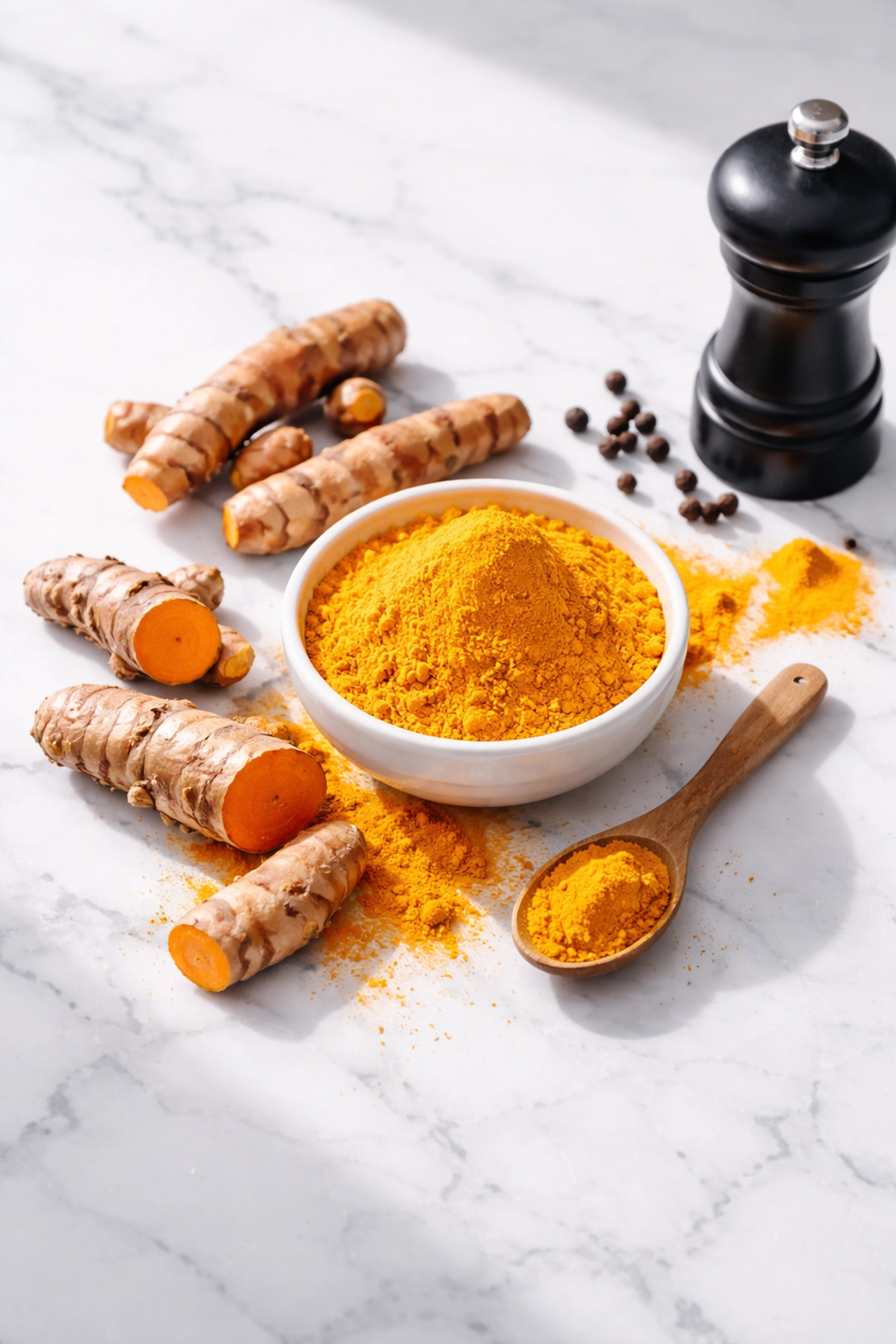
Turmeric has earned its reputation as one of nature's most powerful anti-inflammatory compounds. The active ingredient responsible for its benefits: curcumin: works at the molecular level to interrupt inflammatory pathways that slow recovery and contribute to chronic pain.
How Curcumin Accelerates Repair
Research demonstrates that curcumin doesn't just mask inflammation symptoms. It actively modulates the body's inflammatory response by inhibiting NF-kB, a molecule that travels into cell nuclei and activates genes related to inflammation. This mechanism makes it particularly effective for:
- Post-exercise muscle recovery: Reducing delayed onset muscle soreness (DOMS)
- Joint repair: Supporting cartilage health and reducing stiffness
- Neural regeneration: Studies show neuro stem cells proliferate 50 to 80% faster when exposed to curcumin, while also increasing neurogenesis: the conversion of stem cells into functional neurons
Practical Application
The challenge with turmeric lies in bioavailability. Curcumin absorbs poorly on its own. To maximise absorption:
- Consume turmeric with black pepper (piperine increases absorption by up to 2,000%)
- Take it with a fat source, as curcumin is fat-soluble
- Consider a high-quality curcumin supplement with enhanced bioavailability
Daily target: 500–2,000mg of curcumin extract, or 1–3 teaspoons of turmeric powder combined with black pepper.
For those engaged in regular resistance training: whether performing compound movements or seated cable row alternatives at home: curcumin supplementation can significantly reduce recovery time between sessions.
2. Tart Cherries: The Muscle Recovery Specialist
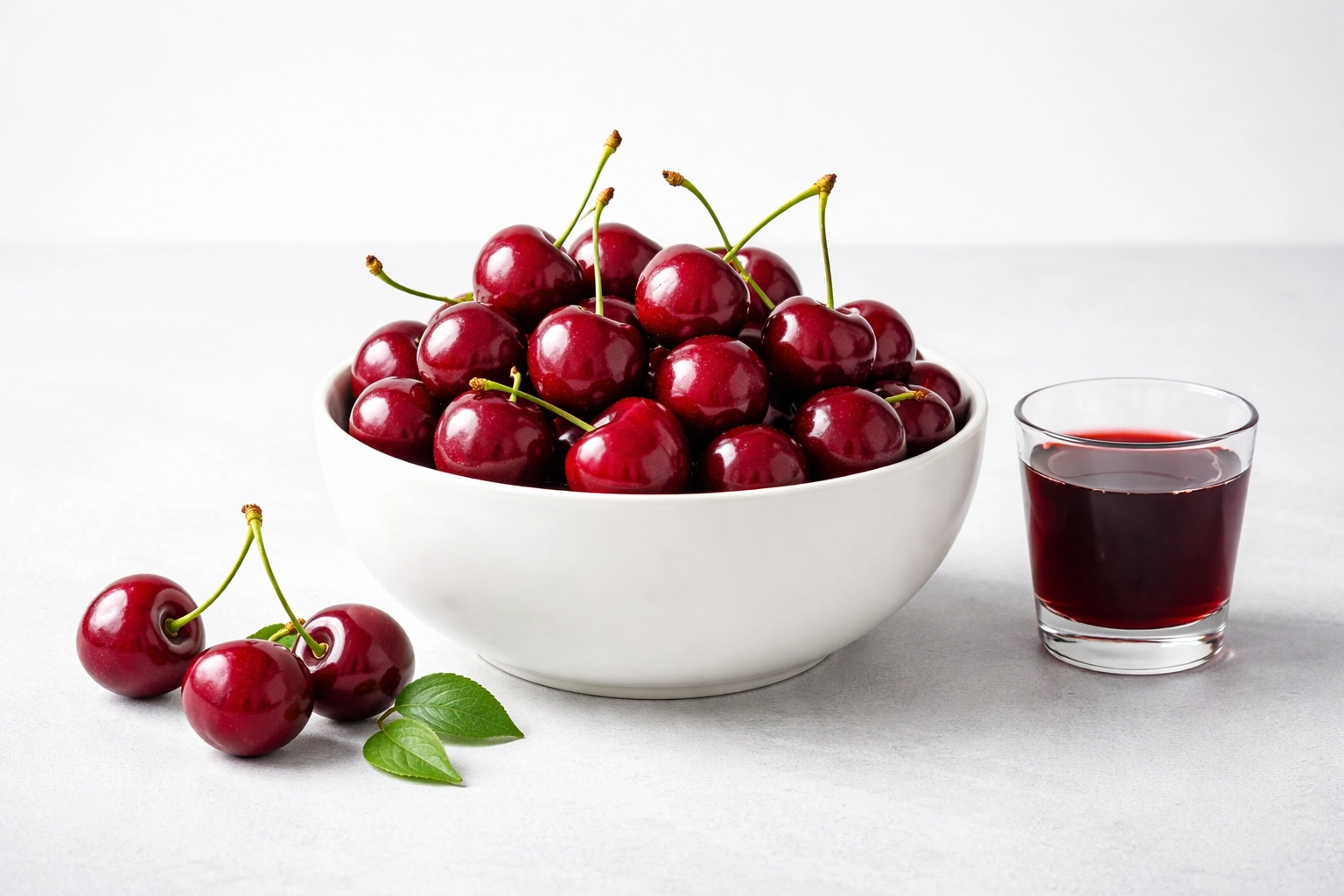
Tart cherries have become a staple among athletes and fitness enthusiasts for good reason. These small fruits pack an extraordinary concentration of anthocyanins: the compounds responsible for their deep red colour and potent antioxidant properties.
The Science Behind Tart Cherry Recovery
Multiple clinical trials have demonstrated tart cherries' effectiveness for muscle repair:
- Reduced muscle damage markers: Studies show decreased levels of creatine kinase (a marker of muscle breakdown) following intense exercise
- Faster strength recovery: Athletes consuming tart cherry juice regained strength faster than placebo groups
- Improved sleep quality: Tart cherries contain natural melatonin, supporting the sleep cycles essential for repair
- Lower inflammation: Anthocyanins inhibit COX-1 and COX-2 enzymes, similar to non-steroidal anti-inflammatory drugs but without the side effects
How to Incorporate Tart Cherries
Unlike sweet cherries found in most supermarkets, tart cherries (Montmorency variety) deliver the highest concentration of beneficial compounds. Options include:
| Form | Recommended Amount | Best Timing |
|---|---|---|
| Tart cherry juice concentrate | 30ml twice daily | Morning and 1 hour before bed |
| Dried tart cherries | 40–50g daily | Post-workout snack |
| Tart cherry powder | 480mg daily | Mixed into smoothies or water |
| Frozen tart cherries | 1 cup daily | Added to breakfast or post-workout meals |
For optimal recovery benefits, consume tart cherries consistently for at least 4–7 days before and after particularly demanding training periods.
3. Blueberries: The Cellular Regeneration Powerhouse
Blueberries consistently rank among the most nutrient-dense foods available. Their deep blue pigment indicates high concentrations of anthocyanins, but their benefits extend far beyond simple antioxidant activity.
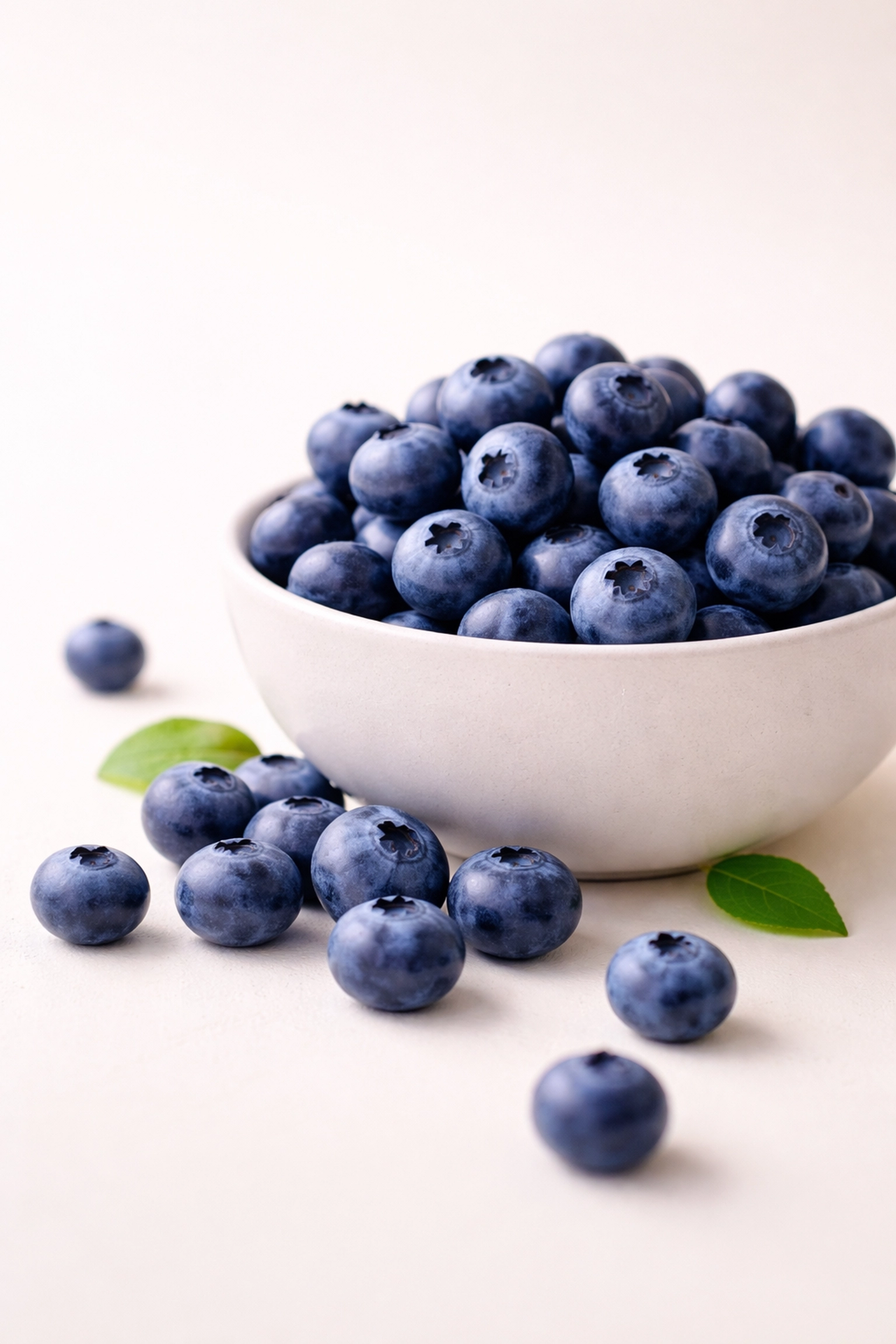
Blueberries and Stem Cell Activation
Recent research has revealed remarkable findings about blueberries and cellular repair:
- Consuming just one-third of a cup of blueberries daily for six weeks improved muscle stem cell numbers by 40%
- This increase in satellite cells (muscle stem cells) directly enhances the body's capacity to repair and build muscle tissue
- Blueberries also reduce oxidative stress: the cellular damage caused by free radicals during intense exercise
Beyond Muscle Repair
The benefits of blueberries extend throughout the body:
Brain health: Anthocyanins cross the blood-brain barrier, providing neuroprotective effects and supporting cognitive function during recovery periods.
Cardiovascular support: Regular consumption improves endothelial function, enhancing blood flow that delivers nutrients to healing tissues.
Blood sugar regulation: Blueberries improve insulin sensitivity, optimising nutrient partitioning toward muscle repair rather than fat storage.
Maximising Blueberry Benefits
Fresh or frozen blueberries retain similar nutrient profiles. Wild blueberries contain approximately twice the antioxidant content of cultivated varieties. Aim for:
- Minimum effective dose: 1/3 cup (approximately 50g) daily
- Optimal intake: 1–2 cups daily during intense training phases
- Best timing: Post-workout or with breakfast to support recovery throughout the day
Combining Superfoods for Maximum Recovery
These three superfoods work through complementary mechanisms:
- Turmeric interrupts inflammatory signalling at the molecular level
- Tart cherries reduce muscle damage markers and support sleep
- Blueberries enhance stem cell activity and combat oxidative stress
Combining them creates a synergistic effect that addresses multiple aspects of the repair process simultaneously.
A Simple Recovery Protocol
Morning: Smoothie with 1 cup frozen blueberries, 1 teaspoon turmeric powder, pinch of black pepper, and healthy fat source (coconut oil or nut butter)
Post-workout: 30ml tart cherry concentrate mixed with water
Evening: Second serving of tart cherry concentrate 1 hour before bed to support sleep quality
Supplementation vs. Whole Foods
While whole food sources provide the foundation for recovery nutrition, supplementation offers convenience and standardised dosing. Fitness Health's range of organic powders and supplements can help fill nutritional gaps, particularly for:
- Those with limited access to fresh produce
- Athletes with higher-than-average nutritional demands
- Individuals seeking therapeutic doses difficult to achieve through food alone
When selecting supplements, look for products that prioritise bioavailability and avoid unnecessary fillers or additives.
Key Takeaways
Body repair depends on providing the right nutritional building blocks at the right time. These three superfoods offer evidence-backed support:
- Turmeric/Curcumin: Targets inflammation at the cellular level; enhances neural stem cell activity by 50–80%
- Tart Cherries: Reduces muscle damage markers; improves sleep quality essential for recovery
- Blueberries: Increases muscle stem cell numbers by up to 40%; combats oxidative stress
Incorporate these foods consistently rather than sporadically. The compounding effects of daily consumption far exceed occasional large doses. Combined with adequate protein intake, quality sleep, and progressive training, these superfoods provide the nutritional foundation for faster, more complete recovery.
Start with one: whichever fits most easily into current eating habits: and build from there. The body's repair systems will respond.