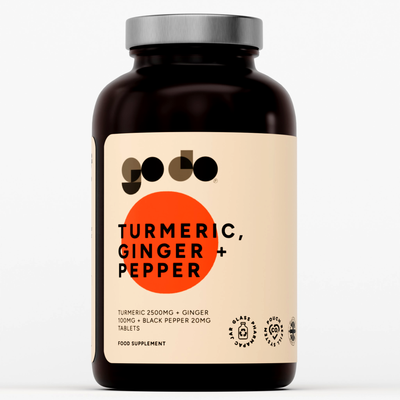
In the rapidly evolving world of 2026, where precision nutrition and biohacking have moved from the fringe to the mainstream, the supplements we choose must prove their worth. Turmeric, specifically its active compound curcumin, has been a staple in health stores for decades. However, as we move further into an era of data-driven fitness, many are asking: does this ancient golden spice still hold a place in a high-tech supplement stack?
The short answer is yes: but only if you understand the science of how to use it. In 2026, we have moved past simply "sprinkling turmeric on food" and into the realm of targeted therapeutic dosing.
The Bioavailability Challenge: Why Most Turmeric Fails
The primary issue with turmeric has always been absorption. Curcumin, the polyphenol responsible for turmeric’s anti-inflammatory properties, is notoriously difficult for the human body to absorb. If you consume standard turmeric powder, the majority of the curcumin passes through your digestive tract without ever reaching your bloodstream.
By 2026, the scientific community has reached a consensus: curcumin without an enhancement agent is largely ineffective for systemic inflammation.
The Role of Piperine (Black Pepper Extract)
To make curcumin work, it must be paired with piperine, the active alkaloid in black pepper. Research has consistently shown that piperine can increase the bioavailability of curcumin by up to 2,000%. It works by inhibiting the metabolic pathway that would otherwise eliminate curcumin from the body before it can be utilized.
When selecting a supplement, such as the Fitness Health Turmeric Capsules, you must ensure the formulation includes a high-percentage standardized curcuminoid extract alongside a black pepper component.

High-Intensity Training and Joint Health in 2026
The fitness landscape in 2026 is dominated by high-intensity functional training, hybrid athleticism (like Hyrox), and advanced resistance training. These modalities place significant stress on the synovial joints, particularly the knees, hips, and lower back.
Chronic training leads to a buildup of pro-inflammatory cytokines. While acute inflammation is necessary for muscle growth, chronic systemic inflammation slows down recovery and leads to joint degradation.
How Curcumin Supports the Modern Athlete
- Reduction of DOMS (Delayed Onset Muscle Soreness): Clinical trials have demonstrated that high-dose curcumin supplementation reduces markers of muscle damage, such as creatine kinase, allowing athletes to return to training faster.
- Osteoarthritis Management: For those dealing with the long-term effects of high-impact sports, curcumin has shown efficacy comparable to some non-steroidal anti-inflammatory drugs (NSAIDs) for managing joint pain, but without the gastrointestinal side effects.
- Cartilage Protection: New research suggests that curcumin may help modulate the enzymes that break down joint cartilage, making it a preventative tool rather than just a reactive one.
If your goal is longevity in sport, managing inflammation is non-negotiable. You can explore our full range of Antioxidants to complement your recovery protocol.
The Science of Inflammation: Beyond the Joints
In 2026, we view inflammation not just as "sore muscles," but as a systemic issue that affects brain health, gut integrity, and cardiovascular function.
Gut Health and Ulcerative Colitis
One of the most significant breakthroughs in curcumin research involves the gut. A landmark study indicated that 2 grams of curcumin daily helped patients with ulcerative colitis maintain remission more effectively than some standard medications. Because curcumin has a direct interaction with the gut lining, it serves as a potent tool for those managing inflammatory bowel issues.
Neuro-Nutrition: The Brain-Inflammation Link
The "leaky brain" concept is a major focus in 2026. Systematic inflammation can cross the blood-brain barrier, leading to "brain fog" and cognitive decline. Research from 2018: which has been further validated in recent years: showed that 90mg of bioavailable curcumin taken twice daily improved memory performance and attention in adults. By reducing neuro-inflammation, turmeric serves as a natural nootropic.
For those looking to optimize cognitive performance alongside physical training, understanding the natural energy and focus benefits of herbal supplements is essential.

2026 Dosage Protocols: How Much Do You Need?
The effectiveness of turmeric is dose-dependent. In 2026, we no longer guess; we follow evidence-based protocols.
| Goal | Recommended Daily Dosage (Curcuminoids) | Notes |
|---|---|---|
| General Wellness | 500 mg | Must include Piperine |
| Joint Pain / Osteoarthritis | 1,000 mg - 1,500 mg | Split into two doses |
| Intense Athletic Recovery | 1,500 mg - 2,000 mg | Take post-workout |
| Chronic Inflammatory Issues | 2,000 mg+ | Consult a healthcare provider |
Safety Note: While turmeric is generally safe, high doses can act as a blood thinner. If you are on medication for blood pressure or are scheduled for surgery, contact our team or your doctor via our contact-us page for guidance.
Turmeric vs. Ashwagandha vs. Magnesium
A common question we receive at Fitness Health is whether turmeric should be replaced by newer "trendy" supplements like Ashwagandha or Magnesium.
In 2026, we treat these as a stack rather than a choice:
- Turmeric: Targets the physical inflammatory response.
- Ashwagandha: Targets the hormonal stress response (Cortisol).
- Magnesium: Targets neuromuscular relaxation and sleep.
Using them together creates a comprehensive recovery environment. Turmeric handles the structural inflammation, while Ashwagandha manages the central nervous system.

Why Quality Matters: Selecting the Right Supplement
The supplement market in 2026 is flooded with low-quality options. To ensure you are actually getting the benefits discussed in this article, your supplement must meet three criteria:
- Standardization: It should be standardized to 95% curcuminoids. "Turmeric powder" is only about 3% curcumin by weight.
- Activation: It must contain black pepper extract (Piperine).
- Purity: It must be free from heavy metals and fillers, which are common in unverified imported spices.
At Fitness Health, our turmeric capsules are formulated specifically for the active individual. We focus on high-concentration extracts that deliver the necessary therapeutic dose in an easy-to-digest format.
Key Takeaways for 2026
- Absorption is king: If your supplement doesn't have piperine, you are wasting your money.
- Context matters: Use turmeric as a tool for recovery from high-intensity training and as a preventative measure for joint health.
- Dosing is specific: Match your dosage to your specific health goals (500mg for wellness, 1,500mg+ for recovery).
- Systemic benefits: Remember that turmeric supports the gut and brain, not just the joints.
As we move through 2026, the reliance on synthetic anti-inflammatories is decreasing in favor of standardized, bioavailable herbal solutions. Turmeric isn't just a kitchen spice anymore; it is a foundational element of a modern, health-conscious lifestyle.
If you have questions about how to integrate turmeric into your current regime, visit our FAQ page or reach out to our customer service team for personalized advice.
Summary Points
- Prioritize bioavailability with black pepper pairings.
- Use therapeutic doses (1g+) for joint and muscle recovery.
- Consider turmeric as part of a longevity stack alongside antioxidants and minerals.
- Ensure product quality through standardized extracts.