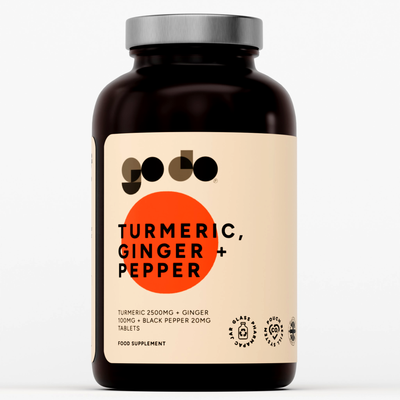
If you’ve ever finished a heavy leg day only to find your knees sounding like a bowl of Rice Krispies the next morning, you’re definitely not alone. We’ve all been there: trying to walk down the stairs like a newborn giraffe because the "good sore" has turned into a "not-so-good stiff." When our joints start complaining, many of us look for natural ways to dial down the noise. While staying mobile is key, what we put into our bodies plays a massive role in how quickly we bounce back. According to the folks over at Harvard Health, natural roots like turmeric have been used for centuries to manage the internal "fire" that happens after a tough training session. But when it comes to the battle of the roots: Turmeric vs. Ginger: which one actually deserves a spot in your recovery ritual?
Table of Contents
- The Science of Joint Recovery
- Turmeric: The Long-Term Mobility Specialist
- Ginger: The Zesty Post-Workout Hero
- The Training Factor: Mobility and Load Management
- Evidence-Based Benefits and Safety
- How to Mix Them Into Your Routine
The Science of Joint Recovery
When we talk about "recovery," we often think of muscle growth, but our joints and connective tissues are the unsung heroes of every compound movement. Every time you hit a heavy set of squats or deadlifts, you’re creating micro-stress in your tendons and cartilage. This triggers a healthy inflammatory response: it's how the body repairs itself. However, if that inflammation sticks around too long, it can lead to stiffness and a reduced range of motion.
Joint recovery is all about managing this inflammation and ensuring the "clean-up crew" in your body can do its job without getting overwhelmed. This is where dietary interventions come in. Roots like turmeric and ginger contain bioactive compounds that act like a dimmer switch for your body's inflammatory signals. Instead of shutting inflammation off completely (which we don't want, as it's part of the healing process), they help keep it at a manageable level so you can stay in the gym and keep chasing those gains.

Turmeric: The Long-Term Mobility Specialist
Turmeric is often called the "Golden Root," and for a good reason. Its secret weapon is curcumin. If you’re looking for a long-term partner in your joint health journey, turmeric is your go-to. Research suggests that curcumin is particularly effective at managing chronic joint discomfort and protecting cartilage from the wear and tear of a high-intensity lifestyle.
The thing about turmeric is that it’s a marathon runner, not a sprinter. You won't usually feel its effects after just one dose. It needs to build up in your system over a few weeks. But once it does, it’s incredible for improving overall mobility. Think of it as the daily maintenance for your internal machinery. It helps ensure that your joints stay "greased" and ready for whatever strength and fitness challenges you throw at them. One little tip: always pair your turmeric with a bit of black pepper or a healthy fat, as it helps your body absorb the goodness much more effectively.
Ginger: The Zesty Post-Workout Hero
While turmeric is playing the long game, ginger is more of an immediate support system. If you’ve ever had a "zingy" ginger shot, you know it wakes up your senses, but it does the same for your recovery. Ginger contains compounds called gingerols and shogaols, which are fantastic at tackling exercise-induced muscle soreness (that lovely DOMS feeling) and acute joint "tweaks."
Studies have shown that ginger can help reduce the pain associated with day-to-day training stress relatively quickly. It’s a great choice for those high-volume weeks when you know your body is going to be screaming at you. Ginger also has the added benefit of supporting digestion, which is crucial for athletes who are eating high-protein diets to support muscle recovery. When your gut is happy, your body can focus all its energy on repairing your joints.

The Training Factor: Mobility and Load Management
No amount of turmeric or ginger can out-train a bad program. Part of the "Pure Fitness" philosophy is recognizing that joint recovery starts with how you move. If you’re dealing with persistent joint pain, it’s worth looking at your "Load Management." This simply means ensuring you aren't doing too much, too soon. Progressive overload is great, but your tendons and ligaments adapt much slower than your muscles do.
Integrating dedicated mobility work is just as important as your nutrition. Spending 10 minutes a day on ankle, hip, and thoracic spine mobility can take a massive amount of pressure off your joints during compound lifts. Using tools like foam rollers or lacrosse balls can help improve blood flow to the tissues surrounding your joints, which complements the anti-inflammatory effects of your diet. Remember, a mobile joint is a healthy joint. If you can move through a full range of motion without restriction, you’re far less likely to experience the kind of inflammation that requires heavy intervention.

Evidence-Based Benefits and Safety
Both turmeric and ginger are powerhouses, but they work best when used correctly. Here is a quick breakdown of what the science says:
Benefits of Turmeric & Ginger:
- Reduced Stiffness: Helps improve morning joint range of motion.
- Cartilage Protection: Curcumin may help prevent the breakdown of joint tissues over time.
- Faster Muscle Recovery: Ginger can help dampen the intensity of Delayed Onset Muscle Soreness (DOMS).
- Natural Alternative: Offers a gentler way to manage discomfort compared to long-term use of over-the-counter painkillers.
Safety Warnings and Contraindications:
- Blood Thinning: Both roots can have a mild blood-thinning effect. If you are on medication like Warfarin or take daily aspirin, chat with your doctor first.
- Gallbladder Issues: High doses of turmeric can sometimes aggravate gallbladder problems.
- Digestion: While ginger helps most, very high doses can cause mild heartburn in some people.
- Pregnancy: It’s always best for pregnant or breastfeeding women to stick to culinary amounts rather than concentrated extracts.
How to Mix Them Into Your Routine
The best part about these roots is how easy they are to add to your lifestyle. You don't need a lab coat to make them work for you. I personally love starting my morning with a warm "Golden Milk": just some plant-based milk, a teaspoon of turmeric, a pinch of ginger, and a crack of black pepper. It’s like a warm hug for your joints before you head to the gym.
You can also grate fresh ginger into your post-workout smoothies or use turmeric to season your evening meal. Consistency is the secret sauce here. If you're looking for more ways to support your active lifestyle, checking out a dedicated joint health collection can give you more ideas on how to round out your recovery strategy. Whether you choose the long-term support of turmeric or the zesty relief of ginger, your joints will definitely thank you for the extra TLC.
Fuel Your Recovery with Fitness Health
At Fitness Health, we believe that staying active shouldn't be a pain, literally. Our mission is to provide high-quality, UK-made wellness solutions that support your fitness goals without breaking the bank. From our eco-conscious packaging to our potent formulations, we’re here to help you move better and recover faster.

Recommended
- Unlock Better Sleep for Muscle Growth
- The Role of Magnesium in Training
- Mastering Your Gut Health for Performance
Meta Description: Turmeric vs. Ginger: Which Is Better For Your Joint Recovery? Discover the science-backed benefits of these natural roots for mobility, DOMS, and joint health in our latest Pure Fitness guide.