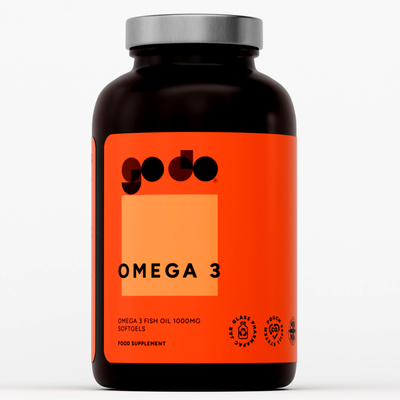
Getting back into the gym after a tough session can feel like a mountain to climb if your body isn't playing ball. We’ve all been there: trying to walk down the stairs after leg day and feeling like a wooden puppet. It turns out that what you do when you aren't lifting weights is just as important as the workout itself. According to Harvard Health, giving your body the right environment to heal is the secret sauce to seeing those results you’re working so hard for. In this guide, we’re going to dive into the good vibes of recovery and look at how you can bounce back faster and stronger without overcomplicating things.
Table of Contents
- The Science of Muscle Recovery and Muscle Repair Explained
- Best Active Recovery Exercises for Leg Day Soreness
- How Much Sleep Do You Need for Muscle Growth and Recovery?
- The Role of Hydration and Electrolytes in Muscle Repair
- Mobility and Stretching for Longevity
- Evidence-Based Benefits of Proper Recovery
- Safety Warnings and Contraindications
The Science of Muscle Recovery and Muscle Repair Explained
When we talk about the science of muscle recovery and muscle repair explained, we’re really talking about a beautiful process of adaptation. When you lift heavy things or run long distances, you actually create tiny little microtears in your muscle fibers. It sounds a bit scary, but it’s totally normal! Your body sees these microtears as a signal to get to work. Through a process called protein synthesis, your body repairs these tears, making the muscle fibers slightly thicker and stronger than they were before. This is how you build strength over time.
However, this repair job doesn't happen while you’re mid-squat. It happens while you're chilling out on the sofa or tucked up in bed. If you don't give your body enough time between sessions, you might find yourself in a state of overtraining. This is where your progress stalls, and you start feeling constantly tired. Keeping an eye on your strength and fitness goals means respecting the "down-time" as much as the "up-time."

Best Active Recovery Exercises for Leg Day Soreness
We’ve all had those days where our legs feel like lead. While your first instinct might be to stay completely still, that’s not always the best move. Finding the best active recovery exercises for leg day soreness can actually help flush out metabolic waste and bring fresh, oxygenated blood to your muscles. Think of it like a gentle "oil change" for your body. Instead of a high-intensity workout, try a 20-minute walk in the park or a very light cycle on a stationary bike.
Yoga is another fantastic option for active recovery. It helps keep your joints mobile and your mind calm. You aren't trying to break any records here; you’re just moving your body to stay loose. Gentle movement helps reduce that dreaded Delayed Onset Muscle Soreness (DOMS) that peaks about 48 hours after a workout. If you want to keep your joint health in tip-top shape, staying active: even on your rest days: is a total game-changer.

How Much Sleep Do You Need for Muscle Growth and Recovery?
If recovery is a kingdom, sleep is the king. You might be wondering, how much sleep do you need for muscle growth and recovery? Most experts, including those at the Mayo Clinic, suggest that 7 to 9 hours is the sweet spot for most adults. During deep sleep, your body releases a huge surge of growth hormone. This hormone is like a construction crew that goes in and fixes all the "damage" from your daily activities.
Poor sleep doesn't just make you grumpy; it actually slows down your muscle protein synthesis. This means even if you're eating perfectly and training like an athlete, you won't see the full benefits if you're only catching five hours of shut-eye. Creating a relaxing nighttime routine: like dimming the lights and putting away your phone: can help you drift off faster. Prioritizing sleep is probably the single most effective thing you can do for your fitness journey.

The Role of Hydration and Electrolytes in Muscle Repair
Water is the transport system of your body. The role of electrolytes in muscle repair and cramp prevention cannot be overstated. When you’re dehydrated, your blood becomes a bit thicker, making it harder for your heart to pump nutrients to your tired muscles. Electrolytes like magnesium, potassium, and sodium help your muscles contract and relax properly. Without them, you’re much more likely to experience those painful midnight leg cramps.
Try to sip water throughout the day rather than chugging a gallon right after your workout. Adding a pinch of sea salt or a squeeze of lemon to your water can provide some of those essential minerals naturally. Staying hydrated keeps your energy levels stable and ensures that the "repair materials" your body needs can actually get to where they need to go. It's a simple habit, but it makes a massive difference in how you feel the next morning.

Mobility and Stretching for Longevity
Stretching isn't just something you do for five minutes before running. It’s about maintaining the range of motion in your joints so you can keep moving well as you get older. Incorporating a dedicated mobility session into your week can help prevent injuries before they even happen. Focus on areas that get tight from sitting, like your hip flexors and lower back.
Dynamic stretching (moving through a range of motion) is great for warming up, while static stretching (holding a pose) is perfect for cooling down and relaxing your nervous system. By keeping your muscles flexible, you ensure that you can perform your exercises with better form, which leads to better results in the long run. It’s all about working with your body, not against it.
Evidence-Based Benefits of Proper Recovery
Giving your body the rest it deserves comes with a whole host of science-backed perks. Here are some of the biggest wins you can expect when you take recovery seriously:
- Reduced Muscle Soreness: Active recovery and hydration can significantly lower the intensity of DOMS.
- Improved Performance: Well-rested muscles can generate more power and endurance in your next session.
- Hormonal Balance: Quality sleep helps regulate cortisol (the stress hormone) and boosts growth hormone.
- Injury Prevention: Taking rest days prevents the "wear and tear" that leads to overuse injuries.
- Mental Clarity: Recovery isn't just for your muscles; it gives your brain a chance to recharge, too.
Safety Warnings and Contraindications
While recovery is generally a very safe and "good vibes" topic, there are a few things to keep in mind to stay safe:
- Listen to Pain: There’s a big difference between "good" muscle soreness and "bad" sharp pain. If it hurts in a joint or feels like a snap, stop and see a professional.
- Don't Overdo Active Recovery: If your "easy walk" turns into a mountain hike, you aren't recovering anymore: you're just training again!
- Hydration Limits: While rare, it is possible to drink too much water too quickly (hyponatremia). Sip steadily rather than flooding your system.
- Pre-existing Conditions: If you have chronic heart or kidney issues, always talk to your doctor before significantly changing your hydration or intense recovery protocols.
About Fitness Health
At Fitness Health, we’re all about helping you live your best, most vibrant life. We believe that high-quality wellness should be accessible to everyone, which is why we focus on effective solutions that don't break the bank. From eco-friendly packaging to UK-made quality, we're here to support every step of your fitness journey.

Recommended
- Check out our latest guides on Strength & Fitness
- Learn more about optimizing your Sleep
- Explore tips for Joint Health and Mobility
Meta Description: The Ultimate Guide to Muscle Recovery: Everything You Need to Succeed. Discover the science of muscle repair, the best active recovery exercises, and how much sleep you really need to reach your fitness goals.