We’ve all seen it at the gym: that person sprinting to their locker the second they drop their last set of dumbbells, frantically shaking a bottle like their muscles might evaporate if they don't get protein within thirty seconds. I used to be that person! I remember hovering by the water fountain, gulping down a lukewarm shake because I was terrified of "missing the window." But as it turns out, the science of muscle growth is a lot more forgiving than the locker room lore suggests. According to the International Society of Sports Nutrition, while getting your protein in is vital, the frantic rush might be a bit of an overkill.
Table of Contents
- The Myth of the 30-Minute Anabolic Window
- The "Big Rock": Total Daily Protein Intake
- Distribution: The 3-5 Meal Rule
- Pre-Workout vs. Post-Workout: Does It Matter?
- Fasted Training and the Urgency Factor
- Pre-Sleep Protein: The Final Recovery Boost
- Evidence-Based Benefits of Proper Protein Management
- Safety Warnings and Contraindications
The Myth of the 30-Minute Anabolic Window
For decades, the "anabolic window" was treated like a sacred law of physics. The idea was that your body entered a unique state right after training where it was primed to soak up nutrients, and if you missed that 30-minute slot, your gains were essentially gone. It sounds dramatic because it is! Modern research has shown that this window isn't a tiny porthole; it’s more like a massive barn door that stays open for several hours.
Studies have highlighted that muscle protein synthesis (the process of building new muscle) remains elevated for at least 24 to 48 hours after a solid lifting session. This means your body is "primed" for a lot longer than the time it takes to walk to your car. While having protein shortly after a workout is a great habit, you don't need to panic if you’ve forgotten your shaker bottle at home.
The "Big Rock": Total Daily Protein Intake
If you want to build muscle, you need to focus on the "big rocks" before worrying about the tiny pebbles. In the world of nutrition, the biggest rock of all is your total daily protein intake. Think of it like building a brick wall; it doesn’t matter as much when the bricks arrive as long as you have enough bricks to finish the job by the end of the day.
For most of us hitting the gym regularly, aiming for roughly 1.6 to 2.2 grams of protein per kilogram of body weight is the sweet spot. If you’re hitting this number consistently, you’re already doing 90% of the work. Whether that protein comes from a high-quality supplement or a chicken breast, the total volume is what tells your body it has the resources to grow.

Distribution: The 3-5 Meal Rule
While total protein is king, how you spread it out can give you a slight edge. Your body can only process so much protein for muscle building at one time. If you eat 150g of protein in one single sitting and nothing else all day, you aren't giving your muscles a steady stream of amino acids.
A better approach is the "protein pulse" method. Try to aim for 3 to 5 protein-rich meals or snacks throughout the day, spaced about 3 to 4 hours apart. This keeps muscle protein synthesis "turned on" more frequently. It’s like keeping a fire stoked with small logs throughout the day rather than throwing a whole tree on it once and letting it burn out.
Pre-Workout vs. Post-Workout: Does It Matter?
The great debate: should you have your shake before or after you train? A comprehensive meta-analysis found that it doesn't actually make a huge difference, provided your total protein is high enough. If you have a protein-rich meal a couple of hours before you hit the gym, those amino acids are still circulating in your blood while you’re lifting.
In this case, the urgency to get a post-workout shake is even lower because you’ve already got the building blocks ready to go. On the flip side, if you prefer training on an empty stomach, the timing becomes a little more important.

Fasted Training and the Urgency Factor
Training in a "fasted" state: meaning you haven't eaten for several hours: changes the rules slightly. When you lift without any fuel in your system, your body starts to break down muscle protein at a higher rate. In this specific scenario, getting protein into your system as soon as possible after your final set is actually a very smart move.
If you're a 6:00 AM trainee who skips breakfast, that post-workout shake is your best friend. It stops the breakdown process and flips the switch back to growth mode. If you’re looking to maximize this recovery, pairing your protein with something like Creatine Monohydrate can further support your strength and recovery goals.
Pre-Sleep Protein: The Final Recovery Boost
One of the most underrated times to get your protein is right before you hit the hay. While you sleep, your body does the heavy lifting of repairing tissues and releasing growth hormones. Having a slow-digesting protein source (like casein or a protein-rich snack) before bed provides a "drip feed" of amino acids throughout the night.
I’ve personally found that a small protein snack before bed helps me feel less sore the next morning. It’s a simple optimization that ensures you aren't "fasting" for 8 hours while your body is trying to recover from a brutal leg day.

Evidence-Based Benefits of Proper Protein Management
Focusing on your protein intake isn't just about getting bigger biceps. It affects almost every aspect of your fitness journey. Here are some of the science-backed benefits:
- Increased Muscle Mass: Provides the essential amino acids needed for hypertrophy.
- Improved Recovery: Reduces muscle soreness and speeds up tissue repair.
- Weight Management: Protein is highly satiating, helping you feel full for longer and reducing cravings.
- Metabolic Boost: Your body burns more calories digesting protein compared to fats or carbs.
- Bone Health: Supports the maintenance of strong bones, especially as we age.
Safety Warnings and Contraindications
While protein is essential, it’s always good to be mindful of your body’s unique needs. Here are a few things to keep in mind:
- Kidney Health: If you have pre-existing kidney conditions, consult a doctor before significantly increasing your protein intake.
- Hydration: High protein diets require more water for processing, so make sure you’re staying hydrated!
- Digestive Sensitivity: Some people find certain protein powders (like whey) can cause bloating. Opting for vegan or fermented options can help.
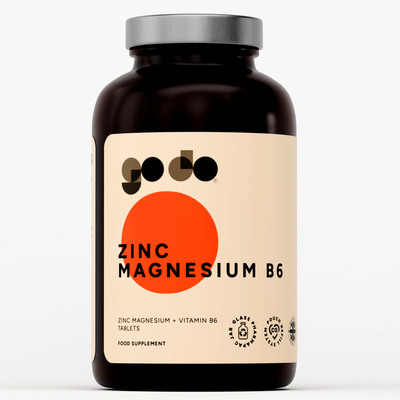
- Balance: Don't neglect your fiber! Getting all your nutrients from protein shakes can lead to digestive issues. Supplementing with something like Zinc and Magnesium can also support the rest and recovery side of the equation.

Fuel Your Journey with Fitness Health
At Fitness Health, we believe that quality nutrition shouldn't cost a fortune. Whether you're looking for recovery support like our Zinc, Magnesium & B6 or the muscle-building power of Creatine, we provide UK-made, eco-conscious supplements designed to help you reach your peak. Skip the plastic bottles and join us in our mission for a healthier you and a healthier planet.
Shop our full range of premium supplements here!
Recommended
Meta Description: Protein Timing: Does It Really Matter for Muscle Growth? Discover the truth about the anabolic window, total daily intake, and how to optimize your protein schedule for maximum gains.