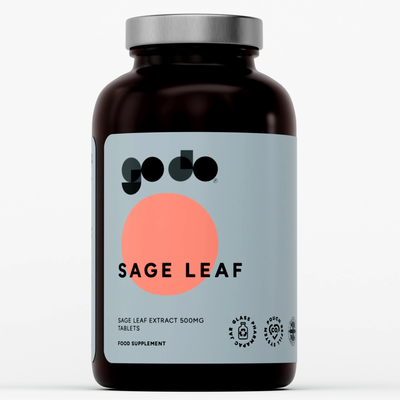
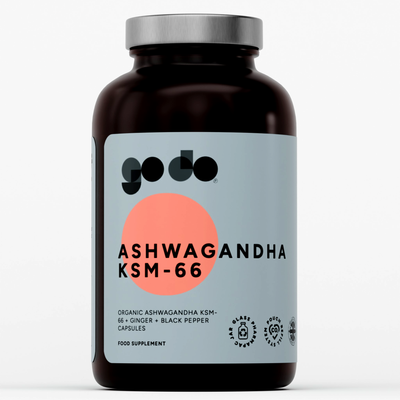
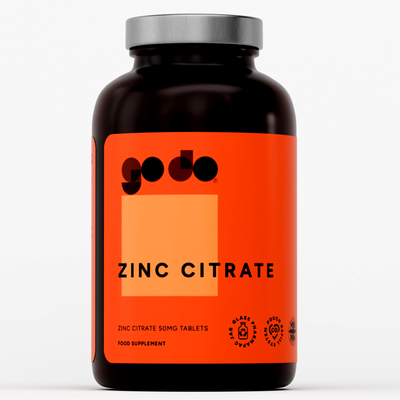
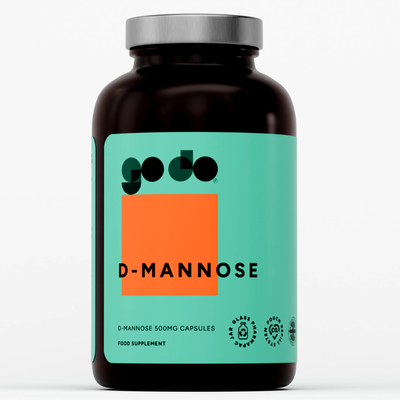
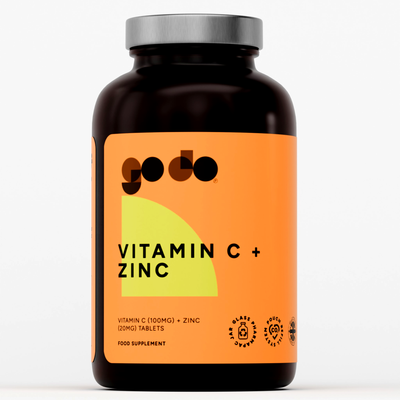
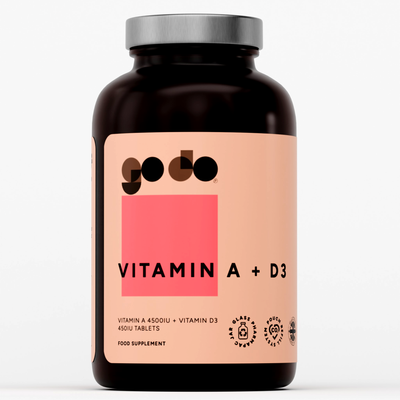
It's important for you to understand the often confusing world of nutritional supplements. While many promise enhanced performance and well-being, not all live up to the hype, and some drugs may even hinder your progress. In this post, we’ll research into the truths and myths surrounding popular supplements, helping you discern what actually works and what doesn’t. Equip yourself with the knowledge needed to make informed choices about your health and athletic performance, ensuring you can maximize your efforts effectively.
Supplements Secrets: The Truth About What Works and What Doesn't - The Dark Side of Supplements

Your pursuit of improved performance through supplements may lead you to overlook the potential health risks associated with their use. While some products promise enhanced endurance or muscle recovery, many have not undergone rigorous testing to support their claims. Between the deception of overstated benefits and potential contamination, you may find that these seemingly harmless pills and powders introduce more harm than good. Common side effects such as gastrointestinal distress, heart palpitations, and allergic reactions can seriously undermine your performance instead of enhancing it. Additionally, the long-term consequences of consuming unregulated supplements are often unknown, leaving you vulnerable to risks of disease, including heart disease, that you may not have considered.
Health Risks and Concerns
Between misleading marketing and a lack of transparency in ingredient sourcing, you may unknowingly expose yourself to substances that could negatively affect your health. For instance, while fish oil supplements are marketed for heart and brain health due to their omega-3 content, recent studies question their actual benefits compared to consuming oily fish. Recent research suggests that fish oils may not significantly reduce health risks like heart disease, contrary to popular belief. Some supplements may contain banned substances or harmful additives that not only jeopardize your wellbeing but also your athletic career. It’s imperative to approach supplementation with skepticism and thoroughly research any product before incorporating it into your routine, as the wrong choice could lead to significant health setbacks, including hormonal imbalances, cancer or liver damage.
The Unregulated Industry of Dietary Supplements
The dietary supplement industry is a multi-billion-dollar market that operates with minimal oversight. Unlike pharmaceuticals, dietary supplements do not require FDA approval before hitting the shelves. This lack of regulation can lead to several significant issues. Misleading labeling is a common problem, with many products making exaggerated claims about their health benefits, leaving consumers misinformed. Contamination is another serious concern; dietary supplements can be tainted with heavy metals, pesticides, and other harmful substances, posing a risk to your health. Additionally, these supplements can interact with certain medications, such as blood thinners, leading to potentially dangerous health complications. It’s essential to approach dietary supplements with caution and prioritize products that have been independently tested for safety and efficacy.
Hidden Dangers in Supplements
While dietary supplements can offer health benefits, they also come with hidden dangers that are often overlooked. One major risk is the excessive intake of certain nutrients. For example, taking too much vitamin E can lead to serious health problems, including an increased risk of bleeding and other complications. Another hidden danger is the potential for interactions with medications. Supplements can interfere with the effectiveness of certain drugs, such as blood thinners, leading to adverse health outcomes. Contamination is also a significant concern, as some supplements may contain harmful substances like heavy metals and pesticides. To mitigate these risks, it’s crucial to be well-informed and consult with a healthcare professional before adding any new supplement to your regimen.
Ethical Implications
Dark corners of the supplement industry reveal ethical dilemmas that can affect not just your health but the integrity of sports as a whole. Many athletes face pressure to enhance their performance with high doses of supplements, often pushing them to resort to questionable products with little regard for safety or legality. This creates a culture where winning at any cost becomes normalized, leading to an erosion of trust in competitive sports. Indeed, these ethical concerns extend beyond individual choices; they shape the broader narrative of athletic integrity and the authenticity of the competitions you love. As you consider your supplementation options, think deeply about not just what benefits they may offer but the values they represent within the sport you participate in.
Supplements That Actually Work
Some nutritional supplements have been backed by science, offering tangible benefits for your performance and recovery. While some individuals rely on omega-3 supplements to obtain essential fatty acids without consuming fish, recent research suggests that such supplements do not confer the same health benefits as eating oily fish. While the industry is rife with products that overpromise and underdeliver, there are a few standout options worth considering. These supplements can not only enhance your endurance but also improve your overall health, making them a solid addition to your training regimen.
Pickle Juice

Below is the latest research on an intriguing contender in the world of performance supplements: pickle juice. Research suggests that consuming pickle juice may help alleviate muscle cramps more effectively than water or other sports drinks. This is particularly beneficial for endurance athletes who often experience cramps during competitions. The high sodium content in pickle juice is believed to play a key role in this effect, potentially helping to enhance hydration and maintain electrolyte balance, which is critical during prolonged activities.
Beetroot Juice
The next supplement you might want to consider eating is beetroot juice, which has garnered attention for its remarkable benefits in sports performance. Beetroot juice is rich in nitrates, which the body converts into nitric oxide, a compound that enhances blood flow and reduces the amount of oxygen needed during exercise. Studies have shown that athletes consuming beetroot juice can experience improved exercise performance, particularly in endurance sports, as it allows you to work harder for longer periods.
Supplements like beetroot juice have not only performance advantages but also health benefits, as they can help lower blood pressure and improve heart health. Including beetroot juice in your diet can be as simple as drinking the juice before a workout or incorporating beetroot into your meals. This nutrient-dense option provides a natural way to boost your performance while supporting your overall well-being.
The Surprising Health Benefits of Chocolate

Clearly, chocolate is more than just a delicious treat; it comes with a range of surprising health benefits that can be particularly advantageous for athletes and fitness enthusiasts. Incorporating chocolate into a balanced diet can be part of a healthy lifestyle that supports overall well-being and longevity. The active ingredient in chocolate, cocoa flavonoids, has been shown to contribute positively to endurance performance, making it a viable option for those looking to enhance their training regimen. In fact, flavorful options like dark chocolate can aid in improving blood flow and oxygen delivery to muscles, which is necessary for optimal performance during intense physical exertion.
Cocoa Flavonoids
By incorporating cocoa flavonoids into your diet, you may experience enhanced cardiovascular performance and support for recovery. These natural compounds, found in high concentrations in dark chocolate, help reduce inflammation and promote better cellular function. The accumulation of research suggests that regular consumption of cocoa flavonoids can lead to improved overall health benefits, making these compounds a smart addition to your nutritional strategy for life, particularly when paired with effective training.
Chocolate Milk for Recovery
Between the competitive nature of cycling and the rigorous training regimes, recovery is necessary for maintaining performance levels. Chocolate milk has emerged as a popular recovery drink, combining carbohydrates with protein to help replenish glycogen stores and repair muscle breakdown. Research indicates that chocolate milk is as effective as many commercial recovery mixes, offering a tasty and easily accessible option for post-workout nutrition.
Further, studies show that the unique combination of sugars and proteins found in chocolate milk can significantly improve recovery timing and muscle repair. This means that after an intense ride or training session, you could be benefiting from the nutrients in chocolate milk to get back on the bike faster. As a result, not only does this treat satisfy your sweet tooth, but it also supports your overall performance goals effectively. So, next time you finish a workout, consider reaching for that delicious, cold chocolate milk for both enjoyment and recovery benefits.
Ketogenic Diet and Ketone Esters

For many athletes and fitness enthusiasts, the ketogenic diet has gained attention as a potential method to enhance performance through fat adaptation. Nitric oxide is a signaling molecule that is naturally produced by muscles during exercise, enhancing blood flow and exercise efficiency. By drastically reducing carbohydrate intake and replacing it with fats, your body learns to utilize fat as a primary energy source. Ketone esters, on the other hand, are exogenous ketones that are consumed in supplement form. They provide a quick source of ketones without the need for an extensive adaptation period. This can potentially allow you to tap into the benefits of ketosis even if you are not strictly adhering to a ketogenic diet.
Understanding Ketone Esters
Behind the surge in popularity of ketone esters is their ability to deliver a readily available source of energy, particularly during high-intensity workouts or endurance events. When you ingest ketone esters, they rapidly increase ketone levels in your blood, which may enhance your ability to sustain prolonged physical activity. Some research suggests that these compounds can aid in reducing reliance on glycogen, which is often a limiting factor during long-duration exertion.
Potential Benefits for Performance
The potential benefits of ketone esters for performance extend beyond energy supply. Some studies indicated that they could improve cognitive function, reduce perceived exertion, and help maintain endurance during exercise, allowing you to push your limits further. As you consider integrating ketone esters into your regimen, it's vital to evaluate how they align with your training goals and experiment with your intake to find what works best for your body.
To truly understand the effect of ketone esters on your performance, it's beneficial to engage in systematic experimentation. Pay attention to how your body reacts to these supplements during training sessions. Monitor your endurance levels, perceived exertion, and recovery times to gather data about their effectiveness for you personally. As you explore this aspect of sports nutrition, ensure that you are approaching it with a critical eye and adapting strategies to your specific needs and responses.
The Role of Whole Foods and Dietary Supplements in Nutritional Performance
After delving into the world of nutritional supplements, it’s important to emphasize the significant role that whole foods play in enhancing your performance. Consuming oily fish provides essential nutrients and health benefits that supplements may not fully replicate. While the supplement industry markets various pills and potions promising improved athletic performance, the reality is that whole foods offer a robust foundation for your diet. They provide not only the nutrients your body needs but also help maintain your overall health. Real foods are packed with the vitamins, minerals, and antioxidants that are often lost in processed supplements. For example, foods like beetroot juice and dark chocolate have shown beneficial effects on performance and health, as discussed in various contexts, making them excellent alternatives to a supplement-heavy approach.
Whole Foods vs. Supplements

Below is a comparison that highlights the benefits of whole foods over other supplements used in your nutritional plan. Whole foods you consume are often more bioavailable, meaning your body can absorb and utilize their nutrients more effectively than those found in supplements. While vitamin C is often touted for its antioxidant properties, obtaining it from whole foods is more beneficial than from supplements. Excessive intake of vitamin D supplements can lead to negative health outcomes, emphasizing the importance of obtaining nutrients from whole foods. Additionally, whole foods come with complex combinations of nutrients that work synergistically, providing effects that isolated nutrients in supplement form simply cannot replicate. For instance, chocolate contains cocoa flavonoids that not only support performance but also confer health benefits, a combination that synthetic supplements may lack.
The Importance of Nutrient Absorption
Nutrient absorption is a critical factor in maintaining good health, as it determines how effectively your body can utilize the nutrients from food and dietary supplements. Several key factors influence nutrient absorption. Digestive health plays a vital role; a healthy digestive system ensures that nutrients are efficiently absorbed. Nutrient balance is also essential; a varied diet that includes a wide range of nutrients supports optimal absorption. The quality of dietary supplements can significantly impact how well your body absorbs these nutrients. High-quality supplements are more likely to be bioavailable, meaning your body can use them effectively. Understanding these factors can help you make better dietary choices and maximize the health benefits of the nutrients you consume.
Key Nutritional Strategies for Essential Fatty Acids

About optimal nutritional strategies, embracing a diet rich in whole foods can drastically improve your athletic performance. While you might be tempted to rely on quick-fix supplements for that marginal gain, focusing on nutrient-dense foods will yield long-term benefits. Foods like fruits, vegetables, whole grains, lean proteins, and healthy fats should be the cornerstone of your diet, ensuring that you have the important macronutrients and micronutrients necessary for endurance and recovery. Incorporating foods with scientifically backed benefits, such as pickle juice for hydration and recovery or beetroot juice for improved endurance, can make a measurable difference in your training and racing outcomes.
This approach not only aids your performance but can also enhance your overall well-being and healthy life, reducing the risk of illness and fatigue that often come with intense training. Prioritizing whole foods in your nutrition plan allows you to nourish your body with the right ingredients for success, demonstrating that more often than not, what you eat on your plate can surpass what you pop in a pill.
Expert Insights on Supplementation
Unlike the myriad of marketing claims surrounding numerous supplements, expert insights reveal a clear divide between myth and reality. The belief in a supplement's effectiveness, even when it is a mere sugar pill, can lead to perceived benefits, illustrating the importance of proper nutrition and skepticism towards dietary supplements. Consulting seasoned coaches and athletes provides a grounded approach to understanding what truly enhances performance. The same way, focus tends to shift from quick fixes found in supplement bottles to foundational nutrition and training regimens. Engaging with experts like Ryan Kohler and Joe Friel emphasizes the importance of evidence-based practices, ensuring you are not swayed by fleeting trends. They advocate for a comprehensive diet tailored to your specific needs as the first line of defense in achieving optimal performance.
Perspectives from Coaches and Athletes
On your journey to improve cycling performance, the views of coaches and athletes can significantly shape your understanding of supplementation. Many experienced coaches, including those like Joe Friel, often caution against the reliance on supplements without addressing the basics of a well-rounded diet. They often highlight the importance of whole foods, such as beetroot juice and chocolate milk, which have shown to provide tangible benefits for endurance and recovery. Athletes like Rebecca Rusch emphasize the role of personalized nutrition plans over generic supplement cocktails, promoting the idea that what works for one person may not work for another.
Recommended Practices for Vitamin D Supplementation

Between the flood of supplements available, it is necessary to prioritize practices that are backed by scientific evidence. Focus on hydrating with electrolyte-rich fluids, fueling efficiently during longer rides, and consuming adequate protein post-exercise to aid recovery. Ensure that your meals include whole food components that contribute to your energy needs and overall health, like fruits, vegetables, lean proteins, and healthy fats. This holistic approach emphasizes adaptation and optimization, allowing you to make lasting improvements in your performance.
Another key aspect of recommended practices is to continually evaluate your nutritional strategy as you progress in your training. Make adjustments based on how your body responds to various foods and supplements. Consistency in your dietary habits coupled with regular assessments can often lead to the highest gains in athletic performance. Seek guidance from trusted professionals, and be open to experimenting with whole food sources that can replicate, if not surpass, the benefits touted by synthetic supplements.
A Balanced Approach to Supplements
While dietary supplements can be beneficial, they should be used in moderation and as part of a balanced approach to health. Consulting with a healthcare professional before starting any new supplement is crucial to ensure it is safe and effective for your specific needs. Following the recommended dosage is equally important to avoid the risks associated with excessive intake of certain nutrients. Monitoring your health while taking dietary supplements can help you identify any adverse effects early on. By integrating supplements into a well-rounded diet and lifestyle, you can enjoy their benefits without compromising your overall health. Remember, a balanced approach that prioritizes whole foods and evidence-based practices is the key to achieving long-term wellness and optimal performance.
Supplements Secrets: The Truth About What Works (and What Doesn’t)
From above, you’ve learned that while the promise of nutritional supplements can be enticing, it’s necessary to approach them with caution. The supplement industry thrives on marketing claims that often overshadow scientific evidence, leading many athletes to believe that magic pills can deliver a competitive edge. However, the reality is that many popular dietary supplements lack sufficient research to support their effectiveness. It’s wise to critically evaluate the claims surrounding these products and prioritize a solid foundation built on a balanced diet and well-researched food sources that can genuinely enhance your performance.
As you navigate your nutritional choices, consider focusing on whole foods known to offer tangible benefits, such as beetroot juice and cocoa flavonoids. These options can provide not only performance enhancement but also valuable health benefits. By shifting your mindset toward food-first strategies and remaining skeptical of quick fixes, you will position yourself for sustained success in your training and performance goals. Your health, well-being, and athletic potential deserve informed decisions backed by science and experience.