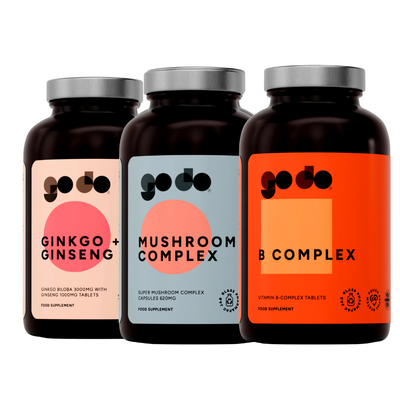
The supplement aisles in Boots, Holland & Barrett, Planet Organic, and independent UK health shops have changed dramatically over the past few years. Among the most notable shifts is the rise of "food-grown" multivitamins, particularly those marketed to women over 40. But what exactly makes these supplements different, and should you consider making the switch?
What Are Food-Grown Multivitamins?
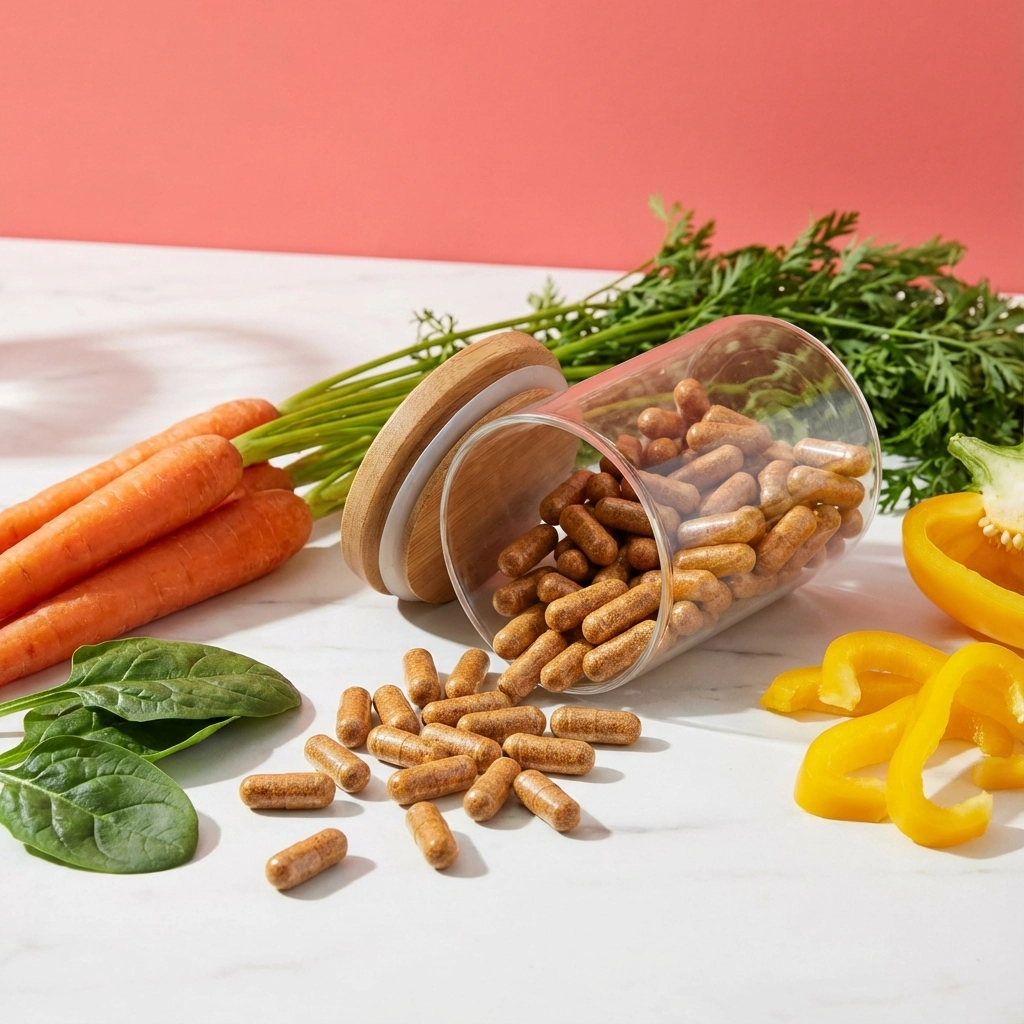
Food-grown multivitamins represent a fundamental shift from traditional synthetic supplements. Instead of creating vitamins and minerals in laboratories through chemical processes, manufacturers cultivate nutrients using natural methods. In the UK, you may also see these described as 'food-state' or 'wholefood' vitamins.
The process typically involves feeding specific nutrients to beneficial bacteria, yeast, or plants, which then incorporate these nutrients into their cellular structure. This creates vitamins and minerals that exist within a food matrix, complete with naturally occurring cofactors, enzymes, and phytonutrients that would be present in whole foods.
For example, rather than synthetic vitamin C (ascorbic acid), a food-grown supplement might contain vitamin C from acerola cherry powder or nutrient-enhanced yeast that has absorbed and transformed the vitamin into its food form.
Why UK Women Over 40 Are Making the Switch
The growing popularity of food-grown multivitamins among UK women over 40 isn't just a marketing trend: it reflects genuine concerns about nutrient absorption and changing health needs during this life stage.
Enhanced Bioavailability
Research suggests that nutrients in food form may be better absorbed and utilized by the body compared to their synthetic counterparts. This becomes particularly relevant for women over 40, whose digestive systems may not absorb nutrients as efficiently as they once did.
Synthetic nutrients often require the body to provide cofactors and enzymes needed for proper absorption. Food-grown nutrients come with these supporting compounds already present, potentially reducing the metabolic burden on your system.
Reduced Digestive Upset
Many women report that food-grown supplements cause less stomach irritation compared to synthetic alternatives. This is especially important for those taking multiple supplements or dealing with the digestive sensitivities that can accompany hormonal changes during perimenopause and menopause.
Clean Label Appeal
UK consumers increasingly scrutinize supplement labels, looking for products free from artificial additives, fillers, and synthetic ingredients. Food-grown multivitamins typically contain fewer artificial components and often avoid common allergens like wheat, gluten, and corn.
UK health guidance at a glance:
- NHS: supplements do not replace a balanced diet. Consider vitamin D at 10 micrograms (400 IU) daily during autumn and winter, or year-round if you have limited sun exposure.
- Regulation: in the UK, food supplements are regulated as foods. The MHRA regulates medicines and steps in if products make medicinal claims. Look for lawful health claims that align with the Great Britain Nutrition and Health Claims register and avoid products promising to treat or cure diseases.
The Nutritional Needs of Women Over 40
Understanding why food-grown multivitamins are gaining traction requires examining the specific nutritional challenges women face after 40.
Hormonal Fluctuations
Perimenopause typically begins in the 40s, bringing fluctuating hormone levels that affect everything from mood to bone density. Key nutrients become more critical:
- Vitamin B6 supports healthy hormone regulation and can help manage mood swings
- Magnesium aids in stress management and sleep quality
- Vitamin D becomes crucial for bone health as estrogen levels decline
Bone Health Concerns
Women can lose up to 20% of their bone density in the first five to seven years after menopause. Food-grown calcium, magnesium, and vitamin K2 work together more effectively when consumed in their natural matrix.
Energy and Metabolism
Many women notice decreased energy levels and slower metabolism during this life stage. Food-grown B vitamins, particularly B12, may be more readily available to support energy production at the cellular level.
Comparing Food-Grown vs. Synthetic Multivitamins
Absorption Rates
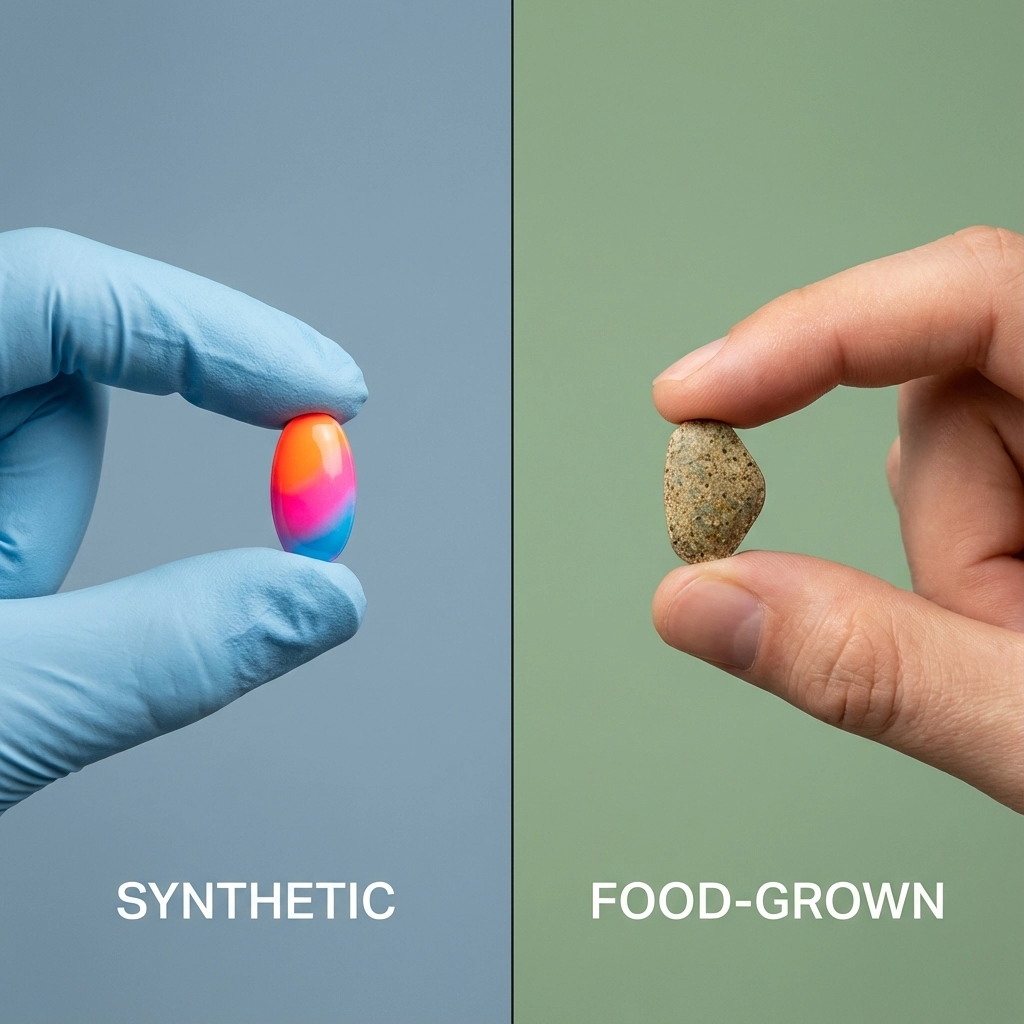
Synthetic vitamins are often poorly absorbed, with absorption rates varying dramatically between individuals. Food-grown nutrients typically show more consistent absorption patterns because they're recognized by the body as food rather than isolated chemicals.
For example, synthetic folic acid must be converted to its active form (folate) by specific enzymes that some people lack due to genetic variations. Food-grown folate bypasses this conversion process entirely.
Dosage Considerations
Food-grown supplements often contain lower doses of individual nutrients compared to synthetic alternatives. This isn't necessarily a disadvantage: your body may utilize these smaller amounts more efficiently.
High-dose synthetic vitamins can sometimes interfere with the absorption of other nutrients or cause imbalances. Food-grown nutrients work together synergistically, much like they would in whole foods.
Cost Comparison
Food-grown multivitamins typically cost more than synthetic alternatives. The manufacturing process is more complex, requiring specialized growing conditions and longer production times. However, many users find they need fewer additional supplements when using a high-quality food-grown multivitamin.
Age-Specific Formulations for Women Over 40
Leading manufacturers now offer formulations specifically designed for women over 45, recognizing that nutritional needs change significantly during this life stage.
Key Ingredients to Look For
Ashwagandha: An adaptogenic herb that supports stress resilience and may help with sleep quality during hormonal transitions.
Choline: Supports liver function, which is crucial for hormone metabolism and detoxification.
Iron considerations: Many formulations for women over 40 contain little to no iron, as iron needs typically decrease after menopause.
Targeted B vitamins: Higher concentrations of B6, B12, and folate to support energy, mood, and cognitive function.
Safety notes (UK):
- If you take prescribed medicines (including HRT, thyroid medication, or antidepressants), speak to your GP or pharmacist before adding adaptogens like ashwagandha or higher-dose B vitamins.
- If a product makes medicinal claims, look for MHRA Traditional Herbal Registration (THR) status; otherwise treat it as a food supplement and follow the label directions.
Should You Make the Switch?
The decision to switch to food-grown multivitamins depends on several personal factors.
You May Benefit Most If You:
- Experience digestive sensitivity with synthetic supplements
- Take multiple supplements and want to simplify your routine
- Have absorption issues or a history of nutrient deficiencies
- Prefer clean-label products with minimal processing
- Are dealing with perimenopause or menopause symptoms
Consider Staying with Synthetics If You:
- Have specific nutrient deficiencies requiring higher doses
- Are on a strict budget for supplements
- Have been successfully using a synthetic multivitamin with good results
- Need specific nutrients that aren't available in food-grown forms
How to Choose a Quality Food-Grown Multivitamin
Read the Label Carefully
Look for supplements that clearly state their nutrients come from whole food sources or nutrient-enhanced yeasts and bacteria. Avoid products that mix food-grown nutrients with synthetic ones without clear labeling.
Check for Third-Party Testing
Prefer UK-made products tested by UKAS-accredited or ISO/IEC 17025 laboratories. Ask for a certificate of analysis (COA) confirming identity, potency, microbiology, and heavy metals. If you train regularly, look for Informed-Sport or Informed-Choice certification to reduce the risk of contamination.
Know the UK rules (NHS/MHRA context)
- The NHS advises getting most nutrients from a varied diet; use a multivitamin to fill gaps, not replace meals.
- Food supplements are sold as foods in the UK and are not approved by the MHRA for efficacy. The MHRA may classify a product as a medicine if it makes medicinal claims.
- Check labels for a UK business address, batch/lot number, recommended daily amount, and clear allergen information.
Consider Your Individual Needs
If you have specific health concerns or take medications, consult with a healthcare provider who can assess whether a food-grown multivitamin aligns with your needs.
Start Gradually
When switching from synthetic to food-grown supplements, your body may need time to adjust. Consider starting with every other day for the first week.
Making an Informed Decision
Food-grown multivitamins represent a significant advancement in supplement technology, offering potential benefits for absorption, tolerability, and overall effectiveness. For UK women over 40 dealing with changing nutritional needs, they may provide a more natural approach to filling dietary gaps.
However, they're not automatically superior to synthetic supplements for everyone. The best multivitamin is one that meets your specific nutritional needs, fits your budget, and that you'll consistently take.
Consider tracking how you feel during the first few weeks of any supplement change. Pay attention to energy levels, digestive comfort, and overall wellbeing. Your body's response will often be the best indicator of whether food-grown multivitamins are right for you.
Remember that supplements are meant to complement, not replace, a balanced diet rich in whole foods. Regardless of which type of multivitamin you choose, focus on maintaining a nutrient-dense diet as your primary source of vitamins and minerals.
If you're ready to explore food-grown options, start with reputable UK brands and familiar retailers:
- Brands: Wild Nutrition, Cytoplan, Together Health, Viridian, Nature's Own.
- Where to buy: Boots, Holland & Barrett, Planet Organic, selected Waitrose and independent health stores, or directly from brand websites and UK marketplaces. Choose age-specific formulas with transparent sourcing, clear COAs, and sensible doses tailored for women over 40.