A decade ago, 1,000 IU of vitamin D was considered a solid supplementation strategy. Today, that same dose gets dismissed as barely scratching the surface. Scroll through any wellness forum or supplement retailer, and 5,000 to 10,000 IU daily doses dominate the conversation. Vitamin D megadosing has become normalised: but the question remains: is this shift based on solid evidence, or has the pendulum swung too far?
The Evolution of Vitamin D Recommendations
The transformation in vitamin D dosing reflects a genuine shift in clinical thinking. When recommendations were first established in 1941, the RDA sat at approximately 400 IU: a level designed purely to prevent rickets. Current official guidelines recommend 600 IU daily for adults under 70 and 800 IU for those over 70.
Yet clinical practice has moved well beyond these conservative numbers. Many practitioners now suggest at least 2,000 IU daily for vitamin D replacement, with some advocating for 5,000 IU as a baseline therapeutic dose. The US National Academy of Medicine acknowledged this trajectory in 2011 by raising the tolerable upper intake level from 2,000 IU to 4,000 IU daily.
Consumer behaviour followed suit. Supplement use containing 1,000 IU or more rose from just 0.3% of the US population in 1999-2000 to over 18% by 2013-2014. Vitamin D megadosing moved from fringe practice to mainstream habit within a single generation.
The Reasoning Behind Higher Doses
The push toward vitamin D megadosing stems from a fundamental distinction: preventing deficiency versus achieving optimal blood levels.

Official RDAs target the minimum intake needed to prevent clinical deficiency. They don't necessarily represent the amount required for optimal function. Research suggests that maintaining serum 25-hydroxyvitamin D levels between 100-150 nmol/L (40-60 ng/mL) may require significantly more than the basic RDA: hence the emergence of higher dosing protocols.
Several factors contribute to the perceived need for megadosing:
- Limited sun exposure: Modern indoor lifestyles, northern latitudes, and consistent sunscreen use reduce natural vitamin D synthesis
- Obesity: Vitamin D is fat-soluble, and higher body fat percentages can sequester the vitamin, reducing bioavailability
- Age-related decline: Skin becomes less efficient at producing vitamin D with age
- Darker skin tones: Higher melanin levels reduce vitamin D production from sunlight
These factors create a genuine case for supplementation above minimal RDA levels. The leap to megadosing, however, deserves more scrutiny.
Beyond Bone Health: The Expanded Role of Vitamin D
Part of the megadosing trend reflects expanded understanding of vitamin D's functions. Research has moved far beyond calcium absorption and bone mineralisation. For comprehensive information on vitamin requirements, the Fitness Health vitamin table provides useful reference points.
Current research investigates vitamin D's role in:
- Immune function: Vitamin D receptors exist on immune cells, and deficiency correlates with increased infection susceptibility
- Mood regulation: Links between low vitamin D and depression appear consistently in observational studies
- Hormonal balance: Vitamin D functions more like a hormone than a traditional vitamin
- Muscle function: Adequate levels support muscle protein synthesis and strength
These associations fuel the belief that more vitamin D equals better outcomes across multiple health domains. The logic seems sound: but correlation and causation remain distinct concepts.
The Testing Controversy
Vitamin D megadosing often begins with a blood test showing "insufficient" levels. However, the testing landscape is more complicated than simple number-chasing.
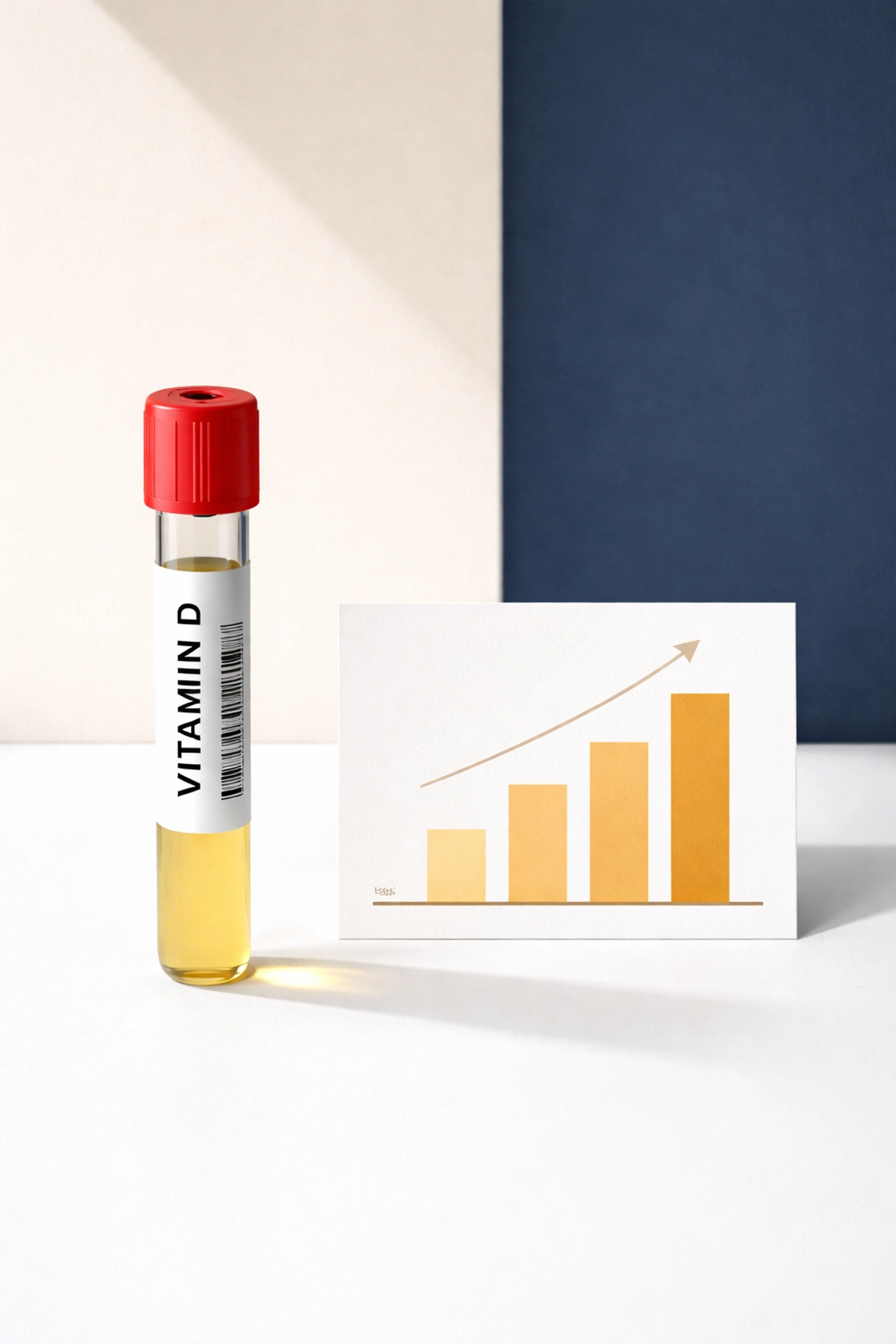
Disagreement on optimal ranges: Different organisations define sufficiency differently. Some set 50 nmol/L (20 ng/mL) as adequate, while others push for 75 nmol/L (30 ng/mL) or higher. This discrepancy means the same blood result can be interpreted as deficient or sufficient depending on which guidelines apply.
Seasonal variation: Vitamin D levels fluctuate naturally throughout the year, typically dropping in winter months. A single snapshot may not represent true status.
Individual variation in response: Two people taking identical doses can achieve vastly different blood levels due to genetic differences in vitamin D metabolism, absorption efficiency, and binding protein variations.
The testing-driven approach to vitamin D megadosing assumes that higher blood levels automatically translate to better health outcomes: an assumption that remains unproven for levels beyond basic sufficiency.
Toxicity Risks and Upper Limits
Vitamin D toxicity is rare but real. The fat-soluble nature of vitamin D means excess amounts accumulate rather than being excreted. Hypervitaminosis D typically requires sustained intake above 10,000 IU daily over several months, but individual susceptibility varies.
Toxicity symptoms include:
- Hypercalcemia (elevated blood calcium)
- Nausea and vomiting
- Kidney damage
- Calcium deposits in soft tissues
- Cardiac arrhythmias
The current upper limit of 4,000 IU daily exists as a safety margin, not a target. Those practicing vitamin D megadosing at 5,000-10,000 IU daily operate beyond this threshold. While many tolerate these doses without obvious harm, long-term consequences remain understudied.
The Critical Role of Cofactors: K2 and Magnesium
Vitamin D megadosing without attention to cofactors creates potential problems. Vitamin D increases calcium absorption: but without proper direction, that calcium may deposit in arteries rather than bones.

Vitamin K2 activates proteins that direct calcium to bones and teeth while keeping it out of soft tissues. Matrix Gla protein, activated by K2, inhibits arterial calcification. Without adequate K2, high-dose vitamin D may paradoxically increase cardiovascular risk.
Magnesium is required for vitamin D metabolism. The enzymes that convert vitamin D to its active form are magnesium-dependent. Megadosing vitamin D while magnesium-deficient creates a metabolic bottleneck: and potentially depletes magnesium stores further.
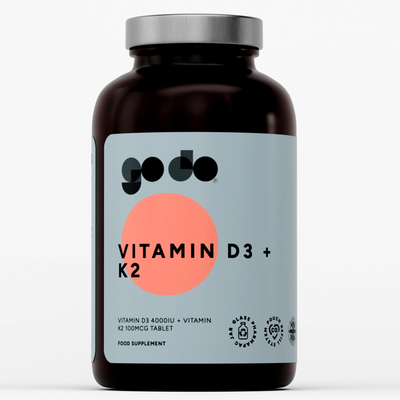
High-quality UK-made supplements increasingly combine vitamin D3 with K2 (typically as MK-7) to address this synergy. This combination approach represents more sophisticated formulation than standalone vitamin D products. When selecting supplements, look for those that include appropriate cofactors rather than isolated high-dose vitamin D.
Who Actually Needs High Doses?
Vitamin D megadosing makes clinical sense for specific populations:
- Documented severe deficiency: Blood levels below 25 nmol/L (10 ng/mL) may warrant short-term loading doses under medical supervision
- Malabsorption conditions: Crohn's disease, coeliac disease, and gastric bypass patients often require higher doses to achieve normal levels
- Certain medications: Anticonvulsants, glucocorticoids, and some antifungals interfere with vitamin D metabolism
- Obesity: Higher body mass may require proportionally higher doses
For the general population without these risk factors, vitamin D megadosing likely provides diminishing returns. Evidence supports supplementation to achieve sufficiency: but not indefinite high-dose intake targeting maximally elevated blood levels.
Practical Recommendations
Get tested strategically: A baseline test in late winter provides useful information. Repeat testing after 3 months of consistent supplementation to assess response.
Start moderate: 1,000-2,000 IU daily represents a reasonable starting point for most adults. Adjust based on blood levels and risk factors rather than following blanket megadosing protocols.
Include cofactors: Choose supplements combining D3 with K2, or supplement both separately. Ensure adequate magnesium intake through diet or supplementation.
Consider individual factors: Age, weight, skin tone, sun exposure, and health conditions all influence requirements. Personalised approaches outperform one-size-fits-all megadosing.
Respect upper limits: Sustained intake above 4,000 IU daily should occur under medical supervision with periodic monitoring.
The Bottom Line
Vitamin D megadosing emerged from legitimate concerns about widespread deficiency and evolved understanding of optimal levels. However, the movement has exceeded the evidence base. For most people, moderate supplementation with appropriate cofactors achieves meaningful health benefits without the uncertain risks of extreme doses.
The question isn't whether vitamin D matters: it clearly does. The question is whether 10,000 IU delivers benefits that 2,000 IU cannot. Current evidence suggests the answer is no for the majority of people. Sufficiency, not maximum blood levels, remains the evidence-supported target.