

Apricot kernel capsules have gained attention as a controversial supplement, particularly at high doses like 2500mg. With claims ranging from cancer prevention to immune system support, many UK consumers wonder whether these supplements deliver real benefits or pose hidden risks.
The short answer? A 2500mg dose of apricot kernel extract significantly exceeds established safety guidelines and carries serious health risks with no proven therapeutic benefits.
What's Actually Inside Apricot Kernel Capsules
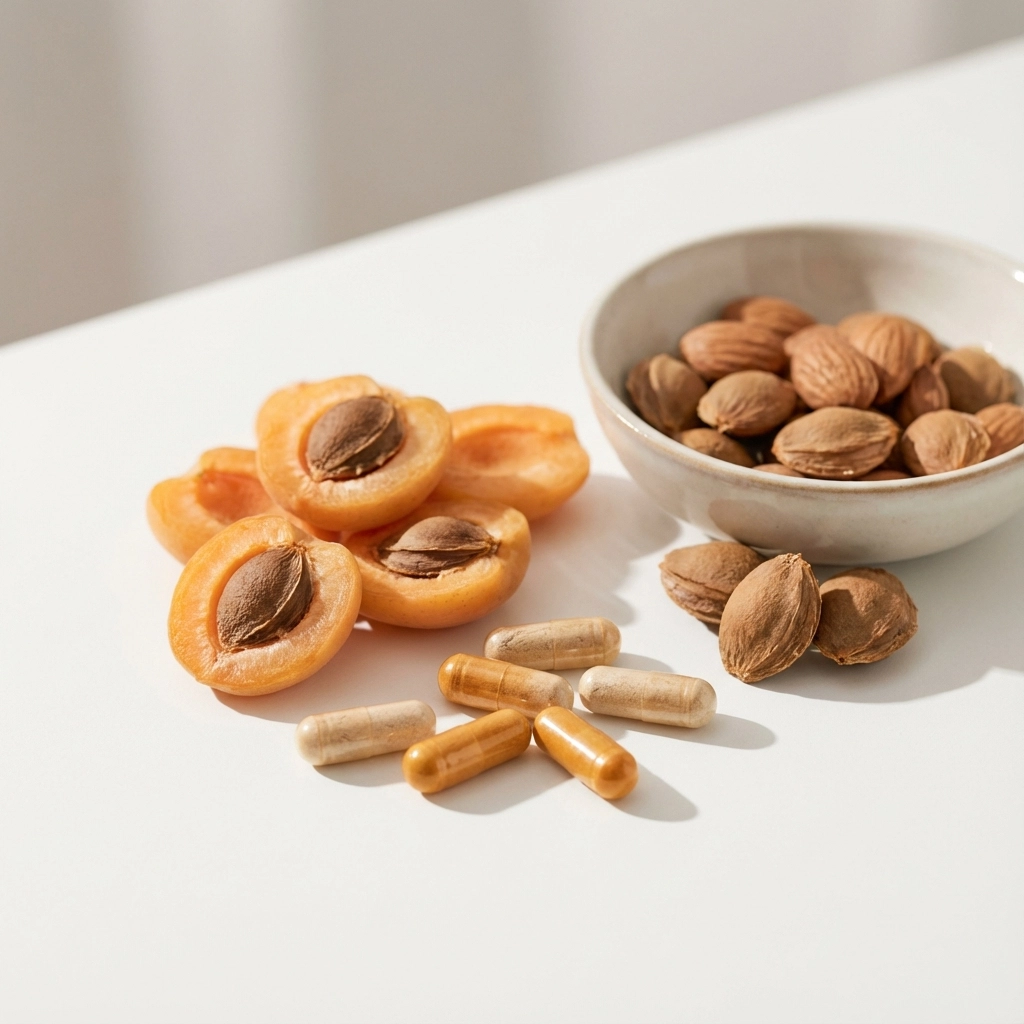
Apricot kernels, the seeds found inside apricot pits, contain a compound called amygdalin. When you digest amygdalin, your body converts it into hydrogen cyanide, the same toxic substance used in chemical weapons and industrial processes.
This isn't a processing error or contamination issue. The cyanide production happens naturally through normal digestion when enzymes in your gut break down amygdalin.
A typical small apricot kernel weighs approximately 370mg and contains roughly 1.8mg of amygdalin. This means a 2500mg capsule could contain the equivalent of 6-7 whole kernels in a single dose.
The Safety Reality of 2500mg Doses
The European Food Safety Authority (EFSA) has established clear safety limits for apricot kernel consumption: 1-3 kernels maximum per day for adults and half a small kernel for children.
A 2500mg capsule delivers approximately 6-7 kernels worth of material in one serving, more than double the maximum recommended daily intake. Taking this amount regularly could lead to chronic cyanide exposure, while a single large dose might trigger acute poisoning.
Documented Poisoning Cases
Medical literature contains multiple reports of severe cyanide poisoning from apricot kernels, including:
- Fatal cases in individuals consuming 10-40 kernels daily
- Emergency hospital admissions with symptoms appearing within hours
- Chronic poisoning in people taking "therapeutic" doses over weeks
The symptoms progress predictably: initial nausea and dizziness, followed by difficulty breathing, confusion, rapid heartbeat, and potentially seizures or cardiac arrest.
Claimed Benefits vs Scientific Evidence
Cancer Treatment Claims
The most prominent marketing claim suggests apricot kernels can prevent or treat cancer. Proponents argue that amygdalin (sometimes called "Vitamin B17," though it's not actually a vitamin) selectively targets cancer cells while leaving healthy tissue unharmed.
The scientific reality: No peer-reviewed studies support cancer treatment claims for apricot kernels or amygdalin. The National Cancer Institute, Cancer Research UK, and other major medical organizations have explicitly stated there's no evidence supporting these uses.
Multiple clinical trials have tested amygdalin as a cancer treatment. None demonstrated effectiveness against any cancer type, while several documented serious side effects from cyanide toxicity.
Immune System Support
Some manufacturers claim apricot kernel capsules boost immune function through antioxidant activity and cellular protection.
The evidence: While apricot kernels contain some antioxidant compounds, the quantities are minimal compared to safer alternatives like vitamin C or vitamin D3. Any potential antioxidant benefit is completely overshadowed by the cyanide toxicity risk.
General Wellness Claims
Marketing materials often suggest apricot kernels improve energy, support detoxification, or enhance overall vitality.
The scientific basis: These claims lack supporting research. The human body already detoxifies effectively through the liver and kidneys without requiring potentially dangerous supplements.
UK Regulations and Legal Status
In the UK, apricot kernel supplements exist in a regulatory grey area. The Food Standards Agency (FSA) doesn't specifically prohibit their sale but has issued warnings about cyanide content in apricot kernels.
Key regulatory points:
- No approved health claims for apricot kernels under EU/UK nutrition regulations
- Warning labels required on products containing significant amygdalin levels
- Import restrictions may apply to high-concentration extracts
- Medical supervision recommended for any use, though most doctors strongly discourage consumption
The FSA follows EFSA guidelines recommending consumption limits of 1-3 kernels daily for adults, making 2500mg capsules potentially non-compliant with safety recommendations.
Side Effects and Warning Signs
Acute Cyanide Poisoning Symptoms
Watch for these warning signs within 15 minutes to 2 hours after taking apricot kernel supplements:
Early symptoms:
- Nausea and vomiting
- Dizziness or lightheadedness
- Rapid heartbeat
- Unusual sweating
Serious symptoms requiring immediate medical attention:
- Difficulty breathing or shortness of breath
- Blue-tinged lips, fingernails, or skin
- Severe confusion or disorientation
- Muscle weakness or paralysis
- Loss of consciousness
Chronic Exposure Effects
Regular consumption of high-dose apricot kernel supplements may cause:
- Thyroid dysfunction from prolonged cyanide exposure
- Neurological problems including peripheral neuropathy
- Liver damage from processing cyanide compounds
- Cardiovascular stress from repeated toxic exposure
Safer Alternative Supplements
If you're interested in natural health support, consider these evidence-based alternatives:
For Immune Support
- Vitamin D3 with K2: Well-researched immune system support with established safety profile
- Zinc gluconate: Essential mineral for immune function with clear dosing guidelines
- Vitamin C: Proven antioxidant with extensive safety data
For General Wellness
- Omega-3 fatty acids: Anti-inflammatory benefits with cardiovascular support
- Probiotics: Gut health support with immune system connections
- Magnesium: Essential mineral supporting multiple body functions
Consider exploring our immune support bundle for safer, research-backed alternatives.
If You're Determined to Try Apricot Kernels
Despite the clear safety concerns, some individuals may still consider apricot kernel supplements. If you fall into this category, follow these harm-reduction guidelines:
Dosing Considerations
- Start with minimal amounts: No more than 1 kernel equivalent daily (approximately 370mg)
- Avoid 2500mg capsules entirely: This dose exceeds all safety recommendations
- Take breaks: Don't use daily: allow your body time to process any accumulated cyanide
- Monitor symptoms carefully: Stop immediately if you experience any concerning effects
Quality and Sourcing
- Choose reputable manufacturers: Look for companies providing detailed amygdalin content analysis
- Verify third-party testing: Ensure products test for heavy metals and contaminants
- Check for proper labeling: Warning labels should mention cyanide content and dosing limits
- Avoid bulk powder forms: Pre-measured capsules offer better dose control
Medical Supervision
- Consult your GP: Discuss any planned use with a healthcare provider
- Disclose to other practitioners: Inform dentists, specialists, and pharmacists about use
- Consider drug interactions: Cyanide can affect how other medications work
- Get baseline health markers: Blood work can help monitor any negative effects
The Scientific Verdict
Current scientific evidence provides a clear assessment of 2500mg apricot kernel capsules:
Safety profile: Dangerous. This dose substantially exceeds established safety limits and poses real risks of acute cyanide poisoning.
Efficacy for claimed benefits: No evidence. Peer-reviewed research doesn't support cancer treatment, immune enhancement, or general wellness claims.
Risk-benefit analysis: Unfavorable. Documented risks significantly outweigh any theoretical benefits.
Regulatory status: Questionable. While not explicitly banned, this dosing doesn't align with food safety authority recommendations.
Making an Informed Decision
The 2500mg dosing of apricot kernel capsules represents a clear case where marketing claims diverge sharply from scientific evidence and safety data. While natural doesn't automatically mean safe, the specific case of high-dose apricot kernels presents documented risks with no corresponding proven benefits.
For individuals seeking natural health support, numerous safer alternatives exist with better research backing and established safety profiles. The supplement industry offers many options that don't carry the inherent toxicity risks associated with amygdalin-containing products.
If you're currently taking or considering apricot kernel supplements, discuss your goals with a qualified healthcare provider who can suggest evidence-based alternatives that align with your health objectives without the associated safety concerns.
Remember that effective health management typically involves proven strategies: balanced nutrition, regular exercise, adequate sleep, stress management, and appropriate medical care when needed. These foundational approaches offer genuine health benefits without the risks associated with potentially toxic supplements.










