

The most effective ways to boost energy naturally without caffeine
Steady, lasting energy without caffeine is absolutely achievable. The most reliable path runs through five pillars: hydration, balanced nutrition, regular movement, stress control, and quality sleep. Herbal alternatives like maca, turmeric lattes, and chicory coffee round out the toolkit for anyone cutting back on stimulants. Integrated lifestyle habits consistently outperform caffeine reliance for sustained well-being.
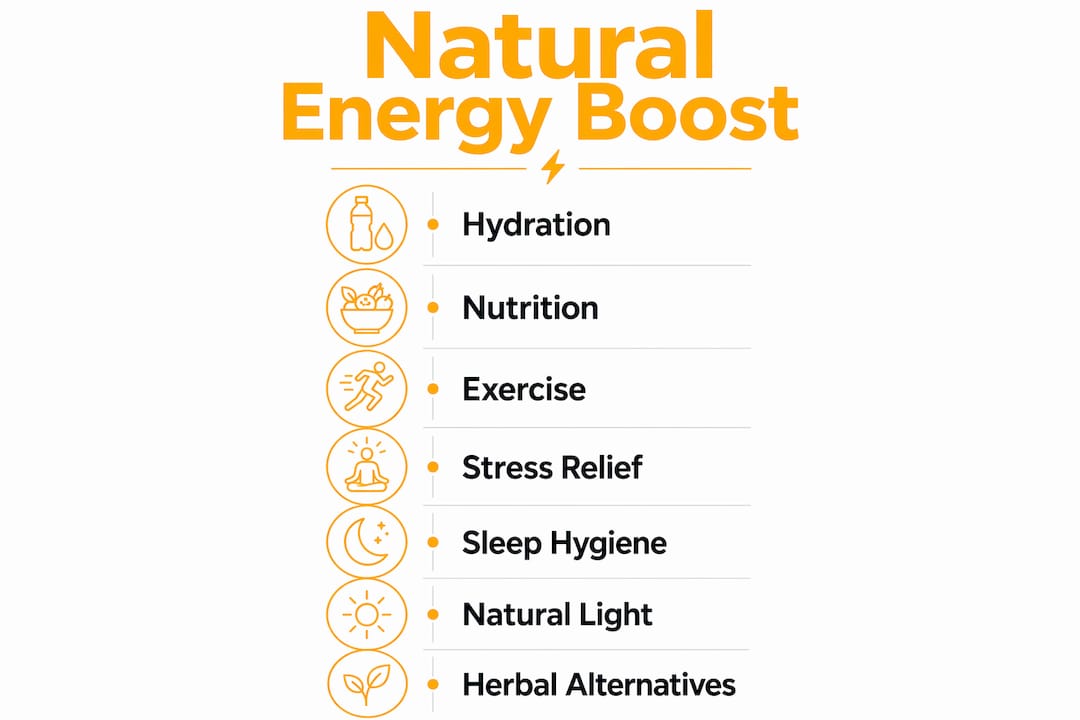
Here is a quick snapshot of the top natural energy boosters backed by research and expert consensus:
- Drink enough water throughout the day to prevent the fatigue that mild dehydration triggers
- Eat every 3–4 hours, combining complex carbs, protein, and fiber to keep blood sugar steady
- Move your body, even briefly, to release endorphins and norepinephrine that sharpen alertness
- Practice stress relief through meditation, yoga, tai chi, or social connection to stop energy drain
- Prioritize sleep quality with consistent bedtimes, screen limits, and strategic 20-minute naps
- Try adaptogenic herbs like maca or chicory coffee for gentle, caffeine-free support
- Get morning sunlight to set your circadian rhythm and prime your body for daytime alertness
None of these require a prescription, a gym membership, or a $7 cold brew. They work because they address the root causes of fatigue rather than masking them.

How hydration directly affects your energy and alertness
Mild dehydration is one of the most common and most overlooked causes of afternoon sluggishness. Before your body signals thirst, cognitive function and physical performance have already started to dip. Water is the only nutrient shown to enhance performance across virtually all activities, and it costs nothing.
Stat to know: Dehydration is an early trigger of tiredness and reduced alertness, often setting in before you feel thirsty. Adults who maintain consistent fluid intake throughout the day report more stable energy levels compared to those who drink reactively.
Daily water needs vary by body size, activity level, and climate, but most adults do well aiming for a moderate amount of water intake as a baseline. Caffeinated drinks count toward fluid intake but also act as mild diuretics, so replacing them with water, herbal tea, or sparkling water is a net gain. Carry a reusable bottle and sip steadily rather than gulping large amounts infrequently. Your energy levels will reflect the difference within a day or two.
What you eat and when: the nutrition strategy for steady energy
Food timing matters as much as food quality. Eating every 3–4 hours with meals that combine complex carbohydrates, protein, and fiber keeps blood sugar stable and prevents the crashes that send people reaching for a second cup of coffee.
The pairing principle is simple: carbs alone spike glucose fast, but adding protein or fat slows absorption. Apple slices with nut butter, Greek yogurt with granola, or air-popped popcorn with a slice of cheese all deliver slow, steady glucose release. Leafy greens like spinach and kale are particularly useful because they supply B vitamins that support energy metabolism at the cellular level. Berries add antioxidants without spiking blood sugar.
Nutrient deficiencies are a hidden driver of chronic fatigue. Two of the most common culprits:
- Vitamin B12: Most adults need sufficient vitamin B12 daily; deficiency causes fatigue, brain fog, and reduced red blood cell production. Top food sources include eggs, fatty fish, and beef.
- Vitamin D: Low levels correlate with persistent tiredness; sunlight exposure and fatty fish are the most accessible sources for most Americans.
- Iron: Especially relevant for women and athletes; low iron reduces oxygen delivery to muscles and the brain, producing fatigue even at rest.
- Magnesium: Involved in over 300 enzymatic reactions, including ATP production; nuts, seeds, and dark chocolate are solid sources.
Key nutrients that support energy metabolism
| Nutrient | Daily target (adults) | Best food sources | Role in energy |
|---|---|---|---|
| Vitamin B12 | 2.4 mcg | Eggs, fatty fish, beef | Red blood cell formation, nerve function |
| Vitamin D | — | Fatty fish, fortified milk, sunlight | Muscle function, mood regulation |
| Iron | 8 mg | Red meat, lentils, spinach | Oxygen transport to cells |
| Magnesium | 310 mg | Nuts, seeds, dark chocolate | ATP synthesis, enzyme activation |
| Complex carbs | Varies | Oats, quinoa, sweet potato | Sustained glucose release |
For deeper context on how B vitamins fuel energy metabolism, the relationship between these nutrients and cellular energy production is worth understanding before you reach for a supplement.
Why short bursts of exercise give you more energy than you spend
Exercise feels counterintuitive as an energy solution when you are already tired, but the biology is clear. Short bouts of moderate activity signal cells to produce more energy, release endorphins, and increase norepinephrine, a neurotransmitter that sharpens focus and lifts mood. The effect outlasts any caffeine hit and does not come with a crash.
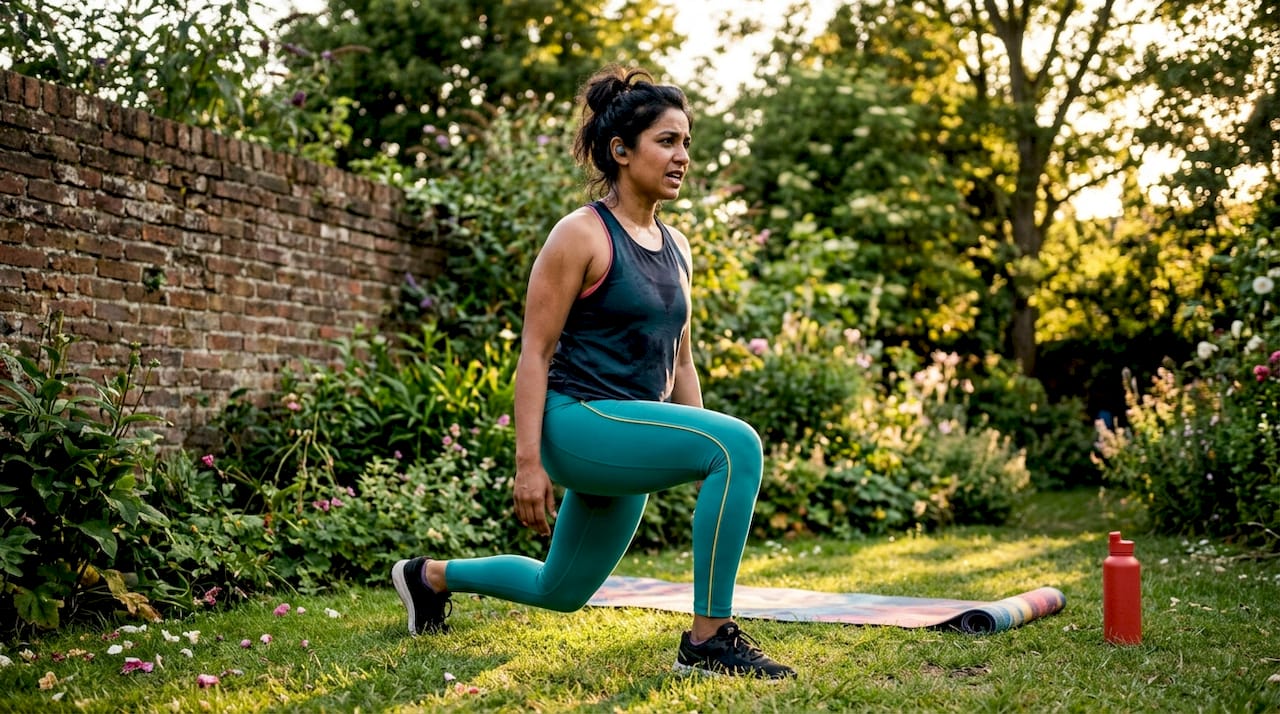
A 10-minute walk around the block, a few sets of bodyweight squats, or even five minutes of stretching at your desk can break a mental fog that has been building for hours. Exercise also increases oxygen circulation throughout the body, which is why you feel clearer-headed after even light movement. Over time, regular physical activity raises your baseline energy by improving sleep quality and cardiovascular efficiency. If you want to understand how natural energy supplements for endurance can complement an active lifestyle, movement itself is always the foundation.
Pro Tip: Set a phone reminder every 90 minutes to stand up and move for five minutes. This breaks the sedentary cycle that tanks afternoon energy and keeps norepinephrine circulating without requiring a gym session.
How chronic stress drains your energy and what actually restores it
Stress is an energy thief that most people underestimate. Chronic stress consumes enormous mental and physical resources, leaving you exhausted even after a full night’s sleep. The body runs on a stress-response system designed for short bursts, not the sustained low-grade pressure of modern daily life.
Relaxation practices work because they interrupt that drain. Meditation, yoga, tai chi, and social connection have all shown measurable reductions in fatigue by lowering cortisol and restoring the nervous system’s baseline. You do not need an hour-long session to feel the difference. Even five minutes of focused breathing can shift your physiology enough to restore clarity.
Practical stress-relief habits worth building into your routine:
- Box breathing: Inhale for 4 counts, hold for 4, exhale for 4, hold for 4. Repeat 4 times during an energy slump.
- Brief meditation: Apps like Headspace or Insight Timer offer 5-minute guided sessions that fit into a lunch break.
- Social connection: A 10-minute phone call with a friend genuinely reduces cortisol, not just mood.
- Tai chi or gentle yoga: Even one session per week produces measurable reductions in perceived fatigue.
- Nature exposure: A short walk in a park or green space lowers stress hormones faster than an indoor walk.
Pro Tip: When you feel your energy crashing mid-afternoon, try 4–7–8 breathing (inhale 4 counts, hold 7, exhale 8) before reaching for a snack or a drink. It activates the parasympathetic nervous system and often restores alertness within minutes.
Sleep hygiene habits that keep your daytime energy high
Sleep is where energy is actually manufactured, not just restored. Poor sleep quality compounds over days and weeks, producing a fatigue debt that no amount of nutrition or exercise fully compensates for. The good news is that a few consistent habits produce outsized improvements in how alert you feel during the day.
Key sleep hygiene practices that genuinely move the needle:
- Keep a fixed wake time even on weekends. This anchors your circadian rhythm more effectively than a fixed bedtime alone.
- Avoid screens for 30–60 minutes before bed. Blue light suppresses melatonin production, delaying sleep onset.
- Keep your bedroom cool and dark. Core body temperature needs to drop to initiate deep sleep.
- Limit naps to 20 minutes. Brief naps allow completion of light sleep phases, improving alertness and cognitive performance without disrupting nighttime sleep. Longer naps push into deep sleep and leave you groggy.
- Avoid alcohol within 3 hours of bedtime. It fragments sleep architecture even when it helps you fall asleep faster.
The 20-minute power nap deserves special mention. Taken between noon and 3:00 PM, it restores alertness comparably to a full night’s extra sleep for many people, without the grogginess of a longer nap. Set an alarm, lie down in a dark space, and do not feel guilty about it. NASA research on pilots found that a 40-minute nap improved performance by 34%, and shorter naps produce proportional benefits.
Herbal and caffeine-free alternatives that support gentle, lasting energy
Not every “coffee alternative” is caffeine-free, and that distinction matters for anyone sensitive to stimulants. Here is an honest breakdown of the most popular options.
Matcha contains 40–175 mg of caffeine per cup, so it is not caffeine-free, but its L-theanine content produces a calmer, more focused alertness than coffee. The combination slows caffeine absorption and reduces jitteriness, making it a gentler option for those who want some stimulation without the spike.
Yerba mate contains as much caffeine as coffee or more, ranging from 80–175 mg per cup. Users often report less jitteriness, likely because of its polyphenol content, but it is not a caffeine-free choice.
Chicory coffee is genuinely caffeine-free. Made from the roasted root of the Cichorium intybus plant, it has a nutty, slightly sweet flavor that mimics coffee without any stimulant effect. It also contains inulin, a prebiotic fiber that supports gut health, though the amounts in a cup are modest.
Kombucha is a fermented tea with trace amounts of caffeine and natural B vitamins. Its primary energy benefit comes from gut health support and hydration rather than stimulation.
Turmeric latte (golden milk) contains no caffeine and delivers curcumin, the anti-inflammatory compound in turmeric. It does not provide an immediate energy spike, but regular consumption may reduce the inflammation-related fatigue that many people experience chronically.
Maca root is an adaptogenic herb from Peru. Caffeine-free adaptogenic blends like maca provide gentle, sustained energy by supporting adrenal function rather than stimulating the central nervous system. It works best as a daily supplement rather than an on-demand pick-me-up.
Herbal teas worth trying for caffeine-free energy support:
- Peppermint tea: Menthol has a mild stimulating effect on alertness without caffeine.
- Ginger tea: Improves circulation and reduces inflammation, both of which contribute to fatigue.
- Rooibos: Completely caffeine-free, rich in antioxidants, and gentle on the stomach.
- Ginseng tea: Adaptogenic properties support energy and mental clarity; look for American or Panax ginseng.
For anyone building a supplement routine around natural energy sources beyond herbs, pairing adaptogens with the nutritional foundations covered earlier produces the most consistent results.
How natural light regulates your energy throughout the day
Morning sunlight is one of the most powerful and underused tools for natural energy. Exposure to natural light in the first hour after waking helps set your biological clock, signaling the body to suppress melatonin and ramp up cortisol in its healthy, alertness-promoting morning pattern. This is not the stress cortisol of chronic pressure; it is the wake-up signal your circadian system depends on.
Getting 10–15 minutes of direct outdoor light in the morning, ideally without sunglasses, is enough to anchor your rhythm for the day. On overcast days, the light intensity outdoors still far exceeds indoor lighting, so stepping outside still counts. People who work from home and spend mornings indoors often report persistent grogginess that resolves quickly once they add a morning walk to their routine.
The flip side matters equally. Bright light from screens in the evening tells your brain it is still daytime, delaying melatonin release and pushing sleep onset later. This creates a cycle where you sleep less, wake tired, and reach for stimulants to compensate. Breaking that cycle starts with morning light exposure and ends with dimming screens after 8:00 PM. Pairing this with the sleep hygiene habits covered earlier produces a compounding effect on daytime alertness that most people notice within a week.
For a practical look at how nutrition supports workout energy alongside these lifestyle strategies, the combination of light exposure, movement, and food timing creates a rhythm that sustains energy across the full day.
Key Takeaways
Sustainable energy without caffeine comes from addressing the root causes of fatigue: dehydration, poor nutrition timing, inactivity, chronic stress, and disrupted sleep, not from swapping one stimulant for another.
| Point | Details |
|---|---|
| Hydration comes first | Mild dehydration triggers fatigue before thirst appears; consistent fluid intake prevents energy dips. |
| Eat every 3–4 hours | Pairing complex carbs with protein and fiber stabilizes blood sugar and prevents afternoon crashes. |
| B12 is a key energy nutrient | Most adults require 2.4 micrograms of Vitamin B12 daily; deficiency directly causes fatigue and brain fog. |
| Short exercise beats long rest | Even 10 minutes of movement releases endorphins and norepinephrine, restoring alertness sustainably. |
| Morning light anchors your rhythm | 10–15 minutes of outdoor light after waking sets your circadian clock and primes daytime energy. |










