Perimenopause affects every woman differently, but the hormonal fluctuations consistently create similar challenges: irregular periods, hot flushes, sleep disruption, mood swings, and brain fog. While hormone replacement therapy (HRT) remains the gold standard treatment, targeted nutritional supplements can provide significant support for managing these symptoms naturally.
The UK supplement market offers hundreds of perimenopause products, but most lack the right combination of nutrients at effective doses. Understanding which ingredients actually work: and which products deliver them properly: can help you make an informed choice that fits your budget and health goals.
Essential Nutrients That Actually Make a Difference
Magnesium: The Multi-Tasker
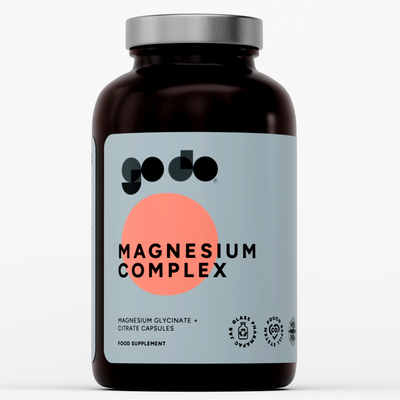
Magnesium stands out as perhaps the most crucial mineral for perimenopause support. Research shows it directly impacts several key areas: nervous system regulation, improved sleep quality, reduced anxiety, muscle cramp relief, and enhanced oestrogen detoxification. The mineral also supports bone health during the critical period when oestrogen decline accelerates bone loss.
Look for supplements providing 200-400mg of magnesium in chelated forms like magnesium glycinate or citrate, which offer better absorption than cheaper magnesium oxide.
Vitamin D: Non-Negotiable for Bone Health
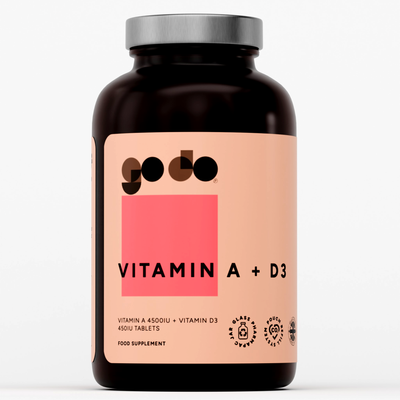
With oestrogen levels dropping, vitamin D becomes essential for maintaining bone density and calcium absorption. UK guidelines recommend 10mcg (400 IU) daily, but many perimenopause supplements provide 25mcg (1000 IU) or higher doses to account for increased needs during hormonal transition.
B-Complex Vitamins: Energy and Mood Support
B vitamins, particularly B6, B12, and folate, support energy metabolism and neurotransmitter production. These nutrients help combat fatigue and mood fluctuations common during perimenopause. Effective supplements include B6 at 10-50mg, B12 at 10-100mcg, and folate at 200-400mcg.
Adaptogens: Stress Response Regulation
Ashwagandha leads the adaptogen category for perimenopause support, with studies showing it can reduce cortisol levels by up to 30% and improve stress-related symptoms. Effective doses range from 300-600mg of standardised extract daily. Other beneficial adaptogens include rhodiola and holy basil.
Phytoestrogens: Plant-Based Hormone Support
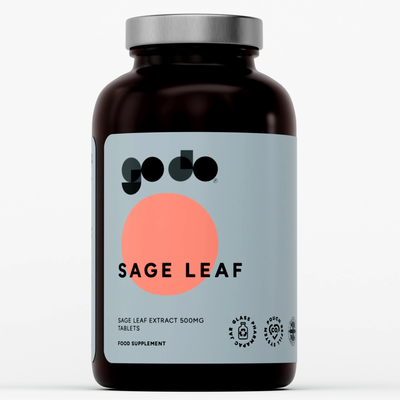
Red clover isoflavones and sage extract have shown promise for managing hot flushes and night sweats. Red clover provides isoflavones that act as weak oestrogen-like compounds, while sage has demonstrated specific anti-perspiration effects in clinical trials.
What the Science Actually Shows
Clinical research consistently demonstrates that combination supplements outperform single-nutrient approaches for perimenopause symptoms. A 2019 systematic review found that multi-ingredient formulations addressing both nutritional gaps and hormonal fluctuations produced more significant symptom improvement than isolated nutrients.
Magnesium supplementation shows the strongest evidence base, with studies demonstrating measurable improvements in sleep quality, anxiety levels, and hot flush frequency within 4-8 weeks of consistent use. Ashwagandha follows closely, with randomised controlled trials showing significant cortisol reduction and improved stress response.
The phytoestrogen research presents mixed results, with red clover isoflavones showing modest but consistent benefits for vasomotor symptoms in approximately 60% of users. Individual response varies significantly based on gut bacteria composition and genetics.

Vitamin D deficiency affects over 40% of UK adults, making supplementation particularly important during perimenopause when bone health becomes a priority. Studies show that maintaining vitamin D levels above 50nmol/L (20ng/mL) supports both bone density and immune function during hormonal transition.
Safety Considerations and Interactions
Most perimenopause supplements are safe for healthy adults, but several important considerations apply:
HRT Compatibility: Supplements containing phytoestrogens may interact with hormone replacement therapy. Consult your healthcare provider before combining these treatments.
Medication Interactions: Ashwagandha can enhance the effects of diabetes medications and blood pressure drugs. Magnesium may interfere with antibiotic absorption when taken simultaneously.
Timing Matters: Take magnesium-containing supplements in the evening to maximise sleep benefits. B vitamins should be consumed in the morning to avoid potential sleep disruption.
Quality Standards: Choose supplements manufactured to Good Manufacturing Practice (GMP) standards and third-party tested for purity. UK-manufactured products must meet specific regulatory requirements for labelling accuracy and safety.
Making Your Decision
The most effective perimenopause supplement is one you'll take consistently for at least 8-12 weeks. Consider your budget, symptom priorities, and any existing medications when making your choice.
Start with a comprehensive formula rather than individual nutrients to address the interconnected nature of perimenopause symptoms. Monitor your response over 6-8 weeks before making adjustments, as nutritional interventions require time to show measurable effects.
Remember that supplements work best as part of a comprehensive approach including regular exercise, stress management, and a nutrient-dense diet. They're powerful tools for managing perimenopause symptoms, but they work most effectively when integrated into broader lifestyle strategies supporting hormonal health.
For personalised guidance on supplement selection and dosing, consider consulting with a menopause-trained nutritionist or healthcare provider familiar with your individual health profile and goals.