Ever hit 3 pm and feel like your brain has quietly left the building? You are not lazy, and it is not always a willpower problem. Your eating pattern, meal balance, sleep, stress and movement can all influence how steady your energy feels. The good news is that small food choices can make a real difference. The NHS Eatwell Guide is a useful starting point for building balanced meals, without turning your workday into a nutrition project.
Table of Contents
- What the blood sugar rollercoaster really means
- Why some meals leave you tired and hungry
- The three nutrients that support steadier energy
- How to build a stable-energy meal
- Simple ways to avoid the mid-afternoon crash
- Evidence-based benefits of steadier eating
- Where supplements may fit
- Safety warnings and when to seek advice
- Recommended reading
What the blood sugar rollercoaster really means
“Blood sugar rollercoaster” is a casual phrase. It describes the feeling of going from energised to tired, hungry, distracted and craving something sweet a few hours later.
After you eat carbohydrates, your body breaks them down into glucose. Glucose enters your bloodstream and helps provide energy. Insulin then helps move glucose from the blood into your cells.
The type and amount of carbohydrate you eat, what you eat alongside it, and how long you have gone without food can all affect how quickly this happens. A sugary drink or pastry on its own is absorbed quickly. A bowl of oats with yoghurt, berries and seeds takes longer to digest because it contains fibre, protein and fat.
I used to think my afternoon slump was simply part of working life. One coffee became two, then a handful of biscuits somehow became lunch’s sequel. The problem was not a lack of discipline. My lunch was often light on protein and fibre, so by mid-afternoon I was trying to solve genuine hunger with quick energy.
Stable energy is not about keeping blood sugar perfectly flat. That is neither realistic nor necessary. It is about reducing dramatic swings and giving your body a steadier supply of fuel.
Why some meals leave you tired and hungry
A meal built mostly from refined carbohydrates can create a quick rise in blood glucose. Think white bread, sweet cereals, pastries, sweets, juice and sugary coffees. These foods are not “bad”, but they are easy to eat quickly and may not keep you satisfied for long when eaten alone.
The same can happen when you skip breakfast, work through lunch or wait too long between meals. By the time you finally eat, you are much more likely to reach for the fastest option available. That often means a large portion of refined carbohydrates, followed by another energy dip later.
The American Diabetes Association explains that carbohydrates are an important source of energy, but their type, portion and pairing with other foods matter. This is useful advice even if you do not have diabetes. It encourages a more balanced approach instead of cutting out an entire food group.
It is also worth remembering that an afternoon crash is not always caused by blood sugar. Poor sleep, dehydration, stress, too much caffeine, an overly large lunch or simply sitting still for hours can all play a part.
The three nutrients that support steadier energy
Protein
Protein helps make a meal more satisfying. It also takes longer to digest than many refined carbohydrates, which can help slow the overall pace of digestion when the two are eaten together.
Try including a clear protein source at breakfast and lunch. Examples include eggs, Greek yoghurt, cottage cheese, fish, chicken, tofu, tempeh, lentils, beans and edamame.
For a plant-based meal, combine foods such as tofu, beans, lentils or soy yoghurt with whole grains, vegetables and seeds. You do not need a perfect combination at every meal. Variety across the day matters more.
Fibre
Fibre is found in plant foods, including vegetables, fruit, oats, whole grains, beans, lentils, nuts and seeds. It supports digestive health and can slow the absorption of carbohydrate, helping food provide energy at a more gradual pace.
The Harvard T.H. Chan School of Public Health recommends choosing fibre-rich carbohydrate sources such as vegetables, fruit, whole grains and legumes. These foods also bring vitamins, minerals and beneficial plant compounds.
Increase fibre gradually if your current diet is low in it. A sudden jump can cause bloating or discomfort, especially if you are not drinking enough fluids.
Healthy fats
Fat helps make meals more satisfying and slows digestion. Good choices include olive oil, avocado, nuts, seeds and oily fish.
Adding a small amount of fat to a carbohydrate-based snack can make it more balanced. Try apple slices with peanut butter, wholegrain crackers with hummus, or berries with yoghurt and chia seeds.
The goal is not to make every meal high in fat. It is simply to avoid relying on rapidly digested carbohydrates on their own.
How to build a stable-energy meal
A simple plate structure can make healthy choices easier when you are busy. Aim for roughly:
- Half the plate from vegetables or salad.
- One quarter from protein.
- One quarter from high-fibre carbohydrates.
- A small serving of healthy fat.
This is not a rigid formula. It is a visual prompt. You can adjust it for your appetite, training schedule, culture, preferences and health goals.
A steady-energy breakfast could be oats topped with Greek yoghurt, berries, walnuts and chia seeds. If you prefer savoury food, try eggs or tofu with vegetables and wholegrain toast.
For lunch, consider a quinoa and lentil bowl with roasted vegetables, avocado and a yoghurt or tahini dressing. A wholegrain wrap with chicken or tofu, salad and hummus works well too.
Snacks are optional. If you are hungry between meals, choose something that combines at least two useful elements, such as protein and fibre or carbohydrate and fat:
- Fruit with a handful of nuts.
- Greek or soy yoghurt with seeds.
- Carrot and pepper sticks with hummus.
- Cottage cheese with berries.
- Wholegrain crackers with cheese.
- A small protein smoothie with fruit and oats.

Simple ways to avoid the mid-afternoon crash
You do not need a complicated meal plan to support stable energy through the workday. A few realistic habits can help.
Do not let lunch become an afterthought. If lunch is only a sandwich, choose wholegrain bread and add a proper protein filling, salad and hummus. If it is soup, include beans, lentils, chicken or tofu, plus wholegrain bread.
Keep an emergency snack nearby. A desk drawer or work bag can hold nuts, roasted chickpeas, oatcakes or a low-sugar protein snack. This gives you options before you reach the “I will eat anything” stage.
Drink water regularly. Mild dehydration can feel like tiredness and poor concentration. Keep a bottle visible and choose water more often than sugary drinks. The CDC recommends replacing sugary drinks with water, which is a simple way to reduce added sugar without changing your meals.
Take a short walk after lunch. Even a gentle ten-minute walk can break up long periods of sitting and help you feel more alert. It is also a useful reset between meetings.
Be thoughtful with caffeine. Coffee can be part of a healthy routine, but it cannot replace food or sleep. If you rely on caffeine to push through every afternoon, look at your breakfast, lunch, hydration and bedtime too.
Slow down for the first few bites. Eating quickly makes it harder to notice when you are satisfied. A calmer meal can also help you enjoy food more, which is a win in its own right.

Evidence-based benefits of steadier eating
Building meals around protein, fibre, healthy fats and minimally processed carbohydrates may support:
- More consistent feelings of energy between meals.
- Better fullness and fewer impulsive snack cravings.
- Improved overall fibre intake.
- More balanced meals with greater nutritional variety.
- Better digestive regularity when fibre is increased gradually.
- A reduced reliance on sugary drinks and quick-fix snacks.
- More focused work and training sessions when hunger is managed.
These benefits are practical rather than magical. No single meal will transform your day. The advantage comes from repeating simple choices most of the time.
Where supplements may fit
Supplements should complement a balanced diet, not compensate for regularly skipping meals. They may be useful when your diet is limited, your needs are higher or a qualified professional has identified a deficiency.
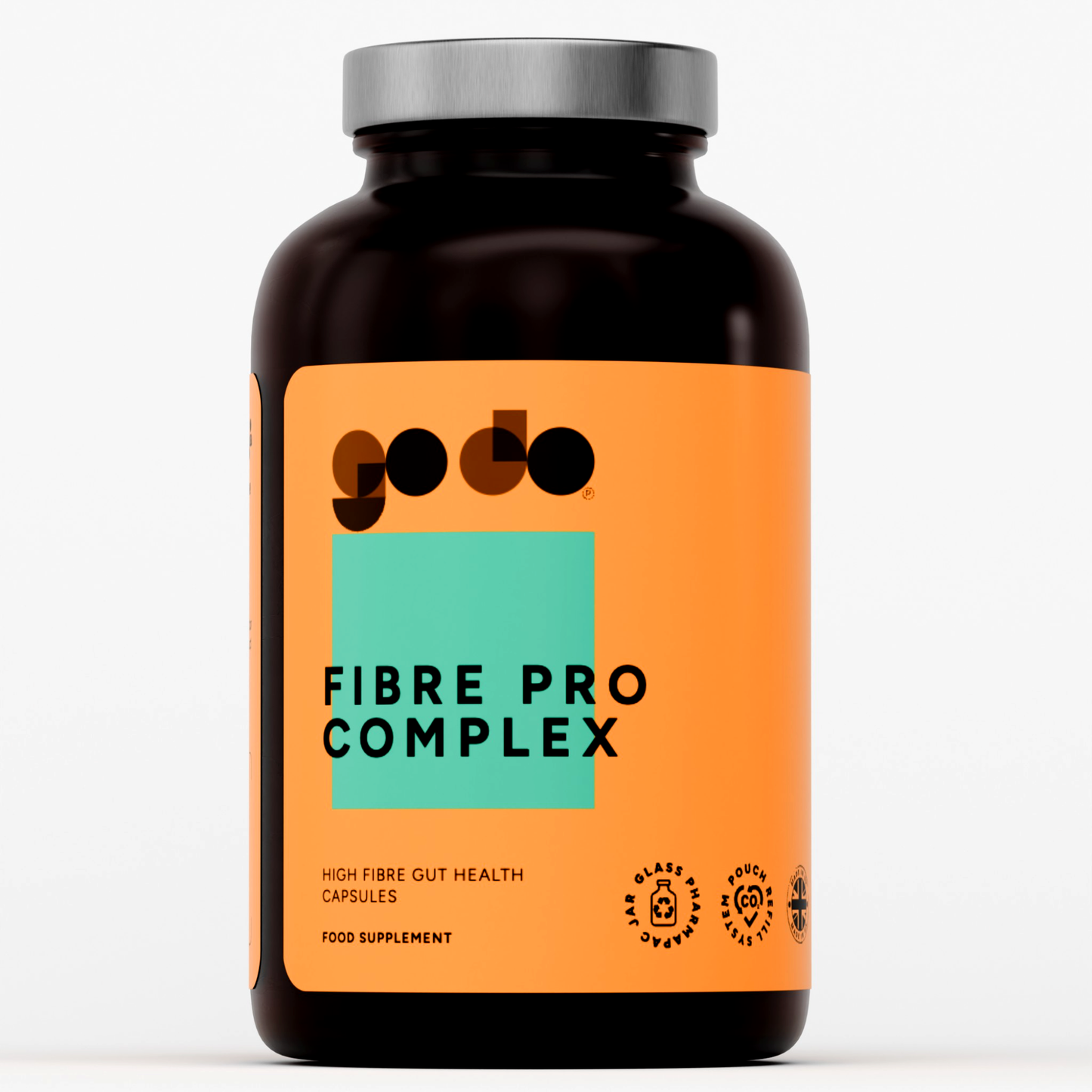
For people who struggle to get enough fibre from food, Fitness Health Fibre Pro Capsules combine inulin, psyllium husk and probiotics. The product is vegan-friendly and designed to support digestive regularity. Start carefully, follow the label and take it with plenty of water.
A Fitness Health Vitamin B Complex provides a range of B vitamins involved in normal energy metabolism. However, it is not a stimulant and will not cancel out poor sleep or an unbalanced diet. If you suspect low iron, vitamin B12 or another nutrient deficiency, speak with a healthcare professional rather than guessing.
At Fitness Health, we focus on practical nutritional support, UK-made formulations and affordable options, including vegan-friendly products and paper-based refill packaging where available. Explore the full range and choose supplements that fit your wider routine.
Safety warnings and when to seek advice
General nutrition advice is not a substitute for personal medical care. If you have diabetes, prediabetes, reactive hypoglycaemia, an eating disorder, gastrointestinal disease or another medical condition, ask your doctor or dietitian before making major changes to your eating pattern.
If you take insulin or medicines that lower blood glucose, changing meal timing or carbohydrate intake may affect your treatment. Do not adjust medication without medical advice.
Speak with a healthcare professional if you regularly experience shaking, sweating, dizziness, confusion, fainting, unusual thirst, frequent urination or severe fatigue. These symptoms can have several causes and should not automatically be blamed on a “sugar crash”.
For Fibre Pro, increase your intake slowly and drink plenty of water. Inulin and psyllium may initially cause gas or bloating. Check with a clinician before using fibre supplements if you have swallowing difficulties, bowel obstruction risks or take medicines that need precise timing.
Recommended reading
For more practical ideas, explore our internal guides and collections:
- Energy supplements and daily support
- Focus and cognitive wellness
- Gut health supplements
- The Vegan Athlete’s Guide to Essential Nutrients
- Exercise Snacks: The 5-Minute Training Method
Meta description: Blood Sugar Rollercoaster: Why Stable Energy Beats Willpower : learn how protein, fibre, healthy fats, balanced meals and simple workday habits can support steadier energy and fewer afternoon crashes.