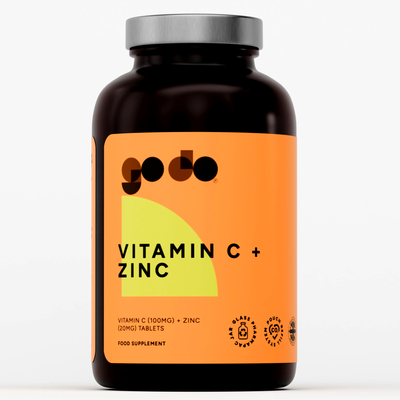
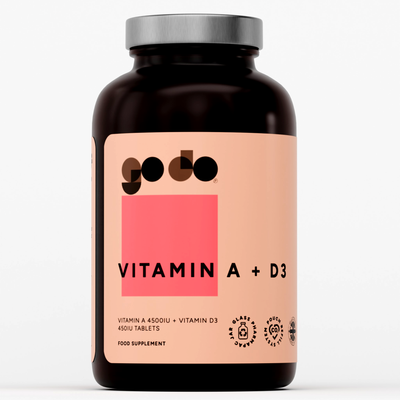
As we age, our bodies undergo physiological changes that alter how we absorb and utilize nutrients. According to the National Institute on Aging (NIA), while a balanced diet remains the foundation of health, certain "food supplements for elderly" populations become critical to bridge nutritional gaps and support organ function. Whether it is maintaining heart rhythm, supporting cognitive clarity, or keeping joints mobile, strategic supplementation can significantly impact quality of life in the later years.
Table of Contents
- The Biology of Aging and Nutrient Absorption
- Ubiquinol: The "Spark Plug" for Senior Vitality
- Essential Nutrients for Mobility and Joint Health
- Cognitive Support: Keeping the Mind Sharp
- Real-World View: Marketing Hype vs. Science
- Step-by-Step Framework for Implementation
- Safety and Contraindications
- FAQ
Key Takeaways
| Supplement | Primary Benefit | Recommended Focus |
|---|---|---|
| Ubiquinol | Heart health & cellular energy | Reduced CoQ10 levels in seniors |
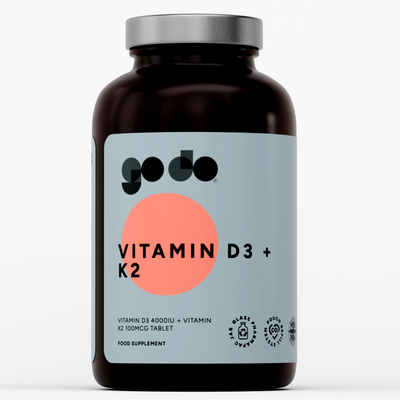
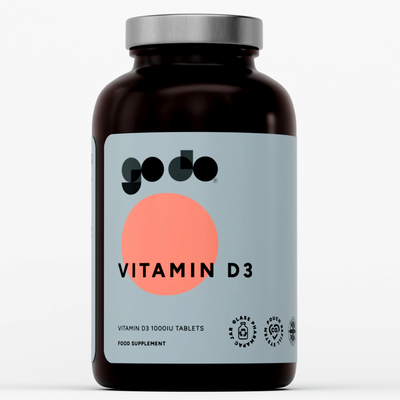
| Vitamin D3 | Bone density & immunity | 800–2,000 IU daily (individualized) |
| Omega-3 | Inflammation & cardiovascular support | EPA/DHA for joint and heart health |
| Magnesium | Muscle function & sleep | Nerve health and metabolic support |
| Vitamin B12 | Cognitive function & nerves | Absorption declines significantly after 60 |
The Biology of Aging and Nutrient Absorption {#biology-aging}
Aging affects the gastrointestinal tract, leading to reduced stomach acid (achlorhydria) and changes in gut microbiota. These factors directly impede the absorption of vital micronutrients like Vitamin B12, Calcium, and Iron. Furthermore, our cells' ability to produce endogenous antioxidants and energy-carrying molecules, such as Coenzyme Q10, declines steadily after the age of 40.
"The nutritional status of the elderly is a major determinant of their health and well-being. Malnutrition in older adults is often underdiagnosed but linked to increased frailty and healthcare costs." – Journal of Clinical Medicine.
For many seniors, the goal of supplementation isn't just to prevent deficiency but to optimize "biological age." This involves providing the building blocks for mitochondrial function and reducing systemic oxidative stress.
Ubiquinol: The "Spark Plug" for Senior Vitality {#ubiquinol-spark-plug}

When researching coq10 reviews, you will frequently encounter two names: Ubiquinone and Ubiquinol. Ubiquinol is the "reduced" or active antioxidant form of Coenzyme Q10. For younger individuals, the body easily converts ubiquinone into ubiquinol. However, for those over 60, this conversion efficiency drops significantly.
Cardiovascular Power
The heart is one of the most energy-demanding organs in the body. The Q-SYMBIO trial, a landmark study published in JACC: Heart Failure, demonstrated that CoQ10 supplementation significantly reduced major adverse cardiovascular events and mortality in patients with chronic heart failure.
Cellular Energy
Ubiquinol acts within the mitochondria, the "powerhouses" of our cells, to facilitate the production of ATP (adenosine triphosphate). This is why ubiquinol is often described as a cellular "spark plug." In seniors, higher blood levels of ubiquinol are associated with better exercise tolerance and reduced fatigue.
Pro Tip: Always take Ubiquinol with a fat-containing meal (like avocado or eggs) to maximize absorption, as it is a fat-soluble compound.
Essential Nutrients for Mobility and Joint Health {#mobility-joint-health}
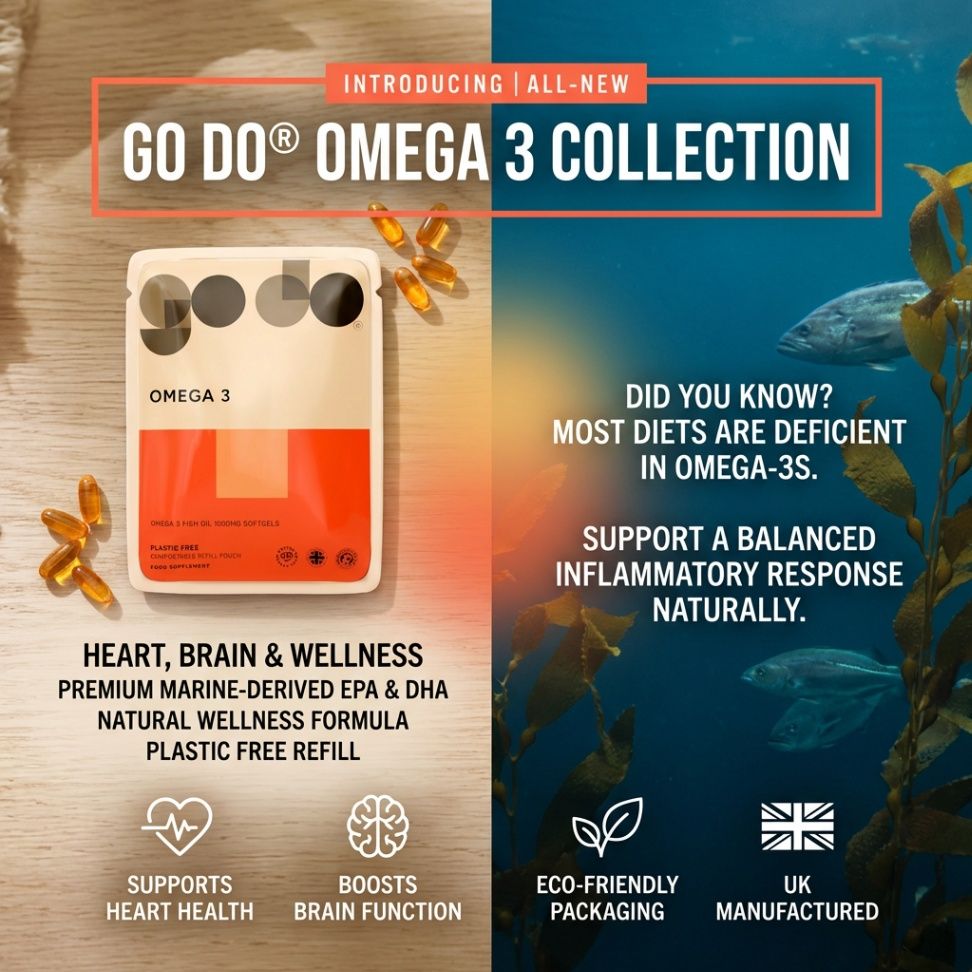
Explore our Omega-3 Heart & Joint Collection
Maintaining independence in later life requires healthy joints and muscle mass. As cartilage wears down, inflammation often sets in, leading to stiffness and pain.
Omega-3 Fatty Acids
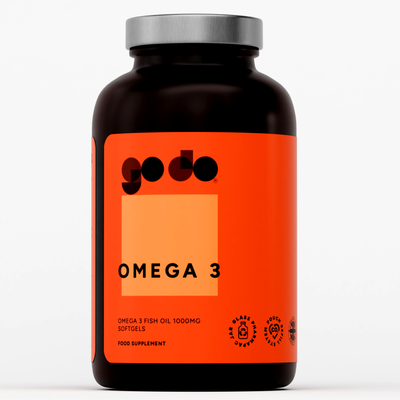
EPA and DHA, found in high-quality fish oil or vegan algae oil, are potent anti-inflammatory agents. They work by inhibiting the production of molecules and substances linked to inflammation, such as eicosanoids and cytokines. For seniors, this can translate to reduced morning stiffness and a lower reliance on NSAIDs.
Magnesium Complex
Magnesium is involved in over 300 biochemical reactions, including muscle relaxation and nerve transmission. Many "food supplements for elderly" overlook magnesium, yet deficiency is linked to leg cramps, poor sleep, and even osteoporosis.

Check out our Magnesium Complex for muscle and nerve support.
Cognitive Support: Keeping the Mind Sharp {#cognitive-support}
Cognitive decline is one of the most significant concerns for aging populations. While genetics play a role, nutritional support for the brain is evidence-based and actionable.
The Role of Vitamin B12
Up to 30% of older adults have atrophic gastritis, which prevents the absorption of B12 from food. Deficiency can mimic symptoms of dementia, including confusion and memory loss. The NIH recommends that adults over 50 get most of their B12 from supplements or fortified foods, as these forms are easier for the body to process.
Ubiquinol and Brain Health
Recent studies suggest that ubiquinol may support cerebral vasoreactivity, the brain's ability to regulate blood flow. By reducing oxidative damage in neural tissues, it may help maintain cognitive processing speed.
Real-World View: Marketing Hype vs. Science {#real-world-view}
In the supplement industry, it is easy to get lost in "miracle cure" claims. Here is the reality check:
-
Hype: "Ubiquinol will cure your heart disease."
Science: Ubiquinol is a supportive adjunct to standard care. It can improve quality of life and heart function, but it does not replace prescribed medications like statins or beta-blockers. -
Hype: "Seniors need mega-doses of all vitamins."
Science: Over-supplementation can be dangerous. For instance, too much Vitamin A can lead to bone thinning. Focus on targeted needs based on blood tests. -
Hype: "Cheap supplements are the same as premium ones."
Science: Bioavailability matters. Cheap CoQ10 is often poorly absorbed ubiquinone. Investing in Ubiquinol or lipid-soluble formulations ensures the nutrient actually reaches your bloodstream.
Step-by-Step Framework for Implementation {#framework-implementation}
If you are looking to start a supplement regimen for yourself or a loved one, follow this evidence-based framework:
- Consultation & Bloodwork: Check for Vitamin D, B12, and Iron levels before starting. Discuss any supplements with a GP, especially if taking blood thinners.
- Establish a Core Foundation: Start with a high-quality multivitamin or a combination of Vitamin D3 and Magnesium.
- Introduce Targeted Support: Add Ubiquinol (100–200mg) for energy and heart health. If joint pain is present, introduce Omega-3s.
- Monitor for 12 Weeks: Most cellular changes (like those from CoQ10) take 3 months to become noticeable in blood markers or energy levels.
- Audit Your Pill Box: Use a weekly organizer to ensure consistency.
Safety and Contraindications {#safety-contraindications}
While "food supplements for elderly" are generally safe, certain interactions are critical to note:
- Warfarin (Blood Thinners): CoQ10/Ubiquinol is structurally similar to Vitamin K and may interfere with warfarin’s effectiveness. Consult your doctor.
- Statin Medications: Statins are known to deplete the body's natural CoQ10 levels. While CoQ10 supplementation is often recommended for statin users to reduce muscle pain, the clinical evidence is mixed.
- Diabetes Medication: CoQ10 may slightly lower blood sugar levels. Monitor glucose closely if you are on insulin.
Supplement Comparison Data
| Nutrient | Source | Bioavailability Factor | Daily Target (Seniors) |
|---|---|---|---|
| Ubiquinol | Supplement | High (3-4x better than Ubiquinone) | 100 - 200 mg |
| Vitamin D3 | Sun/Supplement | Higher when taken with fat | 800 - 2,000 IU |
| Magnesium | Greens/Citrate/Glycinate | Glycinate is best for absorption | 300 - 400 mg |
| Vitamin B12 | Methylcobalamin | Sublingual/Spray bypasses gut issues | 2.4 mcg+ |
Support Your Health with Fitness Health
At Fitness Health, we believe that premium nutrition should be accessible to everyone. Our supplements are formulated in the UK to the highest GMP standards, ensuring that what’s on the label is exactly what’s in the capsule. We skip the expensive plastic bottles for eco-friendly paper packaging, allowing us to offer high-quality Ubiquinol, Omega-3s, and Vitamins at affordable prices (typically $13-$15).
We ship worldwide, delivering health directly to your door.

Shop our Vitamins and Minerals Collection today.
FAQ {#faq}
Q: Can I get enough CoQ10 from food?
A: While organ meats (heart, liver) and some fatty fish contain CoQ10, the amounts are very small compared to what is needed to raise blood levels in seniors.
Q: What is the best time of day to take these supplements?
A: Ubiquinol and Omega-3 should be taken with your largest meal. Magnesium is often best taken in the evening to support muscle relaxation and sleep.
Q: Are vegan options available for seniors?
A: Yes! Our range includes many vegan-friendly options, including Algae-based Omega-3 and fermented Ubiquinol.
Recommended
- The Ultimate Guide to Antioxidants
- Support Your Heart with Premium Supplements
- Joint Health: Staying Active as You Age