When your knees feel stiff after training or your shoulders are still grumbling two days after a tough session, food may not be the first thing you think about. Yet your everyday meals can influence how your body manages inflammation and recovers. As Harvard Health explains, an anti-inflammatory eating pattern is less about one miracle ingredient and more about consistently choosing whole foods, healthy fats, colourful plants and quality protein.
Table of Contents
- What inflammation actually means
- The anti-inflammatory plate at a glance
- Foods to eat more often for joint health
- How nutrition supports post-training recovery
- Foods to moderate without becoming restrictive
- Where omega-3 and turmeric curcumin may fit
- Safety notes before changing your routine
- A realistic way to make the plate work
- Recommended
What inflammation actually means
Inflammation often gets treated as the villain. In reality, it is one of the body’s useful protective responses.
Acute inflammation happens quickly. It can appear after a hard workout, a knock, a small cut or an infection. The warmth, swelling and soreness are signs that your immune system is responding and beginning the repair process. A little post-training inflammation is normal.
Chronic inflammation is different. It is a longer-lasting, low-level response that may be influenced by stress, poor sleep, smoking, inactivity, excess body weight, certain health conditions and an overall diet high in heavily processed foods. It can be associated with conditions such as cardiovascular disease and some forms of arthritis.
The goal is not to eliminate inflammation altogether. Your body needs it. The aim is to support a balanced inflammatory response while giving your joints, muscles and connective tissues the nutrients they need to repair.
I noticed this distinction myself when I started paying attention to what I ate on training days. A takeaway meal never caused an instant problem. But when several rushed, low-fibre meals were followed by poor sleep, my recovery felt noticeably slower. A more colourful plate did not magically fix everything, but it gave my routine a much steadier foundation.
The anti-inflammatory plate at a glance
The most practical approach is a Mediterranean-style pattern. It is flexible, filling and easy to adapt to different diets.
Build most meals around:
- Plenty of vegetables, especially leafy greens and cruciferous vegetables
- Fruit, with berries appearing regularly
- Protein from fish, beans, lentils, eggs, yoghurt, poultry or tofu
- Whole grains such as oats, brown rice, quinoa and wholemeal bread
- Unsaturated fats, particularly extra-virgin olive oil, nuts and seeds
- Herbs and spices such as turmeric, ginger, garlic and rosemary
- Water and other low-sugar drinks
This pattern supports more than inflammation. It also helps provide fibre, protein, vitamins, minerals and antioxidants. It can support healthy body weight too, which matters for joint health because carrying less excess weight can reduce mechanical stress on weight-bearing joints.
There is no need to make every plate perfect. A salmon salad with olive oil is great, but so is a jacket potato with beans, steamed vegetables and a spoonful of yoghurt. The pattern matters more than one meal.

Foods to eat more often for joint health
Fatty fish and omega-3 fats
Salmon, sardines, mackerel, trout and herring provide the long-chain omega-3 fats EPA and DHA. These fats are involved in regulating inflammatory processes and may be useful for people managing joint discomfort, particularly inflammatory arthritis.
UK guidance commonly recommends eating two portions of oily fish each week. A portion is roughly 140 grams, although needs and dietary preferences vary.
If you do not eat fish, walnuts, chia seeds and ground flaxseed provide plant-based omega-3 in the form of ALA. ALA is still a valuable nutrient, although the body converts only a small amount into EPA and DHA.
Extra-virgin olive oil
Extra-virgin olive oil is a simple swap with a big everyday payoff. Use it in dressings, over roasted vegetables or in place of butter when suitable.
It contains monounsaturated fat and plant compounds called polyphenols. One of these, oleocanthal, has been studied for its effect on inflammatory pathways. That does not mean olive oil works like a painkiller, but it is a smart, well-supported part of a balanced eating pattern.
Colourful vegetables and berries
Colour is a helpful shortcut. Deep green, red, orange, purple and blue produce tends to contain a broad mix of protective plant compounds.
Try adding:
- Spinach, kale, rocket and other leafy greens
- Broccoli, cauliflower and Brussels sprouts
- Peppers, tomatoes, carrots and sweet potatoes
- Blueberries, strawberries, raspberries and cherries
- Oranges, kiwi fruit and pomegranate
Berries contain polyphenols called anthocyanins, while vegetables provide nutrients such as vitamin C, vitamin K, carotenoids and folate. These nutrients help support normal immune function, connective tissue maintenance and protection from oxidative stress.
A handful of frozen berries stirred into oats or yoghurt is one of my favourite low-effort upgrades. They are affordable, convenient and require no chopping.
Nuts, seeds, beans and whole grains
Walnuts, almonds, pumpkin seeds, chia and flax provide healthy fats, minerals and fibre. Beans, lentils and chickpeas add fibre and plant protein. Whole grains provide slower-digesting carbohydrates that can support energy levels and training sessions.
Fibre also supports gut health. The gut and immune system interact closely, so a varied, fibre-rich diet may help support a healthier overall inflammatory environment.
Herbs and spices
Turmeric, ginger, garlic, cinnamon, oregano and rosemary can make simple food taste far more exciting. Turmeric contains curcumin, a compound that has been studied for joint discomfort and exercise recovery. Ginger contains gingerols, which have also been investigated for their role in inflammatory pathways.
Think of spices as useful additions, not replacements for medical care. They are brilliant in curries, soups, marinades and roasted vegetable dishes, but they are not a cure for arthritis or an injury.
How nutrition supports post-training recovery
Exercise creates a temporary rise in stress and inflammation. That is part of the adaptation process. Recovery nutrition helps your body respond to that training load.
Protein provides amino acids for muscle repair and helps support the muscles around your joints. Useful options include fish, eggs, Greek yoghurt, tofu, chicken, lean meat, lentils and beans.
Carbohydrates matter too. They replenish muscle glycogen, particularly after longer or harder sessions. Oats, potatoes, rice, fruit, wholegrain bread and beans can all play a role.
Healthy fats support overall nutrition and provide energy, while colourful plant foods contribute antioxidants and polyphenols. Fluids and electrolytes help replace what you lose through sweat.
This is why an anti-inflammatory plate should not become a very low-calorie or overly restrictive plate. Under-eating can make recovery worse. Your body needs enough energy, protein and carbohydrate to repair tissue and prepare for the next session.
Evidence is strongest for the overall dietary pattern rather than a single food. Research reviewed in PubMed-indexed studies suggests that Mediterranean-style diets may support healthier inflammatory markers and improve some symptoms in people with joint conditions. The evidence for direct athletic performance improvements is less certain, but the pattern still supports cardiovascular health, nutrient intake and general recovery.
Foods to moderate without becoming restrictive
You do not need a forbidden-food list. Instead, aim to make highly processed foods occasional rather than the foundation of your diet.
Foods and drinks worth moderating include:
- Sugary drinks and frequent sweets
- Fried fast food and foods containing trans fats
- Highly refined carbohydrates, such as pastries and many packaged snacks
- Processed meats, including sausages and bacon
- Large amounts of fatty red meat
- Excess alcohol
- Meals that are consistently high in salt and low in fibre
These foods are not automatically harmful in small amounts. The issue is what happens when they regularly replace vegetables, whole grains, protein-rich foods and healthy fats.
Be wary of oversimplified claims that all seed oils or all carbohydrates cause inflammation. Nutrition is more nuanced than that. The bigger picture is usually your total dietary pattern, portion balance, fibre intake, sleep, activity and overall health.
Where omega-3 and turmeric curcumin may fit
Food comes first, but supplements can be convenient when your diet does not consistently provide certain nutrients.
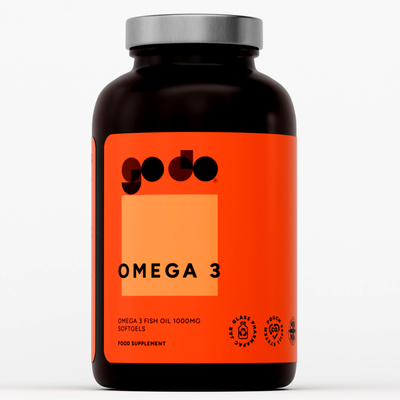
Fitness Health Omega 3 Fish Oil 1000mg Softgels provide marine-derived EPA and DHA. The product is made in the UK, contains fish oil, and is suggested as one capsule daily with a meal. Always read the label carefully, especially because this formula contains vitamins A and D as well as fish.

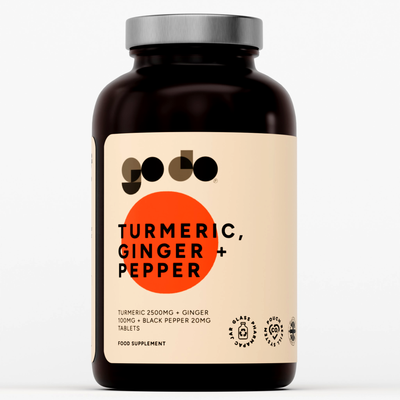
Curcumin supplements may offer a more concentrated amount than culinary turmeric. Some studies have found benefits for knee osteoarthritis pain and exercise-related soreness, but results vary between products and formulations. Absorption also differs, so check the ingredient and dosage details rather than assuming every turmeric capsule is equivalent.
Supplements should complement a nourishing diet, not compensate for one that lacks variety.
Safety notes before changing your routine
A healthy eating pattern is suitable for many people, but supplements require more care.
- Speak with a doctor or pharmacist before using fish oil if you take anticoagulants, have a bleeding disorder or are preparing for surgery.
- Fitness Health Omega 3 Fish Oil contains fish and gelatin, so it is not suitable for vegans or vegetarians and may not be suitable for anyone with a fish allergy.
- Because the product contains vitamins A and D, avoid stacking it with other high-dose vitamin A or vitamin D products without professional advice.
- Ask a healthcare professional before taking curcumin if you use blood-thinning or diabetes medication, have gallbladder or liver problems, or are pregnant or breastfeeding.
- Stop a supplement and seek advice if you experience unusual bruising, persistent digestive symptoms, an allergic reaction or other worrying effects.
- Food and supplements cannot replace prescribed treatment for rheumatoid arthritis, osteoarthritis, injury or persistent joint pain.
The NHS eating well guidance is a useful starting point for building a balanced diet. For questions about turmeric and musculoskeletal inflammation, the National Center for Complementary and Integrative Health also provides a sensible evidence-based overview.
A realistic way to make the plate work
Start with one repeatable change. Add berries to breakfast. Use olive oil on your salad. Keep frozen vegetables in the freezer. Swap one processed-meat lunch for beans, eggs, chicken or fish. Sprinkle ground flaxseed into yoghurt or oats.
Then build from there.
The anti-inflammatory plate is not about eating perfectly or never enjoying a takeaway. It is about giving your body more of the foods that support normal recovery, healthy joints and long-term wellbeing. A few consistent upgrades can be much more useful than an extreme plan that lasts for five days.
If you want convenient support alongside your food routine, explore Fitness Health’s Joint Health collection, made with affordable, practical supplement options and fast worldwide shipping.

Recommended
- Explore the Fitness Health Joint Health collection.
- Browse the Heart Health collection for everyday cardiovascular support.
- Visit the Strength & Fitness collection for training-focused nutrition.
- For antioxidant-focused options, see the Antioxidants collection.
- If omega-3 is missing from your routine, view Omega 3 Fish Oil 1000mg Softgels.