Muscle maintenance is not only a goal for bodybuilders or competitive athletes. It supports strength, mobility, balance, metabolism, and everyday confidence. The National Institute on Aging explains that strength training can help older adults preserve physical function, but the same principles apply at every age: challenge your muscles, fuel them well, and give your body time to recover.
Table of Contents
- Why muscle maintenance is a year-round job
- Train for strength, not just sweat
- Eat enough protein and energy
- Use supplements as support, not shortcuts
- Make recovery part of the plan
- Protect muscle during dieting, travel, and illness
- Safety warnings and contraindications
- A simple year-round rhythm
- Support your muscle goals with Fitness Health
- Recommended
Why muscle maintenance is a year-round job
Muscle responds to regular use. When resistance training stops, protein intake falls, or a calorie deficit becomes too aggressive, the body has less reason to keep its existing muscle tissue.
This does not mean you lose all your progress after one missed workout. I have had busy weeks where training slipped, meals became less organised, and energy dropped. The real difference came from returning to the basics quickly rather than trying to “make up” for everything with punishing workouts.
A systematic review and network meta-analysis of resistance training and nutrition found that combining both can improve muscle strength, physical performance, and measures of muscle mass, particularly in older adults with low muscle mass. You can read the full research in this peer-reviewed review hosted by PubMed Central.
Evidence-based benefits of maintaining muscle include:
- Better strength for lifting, climbing stairs, and daily movement
- Improved balance and physical function
- Greater resilience during periods of reduced activity
- Support for healthy body composition
- More independence and confidence as you age
The goal is not to train at maximum intensity every week. It is to create habits that continue through winter, holidays, travel, busy work periods, and changing fitness goals.
Train for strength, not just sweat
Cardio is valuable for heart health and fitness, but resistance training provides the clearest signal for your body to preserve muscle. You can use barbells, dumbbells, machines, resistance bands, or your own body weight.
For most healthy adults, training each major muscle group at least twice weekly is a practical starting point. Full-body sessions work well because they are efficient and easier to maintain when life gets busy.
Focus on movement patterns such as:
- Squats or sit-to-stands
- Hip hinges, deadlifts, or glute bridges
- Rows and pulldowns
- Push-ups, chest presses, or shoulder presses
- Lunges and step-ups
- Loaded carries and simple core exercises
Choose a resistance that makes the final few repetitions challenging while allowing you to maintain good form. You do not need to reach failure on every set. Leaving one or two controlled repetitions in reserve can help you train consistently without excessive fatigue.
Progress gradually by adding a little weight, completing an extra repetition, improving your range of motion, or controlling the movement more carefully. The best training programme for maintaining muscle is usually the one you can repeat week after week.
For more ideas on exercise programming, explore Fitness Health’s Strength & Fitness collection, which is designed around training performance, energy, and recovery.
Eat enough protein and energy
Protein provides the amino acids your body uses to repair and build muscle tissue. A useful daily target for many active adults is around 1.4–2.0 grams of protein per kilogram of body weight, although your ideal intake depends on age, training volume, body size, health, and goals.
If you are older, dieting, recovering from illness, or struggling to maintain muscle, speak with a qualified healthcare professional or registered dietitian about an appropriate target. More protein is not automatically better for everyone.
Try spreading protein across three or four meals instead of eating most of it at dinner. A balanced meal could include:
- Eggs, yoghurt, cottage cheese, poultry, fish, or lean meat
- Tofu, tempeh, beans, lentils, or other plant proteins
- Whole grains, potatoes, rice, or other carbohydrate sources
- Colourful fruit and vegetables
- Healthy fats such as olive oil, avocado, nuts, or seeds
Carbohydrates deserve a place here too. They help provide training energy, which makes it easier to lift with focus and maintain performance. If you consistently under-eat, your workouts may suffer and your body may have a harder time preserving lean tissue.

Hydration also matters. Even mild dehydration can make training feel harder. Keep water available throughout the day and pay extra attention during hot weather, long workouts, or endurance sessions.
Use supplements as support, not shortcuts
Supplements can make a sensible nutrition routine more convenient, but they cannot replace progressive training, adequate food, or sleep.
Creatine monohydrate is one of the most researched performance supplements and is often used alongside resistance training. It may be useful for people who want additional support for strength and repeated high-intensity exercise. However, check the serving size carefully, follow the product directions, and discuss it with a healthcare professional if you have a medical condition or take regular medication.
You can view the Fitness Health Creatine Monohydrate product or browse the wider Strength & Fitness range.

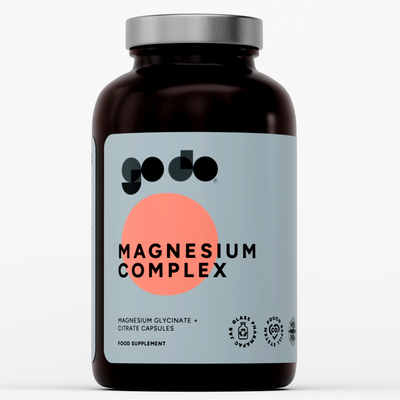
Magnesium is another popular choice among active people, particularly those who want to support normal muscle function and relaxation. It is not a muscle-building shortcut, and supplementation is most useful when dietary intake is low or a professional has identified a need.
Fitness Health offers a Magnesium Complex with glycinate and citrate. Always check the label and avoid combining multiple products that contain overlapping amounts of the same nutrient.
Make recovery part of the plan
Muscle does not adapt only while you are lifting. Training creates a stimulus, while recovery gives your body the opportunity to repair and adapt.
Aim for at least one easier day between demanding sessions that target the same muscle groups. You can still walk, stretch gently, cycle at an easy pace, or complete mobility work on rest days.
Sleep is equally important. A consistent bedtime, a cool and dark room, and a short wind-down routine can make recovery easier. If your sleep has been poor for several nights, reduce training volume rather than forcing a hard session simply because it is written in your plan.
Planned lighter weeks can also help. Every few months, reduce the number of sets or use slightly lighter loads. This can keep you training throughout the year and may reduce the risk of persistent soreness or burnout.
Protect muscle during dieting, travel, and illness
Muscle loss is more likely when several stressors happen at once. Aggressive dieting, poor sleep, high training volume, and low protein can create a difficult environment for maintaining lean mass.
During weight loss, keep resistance training in your routine and avoid cutting calories so sharply that your workouts collapse. Prioritise protein at each meal and monitor your energy, mood, strength, and recovery.
Travel does not need to mean complete inactivity. Two short full-body sessions each week can be enough to maintain a useful training signal. Try bodyweight squats, split squats, incline push-ups, band rows, hip bridges, and planks.
During acute illness, recovery comes first. Do not train through fever, chest symptoms, significant fatigue, or symptoms that are worsening. Once you feel better, restart with shorter sessions and lower resistance. If illness, hospitalisation, or inactivity has caused noticeable weakness, ask a healthcare professional or physiotherapist for guidance.
Safety warnings and contraindications
Strength training and supplements are not one-size-fits-all. Before starting a new programme, seek medical advice if you have cardiovascular disease, uncontrolled blood pressure, a significant injury, osteoporosis, kidney disease, or another chronic condition.
Take extra care with supplements if you:
- Are pregnant or breastfeeding
- Take blood thinners, blood pressure medication, or medication for diabetes
- Have kidney or liver disease
- Have a diagnosed nutrient deficiency or absorption disorder
- Are considering high-dose vitamins or minerals
- Have a history of disordered eating
Stop exercising and seek medical advice for chest pain, fainting, unusual breathlessness, severe dizziness, or sharp pain. Supplements should be used according to the label, not combined casually because several products appear to support the same goal.
A simple year-round rhythm
A sustainable muscle-maintenance routine could look like this:
- Complete two or three resistance sessions each week
- Train all major movement patterns over the week
- Eat a meaningful protein source at each meal
- Include enough carbohydrates to support training
- Sleep consistently and schedule easier days
- Reduce training volume during stressful periods
- Keep a minimum routine for travel and busy weeks
- Review supplements based on your needs rather than trends
Some weeks will feel strong. Others will be about maintaining momentum. That still counts. Muscle protection is built through ordinary actions repeated across the year, not a single perfect training block.
Support your muscle goals with Fitness Health

Fitness Health offers affordable, UK-made supplements for active lifestyles, including products for strength and fitness, vitamins and minerals, and recovery-focused nutrition. Explore the range to find convenient support for your training, daily nutrition, and year-round wellness routine.
Recommended
- Strength & Fitness category
- Volume vs. Intensity: What Actually Drives Muscle
- Reps in Reserve: The One Number That Changes Everything
- Rest Days Are Training Days
- Vitamins & Minerals category
Meta description: How to Protect and Maintain Muscle Mass Year-Round with practical training, protein, supplement, and recovery strategies to help prevent muscle loss.
Disclaimer: This article is for general educational purposes and does not constitute medical advice. Speak with a qualified healthcare professional before changing your exercise, diet, or supplement routine, particularly if you have an existing health condition or take medication.