If your hips feel stiff after sitting, your shoulders complain during pressing, or your ankles limit your squat depth, you probably do not need a complicated programme. You may simply need a few minutes of consistent movement. This 10-minute mobility routine uses controlled drills for the joints you rely on most. It can fit before a workout, after a long day at your desk, or alongside your regular training. As the CDC explains, regular physical activity supports overall health, while a sensible warm-up helps prepare your body for movement.
Table of contents
- Why mobility matters for training
- Mobility vs flexibility
- Your 10-minute mobility routine
- When and how often to do mobility work
- How to progress without forcing range
- Safety warnings and contraindications
- Support your training with Fitness Health
- Recommended reading
Why mobility matters for training
Mobility is not about being able to fold yourself into impressive shapes. It is about having enough usable range of motion to perform everyday movements and training exercises with control.
Good hip mobility can make squats, lunges and running feel smoother. Shoulder and upper-back mobility can support overhead pressing, pulling and throwing. Ankle mobility matters for squatting, landing, walking and changing direction.
There is also a performance benefit. A 2024 review in the Journal of Sports Sciences found that mobility methods such as dynamic stretching, yoga and Pilates can improve relevant performance qualities when used sensibly. The key is choosing movements that match what you are about to do.
Mobility work may also support injury-risk reduction as part of a wider programme. For example, the FIFA 11+ warm-up programme, which includes running, dynamic movement, strength and balance work, was associated with fewer injuries in football players in research published in the British Journal of Sports Medicine. No warm-up can guarantee that you will avoid injury, but preparing gradually is a sensible habit.
Mobility vs flexibility
The terms are often used interchangeably, but they are not quite the same.
Flexibility usually describes how far a muscle or group of muscles can lengthen. A passive hamstring stretch is a flexibility exercise. You relax into a position and allow an external force, such as gravity or your hands, to take you further.
Mobility is your ability to actively control a joint through its available range. A 90/90 hip switch, for example, asks you to rotate your hips under your own control. You need flexibility to access the position, but you also need strength, coordination and body awareness to move through it.
Most people benefit from both. Static stretching can be useful after training or in a separate session, while dynamic mobility exercises are often a better choice before lifting, running or sport.
Your 10-minute mobility routine
Move slowly and breathe normally. You should feel gentle effort, mild tension or a useful stretch. You should not feel sharp pain, pinching or a need to force the movement.
90/90 hip switches: 90 seconds
Sit with one leg in front of you and the other behind you, both knees bent. Keep your chest relaxed and slowly rotate from one side to the other, allowing both knees to move together.
Aim for six to eight controlled repetitions per side. Use your hands behind you if you need extra support. This is one of the most useful mobility training exercises for hip internal and external rotation, which can help you feel more comfortable in squats, lunges and seated positions.
Try not to rush. The goal is not to get your knees closer to the floor. The goal is to move your hips smoothly through the range you currently have.
Half-kneeling hip flexor stretch: 60 seconds
Kneel with one knee on the floor and place the other foot in front of you. Gently tuck your pelvis, lightly squeeze the glute on the kneeling side, and shift your body forward a few centimetres.
Hold for about 30 seconds per side. You should feel the front of the hip and possibly the thigh of the kneeling leg. Keep your ribs stacked over your hips rather than arching your lower back.
This drill is especially useful if you sit for long periods. It encourages hip extension, the position your body needs when walking, running and standing tall.
Cat-cow: 60 seconds
Start on your hands and knees with your hands beneath your shoulders and your knees beneath your hips. Slowly round your spine as you exhale, then move into a gentle extension as you inhale.
Continue for six to eight slow cycles. Think of moving one section of your spine at a time rather than throwing your head back or dropping your stomach quickly.
Cat-cow gently warms the spine and helps you connect your breathing with movement. It is a simple way to prepare for the thoracic rotations and shoulder work that follow.

Quadruped thoracic rotations: 90 seconds
From the same hands-and-knees position, place one hand behind your head. Rotate your elbow towards the floor, then slowly open it towards the ceiling. Follow the movement with your eyes, but keep your hips as still as you can.
Perform six repetitions per side. This is one of the most effective mobility exercises for hips and shoulders because it also brings the middle and upper back into the conversation. Better thoracic rotation can make shoulder movement feel less restricted, particularly during pressing, rowing and overhead work.
Keep the movement comfortable. You are rotating through the upper back, not forcing your lower back to twist.
Wall slides: 60 seconds
Stand with your back against a wall. Keep your ribs gently down and place your arms against the wall in a goalpost position if that feels comfortable. Slowly slide your arms upwards, then return them to the starting position.
Complete six to eight repetitions. If your hands or elbows cannot stay against the wall, move them slightly forward. That is completely fine. The exercise should encourage better shoulder-blade movement without creating a painful pinch.
Wall slides train the shoulders to move overhead while your upper back and ribcage stay controlled. They are a useful addition to warm-ups for pressing, pull-ups and other upper-body training.
Band shoulder pass-throughs: 60 seconds
Hold a light resistance band with a wide grip. Keeping your arms straight, move the band slowly from in front of your body, over your head, and behind you. Then reverse the movement.
Start with eight easy repetitions. Widen your grip if the band feels tight, and never force the band behind your body. This drill works through shoulder flexion and extension while asking you to control the movement.
Despite the common nickname “shoulder dislocates”, nothing should be forced or painful. A light band and a wide grip are more than enough for most people.
Ankle rocks: 90 seconds
Move into a half-kneeling position with one foot in front. Keep the front heel firmly on the floor and gently drive the knee forward over the second or third toe. Move back and repeat for 10 to 12 repetitions, then change sides.
This is a straightforward way to work on ankle dorsiflexion. It can help you explore the range needed for a deeper squat, more comfortable lunges and better control during landing.
Keep the foot planted rather than allowing the arch to collapse. Your knee can travel over your toes as long as the movement is controlled and comfortable.
Deep squat hold: 90 seconds
Stand with your feet around shoulder-width apart, or slightly wider if that feels better. Lower into a comfortable squat and hold the position for up to 30 seconds. Repeat twice, using a support such as a door frame or sturdy post if needed.
Let your elbows gently encourage your knees out, but do not force them. If your heels lift, place them on a thin book or weight plate while you build ankle mobility.
The deep squat hold brings your hips, ankles and upper back together. It is less about sinking as low as possible and more about finding a position where you can breathe and stay relaxed.

When and how often to do mobility work
Use the dynamic version of this routine before training. Ideally, complete a few minutes of general movement first, such as brisk walking, cycling or easy bodyweight squats. You should feel warmer by the time you begin the routine.
Before strength, running or sport, keep movements active and controlled. Avoid turning the routine into a long passive stretching session immediately before explosive efforts. Longer static stretches are usually better after training or in a separate mobility session.
For most people, two to four sessions per week is a realistic starting point. You can also use selected exercises daily if you spend a lot of time sitting. Consistency matters more than trying to complete a demanding hour-long session once a month.
How to progress without forcing range
Start by improving control. Move more slowly, breathe more comfortably and reduce the amount of support you use. Once that feels easy, you can gradually add repetitions or spend a little longer in a comfortable position.
You can also add light resistance. For example, hold a small weight during a squat, use a slightly firmer band for wall slides, or perform ankle rocks with the front foot raised on a low platform. Only change one variable at a time.
A useful sign of progress is not just reaching further. It may be squatting with better balance, lifting your arms overhead without arching your back, or feeling less stiff when you stand up after sitting.
Mobility work should also sit alongside strength training. Strong muscles help you control the range you gain. If you want to build a balanced training routine, the Fitness Health Strength & Fitness collection is a useful place to explore training-support products.
Safety warnings and contraindications
Mobility exercises should feel controlled and manageable. Stop if you experience sharp pain, numbness, tingling, unusual weakness, dizziness or a feeling that a joint may give way.
Avoid forcing a joint into its end range. Gentle pressure is different from pain. Do not bounce aggressively in a stretch, especially if you are cold or returning from an injury.
Speak with a qualified healthcare professional before starting if you have had recent surgery, a significant joint injury, a diagnosed inflammatory condition, recurring dislocations or unexplained pain. If one side is suddenly much weaker or more restricted than the other, seek individual assessment rather than trying to correct it with more stretching.
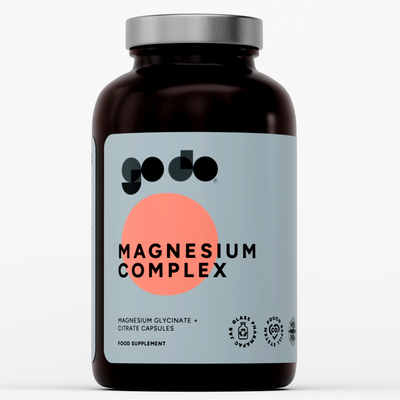
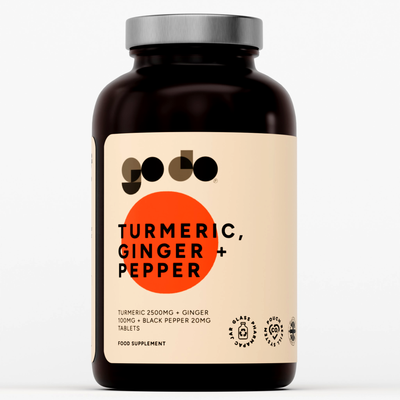
Supplements cannot replace assessment, good programming, sleep or adequate nutrition. If you are looking at general recovery support, Fitness Health’s Joint Health collection includes options such as omega-3, vitamin D and turmeric products. Magnesium is also involved in normal muscle function, and you can explore the Magnesium Complex as part of a broader nutrition routine. Always follow the product label and check with a pharmacist or doctor if you take medication or have a medical condition.
Support your training with Fitness Health

Small habits tend to win. Ten minutes of thoughtful movement, repeated regularly, can be more useful than chasing an advanced routine you never do.
Fitness Health makes affordable, UK-made supplements for people who want practical support for training and everyday wellbeing. Explore our Strength & Fitness range, browse Vitamins & Minerals, or find targeted options in Joint Health. Pair them with regular movement, enough protein, good sleep and a training plan that gives your body time to adapt.
Recommended reading
If you enjoyed this guide, you may also like:
- The Anti-Inflammatory Plate: Food Choices That Support Joint and Recovery Health
- How to Choose the Best Training Load for Recovery
- Muscle Gain 101: Protein, Training, and the Supplements That Actually Help
- How to Protect and Maintain Muscle Mass Year-Round
Meta description: The Simple 10-Minute Mobility Routine for Tight Hips, Shoulders and Ankles: try practical mobility training exercises for better movement, warm-ups and training comfort.