Achieving high-quality sleep is foundational to physical recovery, cognitive function, and hormonal balance. While many individuals turn to botanical solutions to manage insomnia or sleep latency, the efficacy of these interventions often depends on correct application rather than just the choice of herb. According to the National Institutes of Health (NIH), while many herbal supplements for sleep show promise in clinical settings, their effectiveness is frequently undermined by common user errors ranging from improper timing to low-potency formulations.
Table of Contents
- Mistake 1: Treating Herbal Aids Like Pharmaceutical Sedatives
- Mistake 2: Inconsistent Dosing and Timing
- Mistake 3: Overlooking Potential Drug Interactions
- Mistake 4: Relying on Low-Quality or "Proprietary" Blends
- Mistake 5: Expecting Instant Results from Adaptogens
- Mistake 6: Ignoring the Synergy of Magnesium and Micronutrients
- Mistake 7: Failing to Optimize Sleep Hygiene Simultaneously
- Step-by-Step Framework for Supplement Success
- Real-World View: Science vs. Hype
- Frequently Asked Questions
Key Takeaways
| Mistake | Correction | Scientific Rationale |
|---|---|---|
| Instant Expectation | Allow 2–4 weeks | Adaptogens like Ashwagandha require cumulative dosing. |
| Late Timing | Take 30–60 mins prior | Pharmacokinetics require time for intestinal absorption. |
| Low Quality | Buy standardized extracts | Standardized levels of active compounds ensure efficacy. |
| Ignored Hygiene | Fix light/temp first | Supplements cannot override high cortisol from blue light. |
1. Treating Herbal Aids Like Pharmaceutical Sedatives
One of the most frequent errors when people buy herbal supplements online is expecting them to act with the immediate, "lights-out" intensity of pharmaceutical sedatives. Most herbal remedies work by modulating neurotransmitters like GABA or lowering systemic cortisol rather than forcing the central nervous system into a dormant state.
For instance, Valerian root works by inhibiting the breakdown of GABA in the brain. However, as noted in a meta-analysis published in PubMed, its effects are often subtle and build over time.
"Herbal medicines for insomnia should be viewed as support for the body's natural sleep architecture rather than a switch to turn it off." , Journal of Clinical Sleep Medicine.

2. Inconsistent Dosing and Timing
Timing is critical. Taking a sleep supplement the moment you lie down is often too late. Most botanicals require 30 to 90 minutes to reach peak plasma concentration.
Comparison of Herbal Absorption Times
| Herb | Recommended Dose | Ideal Timing Before Bed | Primary Mechanism |
|---|---|---|---|
| Valerian Root | 300–600mg | 60 Minutes | GABA modulation |
| Chamomile | 400–1600mg | 45 Minutes | Apigenin binding |
| Lemon Balm | 300–600mg | 30 Minutes | Anxiolytic / GABA-T inhibition |
| Passionflower | 250–500mg | 60 Minutes | Calming nervous system |
Pro Tip: Maintain a "supplement window." Set an alarm for one hour before bed to take your herbal aids, ensuring they are active by the time your head hits the pillow.
3. Overlooking Potential Drug Interactions
The "natural is always safe" myth can be dangerous. Many [herbal supplements for sleep](https://fitnesshealth.co/collections/stress) can interact with prescription medications. Valerian and Lemon Balm, for example, can potentiate the effects of alcohol or benzodiazepines, leading to excessive daytime drowsiness or respiratory depression in extreme cases.
Always consult the Cochrane Library or your GP if you are currently taking:
- Antidepressants (SSRIs)
- Blood thinners (Warfarin)
- Sedatives or anti-anxiety medications
4. Relying on Low-Quality or "Proprietary" Blends
When you buy herbal supplements online, transparency is key. Many manufacturers use "proprietary blends" to hide low concentrations of expensive active ingredients like Ashwagandha or Saffron.
Look for standardized extracts. This ensures that the capsule contains a specific, verified percentage of the active compound (e.g., "5% Withanolides" for Ashwagandha). Without standardization, you might be consuming mostly inert plant fiber.

5. Expecting Instant Results from Adaptogens
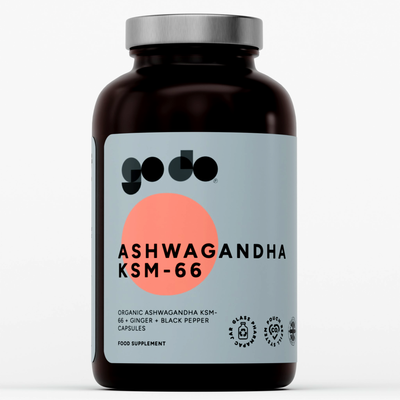
Adaptogens like **Ashwagandha** are increasingly popular for sleep because they lower cortisol, the "stress hormone" that keeps you awake. However, Ashwagandha is not a sedative; it is a metabolic balancer. Studies indicate that it can take up to 8 weeks of consistent daily use to see significant improvements in sleep latency and quality.
Pro Tip: If using adaptogens for sleep, take them twice daily, once in the morning and once in the evening, to maintain stable cortisol levels throughout the day.
6. Ignoring the Synergy of Magnesium and Micronutrients
Botanicals often work best when the body has the necessary mineral precursors to utilize them. Magnesium is a vital cofactor in over 300 enzymatic reactions, including the regulation of the nervous system.
| Nutrient | Role in Sleep | Best Pairings |
|---|---|---|
| Magnesium | Relaxes muscles & regulates GABA | Zinc, Vitamin B6 |
| Vitamin B6 | Aids production of Serotonin/Melatonin | Magnesium, Valerian |
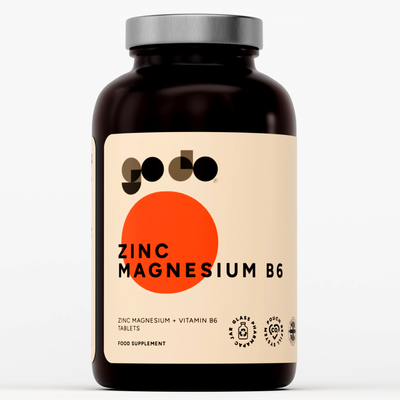
| Zinc | Modulates sleep duration | Magnesium (ZMA) |
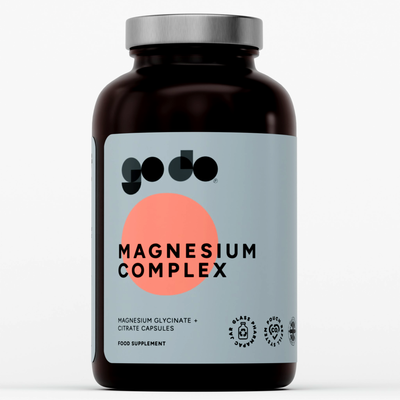
At Fitness Health, we recommend a Magnesium Complex alongside herbal protocols to ensure the biological "soil" is ready for the botanical "seeds."
7. Failing to Optimize Sleep Hygiene Simultaneously
No supplement can fully overcome a 2:00 AM scrolling habit or a bedroom that is too warm. Herbal aids are meant to be the *final 10%* of your sleep strategy, not the foundation.

Step-by-Step Framework for Supplement Success
- Identify the Root Cause: Is your issue falling asleep (anxiety) or staying asleep (blood sugar/stress)?
- Select Single Ingredients First: Start with one herb (e.g., Valerian) to see how your body reacts before trying complex blends.
- Standardize Your Dose: Use products with clear active-compound percentages.
- Consistency is King: Take the supplement at the same time every night for at least 14 days.
- Audit Your Environment: Dim lights 2 hours before bed and keep the room temperature around 18°C (65°F).
Real-World View: Science vs. Hype
**The Hype:** "This herbal tea will knock you out in 5 minutes." **The Reality:** Herbal teas and capsules are gentle modulators. While they significantly improve "Sleep Efficiency" (the percentage of time spent asleep while in bed), they rarely act as an immediate sedative. The real power of herbal supplements for sleep lies in their ability to reduce the *anxiety* associated with not sleeping, which in turn allows the body's natural sleep drive to take over.
Optimize Your Rest with Fitness Health
At Fitness Health, we specialize in high-quality, UK-made formulations that bridge the gap between affordability and clinical efficacy. Our supplements use eco-conscious packaging and standardized extracts to ensure you get exactly what your body needs to recover.

Support your recovery with our premium Magnesium and Sleep support range.
Frequently Asked Questions
Q: Can I take herbal sleep aids every night?
A: Most herbs like Chamomile and Passionflower are safe for long-term use. However, it is often recommended to "cycle" potent roots like Valerian (e.g., 3 weeks on, 1 week off) to prevent tolerance.
Q: Will these supplements make me groggy in the morning?
A: Unlike pharmaceutical aids, herbal supplements usually have a shorter half-life. Groggy feelings are typically a result of taking too high a dose or taking the supplement too late in the night.
Q: Are these supplements vegan-friendly?
A: Yes, at Fitness Health, we prioritize vegan-friendly options and use eco-conscious paper packaging instead of plastic bottles.
Recommended Reading
- The Role of Magnesium in Stress Management
- Understanding Nootropics for Cognitive Health
- Essential Vitamins for Daily Wellness