If you train hard, work long hours, or simply wake up feeling like your brain never fully switched off, your evening meals may be worth a closer look. Food will not replace a consistent sleep routine, but it can support the processes your body relies on overnight. The NHS recommends avoiding large meals close to bedtime, while a light snack can be useful if hunger keeps you awake.
I used to think eating for sleep meant drinking warm milk and hoping for the best. In reality, it is more about your overall eating pattern, meal timing, caffeine intake, alcohol habits, and choosing foods that are easy to digest. Let’s look at what can genuinely help.
Table of Contents
- How food affects sleep and overnight recovery
- Sleep-supportive nutrients to know
- The best foods to eat before bed
- When to eat your evening meal
- Caffeine, alcohol and late-night eating
- Practical evening habits for better recovery
- Safety warnings and supplement considerations
- Support your routine with Fitness Health
- Recommended reading
How Food Affects Sleep and Overnight Recovery
Sleep is when your body gets busy with repair, memory processing, immune activity and nervous system recovery. Nutrition supports these jobs by supplying energy, amino acids, minerals and fluids.
Your evening meal can also affect how comfortable you feel in bed. A very large, greasy or spicy meal may leave you bloated or cause reflux. Eating too little, on the other hand, can leave you distracted by hunger. Neither is ideal when you are hoping for deep, uninterrupted sleep.
There is also a connection between food and your body clock. Your sleep-wake rhythm is influenced mainly by light, but meal timing may also provide useful signals to your body. A regular eating pattern, followed by a lighter evening meal, can be easier on digestion than eating very little all day and having a huge dinner at 9:30 pm.
For anyone focused on fitness, this matters because recovery is not only about protein shakes and training plans. A good night’s sleep helps you feel more prepared for your next session and may make it easier to stick to healthy habits.
Sleep-Supportive Nutrients to Know

Magnesium
Magnesium contributes to normal muscle and nervous system function. It is found in leafy greens, beans, lentils, whole grains, nuts, seeds and dark chocolate.
Magnesium is often discussed as one of the best minerals for sleep, but the evidence is not as simple as supplement marketing can make it sound. The NIH Office of Dietary Supplements explains that research linking magnesium with better sleep is mixed. People who are not getting enough may benefit from correcting an inadequate intake, but more magnesium is not automatically better.
A food-first approach is a sensible place to begin. Add pumpkin seeds to porridge, use almonds as a snack, or include spinach and beans with dinner.
Tryptophan
Tryptophan is an essential amino acid used by the body to make serotonin and melatonin. Both are involved in mood and sleep regulation.
Foods containing tryptophan include eggs, chicken, turkey, fish, dairy products, tofu, soybeans, oats, pumpkin seeds and nuts. Tryptophan does not work like a sleeping tablet, though. The amount you eat, what you eat with it, and your wider diet all matter.
Pairing a moderate portion of protein with a carbohydrate source may help tryptophan become more available to the brain. Think tofu with rice, yogurt with oats, or eggs with whole-grain toast. The effect is likely to be gentle rather than dramatic.
Melatonin-rich foods
Melatonin is a hormone that helps regulate the sleep-wake cycle. Some foods contain small amounts of naturally occurring melatonin, including tart cherries, pistachios, walnuts, tomatoes, grapes, oats and milk.
Tart cherries have received some attention in sleep research, but food-based melatonin is present in much smaller quantities than melatonin supplements. That makes these foods a helpful part of a balanced evening routine, not a guaranteed cure for insomnia.
Carbohydrates and healthy fats
Carbohydrates are not the enemy of sleep. A balanced portion of rice, potatoes, oats, fruit or whole-grain bread can make an evening meal satisfying and may complement tryptophan-containing foods.
Healthy fats from olive oil, nuts, seeds and oily fish are valuable for overall health. However, a very high-fat meal immediately before bed may feel heavy and uncomfortable. Portion size and timing are more important than banning particular foods.
The Best Foods to Eat Before Bed
There is no single “best dinner for sleep”. The right choice depends on your appetite, training schedule and digestion. Still, some combinations are practical and evidence-informed.
A few good options include:
- Oats with milk or yogurt, sliced banana, pumpkin seeds and a few tart cherries.
- Tofu or salmon with rice, cooked vegetables and a small amount of olive oil.
- Whole-grain toast with eggs and avocado.
- Greek yogurt with berries, oats and walnuts.
- A small bowl of lentil soup with whole-grain bread.
- Cottage cheese with fruit, if dairy works well for you.
- A banana with a small handful of almonds when you need something light.
These meals provide a mix of protein, carbohydrate, fibre and minerals without needing to be complicated. They also support overnight muscle recovery by providing protein that your body can use during the night.
If you are hungry shortly before bed, keep the snack small. A large meal is more likely to interfere with digestion. You do not need to force down food if you are comfortable, either. Eating for sleep should feel supportive, not like another task to complete perfectly.
When to Eat Your Evening Meal

For many people, finishing dinner around two to three hours before bed is a comfortable target. This gives your body time to digest and reduces the chance of going to bed feeling overly full.
The NHS advises avoiding large meals close to bedtime, while a light snack may be fine if you are hungry. That could mean eating dinner at 7:00 pm if you sleep at 10:00 pm, then having a small yogurt or piece of fruit later if needed.
Training late can make timing more difficult. If you finish exercise close to bedtime, do not skip food simply because the clock says it is late. A smaller recovery meal with protein and carbohydrate may be more practical than a large dinner. A protein-rich smoothie, yogurt with oats, or tofu and rice in a modest portion can work well.
Your personal response matters, too. Some people sleep better with a small snack. Others experience reflux or restlessness after eating late. Use your own digestion and sleep quality as feedback.
Caffeine, Alcohol and Late-night Eating
Caffeine can remain active in your system for several hours. Coffee is the obvious source, but caffeine is also found in tea, energy drinks, cola, pre-workout products, chocolate and some supplements.
The NHS recommends avoiding caffeine for at least four to six hours before bed. If you are sensitive to it, your personal cut-off may need to be earlier. Switching to decaffeinated tea or a caffeine-free drink from mid-afternoon can be a simple experiment.
Alcohol can make you feel sleepy at first, but it often leads to lighter, more fragmented sleep later in the night. You may wake more frequently, feel thirsty, or lose some of the restorative quality of your sleep. The NHS explains that alcohol can disrupt sleep even when it helps you fall asleep.
It is also worth limiting very sugary, spicy or greasy foods late at night if they cause discomfort. The occasional takeaway will not ruin your recovery, but regular heavy meals just before bed may make good sleep harder.
Practical Evening Habits for Better Recovery

Nutrition works best when it sits inside a consistent routine. A few low-pressure habits can help:
- Keep your evening meal reasonably consistent when possible.
- Drink enough during the day, but avoid large amounts of fluid immediately before bed.
- Include protein at dinner, especially after an evening workout.
- Choose slow-digesting carbohydrates if you find that they help you feel satisfied.
- Keep a simple snack available so hunger does not lead to random late-night eating.
- Stop caffeine by mid-afternoon and review pre-workout ingredients.
- Avoid using alcohol as a sleep aid.
- Give yourself time to wind down after eating.
- Keep your bedroom cool, dark and quiet.
- Look at your whole week rather than judging one imperfect night.
A short walk after dinner can also feel good, particularly after a sedentary day. It may support digestion and gives you a useful transition between work and bedtime.
Safety Warnings and Supplement Considerations
Food-based sleep support is generally safe for healthy adults, but supplements need more care.
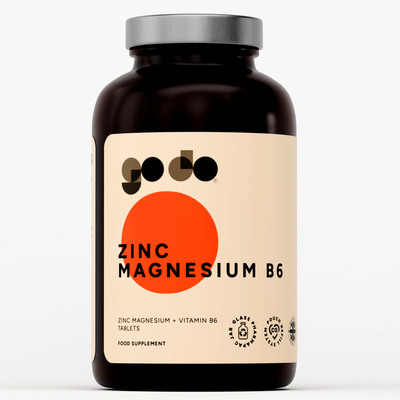
Fitness Health’s Zinc Magnesium & Vitamin B6 Tablets provide magnesium, zinc and vitamin B6 in a one-tablet formula. The product page lists 250 mg of magnesium citrate, 20 mg of zinc citrate and 1.8 mg of vitamin B6 per tablet. It is designed to complement a balanced lifestyle, not diagnose or treat sleep disorders.
Keep these points in mind:
- Speak with a healthcare professional before taking magnesium if you have kidney disease or reduced kidney function.
- Magnesium supplements can cause diarrhoea, nausea or stomach cramping in some people.
- Magnesium and zinc can interact with certain medicines, including some antibiotics and thyroid medication. Ask a pharmacist about spacing doses.
- Avoid combining several mineral products without checking the total intake.
- Take extra care during pregnancy or breastfeeding and seek individual medical advice.
- High-dose or long-term vitamin B6 supplementation can be harmful, so avoid stacking multiple B6 products.
- Persistent insomnia, loud snoring, breathing pauses, severe daytime sleepiness or restless legs should be discussed with a healthcare professional.
The NIH magnesium guidance is a useful reference for food sources, supplement limits and possible interactions.
Support Your Routine with Fitness Health
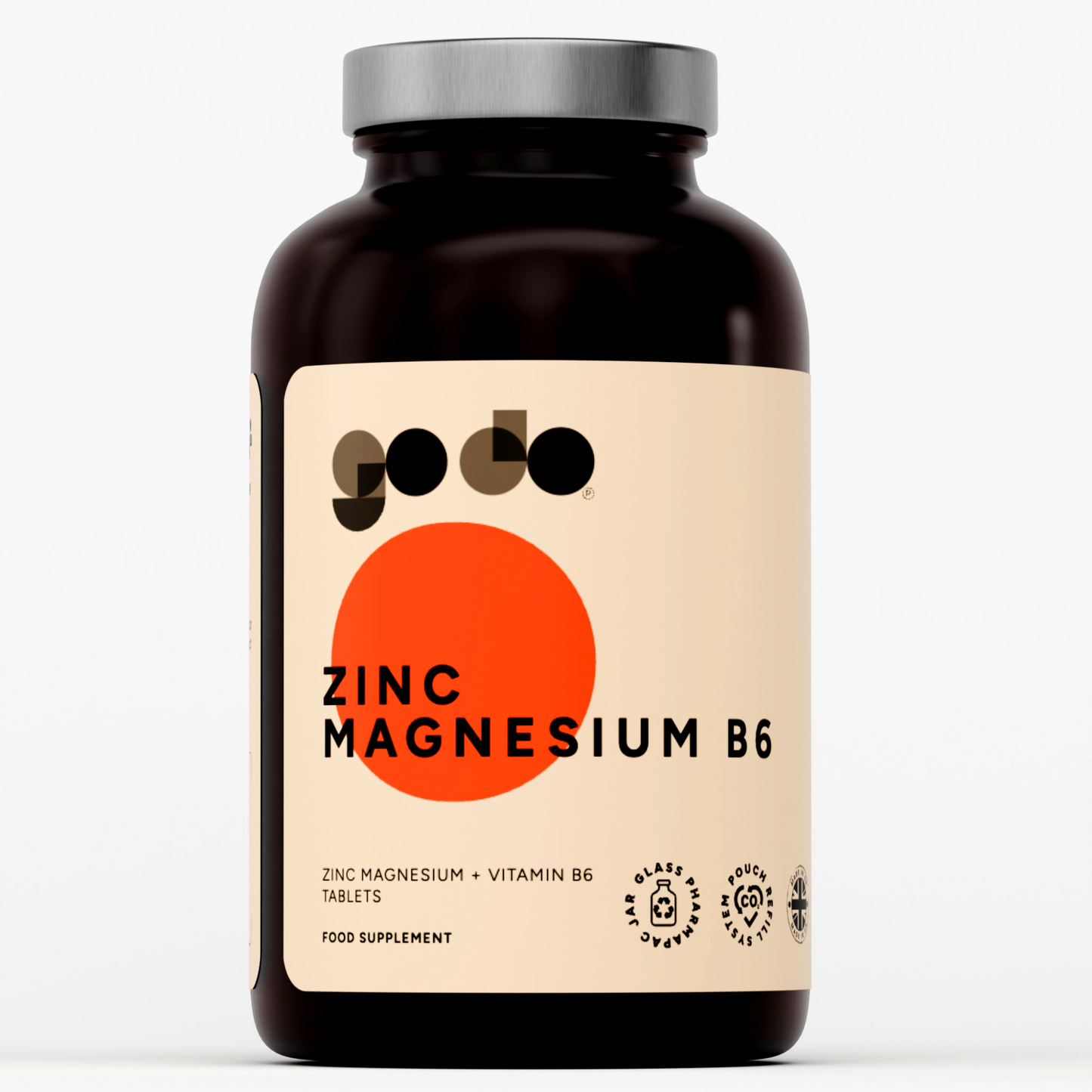
Better sleep does not need an extreme meal plan. Start with nourishing evening meals, sensible timing and fewer sleep disruptors. If you are looking for a convenient mineral formula to sit alongside that routine, explore the Fitness Health Zinc Magnesium & Vitamin B6 Tablets.
Fitness Health makes UK-produced, vegan-friendly supplements with practical formulations and eco-conscious packaging options. Always follow the product directions and check with a healthcare professional if you are unsure whether a supplement is right for you.
Recommended Reading
For more support with your nutrition and wellbeing routine, explore:
- Fitness Health Sleep Collection
- Fitness Health Vitamins & Minerals
- Fitness Health Strength & Fitness Collection
- Daily Vitamin Routine for Adults: Your 2026 Guide
- Herbal Supplement Benefits Guide for Better Health
Meta description: Eating for Sleep: The Meals and Timing That Improve Recovery Overnight : discover sleep-supportive foods, magnesium and tryptophan sources, evening meal timing, and practical habits for better overnight recovery.