You finish a busy day, get into bed, and suddenly your mind decides it has unfinished business. Your shoulders are tense, your thoughts are racing, and sleep feels further away than it did an hour ago. That is why so many people are looking at ashwagandha and magnesium for sleep. Before calling it a “magic” combination, though, it is worth checking what the evidence actually says. The National Center for Complementary and Integrative Health notes that ashwagandha may support stress and sleep in some people, but research is still developing and long-term safety is not fully known.
Why do people pair ashwagandha and magnesium?
Ashwagandha and magnesium are often grouped together because they may support different parts of the stress-and-sleep picture.
Ashwagandha, or Withania somnifera, is an adaptogenic herb. In simple terms, it is studied for its potential influence on how the body responds to stress. Some clinical trials have found improvements in perceived stress, cortisol levels and sleep quality after several weeks of consistent use.
Magnesium is an essential mineral involved in normal nerve and muscle function. It also contributes to energy metabolism and electrolyte balance. When magnesium intake is low, restoring an adequate intake may support muscle relaxation and sleep quality.
The appeal of the ashwagandha magnesium combination is therefore fairly practical. Ashwagandha may be more relevant to the stress-response side, while magnesium may support the physical relaxation and nervous-system side. They are complementary ideas, not identical ingredients doing the same job.
What each ingredient actually does
Ashwagandha: stress-response support
Ashwagandha is not a conventional sedative. Its research is more focused on stress regulation than on immediately making you sleepy.
Small randomised trials have used standardised extracts such as KSM-66 and Sensoril. KSM-66 is generally a root-only extract, while Sensoril is commonly made from root and leaf material. These preparations are not interchangeable because the extraction method, plant parts and withanolide content can differ.
Across several studies, standardised ashwagandha extracts have been associated with:
- Lower perceived stress scores.
- Lower cortisol measurements in some stressed adults.
- Improvements in sleep quality.
- Reduced sleep-onset difficulty in some people with insomnia symptoms.
- Better feelings of calm or general wellbeing.
A systematic review and meta-analysis published in PubMed found that some ashwagandha preparations may improve sleep, but the studies were small and used different products. That is important. A positive result for KSM-66 does not automatically prove that every ashwagandha tablet will have the same effect.

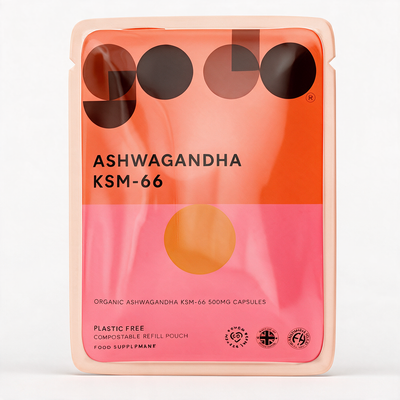
Fitness Health’s Organic Ashwagandha KSM-66 capsules are a convenient option for people specifically looking for a named extract. Always check the product label, serving size and extract information rather than comparing products by the headline milligram number alone.
Magnesium: nerve and muscle support
Magnesium has a more foundational role. It helps maintain normal muscle and nerve function, and it is involved in hundreds of biochemical reactions throughout the body.
The evidence for magnesium for sleep is not perfect, but it is promising in some groups, particularly older adults and people with lower magnesium intake. Some studies have reported improvements in sleep quality, sleep efficiency and the time it takes to fall asleep.
Magnesium glycinate is popular for evening use because it is usually gentle on the stomach. It is magnesium bound to glycine, an amino acid. However, direct head-to-head trials proving that glycinate is always better for sleep than citrate or other forms are limited.
The forms differ in practical ways:
- Magnesium glycinate: Often well tolerated and suitable for evening routines.
- Magnesium citrate: Generally well absorbed, but may loosen stools in some people.
- Magnesium oxide: Provides magnesium but is more likely to cause digestive upset and is often less well absorbed than some other forms.
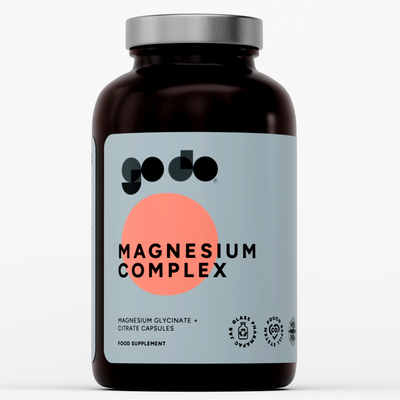
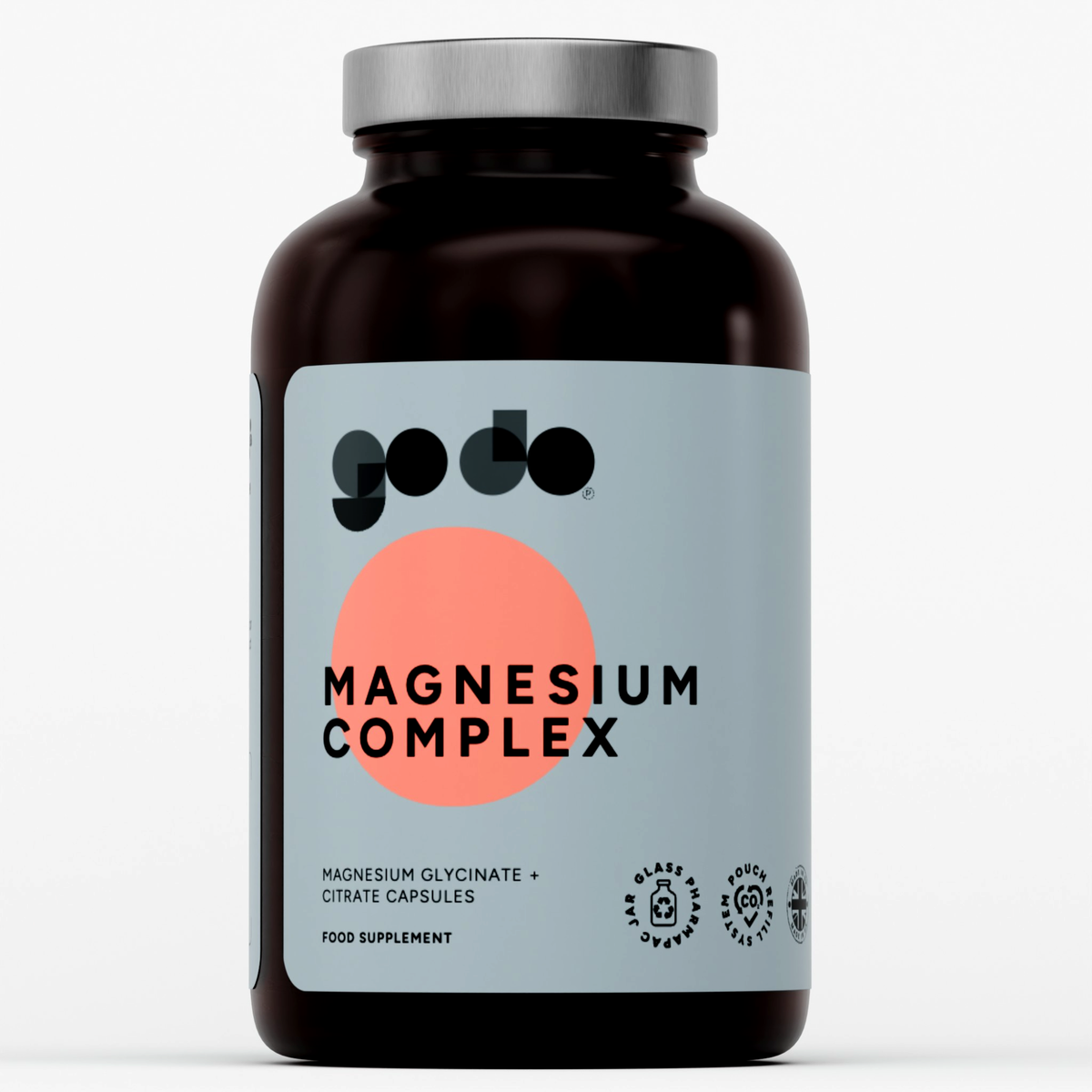
Fitness Health’s Magnesium Complex combines magnesium glycinate and citrate. The product provides 100 mg of elemental magnesium per two-capsule serving, according to its product information.
Does the combination really work?
The honest answer is that we do not yet have large clinical trials proving a special synergy between ashwagandha and magnesium.
Most research has tested one ingredient at a time. That means we cannot say the combination works better than either ingredient alone. We also cannot promise that taking both will fix insomnia, anxiety or chronic stress.
What we can say is that the pairing is biologically plausible. Ashwagandha may support the stress response, while magnesium contributes to normal nervous-system and muscle function. If stress is keeping your mind alert and muscle tension is making it difficult to settle, addressing both factors may make sense.
Think of the pairing as two supportive tools working alongside good sleep habits. It is not a miracle stack, and it should not replace assessment or treatment when symptoms are persistent.

Dosing, forms and the best time to take ashwagandha
Studied ashwagandha doses commonly fall between 300 and 600 mg per day of a standardised extract. KSM-66 trials have often used around 600 mg daily, while Sensoril studies may use lower doses because the extract has a different concentration and composition.
This is why “1000 mg” on a label needs context. Fitness Health’s Ashwagandha Extract tablets, for example, list 50 mg of concentrated extract equivalent to 1000 mg of raw herb, with 1.5% withanolides. Raw-herb equivalent and standardised extract weight are not the same measurement.
For magnesium, typical sleep-support amounts are often around 200 to 400 mg of elemental magnesium per day. Always look for “elemental magnesium” on the label. It is the amount that counts, not the total weight of the magnesium compound.
The NIH Office of Dietary Supplements explains that the adult upper limit for magnesium from supplements and medicines is generally 350 mg per day, excluding magnesium from food. Some studies and clinical recommendations use higher amounts, but that should be discussed with a healthcare professional.
So, what is the best time to take ashwagandha?
There is no single answer:
- Take it in the morning if you want daytime stress support or find it mildly energising.
- Take it in the evening if it makes you feel relaxed or sleepy.
- Split the dose between morning and evening if the product directions or your clinician recommend more than one daily serving.
Magnesium is commonly taken in the evening, around 30 to 120 minutes before bed. Still, consistency matters more than finding a perfect minute on the clock. Taking both at the same time is generally convenient, but it is not essential.
How long should you take them?
Neither ingredient is best viewed as an instant sleep remedy. Ashwagandha studies often run for six to eight weeks, with some lasting up to 12 weeks. Magnesium may feel supportive sooner, especially if your intake was low, but changes can still be subtle.
A sensible approach is to track your sleep and stress for several weeks. Notice whether you fall asleep more easily, wake less often or feel more rested. Avoid changing several supplements at once, because you will not know what is making a difference.
There is no universally proven need to cycle ashwagandha. However, long-term safety data remain limited. Many people choose to reassess after eight to 12 weeks rather than taking it indefinitely. A break may be sensible, particularly if you are unsure whether it is helping. Ask a GP or pharmacist if you plan to use it for longer periods.
Safety warnings and who should be careful
Speak with a GP or pharmacist before using this pairing if any of the following apply:
- You are pregnant, trying to conceive or breastfeeding. Ashwagandha is generally advised against because safety data are insufficient.
- You have a thyroid condition or take thyroid medication. Ashwagandha may affect thyroid hormone levels.
- You have an autoimmune condition or take immunosuppressant medication.
- You have liver disease, abnormal liver tests or take medicines that may affect the liver. Rare cases of liver injury have been reported with ashwagandha.
- You take sedatives, anti-anxiety medication, anticonvulsants, diabetes medication or blood-pressure medication.
- You have kidney disease or reduced kidney function. Magnesium can accumulate when the kidneys cannot clear it properly.
- You take antibiotics or bisphosphonates. Magnesium can reduce the absorption of some medicines, so ask a pharmacist about spacing doses.
Stop ashwagandha and seek medical advice if you develop yellowing of the skin or eyes, dark urine, unusual itching, severe abdominal pain or marked nausea.
Magnesium can cause diarrhoea, cramping or nausea, especially at higher doses. Severe symptoms such as confusion, weakness, very low blood pressure or an irregular heartbeat need urgent medical attention.
Persistent insomnia or anxiety needs medical assessment, not just supplements. NHS guidance recommends speaking to a GP when sleep problems have lasted for months, affect daily life or have not improved after changes to your routine. Conditions such as sleep apnoea, depression, thyroid disorders, medication side effects and chronic pain can all affect sleep.
A realistic evening routine
Supplements work best when they support, rather than fight against, your daily habits. Keep your wake time fairly consistent, reduce caffeine later in the day and give yourself a proper wind-down period before bed.
A warm shower, dimmer lighting, a short breathing exercise and putting your phone away can all help your nervous system shift gears. If you take magnesium in the evening, pair it with that routine. If ashwagandha makes you feel relaxed, it may fit there too. If it makes you feel more alert, move it to breakfast.
The goal is not to create a complicated supplement ritual. It is to make sleep easier by lowering the number of things working against it.
Fitness Health support for sleep and stress
At Fitness Health, we focus on practical, affordable nutritional support rather than overpromising. Our Ashwagandha range includes convenient options for people interested in adaptogenic support, while our Magnesium Complex combines glycinate and citrate forms.
Use supplements as part of a wider plan. Check the label, start conservatively, stay consistent and speak with a professional if you have a health condition or take medication.
Recommended
For more practical, science-first wellness reading, explore:
- Fitness Health Sleep blog
- Fitness Health Stress collection
- Fitness Health Vitamins and Minerals collection
- Magnesium Glycinate for Sleep: Benefits, Timing and Who It’s Best For
- Ashwagandha vs Magnesium: Which Is Better for Your Sleep?
Meta description: Ashwagandha and Magnesium: The Pairing for Sleep and Stress, Explained. Discover what the combination may do, how to choose forms and doses, when to take each, and who should avoid it.