The fitness industry loves a good origin story, and Ben Patrick's transformation from chronic knee pain sufferer to "Knees Over Toes Guy" has captured the attention of millions. His Athletic Truth Group (ATG) method promises to rebuild knee strength through exercises that directly contradict decades of conventional wisdom. But beneath the viral success and testimonials lies a more complex picture of legitimate training principles, aggressive marketing, and claims that often outpace the available evidence.
The Ben Patrick Phenomenon
Ben Patrick built his reputation on a simple premise: the fitness industry has been wrong about knee safety for decades. Where traditional guidance warns against allowing knees to travel past toes during squats and lunges, Patrick advocates training specifically in these positions to build what he calls "bulletproof knees."
His personal story resonates with many, a young basketball player whose career was derailed by knee problems, leading to surgeries, pain medication, and eventually a complete rethink of how knee training should work. Patrick claims his methods not only resolved his own issues but have helped thousands reverse knee pain and build unprecedented joint strength.
The ATG system has gained particular traction through social media, where before-and-after videos show dramatic improvements in knee flexion, pain reduction, and athletic performance. This viral success has translated into a substantial online coaching business, equipment sales, and a devoted following that borders on evangelical.
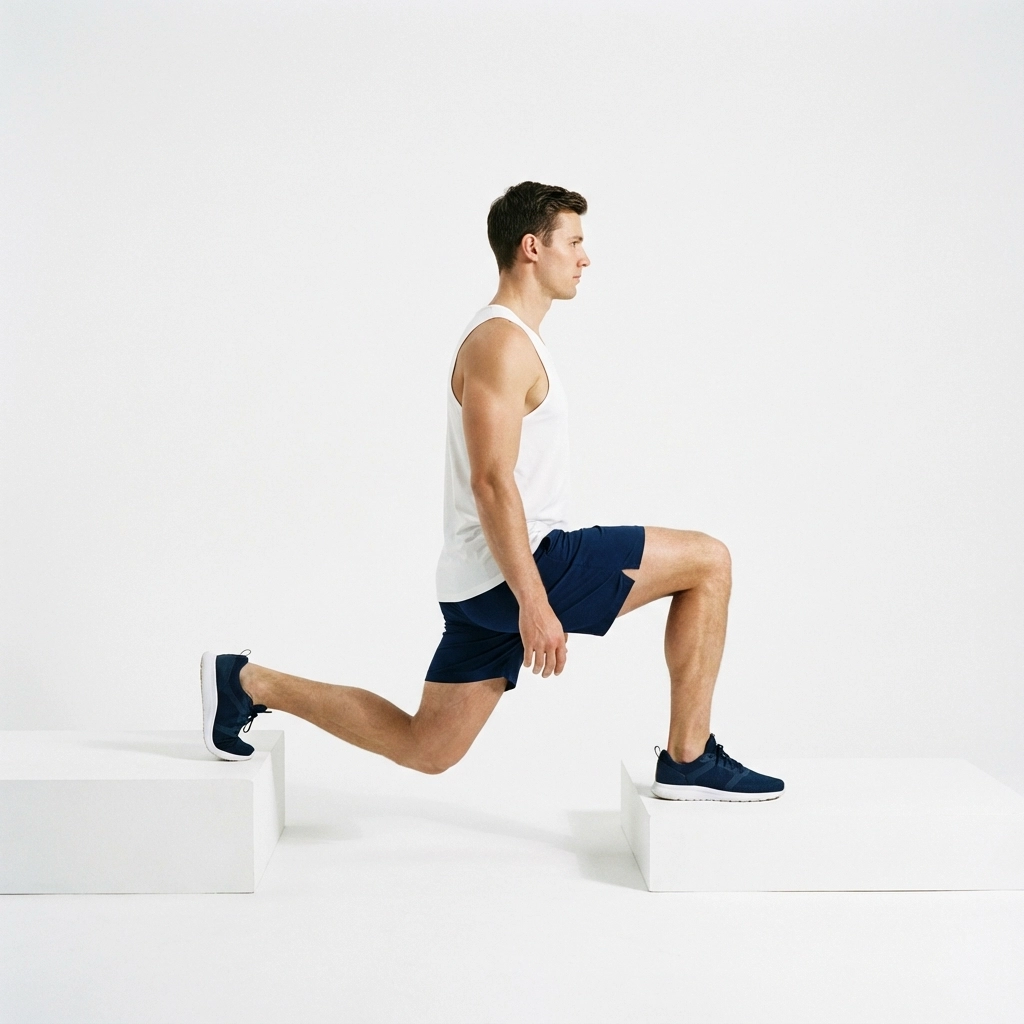
Core ATG Exercises and Methods
The knees-over-toes training system centres around several key movements that progressively load the knee joint in deep flexion positions:
ATG Split Squats form the foundation of the program. Performed with the rear foot elevated and often using a slant board under the front foot, these squats allow the knee to travel well past the toes while maintaining an upright torso. Patrick advocates starting with bodyweight and progressing to significant external loads over time.
Tibialis raises target the often-neglected anterior muscles of the lower leg. These involve flexing the foot upward against resistance, typically using a specialized device or improvised setup. Patrick claims these exercises are crucial for knee health and injury prevention, particularly for runners and athletes.
Backward sled walks or "backwards sledding" involves pulling a weighted sled while walking backwards, forcing the quadriceps to work in a lengthened position. This exercise is said to build strength in the exact ranges of motion needed for deceleration and change of direction.
Patrick step-ups are a variation of traditional step-ups performed with controlled, slow eccentrics and a focus on the working leg doing all the work. The emphasis is on building strength through a full range of motion while maintaining perfect form.
Wall sits are performed with feet positioned forward, creating an extreme knee-over-toes angle. These isometric holds are progressed by adding duration, external weight, or single-leg variations.
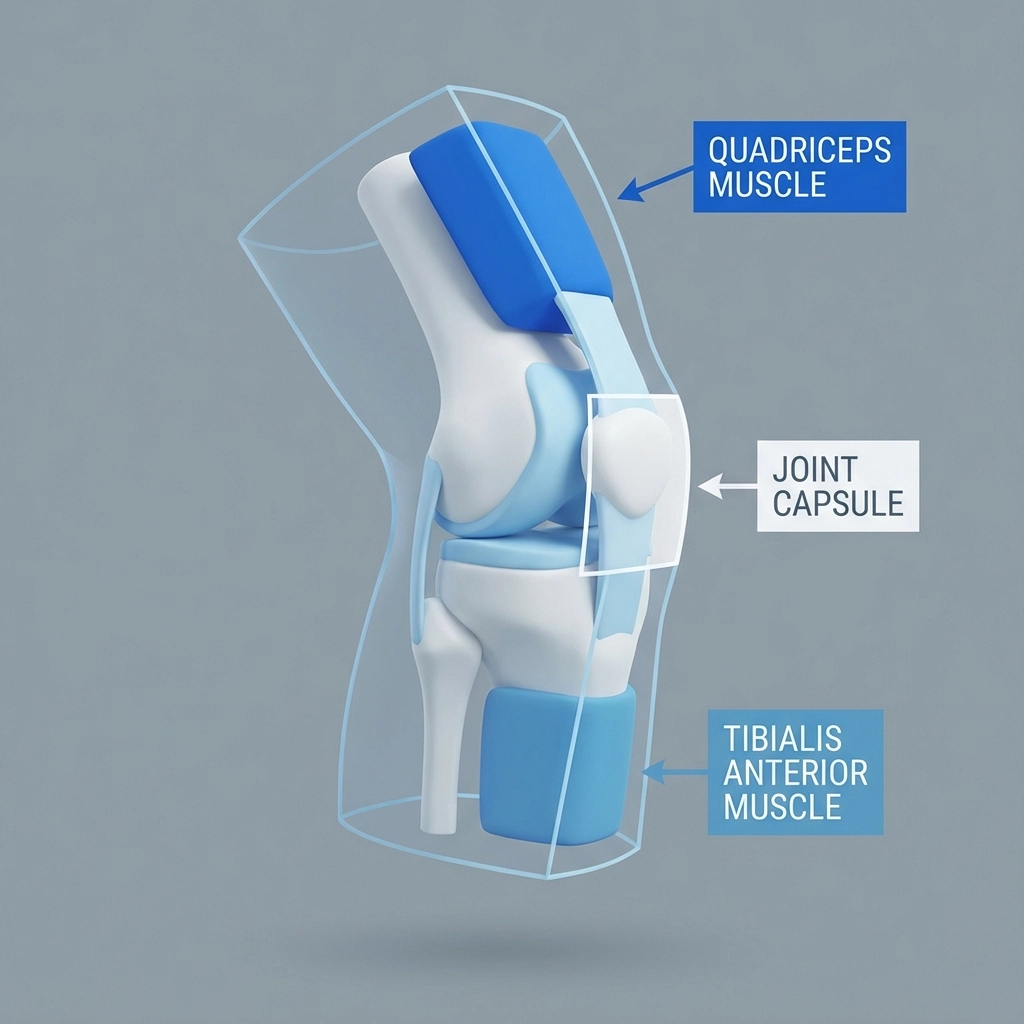
What Sports Medicine Research Actually Says
The evidence supporting knees-over-toes training is mixed, requiring a careful analysis of both supporting research and significant gaps in the literature.
Several studies do support the safety of knee-forward positions during squatting. A 2003 biomechanical analysis found that restricting forward knee movement actually increased stress on the hip joint and lower back while only marginally reducing knee joint forces. More recent research has shown that well-conditioned individuals can safely perform deep squats with knees traveling past toes when proper technique is maintained.
However, the specific claims made by ATG proponents often lack direct research support. While deep squatting has been associated with improved knee joint health in some populations, the idea that tibialis raises prevent injuries or that backward sled walks specifically "bulletproof" knees isn't backed by controlled trials.
Dr. Aaron Horschig, a physical therapist and researcher, notes that while knee-forward positions aren't inherently dangerous, the aggressive progression protocols often promoted by ATG followers can lead to overuse injuries. "The research supports training through full ranges of motion," Horschig explains, "but it doesn't support the idea that more extreme ranges are always better."
The biomechanics research does suggest that individuals with adequate ankle mobility can safely perform knee-forward movements, but those with mobility restrictions may indeed be at higher risk. This nuance is often lost in the broader ATG messaging.
The Cult-Like Following and Marketing Machine
The ATG movement has developed characteristics that concern some fitness professionals. Online communities dedicated to the method often discourage questioning of Patrick's protocols, with members sharing dramatic testimonials and dismissing criticism as "outdated thinking."
The marketing approach combines personal transformation stories with an anti-establishment message that appeals to those frustrated with conventional physical therapy or medical advice. ATG's messaging suggests that traditional healthcare providers simply don't understand "true" knee rehabilitation, positioning Patrick as a revolutionary figure fighting against institutional ignorance.
This approach has proven financially successful. ATG coaching programs cost hundreds of pounds, specialized equipment is sold at premium prices, and the brand has expanded into supplements and lifestyle products. The business model relies heavily on creating a sense of exclusive knowledge that's only available through ATG channels.

Critics point out that this marketing approach can delay appropriate medical care for individuals with serious knee problems. While some may benefit from increased activity and strength training, others might need surgical intervention or specific treatments that won't be addressed by exercise alone.
Separating Useful Concepts from Overpromised Results
Despite the concerning aspects of ATG's marketing and community culture, several underlying principles have legitimate value:
Progressive overload in full ranges of motion is a well-established training principle. Building strength at end ranges can improve joint stability and function, particularly for athletes who need to perform in these positions during sport.
Addressing muscle imbalances through targeted exercises like tibialis raises may help some individuals, particularly those with weak anterior lower leg muscles contributing to shin splints or other issues.
Slow, controlled movements emphasising eccentric strength can improve tissue quality and reduce injury risk when implemented appropriately.
Individual assessment and progression is crucial, regardless of the specific method used. What works for one person may not be appropriate for another, depending on injury history, anatomy, and training goals.
However, several claims regularly made by ATG proponents lack evidence:
The assertion that knees-over-toes training can "reverse" all types of knee pain oversimplifies the complex nature of joint problems. While some individuals may experience pain reduction through improved strength and movement patterns, others have structural issues that require different interventions.
The claim that traditional physical therapy and sports medicine are fundamentally flawed ignores the vast body of research supporting current evidence-based practices. While there's always room for improvement in any field, dismissing established practices wholesale isn't scientifically justified.
The suggestion that ATG methods are suitable for everyone, regardless of injury history or current symptoms, contradicts basic principles of individualized care.
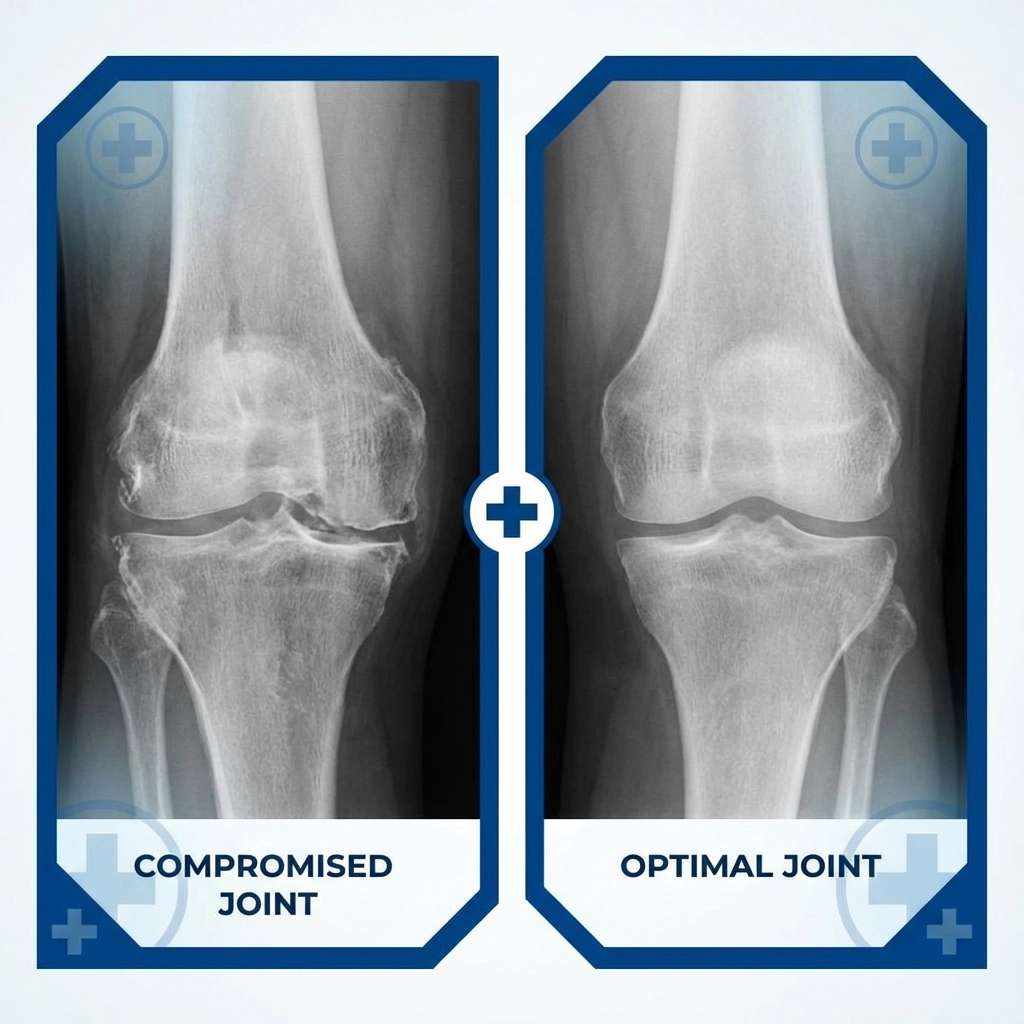
A Balanced Approach to Knee Health
For UK fitness enthusiasts considering knees-over-toes training, a measured approach offers the best outcomes:
Start with professional assessment. Before beginning any knee-focused training program, particularly if you're experiencing pain, consult with a physiotherapist or sports medicine professional who can identify any underlying issues requiring specific treatment.
Apply progressive overload principles. If you choose to incorporate knee-forward movements, begin with bodyweight exercises and progress slowly. Monitor your response carefully, backing off if pain increases or movement quality deteriorates.
Don't ignore other aspects of knee health. Hip strength, ankle mobility, and overall movement patterns all contribute to knee function. A comprehensive approach addressing multiple factors is more likely to succeed than focusing solely on one type of exercise.
Be skeptical of dramatic claims. While some individuals may experience significant improvements, be wary of promises of "bulletproof" joints or universal pain elimination. Individual responses vary considerably.
Consider your specific needs. Athletes requiring extreme ranges of motion may benefit more from aggressive knee-forward training than recreational exercisers focused on general fitness and pain prevention.
The knees-over-toes movement has brought attention to legitimate gaps in traditional knee training approaches. The emphasis on training through full ranges of motion and building strength in lengthened positions has merit for many individuals.
However, the cult-like following, aggressive marketing, and tendency to dismiss established medical practice create concerning aspects that potential practitioners should consider carefully. As with most fitness trends, the truth lies somewhere between revolutionary breakthrough and complete fraud: useful principles exist within a package that often promises more than it can deliver.
For those dealing with knee issues, the most effective approach likely involves combining evidence-based exercises (which may include some knee-forward movements) with professional guidance, realistic expectations, and a comprehensive view of joint health that extends beyond any single training method.
The fitness industry's tendency toward extreme positions: knees must never go past toes versus knees should always go past toes: misses the nuanced reality that different approaches work for different people in different circumstances. True "bulletproof" knees are built through consistent, appropriate training that respects individual differences, not through adherence to any single methodology, regardless of how compelling the marketing message might be.